

一个用德语做花园旅行的网站
这个门户的运营方是奥地利格拉茨的 TAO 咨询管理公司。公司 1991 年从奥西阿赫湖畔的一家旅游代理起步,2006 年在格拉茨另设了一个做数字化的团队,门户的创意和实现都出自那个团队。2014 年 10 月,公司发布了德语网站 Garten Europa,说要把欧洲能参观的花园尽量都收进来,让人先在地图上找到地方,再真的走一趟。
当年的通稿引了总经理 Ulrich Andres 的话,想给每个爱花园的人最好的点子和一个真能去的地方。同一篇报道还引用了美国学者 Richard Benfield 的估计,说全世界有三亿多人专门为旅游去逛花园,其中三十五到四十五岁的人占了一大片。通稿也点了首批上门的园子,包括奥地利最大的盆景园、花园酒店 Molzbachhof、园艺设计师 Harmonie im Garten,还有香草村 Irschen,创办人 Eckart Mandler 认为这类主题会吸引更多的人来。
地图是核心
站上自己说,地图是整个门户的心脏。地图放在一个单独的子站上,可以按花园类型筛选,从城堡花园、自然花园一直到城市花园。站上能访问的那些年,全部花园按字母排成索引,一共 84 页,每页 32 条,最后一页只有 25 条,照这个排法收了两千六百多座。分类页上另有一份精选的字母表清单,分成 6 页,每页十几座。
分类分成四大组:受保护的自然景观、实用的生产性花园、主题花园和观赏花园,下面挂着 26 个子类页面,从巴洛克花园、英式风景花园、结式花园、日本园、禅园,一直到农舍园、菜园、药草园、果园和葡萄园。页面底部那份清单列了 28 个名字,和分类页并不完全对应,波斯花园只有名字没有单独的页面,巴洛克花园还写成了两种拼法。
园主可以免费把自己的园子登记上去,站上也有订阅邮件的入口。
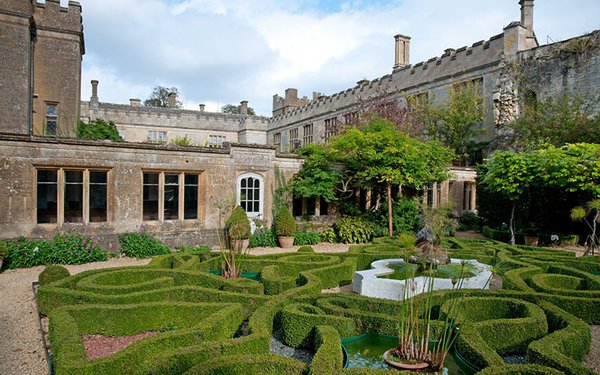
按国家、城市、地区和村庄找
目录从国家往下分,一共六个国家有单独的页面:德国、英格兰、意大利、克罗地亚、奥地利和瑞士,奥地利下面还另做了一页施泰尔马克州。城市页举的例子有维也纳的美景宫、柏林的植物园、伦敦的邱园。地区页提到托斯卡纳的美第奇别墅、卢瓦尔河谷的城堡,还有奥地利图亚河谷的自然园子。
村庄页上主推两个例子:一个是奥地利山里以香草闻名的小村 Irschen,另一个是英格兰被称作「瑞典村」的 Bibury。
国家页写得像介绍文章。奥地利那页先讲国土:面积八万多平方公里,阿尔卑斯山占去三分之二,再讲东边的缓坡和葡萄园,说那儿的花园旅行可以顺带变成吃喝之旅。
住处、设计师和五条旅行线路
住处这一栏挑的是把花园当成日子的店家,站上说能这样生活的住处不多,页面上列了五处,首页重点推其中两家。园艺设计师在地图上标出十八家,从苗圃、园艺中心到独立工作室都有,站上写的是从设计到施工到养护一手包办。
花园旅行线路单列一栏,一共五条:南施蒂利亚一趟三天的自然之旅,Steinschalerhof 周围的花园之旅,横穿奥地利名园的环线,一条穿过村庄的四公里花园步道,还有南施蒂利亚的美食之旅。那条四公里的步道叫 Gartenweg Schiltern,串起 Kittenberger Erlebnisgärten 和 Arche Noah 两座对外开放的花园,沿途是各家各户自己动手收拾出来的园子。
杂志,以及这个域名现在的去向
杂志是门户的另一条主线。最后能查到的目录页上挂着 70 个链接,除了菜谱、技巧与窍门、园艺史这三个分类页,其余六十多个通向具体文章和系列页。文章很杂:树的一组肖像,柳、桦、橡、椴各写一篇;鸢尾、盆栽造型、阳台上的小菜园和遮挡、把香草当药食、蔬果怎么存、缺水时怎么浇、冬天怎么把工具收起来、给孩子的园子、办婚礼的花园、城市里的都市园艺和垂直绿墙;伊甸园计划、日本樱花节、凯尔特人的树阵、欧根亲王的花园、葡萄园里的四时和深冬开花的花;书评、英格兰的七座名园、意大利最好看的园子、Schloss Hof 的春季花园日也都在。食谱栏里有荨麻糖浆的做法,还有一篇教人把南瓜削成脑袋。
法律声明页上只列了一位作者,就是香草村 Irschen 的创办人 Eckart Mandler;门户本身注明是 TAO 咨询管理公司的项目,创意与实现都由 TAO Digital 承担。
现在这个域名已经整体跳到运营方 TAO 的主页,原来的花园目录、地图和杂志页面都取不到了,地图用的那个子站也不再响应。互联网档案馆里最后一版门户首页停在 2023 年 7 月,之后再没有新的快照。运营方自己的公司介绍页上倒还留着 Garten Europa 的标志,和它另外几个长期合作项目的标志并排摆着。
A German-language portal for garden travel
The portal is run by TAO, a consulting and management company in Graz, Austria. The company started in 1991 as a tourism agency on the shore of Lake Ossiach, opened a separate digital unit in Graz in 2006, and both the idea and the build of the portal came out of that unit. In October 2014 the company put the German-language website Garten Europa online, saying it wanted to collect as many of Europe’s visitable gardens as possible, so that people can find a spot on the map first and then go and see it in person.
The launch release quotes the managing director Ulrich Andres, who wanted to give every garden lover the best ideas and a place that can actually be experienced. The same report cites the American scholar Richard Benfield, who estimates that more than three hundred million people worldwide visit gardens for tourism reasons, with thirty-five to forty-five year-olds making up a large share. It also names the first gardens to appear: the largest bonsai garden in Austria, the garden hotel Molzbachhof, the garden designer Harmonie im Garten and the herb village Irschen, whose founder Eckart Mandler expects more visitors to come for themes like that.
The map is the core
The site calls the map the heart of the portal. It sits on a separate subdomain and can be filtered by garden type, from Schlossgarten over Naturgarten to the urban garden. In the years the site was still reachable, the full index of gardens was sorted alphabetically and ran to eighty-four pages carrying thirty-two entries each, with only twenty-five on the final page, which works out at more than two thousand six hundred gardens. A shorter A-Z selection on the category page runs across six pages with a dozen-odd gardens on each.
The categories fall into four groups: protected landscapes, edible and working gardens, theme gardens and ornamental gardens, with twenty-six subcategory pages underneath, from baroque gardens, English landscape gardens, knot gardens, Japanese gardens and zen gardens to farmhouse gardens, vegetable gardens, herb gardens, orchard gardens and vineyards. A list in the page footer names twenty-eight categories and does not line up exactly with the category pages: Persian gardens appear only in the list, and baroque gardens are spelled two ways.
Garden owners could add their own garden to the site free of charge, and there was a newsletter signup as well.
Finding gardens by country, city, region and village
The directory works down from country to city, region and village. Only six countries have pages of their own: Germany, England, Italy, Croatia, Austria and Switzerland, and Austria has a further page for the state of Styria. The city pages name examples such as the Belvedere in Vienna, the Botanical Garden in Berlin and Kew in London. The region pages mention the Medici villas in Tuscany, the castles of the Loire valley and the natural gardens of the Thayatal in Austria.
The village page leads with two examples: a herb-growing village in the Austrian mountains, Irschen, and Bibury in England, which the site calls the Swedish village.
The country pages read like short introductions. The Austrian one starts with the size of the country: more than eighty thousand square kilometres, with the Alps taking up two thirds of it, and then moves on to the gentle hills and vineyards of the east, where a garden trip can turn into a trip about food and drink.
Places to stay, garden designers and five garden trips
The accommodation section picks hosts who live with their garden. The site says there are few places where the garden is lived daily, and it lists five of them, two of them highlighted on the front page. Eighteen garden designers are marked on the map, from nurseries and garden centres to independent studios, each described as handling design, construction and upkeep in one go.
Garden trips have a section of their own with five routes: a three-day nature trip through southern Styria, the gardens around the Steinschalerhof, a route across Austria’s finest gardens, a four-kilometre garden path through a village, and a culinary trip through southern Styria. That four-kilometre path is called the Gartenweg Schiltern; it links the Kittenberger Erlebnisgärten and the Arche Noah show garden, and along the way are small, carefully tended private gardens belonging to the people who live there.
The magazine, and where the domain goes now
The magazine is the portal’s other main strand. The last reachable index page carries seventy links, of which the recipes, tips and tricks and garden history pages are category pages, and the remaining sixty-odd links lead to individual articles. The subjects range widely. There is a series of tree portraits, one each for willow, birch, oak and lime; then iris, bonsai, small productive gardens and screening on a balcony, herbs used as food and medicine, storing fruit and vegetables, watering properly when it is dry, putting tools away for the winter, a garden for children, a garden for a wedding, urban gardening and vertical gardens in the city; the Eden Project, the Japanese cherry blossom festival, the Celtic tree circle, the gardens of Prince Eugene, a vineyard through the four seasons and plants that flower in deep winter. There are book reviews, seven famous gardens of England, the finest gardens in Italy and the spring garden days at Schloss Hof. In the recipe section there is a syrup made from stinging nettle and a piece on carving pumpkins into heads.
The legal notice names a single author, Eckart Mandler, the founder of the herb village Irschen; the portal itself lists TAO as the company behind it, with the idea and the build handled by TAO Digital.
The domain now redirects as a whole to the homepage of the company that ran the portal, and the old garden directory, map and magazine pages can no longer be reached; the separate subdomain that carried the map no longer answers either. The newest capture of the portal homepage in the Internet Archive is dated July 2023, and there are no later snapshots. The operator’s own page about the company still carries the Garten Europa logo, showing it in a row with the logos of its other long-running projects.
相关文章:
 英国 Europa Leisure 户外花园家具 – 长期深耕户外花园家具的批发与分销业务
 奥地利 花园中的自然运动 Natur im Garten – 25 余年生态园艺推广与认证
 德国 Park der Gärten – 德国规模最大的主题花园园区之一杜鹃特色收藏
 德国色彩缤纷的花园Bunte Garten – 门兴格拉德巴赫
 德国 花园英雄 Garten‑Held – 下萨克森州百余篇德语园艺记录
 德国 Mein schöner Garten 订阅商店 – 德国十余种园艺刊物订阅服务
 德国 凯撒斯劳滕日本庭园 Japanischer Garten Kaiserslautern – 德国最大日式庭园
 德国 埃尔兰根植物园 Botanischer Garten Erlangen – 百余年教学收藏与濒危种保护
发表回复