
球茎区里的一百二十年老字号
C.J.M. Vester B.V. 是一家花球茎出口公司,1901 年成立,如今由第四代经营。厂区在弗尔豪特(Voorhout),正好在荷兰球茎区的中心地带。球茎区能落在这一带,很大程度上是土质决定的;正因为身处核心位置,公司能拿到这个行当里大量专门的技术积累,用来支撑产品的品质。公司自己的说法很直白:一个世纪以来,品质一直挂在他们 Highest 的位置,这也是往后继续要守的目标。
支撑公司走到今天的是四项能力:跟客户直接打交道、产品质量高、靠得住、售后的响应到位。公司形容自己「一个世纪以后」,靠的是传统和经验打底,同时不断改进和更新。网站上挂着的英文自我介绍是这么写的:他们为客户提供的球茎,是按日期排好程序、用来催花的切花或盆栽用球茎;产品本身之外还有配套的栽培指导,公司在这个行业里的位置就是靠这些长期关系和不断扩大的客户群撑起来的。
公司的客户以大批量采购为主,订的是处理好的球茎、插条和幼苗,用途包括温室里的切花生产、市政绿化、园艺中心和大卖场。除了卖货,公司还承接在客户所在地全程陪同催花过程这类业务。
产品线有五类,近两百个品种
网站上直接开了一条产品线,共列了约一百九十九个品种。郁金香是最大的一块,一百三十个,包括 Abba、Ad Rem、Alibi、Apeldoorn 这样的常见名字,也有 Andre Citroen 这类以名人和地名命名的品种。风信子二十个,从 Aiolos、Blue Jacket、Blue Pearl、Carnegie 到 City of Haarlem。朱顶红二十一个,从 Alfresco、Amorice 到 Apple Blossom、Bolero、Bull。水仙十二个,Carlton、Dick Wilden、Erlicheer、Ice Follies、Jetfire 都在里面。杂项类十六个,包括银莲花(Anemone Blanda)、番红花(Fritillaria 属的 Crown Imperial、Meleagris 等)、鸢尾(Iris Harmony、Katharine Hodgkin)、葡萄风信子(Muscari Big Smile)和 Scilla 属的品种。
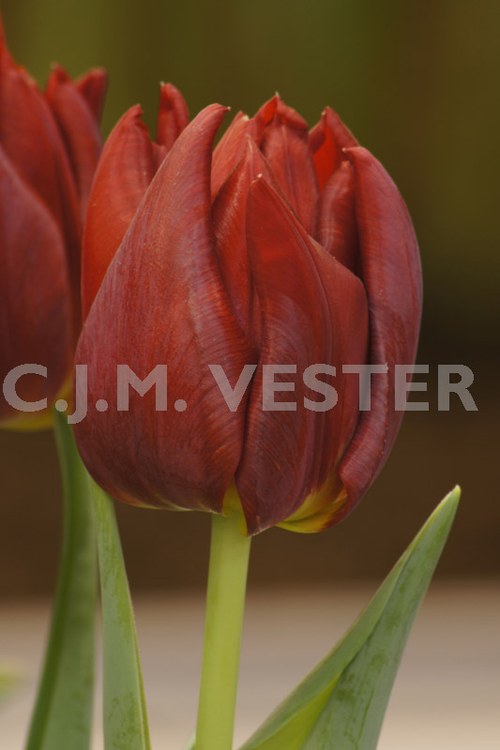
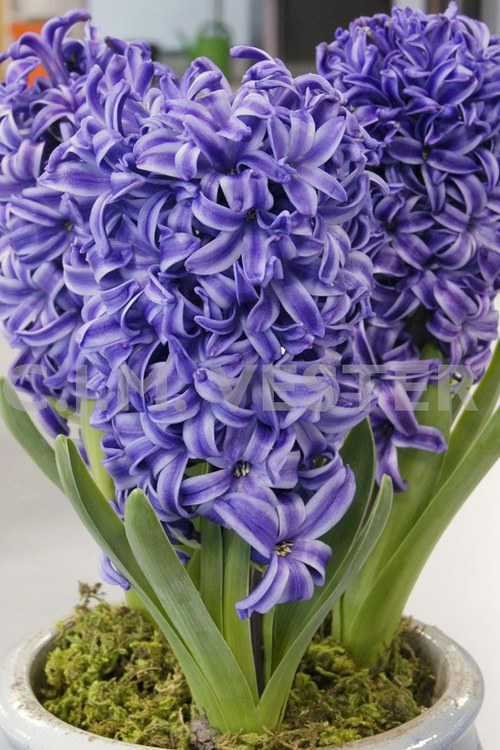
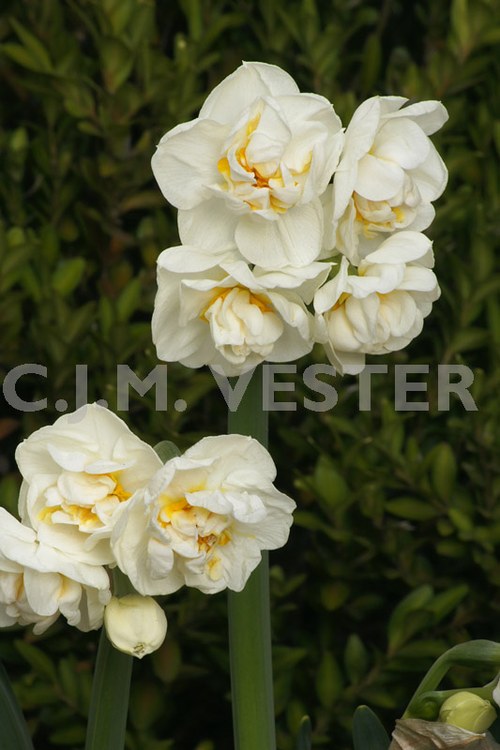
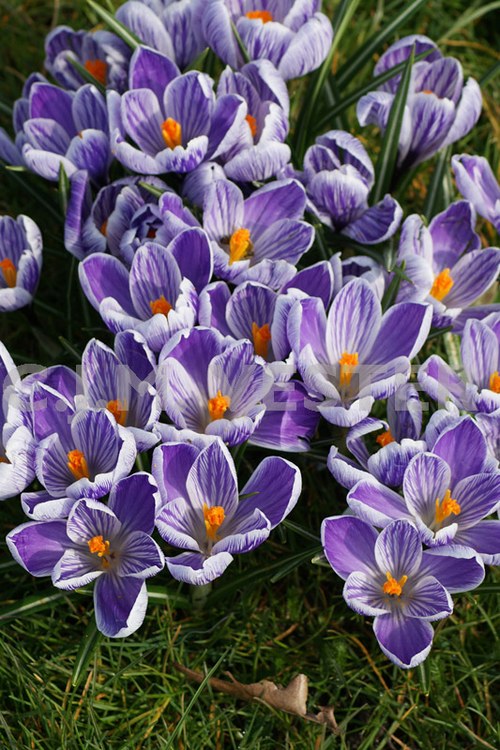
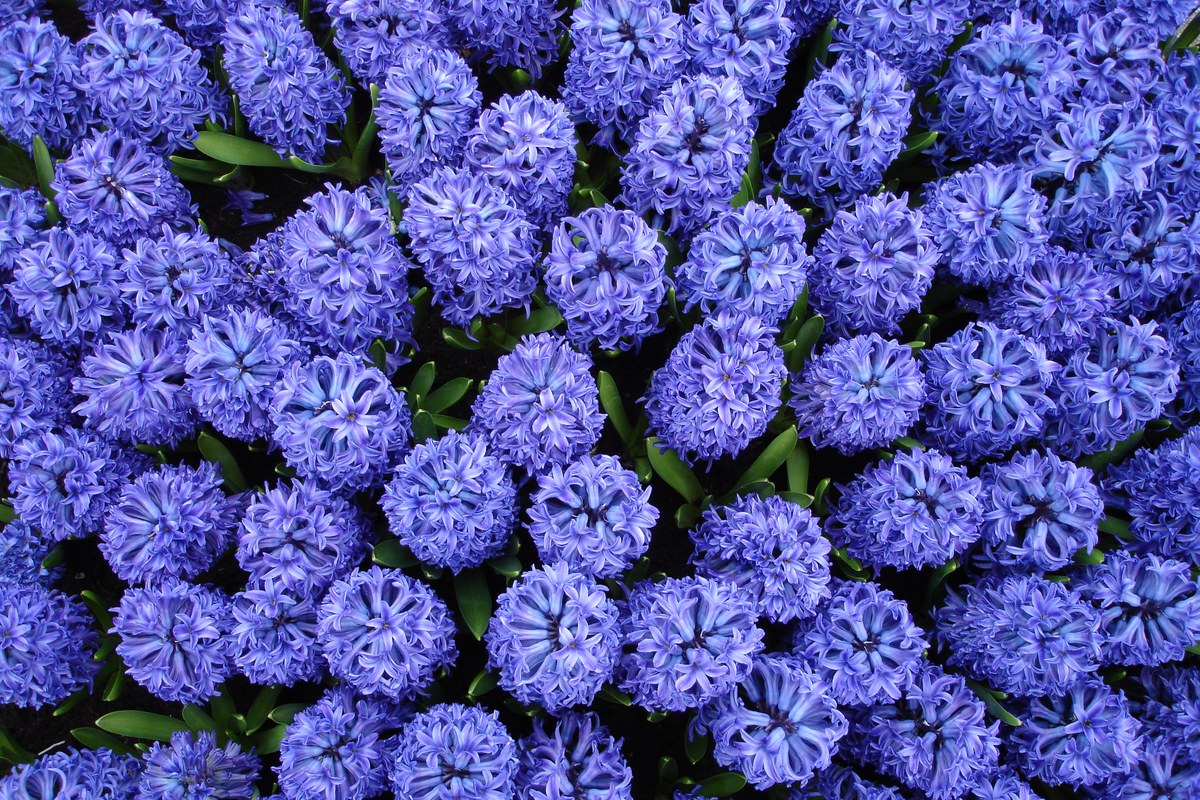
每个品种都配有单张图和栽培参数页,可以直接在线看图下单。品种图是实拍照片,比如郁金香 Abba 是深红色的重瓣花,风信子 Blue Pearl 是盆栽的蓝紫色花序,水仙 Bridal Crown 是白底深绿叶的重瓣花头,番红花 Pickwick 是紫白条纹配橙色花药,种在草地上。
处理车间做了什么
处理环节在公司的现代厂房里完成,厂房 2012 年整体翻修过。公司在专门的恒定条件房间里,用不同的温度对产品做处理。控温房间里温度和湿度都精确控制,同时靠电脑控制的环控系统不断送入新鲜空气。做到这个程度,是为了能交付一个按客户要求的处理方式走、在指定时间开花的货。
公司也提供上门服务,可以到客户所在地全程陪同催花。对买球茎的种植户来说,球茎进仓只是开始,不同品种的休眠和解除休眠处理方式不一样,同一品种不同批次也可能有差别,催花讲的是温度和时间的配合,这一段是最容易出岔子的地方,也是公司愿意派人跟过去的原因。
公司的出口市场目前集中在斯堪的纳维亚、罗马尼亚、保加利亚和中亚;英文版首页的定位写的是面向全球供货,并希望把地理覆盖继续扩出去。公司的老客户里,最有名的是球茎展 Keukenhof。
给 Keukenhof 供货二十多年
从 1968 年起,公司就是 Keukenhof 的供货商。Keukenhof 占地三十二公顷,是全世界最大的球茎花卉展,可以看作球茎行业的国际展示花园。园子每年要种下约七百万个球茎,由一百多家荷兰球茎公司捐出,四十名园丁在秋天一株株种进土里,开放期是三月中到五月中,八周。公司希望通过给 Keukenhof 供货,把球茎产品推广到世界各地。
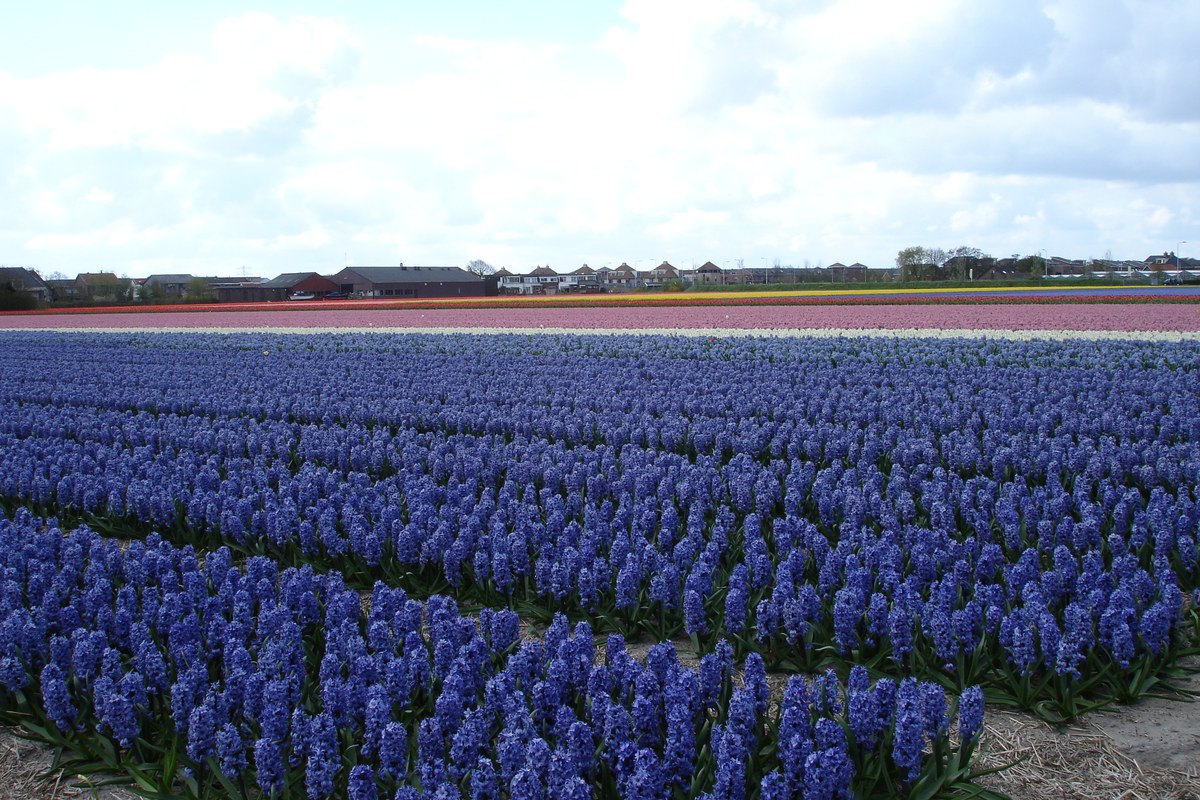
库肯霍夫每年春天大量出球根,展览场地之外也有大片的花田,顺着路一直排到地平线:前景是成排的蓝紫色风信子,往远处是粉、白、红、紫、黄一道道横过去的色带。公司自己的花田照片里能拍到同样的景致。
翻修厂房省下多少能耗
2012 年翻修厂房时,重点就放在省能源上。公司换了最新的采暖设备,配上最新的电脑控制;整个厂房用现代的、对环境友好的材料重新做过保温。做完之后能耗降了百分之八十五以上。屋顶还铺了太阳能板。
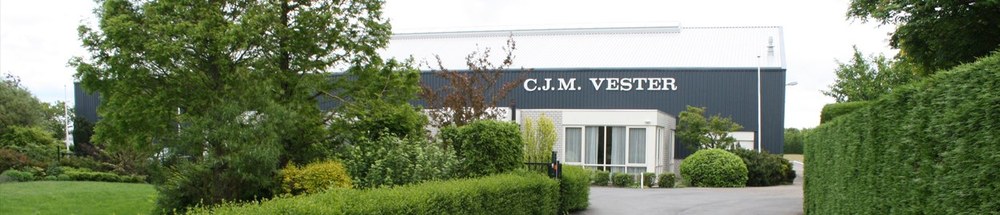
公司的厂区是一片低矮的现代建筑,白色屋面配深色竖向挂板,办公楼那侧是玻璃门厅,前面是修得整齐的绿篱和草坪,周边有大树。公司把自己的定位讲成:把自然的优雅和产品的质量一起送到客户手里,同时把公司自身的能耗和影响控制住。
A century-old bulb exporter in the bulb region
C.J.M. Vester B.V. is a flower bulb exporting company founded in 1901 and today run by the fourth generation. It is based in Voorhout, in the heart of the Dutch bulb region. The region settled in this area largely because of the soil, and being right in the middle of it gives the company access to a great deal of the specific knowledge the trade needs to deliver a product of the highest quality. Their own account is plain about it: over the past hundred years quality has been held high here, and that remains the objective for the future.
Four things have carried the company this far: personal contact with customers, high product quality, reliability, and an effective after-sales programme. More than a century after it was founded, the company describes itself as progressive and renewed, built on tradition and experience. Its English self-description runs that it delivers flower bulbs programmed on date for forcing as cut flowers or for pot production, and that the product offering together with thorough cultivation support has kept the firm in a prominent position in the bulb sector for over a hundred years, built on long-term relations with an expanding client base.
The customers are mostly bulk buyers of treated flower bulbs, cuttings and young plants: cut flower producers working under glass, municipalities, garden centres and supermarkets. Beyond the bulbs themselves, the company will also guide the forcing process on the customer’s own site from start to finish.
Five product groups, close to two hundred varieties
The website carries the product range directly, listing close to two hundred varieties across five groups. Tulips are the largest at 130, including familiar names such as Abba, Ad Rem, Alibi and Apeldoorn alongside names like Andre Citroen. Hyacinths number twenty, from Aiolos, Blue Jacket and Blue Pearl through Carnegie to City of Haarlem. Amaryllis run to twenty-one, from Alfresco and Amorice to Apple Blossom, Bolero and Bull. Narcisses number twelve, with Carlton, Dick Wilden, Erlicheer, Ice Follies and Jetfire among them. The miscellaneous group holds sixteen, covering Anemone Blanda, crocuses, fritillaries such as Fritillaria imperialis and Meleagris, irises including Iris Harmony and Katharine Hodgkin, Muscari Big Smile and Scilla varieties.
Every variety has its own photograph and growing information page, so the list can be browsed and ordered online. The photographs are real shots rather than studio renders: the tulip Abba is a deep red double flower, Blue Pearl is a blue hyacinth in a pot, the narcissus Bridal Crown is a white double flower against dark green leaves, and the crocus Pickwick is a purple-and-white striped patch with conspicuous orange stamens, growing in grass.
What happens in the treating rooms
Treating takes place in the company’s modern building, which was fully renewed in 2012. Products are treated at different temperatures in dedicated climate-controlled rooms. Both the temperature and the humidity in these rooms are controlled precisely, and fresh air is supplied continuously by a computer-controlled climate system. That is what makes it possible to deliver a product with the treatment the customer wants, for flowering at the moment they want it.
The company also provides on-site support, accompanying the forcing process at the customer’s location. For a grower, the bulb arriving in the store is only the start: varieties differ in dormancy and in how they are brought out of it, and even the same variety can behave differently from one batch to the next. Forcing is a question of matching temperature to timing, and that stretch is where things most easily go wrong, which is the part the company is willing to travel for.
The current export markets concentrate on Scandinavia, Romania, Bulgaria and Central Asia, while the English homepage positions the company as a supplier worldwide and states the ambition to keep extending the geographical footprint. Among the customers the company is best known for is the bulb show Keukenhof.
Supplying Keukenhof since 1968
The company has supplied Keukenhof since 1968. Keukenhof covers 32 hectares and is the world’s largest bulb flower show, the international show garden of the bulb industry. Some seven million bulbs are planted there every year, donated by more than a hundred Dutch bulb companies and planted one by one by forty gardeners in the autumn. The park opens for eight weeks, from mid-March to mid-May. Through the deliveries to Keukenhof the company seeks to promote its bulb products worldwide.
Keukenhof is famous in spring for the sheer quantity of bulbs, and beyond the exhibition grounds there are bulb fields running in straight rows out to the horizon: blue-violet hyacinths in the foreground, and further off bands of pink, white, red, purple and yellow crossing the land. The company’s own field photographs show the same thing.
What the building renewal saved
When the building was renewed in 2012, saving energy was the stated priority. The company fitted the newest heating installations together with the newest computer control, and re-insulated the whole premises with modern, environmentally friendly materials. The result was an energy saving of more than eighty-five percent. Solar panels sit on the roof as well.
The site is a low modern building with a white roof and dark ribbed cladding, a glass-fronted office section, and clipped hedges and lawn in front with mature trees around. The company frames its own position as delivering both the quality of the product and the beauty of nature to the customer, while keeping its own energy use and footprint under control.
相关文章:
 荷兰 Prins花卉球茎公司 – 专业园艺服务机构
 荷兰Van Haaster – Nevada花卉球茎公司
 荷兰 弗里林克父子出口公司 A. Frijlink & Zonen Export B.V. – 荷兰球茎出口遍及全球
 荷兰Van den Bos花卉球茎公司 – 对于专业的花卉种植者和进口商业来说,”荷兰Van den Bos花卉球茎公司”是从事百合、小苍兰及马
 荷兰 P. Hopman球根花卉经销公司 – 专业园艺服务机构
 荷兰 范·哈斯特球茎 Van Haaster – 荷兰百年球茎种植与出口企业
 荷兰 诺德隆默斯 Nord Lommerse – 球茎处理与全球供应商
 荷兰 哈克曼球茎 Haakman – 荷兰全球郁金香球茎出口商
发表回复