
从 1954 年起的荷兰水仙世家
W.F. Leenen & ZN 的荷兰语全称是 W.F. Leenen en Zonen,英文站上写的是 W.F. Leenen and Sons,也就是「W.F. 利嫩父子」。公司 1954 年由 Wim Leenen 创办,起步时在 Warmond 只有一小块地和一间催花棚,如今总部设在南荷兰省的 Voorhout,落在阿姆斯特丹西南的球茎区(Bollenstreek)里。生意一直围着水仙打转:育种、种植、催花和出口都自己做,第三代是兄弟俩 Jaco 和 Dirk Leenen。
公司自己的说法很直接:有独立的育种部门,再和几家有声誉的出口公司合作,从生产者到买家之间的整条链由他们掌控,靠签约种植户和自有员工一季一季做出来。公司页面上的那句口号「Growing for Generations」,说的正是这种几代人接力的事——现在卖的不少品种,其实是爷爷辈育出来的。2002 年,公司被选为当年的年度农业企业家,评委给出的评语是「球茎行业的使者」。
五个国家的种植基地
公司列出的种植地有五处:荷兰、英格兰、摩洛哥、智利和澳大利亚,横跨南半球和北半球,因此球茎和切花能全年供应。荷兰本地的行业刊物还提到,2006 年起他们也在南非、巴西和澳大利亚种球,把供货期拉得更长。每到秋天,智利和澳大利亚的货先顶上来,到一月底荷兰和英格兰接手,再从常见的单瓣和重瓣品种重新轮一遍。
在荷兰他们种着大约二十公顷,其中四公顷多在自家公司旁边,其余是合同种植户的地块,所有基地都按公司统一的栽培规程走。球茎在花后收上来,先运到境外的地块在土里养两年,等它重新长出小球芽(klisters),那就是下一季的种球。公司自己的说法是,花和球茎里约九成五最终销往国外。
用北海贝壳种水仙
这家公司被认为推动了水仙栽培方式的国际转变——把水仙种到北海的贝壳上。贝壳铺在苗盘底部,球茎埋进壳与壳之间的缝隙,根就扎在这层空隙里。这样种出来的球茎出货时完全不带土,泥土少、病害也少,球茎本身更干净。公司还与制药行业合作,从水仙球茎中提取用于药品和化妆品的成分,其中加兰他敏(galantamine)是治疗阿尔茨海默病的药物成分。
催花的节奏也是固定的。球茎催花之后先冷藏四周,让球茎里已经存在的花芽开始发育,之后连同种植盘一起进温室,再过四周才采收,这段时间里叶片和花蕾完全长成。大花品种在花苞还闭合的时候就收下;多花品种则等花开到四五朵再收,剩下的花蕾才跟着一起开。贝壳能重复使用三次,之后会碎成接近沙质的颗粒状。
品种名录与三十年的育种周期
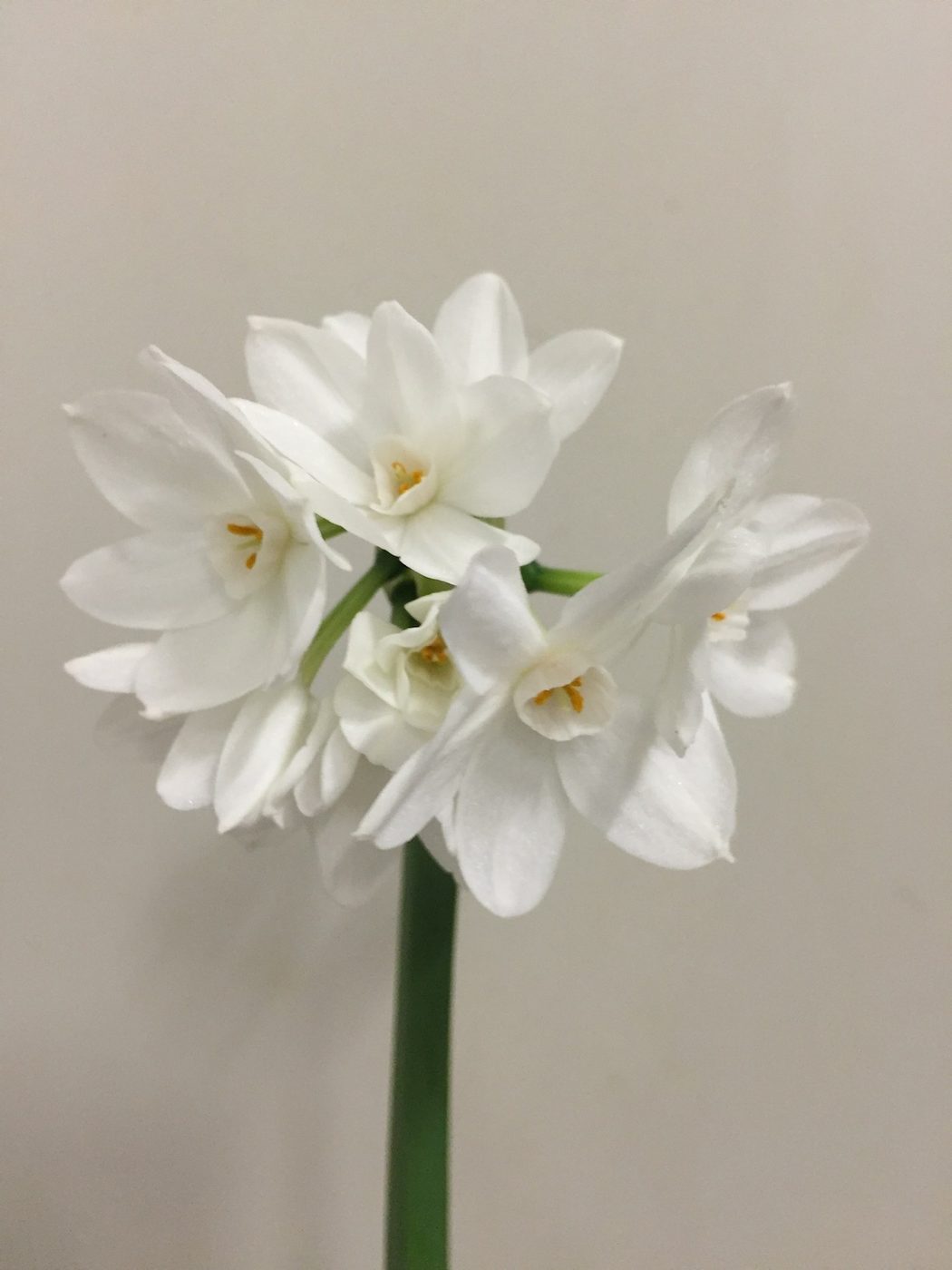
球茎页上列出的水仙品种包括 Love call、Modern art、Palmares、Paperwhite、Replete、Tahiti、Twinflower、Virginia sunrise、White lion、Abba、Amadeus Mozart、Avalanche、Blues、Cragford、Delnashaugh、Double mix、Easter tide、Erlicheer、Golden rain、Grand soleil d’or、Holland chase 等。公司自己说种了六十个水仙品种,另外还经销四十个,催花用的球茎也由自己生产。切花方面,Voorhout 的现代生产场地从十月一直做到次年五月,品种是二十个水仙加三个 Sonatini,全部用贝壳基质培育,能耗低。
育种周期长得超出多数人的想象:一个球茎第二年就变成两个,六年之后才可能有一个新种,再过五到十年才能试种,等到真正推向市场前后要三十年。另一份行业报道给得更细:种子长成成品球茎要八年,十四年后手上大约有二百五十个球茎,之后再靠组织培养或分球繁殖三到五年。Decorum 的种植者页面记录,兄弟俩独家种十一个 Sonatini 品种——那是一种小花型的朱顶红。
库肯霍夫供货商与可持续生产
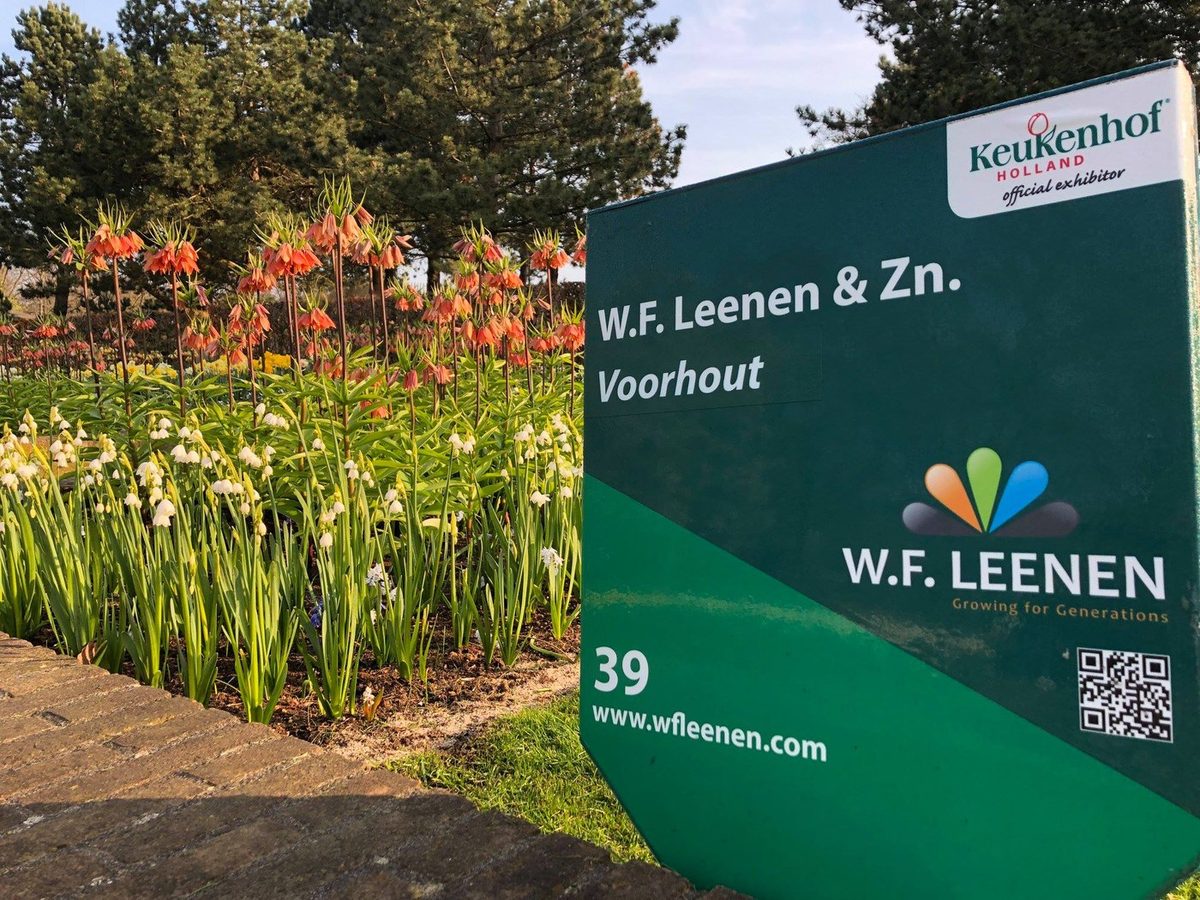
自 1979 年 3 月 28 日起,公司就是库肯霍夫(Keukenhof,欧洲最大的花园)的供货商,每年水仙展期间在园外做展示,整个园子开放的那一季都能看到自家水仙。2019 年 10 月 1 日起公司加入 Decorum 种植者协会,切花订单走协会的网店,Decorum 登记的资质是 MPS A。公司 2020 年 3 月 1 日起通过 Global G.A.P. 认证,此外还挂着源站自己写的「Top Teler」称号。
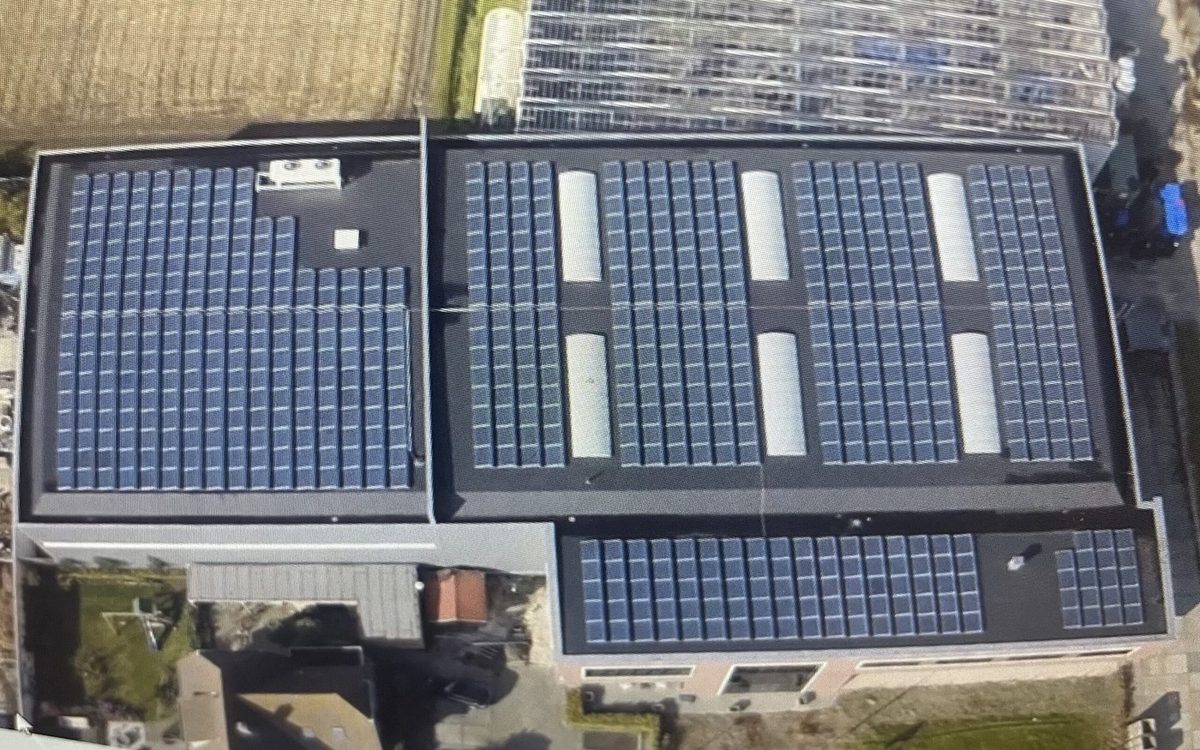
可持续方面,公司提出到 2025 年实现切花生产完全不用天然气,改用太阳能热水器、太阳能板和地下储热。水仙的茎会分泌黏液,和别的花插在一瓶里会互相影响,因此他们专门用了一款名为 Narcis Chrysal 的前处理剂,能把插瓶期延长一到两天。另外,在苏黎世还搭起过一座用水仙做的复活节彩蛋,用了三万枝 Narcissus ‘Bright Paradise’,高三米五,想刷新吉尼斯纪录。
A Dutch Family of Narcissus Growers Since 1954
W.F. Leenen & ZN, in full Dutch W.F. Leenen en Zonen and on its own English pages W.F. Leenen and Sons, is a narcissus house in Voorhout, South Holland. Wim Leenen founded it in 1954 with a small holding and a forcing shed in Warmond; the third generation, brothers Jaco and Dirk Leenen, now runs it from a new head office in the bulb region south-west of Amsterdam. Breeding, growing, forcing and export are all handled in-house, with their own breeding department and partnerships with established export companies keeping the chain from grower to customer in their hands.
The company’s own description is plain: a motivated team of employees and national and international partners guarantee the quality. The line on their site, Growing for Generations, is literal enough — many of the varieties they sell today were bred by their grandfather. In 2002 they were named Agricultural Entrepreneur of the Year, the most prestigious award in the Dutch agricultural sector, and the jury’s verdict was that they are ambassadors for the flower bulb sector.
Five Countries of Growing Land
The company names five growing areas: the Netherlands, England, Morocco, Chile and Australia, on both the northern and the southern hemisphere, which is what makes year-round supply of bulbs and flowers possible. Dutch trade press adds that since 2006 they have also grown in South Africa, Brazil and Australia, stretching the season further. From October, Chilean and Australian stock comes in first; the Netherlands and England take over and the familiar single- and double-flowered types start again at the end of January.
About twenty hectares in the Netherlands are grown by Leenen, a little over four of them around the company itself, with the rest under contract growers working to the company’s own protocols at every location. After flowering the bulbs are lifted and kept in the ground abroad for two years, until small bulblets, called klisters, form on them again and become the planting material for the next season. The company puts the share of flowers and bulbs that leave the country at around ninety-five per cent.
Growing Narcissus on North Sea Shells
The company is credited with the international move to grow narcissus on North Sea shells. The shells are laid in the bottom of the trays and the bulbs are planted into the gaps between them, so the bulbs travel free of soil, carry less disease and are cleaner for the pharmaceutical industry, which works with the company on extracting substances from the narcissus bulb for medicines and cosmetics. Galantamine, the substance used in drugs for Alzheimer’s disease, comes from those same bulbs.
The forcing routine is fixed. Forced bulbs go into cold storage for four weeks so the flower bud already inside starts to develop, then the trays stay in the greenhouse for another four weeks until harvest, by which time leaves and buds are fully formed. Large-flowered types are lifted while the flower is still closed; spray types wait until four or five flowers have opened so the remaining buds open as well. The shells can be used three times before they break down into something almost sand-like.
The Variety List and a Thirty-Year Breeding Cycle
The bulb page lists varieties such as Love call, Modern art, Palmares, Paperwhite, Replete, Tahiti, Twinflower, Virginia sunrise, White lion, Abba, Amadeus Mozart, Avalanche, Blues, Cragford, Delnashaugh, Double mix, Easter tide, Erlicheer, Golden rain, Grand soleil d’or and Holland chase. The company states it grows some sixty daffodil varieties and trades another forty, with bulbs for forcing and flower production also produced in-house. Cut flowers are made at the modern site in Voorhout from October to May, twenty daffodil varieties plus three Sonatinis, all forced on shell substrate with a low energy footprint.
Breeding runs far longer than most people expect. One bulb becomes two the following year, six years on there may be a new variety, another five to ten years of trials follow, and it takes about thirty years before a variety can really be brought to market. A trade report puts the finer numbers this way: eight years for a seed to develop into a full-sized bulb, around 250 bulbs after fourteen years, and then three to five more years of propagation through tissue culture or separation. Decorum’s grower page records that the brothers grow eleven Sonatini varieties exclusively, a small-flowered type of amaryllis.
Purveyor to Keukenhof and Sustainable Forcing
Since 28 March 1979 the company has been a purveyor to Keukenhof, the largest flower park in Europe, presenting its daffodils outdoors during the Daffodil Show and for the whole park season. It joined the Decorum growers’ association on 1 October 2019 and takes cut flower orders through the association’s webshop; the certification listed by Decorum is MPS A. Global G.A.P. certification has been held since 1 March 2020, alongside the Top Grower designation.
On sustainability the company set itself the goal of producing cut flowers completely gas-free by 2025, using solar boilers, solar panels and heat storage in the ground. Narcissus stems secrete a slime that harms other flowers in the same vase, so the growers use a pre-treatment called Narcis Chrysal that adds one to two days of vase life. A daffodil Easter egg built in Zurich used thirty thousand stems of Narcissus ‘Bright Paradise’, stood three and a half metres tall and was an attempt on the Guinness record.
相关文章:
 荷兰 普林斯球茎 Prins Bulbs – 面向英国零售的家族出口商
 荷兰 博特球茎花卉公司 Bot Flowerbulbs – 北荷兰球茎预处理全球出口商
 荷兰 维斯特 C.J.M. Vester – 荷兰球茎出口与处理商
 荷兰 诺德隆默斯 Nord Lommerse – 球茎处理与全球供应商
 荷兰 斯滕沃登球茎 C. Steenvoorden – 荷兰覆盖五十余国的球茎出口商
 荷兰 阿姆索尼亚 AMSONIA – 荷兰球茎出口与栽培支持
 荷兰Van den Bos花卉球茎公司 – 对于专业的花卉种植者和进口商业来说,”荷兰Van den Bos花卉球茎公司”是从事百合、小苍兰及马
 荷兰 韦耶尔斯父子球茎 C.S. Weijers & Zonen – 上千种球根认证批发商
发表回复