
历史由来
欧洲山月桂协会 (European Kalmia Society, 简称 EKS) 是一个设在德国不来梅的山月桂属植物学术团体。山月桂属 (Kalmia) 的属名由林奈 (Carl von Linné) 命名, 取自 18 世纪在北美东部采集标本的芬兰-瑞典籍植物学家 Pehr Kalm 之名。协会网站由德国 Grabstede 居民 Odo Tschetsch 设计与维护, 国际品种登录工作由注册员 Julia Westhoff 在不来梅主持。
协会宗旨
协会的工作重心是让山月桂属这一类北美原产的常绿灌木被更多欧洲园艺爱好者认识, 同时扶持其杂交育种、规模繁殖与园林推广。山月桂在植物分类上属杜鹃花科 (Ericaceae), 栽培习性与杜鹃花接近但花期更晚, 适合种在杜鹃花旁边作为延伸花期。2008 年, 国际园艺科学学会 (International Society for Horticultural Science, ISHS) 任命协会为山月桂属栽培品种的国际登录权威 (International Cultivar Registration Authority, ICRA), 由此承担起全球山月桂新品种命名登记与核对的工作。
品种登录与名录
协会编写的《国际山月桂品种登录与名录》 (International Kalmia Register & Checklist) 是山月桂属最完整的栽培品种目录, 目前收录 33 个物种级分类群与 209 个栽培品种 (含异名)。名录每年根据育种者提交的新材料更新, 2022 年新增的 Morning Sun、Red Prince、Starlight 三个栽培品种已于 2023 年 1 月发布。德国主要山月桂育种家 Karl-Heinz Hübbers 博士在 2020 年 12 月出版了一部专著, 详细介绍了所有山月桂栽培品种及其栽培要点, 被协会列为推荐参考书。
活动与试验
协会与欧洲多所植物园和苗圃合作开展品种试验与推广。2008 年 8 月, 协会将德国选育的两个栽培品种 ‘Midnight’ 与 ‘Moyland’ 送往芬兰的 Arboretum Mustila 进行耐寒性测试, 测试地紧挨着已有的 K. angustifolia 栽植区, 便于直接对比观察。德国克莱沃的 Rhine-Waal 应用技术大学 (Hochschule Rhein-Waal) 曾为协会录制了一段显微视频, 展示山月桂花朵被触碰后弹射花粉的过程, 这一授粉机制的特殊性使山月桂成为人工杂交难度较大的杜鹃花科植物之一, 这段视频也长期陈列在协会网站上。
组织关系
协会的资料与德国山月桂育种者联盟 Kalmia.info、北美杜鹃花协会 (American Rhododendron Society) 下属多个分会、英国皇家园艺学会杜鹃花与欧石南小组保持互换关系。在杜鹃花种植业发达的德国西北部与荷兰, 协会也和多家杜鹃花苗圃共享销售渠道与技术资料。协会对育种者的建议是: 在公开发布之前先完成必要的栽培试验, 只有当新品种明显优于或区别于现有品种时再提交命名登记。
History
The European Kalmia Society (EKS) is a German association of Kalmia enthusiasts, run from Bremen. Kalmia is a genus of evergreen shrubs native to North America, named by Carl von Linné after Pehr Kalm, the Finnish-Swedish botanist who collected the first specimens in eastern North America during the mid-18th century. The society’s website is designed and maintained by Odo Tschetsch of Grabstede, and its international cultivar registration work is run by Registrar Julia Westhoff out of Bremen.
Aims
The society works to familiarise European gardeners with the genus Kalmia and to support its hybridising, production and wider distribution. Kalmia sits in the family Ericaceae and grows under much the same conditions as rhododendrons, flowering slightly later — a useful companion in mixed plantings. In 2008, the International Society for Horticultural Science (ISHS) appointed the society as the International Cultivar Registration Authority (ICRA) for the genus, a role that puts it in charge of registering and checking new Kalmia cultivar names worldwide.
Register & Checklist
The society’s main publication is the International Kalmia Register & Checklist, the most complete directory of named Kalmia cultivars. It currently lists 33 species-level taxa and 209 cultivars, including synonyms, and is updated each year as hybridisers submit new material. The three cultivars Morning Sun, Red Prince and Starlight, all registered in 2022, were published in January 2023. Germany’s leading Kalmia hybridiser, Dr Karl-Heinz Hübbers, brought out a more detailed reference work in December 2020 — a catalogue of every known Kalmia cultivar, together with cultivation notes — which the society recommends as background reading.
Activities & Trials
The society runs trials and outreach with a network of European gardens and nurseries. In August 2008 it sent two German-bred cultivars, ‘Midnight’ and ‘Moyland’, to Arboretum Mustila in Finland for cold-hardiness testing, planting them next to existing stands of K. angustifolia for direct comparison. The Hochschule Rhein-Waal in Kleve, Germany, produced a microscopy video showing how a Kalmia flower ejects pollen at the slightest touch — a feature that makes hand-pollination one of the trickier jobs in the genus — and the film remains a long-standing reference on the society’s website.
Relationships
The society exchanges material and information with the German Kalmia hybridiser network Kalmia.info, with chapters of the American Rhododendron Society, and with the rhododendron and heather group of the Royal Horticultural Society. In the rhododendron-strong regions of north-western Germany and the Netherlands it also shares trial data and distribution channels with leading ericaceous nurseries. It encourages hybridisers to put new selections through thorough trials before naming, and to register a cultivar only when it is a clear improvement on existing varieties.
相关文章:
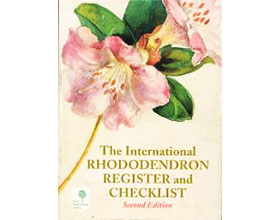 国际杜鹃花属名册和登记表2004版
 英国 欧洲棕榈协会 European Palm Society – 欧洲温带棕榈园艺团体
 美国 牡丹协会 American Peony Society – 行业自律与服务组织
 欧洲 欧洲棕榈协会 European Palm Society – 耐寒棕榈推广组织
 美国 鸢尾协会 American Iris Society – 鸢尾品种国际注册机构
 英国仙客来协会 The Cyclamen Society – 成立于英格兰的仙客来专业组织
 美国 玉簪协会 American Hosta Society – 国际品种登记管理局肩负玉簪属新品种的国际登记与命名审查职责
 美国 American Hemerocallis Society 美国萱草协会 – 萱草品种推广与注册
发表回复