

从药用花园到研究机构
维也纳大学植物园的起点是一所医学院的课堂菜园。1754 年,玛丽亚·特蕾莎皇后在她的私人医生、医学院院长 Gerard van Swieten 的建议下,在 Rennweg 一带买下约两公顷地,辟为药用植物园(Hortus Medicus),让学生能上实践课。规划与建造交给了当时旅居维也纳的 Robert Laugier(1722–1793),他成为首任园长,同时兼任新设的植物学与化学讲席。最初的植物取自美泉宫与美景宫(Belvedere)的花园,露地部分按林奈的分类系统排列,同时建起最早的两座温室。
1768 年 Laugier 卸任,接手的是 Nikolaus Joseph von Jacquin(1727–1817)——这位植物学家后来也被写进 Austrian 的重要科学家之列。在他手里,药用花园逐渐变成以科研为导向的植物园,露地栽培也有新发展。研究所前那株大悬铃木和侧面的银杏都是那个时期的遗物。1796 年由他的儿子 Joseph Franz von Jacquin(1766–1839)接任。1800 年前后,皇帝弗朗茨一世把南边约 5.8 公顷土地划给园子使用,次年「新园」开始动工,物种数很快增长到约 8000 种。1840 年 Jacquin 去世后,Stephan Endlicher(1804–1849)接手植物学教席与园务。
Endlicher 按自己在《Genera Plantarum》里提出的「自然系统」思路,1841 年起彻底重做露地布局,并在旧园内辟出 196 个畦的药用植物区,1844 年在其南侧建起植物学博物馆。1840 年全园共有 8186 个种。1849 年 Eduard Fenzl(1808–1879)接任园长,与 Endlicher 早已合作多年,他把园子改造继续推进,当时园内已有四座温室。1878 年起由 Anton Kerner von Marilaun(1831–1898)主持,他把旧园的一部分发展成「植物地理分组」——这套做法在当时欧洲还属首创,并按植物地理的思路重整了 Endlicher 与 Fenzl 在新园所做的种植。1883 到 1890 年,一条新街的修建使园地缩到约 6 公顷,其后沿街新建了新的药用植物区。
1889 年,在用的新园部分被赠予维也纳大学。1890 到 1893 年建起大型温室群,老温室里的植物陆续迁入。1898 年 Richard von Wettstein(1836–1931)接任园长,植物地理分组被精心维护并继续扩充,植物学研究所新建,生物分组随之设立。1930 年,园子又得到 Host 园的用地——那片地曾属于皇储 Franz Ferdinand,是 Nikolaus von Jacquin 的学生 Nikolaus Thomas Host 按「奥地利植物志」布局的花园。1931 年 Wettstein 去世后,Fritz Knoll 接任。他上任初就着手重建高山园(Alpinum)。
第二次世界大战期间,露地与温室都遭到严重破坏,植物学博物馆损毁到必须拆除,园内还砍掉了 200 多棵树。战后的园长是 Heinrich Lohwag(1945)、Josef Kisser(1945–1946)、Lothar Geitler(1947–1969),到 1970 年代主要在做清除战争破坏、重建各园区和充实植物收藏。Friedrich Ehrendorfer 自 1970 年到 1995 年任园长,他一上任就把 Host 园向公众开放,随后建起实验温室、扩大露地实验区,研究所大楼和部分温室也做了全面翻修。1995 到 1997 年是 Michael Hesse,1997 年到 2005 年是 Tod Stuessy,2006 到 2024 年是 Michael Kiehn。
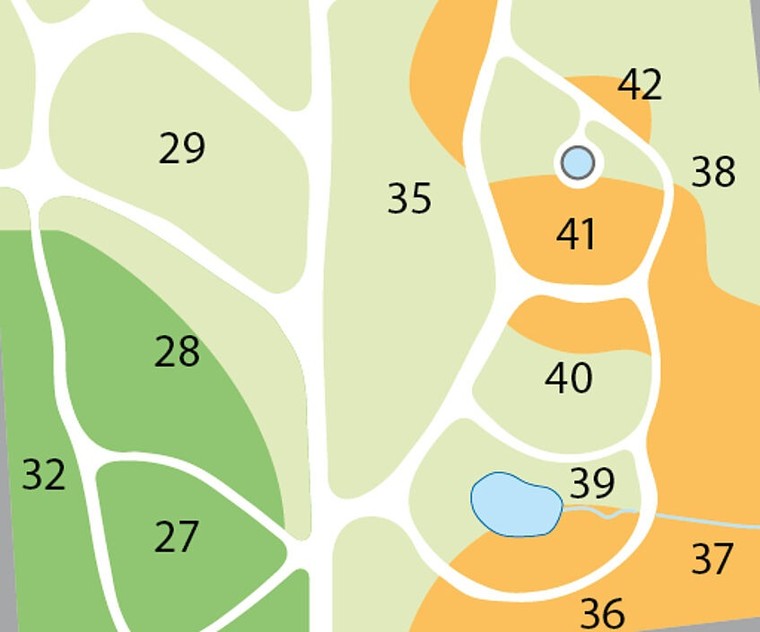
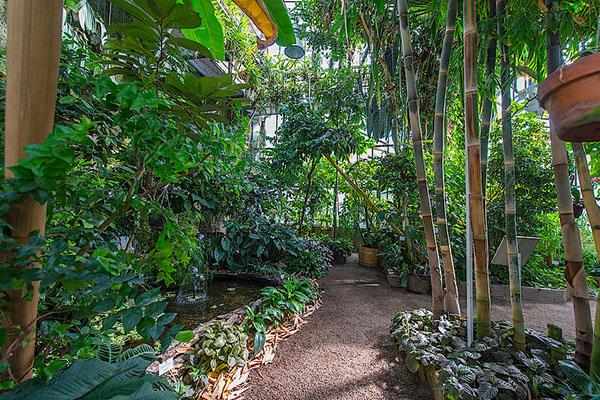
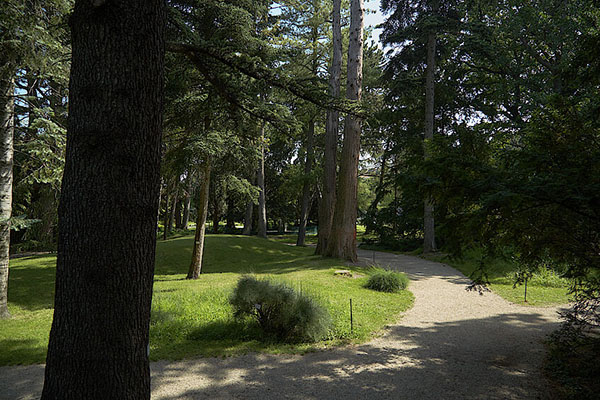
今天是生命科学学院的核心设施,隶属植物学与生物多样性研究系。2011 年 1 月成为该学院的中心单位(Core Facility Botanischer Garten),2019 年落成冬季也能使用的 Botanicum 展馆,可承办各类园艺活动。园内现有来自六大洲的一万两千多个植物种,是一座英式风景花园,兼有木本植物收藏、潘诺尼亚草原景观和温室群等,另有凤梨、兰花、咖啡、仙人掌及其他肉质植物的重点收藏,供科研和教学使用。
八组重点收藏
园方逐组公开了收藏规模与研究方向,各组括号里的属数与种数是全球总数,取自 Mabberley 的《The Plant-Book》第四版。
天南星科(119 属、6450 种):栽培 1200 多份材料、约 500 个分类群,来自近 70 个属,重点是块茎形成的类群,做分类学与授粉生物学研究。凤梨科(59 属、2975 种):3000 多份材料、约 1000 个分类群、近 50 个属,重点在凤梨亚科,用于分类、系统与系统发育研究。
羊茅属(Festuca,430 种):约 170 份材料,含 39 个种和 7 个栽培变种,集中在直接采自野外的中欧物种,是花卉生物学、形态学、细胞学与系统分类研究的基础。苦苣苔科(151 属、3525 种):约 90 份材料、60 多个分类群、近 30 个属,重点是旧大陆物种,做形态、细胞与系统研究,并探讨濒危物种的生态学。
兰科(全球约 2.6 万种):重点是石豆兰属(Bulbophyllum,1800 种)和 Pleurothallis 属(550 种)两个特化收藏。前者栽培 2600 多份材料、900 个分类群,后者约 150 份材料、近 100 个分类群,这些收藏既用于系统发育框架下的分子与形态研究,也用于 Bulbophyllum 属的 CITES 清单工作。茜草科(约 576 属、约 1.2 万种):约 150 份材料、190 个分类群、70 个属,是系统、形态、细胞研究以及关键分类群修订的基础,与比利时国家植物园(在 Meise)保持频繁的收藏交换。
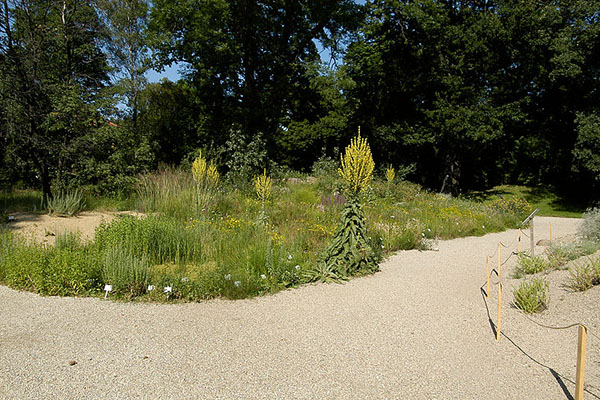
另有两组是按生境而非科属划分的。蛇纹岩植物群约 40 份材料、30 个分类群,采自奥地利不同的蛇纹岩产地,园子南部有展示区;潘诺尼亚平原植物群约 220 个分类群、340 份材料,是奥地利东部各种干旱植被类型的活体收藏,展示区同样在园子南部。后者意在唤起人们对国内干旱地带的普遍威胁的关注,同时充当若干高度濒危物种的迁地基因库,其种群动态可以在展示组中研究。
数据库与研究项目
园方建有三个数据库:石豆兰图片数据库、植物园的植物数据库(JACQ)和孢粉学数据库(PalDat),后者收录 4434 个种、1774 个属,图片三万五千余张。研究方面,基础研究与保护项目包括 Artemisia、Bulbophyllum、Lifeplan、Melastomataceae、PhenObs、PAVOG 等课题,另有 Aquilegia Big Picnic、Dracocephalum、新近入侵植物、杨属和沙丘等方向,园里的 Erhaltungsprojekte(保护项目)单列一项。
园子也是野生动物的栖息地。野生蜂有 130 种,鸟类 64 种;园方列出的动物有松鼠、狐狸、雁鸭,还有火蝾螈、蛇、青蛙等两栖爬行类。为与这些动物和平共处,园方定了三条规矩:禁止投喂、不要随意靠近动物、不允许抚摸,家长要照看孩子。禁喂的理由是园内植物种类繁多,从野蜂到哺乳动物都有足够的食源,额外投喂没有必要;而且投喂会让野生动物失去对人手的戒备,原本被觉得「可爱」的松鼠可能变得黏人甚至有攻击性;错误的食物和过量投喂也会损害动物健康。
开放时间与门票
园子有四个入口:主入口、Alpengarten 入口、Reitertor 入口和 Jacquintor 入口。入园免费,但出于安全考虑遇到大风、暴雨、积雪结冰等情况会临时关闭,冬季大风时还要先检查树木受损情况。开放时间为周一到周日全天,1 月 10 点到 16 点,2 到 3 月和 10 月 10 点到 17 点,4 到 9 月 10 点到 18 点,11 到 12 月 10 点到 16 点,12 月 24 日到 1 月 6 日闭园。Alpengarten 与 Reitertor 两个入口比主入口晚开 15 分钟、早关 15 分钟,Jacquintor 入口 10 点半开、比主入口早关 30 分钟,春季和秋季天气不好时这个入口即便在其余入口开放时间内也可能关闭。园内禁止带狗和自行车,也不允许跑步。
每年四月园子会办珍稀植物市集(Raritätenbörse),2027 年的场次定在 4 月 16 日到 18 日,9 点半到 18 点,游人可以在那几天买到大量流通之外的珍稀植物,也能见到许多特色品类摊位。市集期间有适合家庭和孩子的动手项目,园方的绿色学校与维也纳市合作组织,还有多处餐饮供应。门票 2026 年的价格是:日票 8.50 欧元(优惠票 6.50 欧),两日票 12.50 欧。
植物之友协会
植物之友协会成立于 1991 年,宗旨是给植物园提供不官僚又快速的支援,并让到访者能拿到更多资讯和活动安排。会员每年会收到四到五次邮寄,内容包括植物学研究所的活动通知、园里的特别之处和其他让人惦记的活动;每年另有两到三次(另行通知后)温室导览、植物园特别导览以及维也纳周边半日导览,导览和特别开放日对会员免费。会员费按身份分为学生 18 欧元、普通会员 35 欧元、家庭 60 欧元、机构 75 欧元、赞助会员 350 欧元、创办人 3500 欧元。
园子的地址和联系方式在站上的联系页,写到维也纳市一级;门牌号、电话、传真、邮箱和银行账户这些细节不在文章里重复。参观、导览和市集的具体安排建议先看站上的日程与联系页。
From a Medicinal Garden to a Research Institution
The Botanical Garden of the University of Vienna began as a classroom garden for a medical faculty. In 1754 Empress Maria Theresa, on the advice of her personal physician and the dean of medical studies Gerard van Swieten, bought about two hectares of land on the Rennweg and laid it out as a medicinal plant garden, a Hortus Medicus, so that students could have practical lessons in botany. Robert Laugier (1722–1793), then living in Vienna, was commissioned with the planning and design, became the first garden director and at the same time held the newly created chairs of botany and chemistry. The first plants came from the gardens of Schönbrunn and Belvedere, the open ground was laid out according to the Linnaean system, and the first two greenhouses were built. After Laugier retired in 1768, Nikolaus Joseph von Jacquin (1727–1817) took over the garden and the two chairs, and the medicinal garden developed steadily into a scientifically oriented botanical garden while Jacquin also promoted new developments in garden cultivation, such as growing plants in the open. The large plane tree in front of the institute and the ginkgo beside it date from that time.
His son Joseph Franz von Jacquin (1766–1839) took over in 1796. Around 1800 Emperor Franz I made about 5.8 hectares adjoining the old garden on the south available for use, and work on the new garden began a year later; the number of species soon grew to some 8,000. When Jacquin died, Stephan Endlicher (1804–1849) took over the chair of botany and the garden directorship in 1840. Following the natural system he had set out in his Genera Plantarum, a complete redesign of the open ground began in 1841; an officinal section of 196 beds was created on the old garden area, and the Botanical Museum was erected to its south in 1844. The garden held 8,186 species in 1840. Eduard Fenzl (1808–1879), who had already worked with Endlicher, became garden director in 1849 and continued the redesign with the help of the head gardener Josef Dieffenbach; by then there were four greenhouses. Anton Kerner von Marilaun (1831–1898) was put in charge in 1878. He developed the plant-geographical groupings in parts of the old garden, a concept unique in Europe at the time, extended the plantings made by Endlicher and Fenzl in the new garden and reorganised what was there along plant-geographical lines. Building a new street from 1883 to 1890 reduced the garden area to about 6 hectares, and a new officinal section was laid out along the new street. In 1889 the part of the university then in use, the new garden, was given to the university and thus to the garden.
Between 1890 and 1893 the great greenhouse complex was built and the plants moved out of the old houses. The garden then had four divisions: the plant-geographical and plant-systematic sections, the greenhouse section and the reserve garden. Richard von Wettstein (1836–1931) took over the direction in 1898, a year after Kerner’s death; the plant-geographical groups were tended with great care and further extended, the Botanical Institute was rebuilt and the biological groups established. In 1930 the garden was given the use of the Host’s garden, the part that had once served as the private garden of the heir to the throne, Archduke Franz Ferdinand; it is named after Nikolaus Thomas Host, a pupil of Nikolaus von Jacquin who had laid out a garden there of the Flora austriaca. After Wettstein’s death in 1931 Fritz Knoll was appointed director, and it was probably around the start of his time in office that the rebuilding of the alpinum began. Both the open ground and the greenhouses were badly damaged during the Second World War. Damage to the Botanical Museum was so severe that it had to be demolished, and more than 200 trees had to be felled. The postwar directors were Heinrich Lohwag (1945), Josef Kisser (1945–1946) and Lothar Geitler (1947–1969), and through the 1970s the work was clearing war damage, restoring the divisions and building up plant collections. Friedrich Ehrendorfer was garden director from 1970 to 1995; he opened the Host’s garden to visitors at the beginning of his term, built an experimental house and extended the experimental open-ground areas, and had the institute building and parts of the greenhouses comprehensively renovated. Michael Hesse led the garden from 1995 to 1997, carrying the renovation work on the greenhouses forward successfully. Tod Stuessy was director from 1997 until the end of 2005, during which the group for the Flora von Österreich was significantly expanded and developed into a modern installation for integrated ex situ conservation. The garden celebrated its 250th anniversary in 2004. Michael Kiehn has been director from 2006 to 2024. In January 2011 the garden became a central unit of the Faculty of Life Sciences and is now the Core Facility Botanischer Garten. In 2019 the Botanicum was completed, a winter-proof pavilion used for a wide range of garden events.
Today the garden is a core facility of the Faculty of Life Sciences, part of the Department of Botany and Biodiversity Research. More than 12,000 plant species from six continents grow here, in what is essentially an English landscape garden with plants and their most important relatives, a collection of woody species, a Pannonian steppe landscape, greenhouses and many other features. Particular collections of pineapples, orchids, coffee, cacti and other succulents are kept for research and for training students.
Eight Collections in Focus
The garden publishes the size and research direction of its special collections. The figures in brackets are global totals taken from the fourth edition of Mabberley’s The Plant-Book.
Aroids, Araceae (119 genera, 6,450 species): more than 1,200 accessions in about 500 taxa from nearly 70 genera are in cultivation, with the focus on tuber-forming taxa, and the plants serve as research objects in taxonomic and flower morphology studies. Pineapples, Bromeliaceae (59 genera, 2,975 species): over 3,000 accessions in about 1,000 taxa from around 50 genera, focused on the subfamily Tillandsioideae, used for taxonomic, systematic and phylogenetic studies.
Fescues, Festuca (430 species): somewhere around 170 accessions comprising 39 species and 7 varieties are cultivated, most representing Central European species collected in their natural habitats, forming the basis for investigations in flower biology, morphology, cytology and systematics and taxonomy. Gesneriads, Gesneriaceae (151 genera, 3,525 species): about 90 accessions comprising over 60 taxa from around 30 genera, with the focus on Old World species, for morphological, cytological and systematic studies and for work on the ecology of endangered species.
Orchids, Orchidaceae (about 26,000 species): the specialist collections concentrate on Bulbophyllum (1,800 species) and Pleurothallis (550 species). Bulbophyllum is cultivated with over 2,600 accessions of 900 taxa, and Pleurothallis with about 150 accessions of about 100 taxa. These collections are used for molecular and morphological studies in a systematic-phylogenetic context, and equally for the work on the CITES checklist for the genus Bulbophyllum. Rubiaceae (about 576 genera, about 12,000 species): about 150 accessions of 190 taxa from 70 genera are in cultivation, a basis for systematic, morphological and cytological studies and for revisions of critical taxa, with regular exchange of collections, especially Old World species and duplicates, with the National Botanic Garden of Belgium at Meise.
Two further groups are defined by habitat rather than family. The serpentine flora holds about 40 accessions of some 30 taxa collected at various serpentine sites in Austria, with a display group in the southern part of the garden showing some of the highly specialised and rare taxa of this unusual site. The Pannonian flora comprises about 220 taxa in around 340 accessions from the various dry vegetation types of eastern Austria, the Pannonian floral province, with its display group also in the southern part of the garden. It aims to draw attention to the widespread threat to native dry habitats, and it also represents an ex situ gene pool for several strongly endangered species, whose population dynamics can be studied in the group.
Databases and Research Projects
Three databases are maintained: a photo database for Bulbophyllum, the garden’s plant database JACQ, and the palynology database PalDat, which holds 4,434 species, 1,774 genera and 35,185 images. On the research side, the projects in basic research and conservation in which the garden is involved include Artemisia, Bulbophyllum, Lifeplan, Melastomataceae, PhenObs and PAVOG, alongside further subjects such as Aquilegia Big Picnic, Dracocephalum, neophytes, Populus and sand dunes; the conservation projects have a section of their own.
The garden is also an important habitat for wildlife, with 130 species of wild bees and 64 bird species; the animals listed include squirrels, foxes and ducks, along with amphibians and reptiles such as fire salamanders and snakes. Three rules govern how visitors treat the animals: feeding them is forbidden, wild animals should be given space, and touching them is not permitted, with parents responsible for their children. The reason for the ban on feeding is the extraordinary plant diversity here, which already provides enough food for a large number of animals, from wild bees to mammals, so additional feeding is neither necessary nor sensible; feeding can also make wild animals lose their shyness, which can have unpleasant consequences, and animals thought cute, squirrels for instance, can become pushy and aggressive once accustomed to regular feeding and, in the worst case, bite. Wrong food and excessive feeding also harm the animals’ health.
Opening Hours and Tickets
The garden has four entrances: the main entrance, the Alpengarten entrance, the Reitertor entrance and the Jacquintor entrance. Entry is free, though for safety reasons the garden is occasionally closed, and in high winds a check is made for damage to trees before it reopens. It is open every day of the week, and on public holidays too: 10am to 4pm in January, 10am to 5pm in February and March and in October, 10am to 6pm from April to September, and 10am to 4pm from November to December, with the garden closed from 24 December to 6 January. The Alpengarten and Reitertor entrances open 15 minutes later and close 15 minutes earlier than the main entrance; the Jacquintor entrance opens at 10:30 and closes 30 minutes before the main entrance, and in bad weather, particularly in spring and autumn, it may stay shut even while the other entrances are open. Dogs and bicycles are not permitted in the garden, and running is not allowed.
Each April the garden holds a rare plant fair, the Raritätenbörse; the 2027 dates are 16 to 18 April, 9.30am to 6pm, and visitors can buy unusual plant rarities well away from the mass market for garden, balcony or raised bed. Numerous sellers of selected rarities and special assortments are there to advise on choosing the right plants, and everything from wildflowers, vegetables, perennials and woody plants to cacti and bromeliads can be found. For families and children the garden’s Grüne Schule, supported by the city of Vienna, runs a hands-on programme, and several food and drink options are on hand. Ticket prices for 2026 are 8.50 euros for a day ticket, 6.50 reduced, and 12.50 euros for a two-day pass.
The Friends of the Garden
The association of the Friends of the Botanical Garden was founded in 1991 and has two main aims: to support the garden in an unbureaucratic and speedy way, and to give visitors more information and events. Members receive four to five mailings a year pointing to events at the botanical institute, to particular features in the garden and to other interesting dates, and there are two to three greenhouse tours a year on announcement, special tours of the botanical garden, and half-day tours of the Vienna area, with free entry to tours and special openings. Membership fees are 18 euros for students, 35 for ordinary members, 60 for families, 75 for organisations, 350 for supporters and 3,500 for founders.
The address and contact details are on the site’s contact page, and are given here down to the city of Vienna; the house number, telephone, fax, email address and bank details are not repeated. For visits, tours and the fair, checking the site’s calendar and contact pages first is the quickest route.





发表回复