

一家从北荷兰走出来的球茎出口商
Zabo Plant 1984 年在荷兰北荷兰省的 Zand 成立, 做的是百合种球和马蹄莲块茎的出口。按公司自己的说法, 它是荷兰最大的五家百合种球出口商之一。站上的介绍写得很直白: 每年有数百万颗球茎从这里发往世界各地。
买球茎的主要是专业做盆栽和切花的种植者, 不是园艺零售店。公司位置在北荷兰的花球产区, 育种者、种植户和出口商都在这一带。球茎收进来先进冷库做处理和储存, 这套冷链是站上反复提到的重点。
公司由 Kneppers 兄弟三人创办, 现在的股权由健在的那位创办人兄弟和另外三位合伙人共同持有, 共同所有人 Jacob Langelaan 是其中之一, 在这里做了将近三十年。据荷兰花卉行业媒体的访谈, 早年在当地的商业周刊上, Jacob Langelaan 提到 Frits Kneppers 背着包装样品去日本闯市场, 公司就这样在海外站住了脚, 后来的美国市场, 再到如今的中国和越南, 都是一步一步走出来的。
六个品类, 三百多条目录
产品目录按用途分成六条线: 盆栽百合、切花百合、盆栽马蹄莲、切花马蹄莲、唐菖蒲, 还有 Eucomis。按站上分页数算, 切花百合最多, 216 条; 盆栽百合 54 条, 盆栽马蹄莲 40 条, 切花马蹄莲 36 条, 唐菖蒲 23 条, Eucomis 6 条, 合计 375 条。同一个品种名在盆栽和切花两个用途下会各列一次, 去掉重复之后是 345 个不同品种。
每个条目都能按花色、品牌、香味、是否无粉、品种群、栽培周期和株高筛一遍, 目录里还带着颜色分组和栽培周期分组, 种植者可以对着自己温室的条件挑货, 而不是一份几百条的清单从头翻到尾。
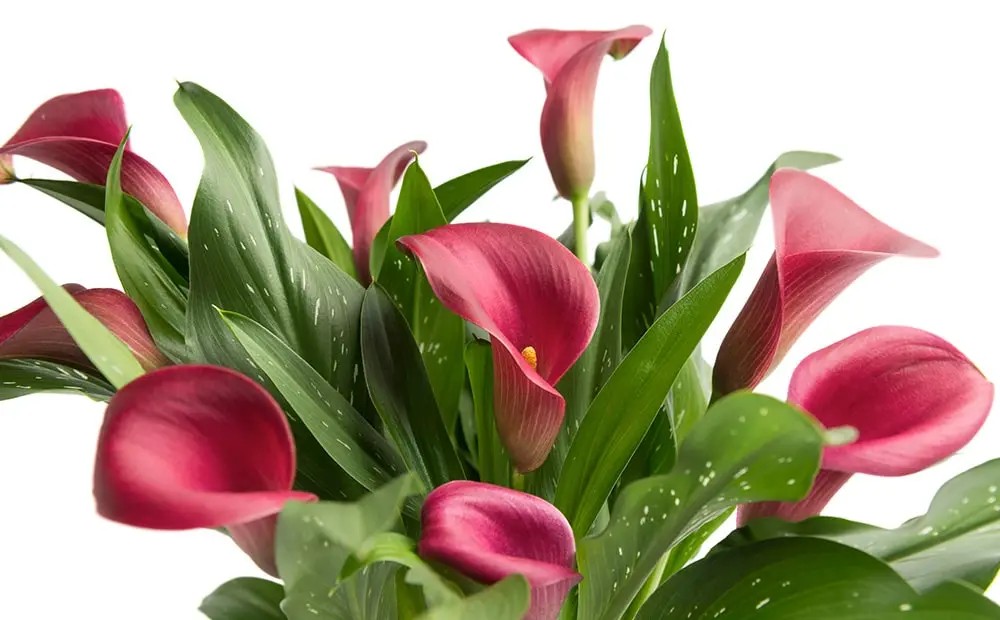
目录里还有几条自家的品牌线。Prisma Gladiolus 是唐菖蒲品牌, 2009 年由 Hans、Jan 和 Tinus 三位种植者起步做育种, 2024 年被 Zabo Plant 接手, 育种、种植和出口一并收进来。NewComis 做的是 Eucomis, 公司是 Eucombi Growers Group 那几组 Eucomis 线的独家代理, Aloha 系列 2025 年起供应三个品种, 花期能开到 50 天。Calla Nova、Pura Vida、Bloomlily、TwinFlame 各有各的定位, 比如 Pura Vida 是本地育种商 Van Lierop 做的重瓣盆栽百合, Bloomlily 除了种球还提供组培苗和鳞片。Callas 是 2018 年才加进产品组合的, 理由写在站上: 花形少见, 花色齐全, 瓶插期够长, 那一年原 Sande 团队的马蹄莲专家也一并加盟。
Roselily 和 Lily Looks: 撑起货架的两个品牌
Roselily 是重瓣无粉的百合, 1993 年开始育种, 由十五家花球种植户组成的合作社在做, 繁殖用的种球先保证不带病毒, 出来的花百分之百重瓣, 花粉基本不沾。这条线从品牌创立起就由 Zabo Plant 做代理, 公司参与了选种、测试和推广的全过程。
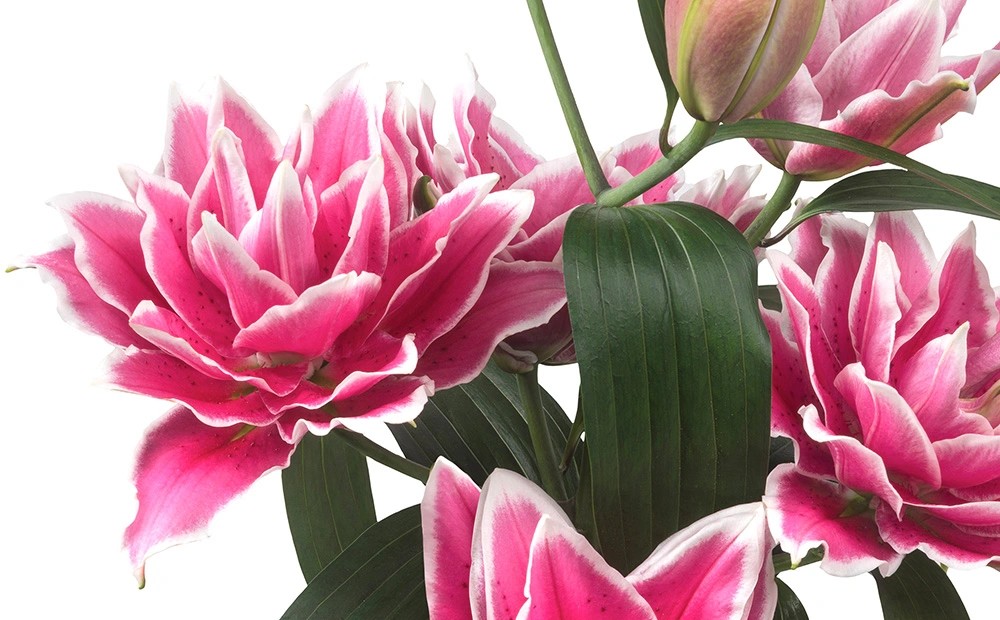
Lily Looks 是盆栽百合品牌, 站上写它是全球盆栽百合里销量第一的那个。育种方是 Wetering 的盆栽百合苗圃, 品种要先在那里过测试: 开花能力、运输途中能放多久、遗传上的矮化程度、生长速度, 四项都过关才收进来。公司是这个品牌的出口合作方, 按 Jacob Langelaan 的说法, 他们是最早把品牌这个概念做出来的花球公司, 先做的是 Lily Looks, 之后才有了 Roselily, 这两个品牌到现在还是公司的两根支柱。
商品名下的系列分得很细, 有 Tiny、Sensation、Double、Sunny、Summer 和 Longiflorum 等, 花色和用途各不相同。公司在这一环做的事, 是把过测试的种球按时令备好, 运到世界各地的种植者手里, 同时把各地区收集到的种植反馈带回给育种者。品种名单每季都会按各产区的实际表现重新排一次。
智利的苗圃和匹兹堡的分公司
2013 年, 公司在智利瓦尔迪维亚设了合资苗圃 Valdivia Lilies, 接手的是 Juan Sone S.A. 的苗圃和设施; 按 Jacob Langelaan 的说法, 这家苗圃由公司与荷兰育种商 Gebr. Vletter & Den Haan 共有。智利在南半球, 生长季跟荷兰正好错开。球茎入库以后先在冷库里把淀粉转成糖再慢慢消耗, 等荷兰的存货见底, 智利这一批正好接上, 供货因此能一年一年不断。按他的说法, 这座苗圃每年收成不少于八十公顷的球茎, 而且都保证不带病毒, 公司自己在智利种的一年生百合大约七十公顷。
智利的球茎大约六七月出货, 在荷兰十月下地, 赶得上情人节那阵子的需求。北美这一侧由 2000 年成立的 Zabo Plant Inc. 负责, 落在美国宾夕法尼亚州匹兹堡, 做的是温控储存和更快的发货, 让北美客户不用绕一圈欧洲。

2024 年 7 月, 公司上线了面向美国的在线订单流程, 可以从在库货里直接下单, 两个月左右送达, 也能提前预订下一季的货, 价格由荷兰总部统一下发。
一年怎么排货, 货怎么订
订货按季节分三档: 上一季的货常有折扣, 本季的价格已经确定, 下一季只能预订, 价格先给估算, 到货前还可能调。欧盟客户和美国客户的运费算法不一样, 前者在结账时就算得出大概的运费, 后者要等订单完成才确认最终金额。下单前得先申请一个账号。
栽培资料是公开的, 站上能下载马蹄莲盆栽和切花的两份栽培指南、2023 年版的花球指南, 以及销售条款和目录。荷兰百合日期间公司会开门迎客, 2026 年 6 月那几天, 来自世界各地百合行业的访客可以来看最新品种, 也能听到公司在能源、物流和包装材料上的做法。
出货量方面, Jacob Langelaan 给过一个换算: 荷兰这边一年七十万箱, 智利再加二十万箱。2025 年那一季, 公司处理球茎的量创了历史新高, 站上的说法是这是破纪录的一年, 重点放在品质、物流和及时入库休眠上。
A Dutch bulb exporter from North Holland
Zabo Plant was founded in 1984 in Zand, in the Dutch province of North Holland, and trades in lily bulbs and calla tubers. By the company’s own account it is one of the five largest lily bulb exporters in the Netherlands. The description on its own site is plain about scale: millions of bulbs leave the place every year, bound for buyers all over the world.
Those buyers are mainly growers who work with pot plants and cut flowers, not garden retail. The company sits in the North Holland bulb area, where breeders, growers and exporters all work in the same stretch of country. Bulbs arrive, go into the cold stores for processing and storage, and that cold chain is the part the site keeps coming back to.
The company was started by the three Kneppers brothers. It is now owned by the one founder brother still with them plus three partners, one of whom is co-owner Jacob Langelaan, who has been in the trade here for close to thirty years. In an interview with a local business weekly he recalled how Frits Kneppers first went to Japan with bulbs in a backpack and got the company onto overseas markets, with the United States coming later and China and Vietnam now mattering a great deal.
Six lines, a catalogue of over three hundred
The catalogue is split by use into six lines: lilies for pots, lilies for cutting, callas for pots, callas for cutting, gladiolus and Eucomis. Counting the entries, cut lilies lead with 216; pot lilies run to 54, pot callas 40, cut callas 36, gladiolus 23 and Eucomis 6, for 375 entries in total. A variety listed for both pot and cut use appears twice, and with those duplicates removed there are 345 different varieties.
Every entry can be filtered by colour, brand, scent, whether it is pollen free, group, cropping time and height, and the catalogue carries colour and cropping-time groupings as well, so a grower can narrow the list against the conditions in a particular greenhouse instead of working through several hundred rows from the top.
Several of the lines are house brands. Prisma Gladiolus is a gladiolus label started in 2009 by three growers called Hans, Jan and Tinus and taken over by Zabo Plant in 2024, which brought cultivation, breeding and export in-house. NewComis covers Eucomis, where the company is the exclusive dealer for the Eucomis lines grown by the Eucombi Growers Group; the Aloha Series has been available since 2025 with three varieties, and blooms carry on for up to 50 days. Calla Nova, Pura Vida, Bloomlily and TwinFlame each have their own angle: Pura Vida is a double pot lily bred by the local breeder Van Lierop, and Bloomlily supplies tissue culture and scales alongside bulbs. Callas only joined the portfolio in 2018, and the reason given on the site is the look of the flower, the range of colours and the length of the vase life; the calla specialists of the former Sande team joined the company in the same year.
Roselily and Lily Looks, the two brands on the shelf
Roselily is the double, pollen-free lily. Breeding started in 1993 and is run by a cooperative of fifteen flower bulb growers, with virus-free starting material as the first requirement; the flowers come out fully double and barely carry any pollen. Zabo Plant has been the dealer for the brand since it launched, involved in selecting, testing and marketing the new varieties.
Lily Looks is a pot lily brand, which the site calls the number one pot lily in the world. The breeder behind it is Wetering’s pot lily nursery, and varieties have to pass tests there first: flowering capacity, how long they hold up in transport, genetic compactness and growth rate, and only those that pass are taken on. The company is an export partner for the brand, and according to Jacob Langelaan it was the first flower bulb company to push branding at all, starting with Lily Looks and later applying the same approach to Roselily, which remain the two pillars of the business.
The range below the brand name is finely divided, with Tiny, Sensation, Double, Sunny, Summer and Longiflorum among the series, each with its own colours and use. What the company does in that chain is to have the tested bulbs ready in season, move them to growers worldwide, and carry the growing feedback collected in different regions back to the breeders. The list of varieties is worked over again every season on the basis of how they perform in each growing area.
A nursery in Chile and a branch in Pittsburgh
In 2013 the company set up a joint-venture nursery, Valdivia Lilies, in Valdivia in Chile, taking over the nurseries and facilities of Juan Sone S.A.; according to Jacob Langelaan the nursery is owned together with the Dutch breeder Gebr. Vletter & Den Haan. Chile is in the southern hemisphere, so its growing season runs opposite to the Dutch one. After storage, a bulb converts the starch in its scales into sugar and burns through it slowly; once the Dutch stock runs down, Chilean stock takes over, and supply continues year after year. He put the harvest at no less than eighty hectares of virus-free bulbs a year, with roughly seventy hectares of one-year lilies grown by the company itself.
Chilean bulbs come available around June and July, are planted in the Netherlands in October, and land in time for demand around Valentine’s Day. North America is handled by Zabo Plant Inc., set up in 2000 in Pittsburgh, Pennsylvania, which provides conditioned storage and faster shipping so that American buyers do not have to route through Europe.
In July 2024 the company brought an order flow live for the United States, letting customers order straight from live stock with delivery in around two months, reserve bulbs for the following season in advance, and receive prices set centrally by the head office in the Netherlands.
How the year is planned, and how to order
Ordering runs by season in three bands: stock from the previous season is often discounted, prices for the current season are fixed, and the next season can only be reserved, with an estimated price that may still move before the bulbs arrive. Shipping is worked out differently for EU and US customers; for the European side an approximate cost is calculated at checkout, while American customers get the final figure once the order is complete. An account has to be requested before ordering.
The growing information is public. Two cultivation guides are available on the site, one for pot callas and one for cut callas, along with a 2023 flower bulb guide, the sales terms and the catalogues. During Dutch Lily Days the company opens its doors, and it did so again over the first days of June 2026, when visitors from the lily industry worldwide came to see the newest varieties and hear what the company is doing on energy, logistics and packaging materials.
On volume, Jacob Langelaan gives a conversion: some seven hundred thousand crates a year from the Netherlands, plus another two hundred thousand from Chile. The 2025 season was the largest bulb volume the company has ever processed, which the site calls a record year, with the emphasis on quality, logistics and timely dormancy.
相关文章:
 荷兰Van den Bos花卉球茎公司 – 对于专业的花卉种植者和进口商业来说,”荷兰Van den Bos花卉球茎公司”是从事百合、小苍兰及马
 荷兰 百合公司 Lily Company B.V. – 北荷兰百合球茎育种与全球出口商
 荷兰 斯滕沃登球茎 C. Steenvoorden – 荷兰覆盖五十余国的球茎出口商
 荷兰 博特球茎花卉公司 Bot Flowerbulbs – 北荷兰球茎预处理全球出口商
 荷兰 Unex Inc. – 荷兰花卉种球与多年生植物出口领域的领先企业
 荷兰 霍普曼 P. Hopman – 荷兰百年球茎出口商
 荷兰 弗莱特与登汉百合苗圃 Vletter & Den Haan – 全球百合育种市场领导者
 加拿大 BRECK’S 球茎苗圃 – 1818 年荷兰直采 200+ 年家族邮购批发分销品牌
发表回复