
从进口百合做起
公司的全名是 Gebr. Vletter & Den Haan,荷兰人一般就叫它 Vletter & Den Haan,厂址在荷兰西部的 Rijnsburg,属南荷兰省。公司做百合是从进口起步的:上世纪六十年代,先把别处育好的球根买进来转手卖。做久了才自己动手,开始挑材料、配组合、做繁殖,生意一步步从买卖转到育种和种球繁育上。按公司自己的说法,现在是全球百合育种的市场领导者。眼下主要做两件事,一是百合育种,二是百合种球的繁殖和销售。
八个群组,三百多个品种
他们的品种目录按花型分成八组:LO 杂交系、亚洲百合、东方百合、铁炮百合、OT 杂交系、LA 杂交系,另外还有“其他”和重瓣百合各一组。品种名后面基本都带 ®,是注册过的名字。把站上的目录一页页翻下来,能数出三百六十多个品种名,从 A 开头的 Acadia 一直排到 Z 结尾的 Zeba。重瓣百合单独列一组,花心不止一层花瓣。
挑品种,先看抗病和耐放
选育的时候不只看花型和花色。公司讲得很直白:新花型新颜色之外,还要看抗病性,看花和种球能放多久。这几项不过关,花再好看也走不到上市那一步。育成一个新品种慢得很,从做杂交到能拿出去卖,最长要二十年,中间要过好几轮筛选和淘汰。

整个育种、催花、生长到开花的过程,都在自家的实验室和温室里反复测。定下来的品种还会送到荷兰、意大利、日本、法国和美国的催花企业手里各种一遍,看换个人、换个地方表现还稳不稳。
GenNovation 与分子标记
2017 年,公司和 Anthura、Florensis、Dekker Chrysanten 三家育种企业一起成立了 GenNovation,把分子标记这块单独拎出来做。2020 年 3 月,GenNovation 在瓦赫宁根的 Agro Business Park 开了自己的分子实验室,用 DNA 标记在幼苗阶段就判断抗性——拿镰刀菌来说,不等植株长大,苗期就能筛掉不抗病的材料。
2023 年,公司和 Dekker Chrysanten 又做了一套预测系统,把含几千个标记的图谱对上数千个菊花品种的田间表现,用来判断哪些亲本值得往下配。项目由北荷兰省支持。这套东西现在是给菊花做的,但同一套思路用在百合上,方向是一样的。
三千平方米展示温室与合约种植网
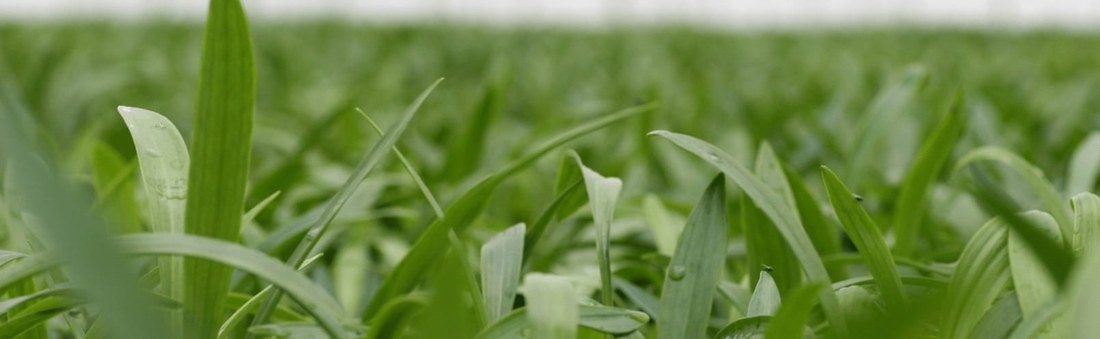
每年春天,公司在 Rijnsburg 的展示温室对外开放。三千平方米的温室里摆着两百多个新百合品种,主要是东方百合、OT 和 LA 三类。开放时间从四月二十九日到六月七日,工作日分两段:上午七点到十二点半,下午一点半到五点,公司的专家在棚里,可以陪着一起看、一起问。
品种的繁殖并不都在自家做。全球有一百五十多家球根种植商按合同或授权种他们的品种,分布在北美、中南美、欧洲、亚洲、非洲和澳洲,各大洲都指定了经销商。每年六月的荷兰百合日,十三家荷兰百合苗圃一起开门,他们的温室也是其中一站。公司还做了一个手机应用,品种、经销商名录和公司新闻都放在里面,iOS 和安卓都能装。
Starting Out as an Importer
The company is Gebr. Vletter & Den Haan, usually shortened to Vletter & Den Haan, and it sits in Rijnsburg in the western Netherlands, in the province of South Holland. The business started out as an importer: in the 1960s the firm bought bulbs grown elsewhere and traded them on. Only later did it start doing the work itself, selecting material, making crosses and propagating, so that the trade gradually turned into breeding and bulb propagation. By the company’s own account it is now the world market leader in lily breeding. Two things occupy it today: breeding lilies, and propagating and selling lily bulbs.
Eight Groups, More Than Three Hundred Varieties
The catalogue sorts the range into eight groups: LO hybrids, Asiatics, Orientals, Longiflorums, OT hybrids and LA hybrids, plus a group for the rest and one for double-flowered lilies. Nearly every name carries an ®, meaning it is a registered variety. Paging through the catalogue turns up more than three hundred and sixty variety names, running from Acadia at the A end to Zeba at the Z end. Double-flowered lilies have a group of their own, with more than a single layer of petals in the centre of the flower.
Disease Resistance and Keeping Quality First
Flower shape and colour are not the only things looked at when a variety is selected. The company is quite direct about it: beyond new forms and new colours, what counts is resistance to disease and how long the flowers and bulbs will keep. A variety that falls short on those points does not reach the market, however good it looks. Breeding a new variety is slow work; from the first cross to a plant that can be sold takes up to twenty years, with several rounds of selection and rejection along the way.
The whole process, from breeding through forcing and growth to flowering, is tested over and over in the company’s own laboratory and greenhouses. Varieties that make the cut are also sent to forcing companies in the Netherlands, Italy, Japan, France and the United States to be grown once more, checking that they hold up in other hands and other places.
GenNovation and Molecular Markers
In 2017 the firm set up GenNovation together with three other breeders, Anthura, Florensis and Dekker Chrysanten, to handle molecular markers as a separate operation. In March 2020 GenNovation opened its own molecular laboratory at the Agro Business Park in Wageningen, using DNA markers to judge resistance at the seedling stage. With fusarium, for instance, susceptible material can be screened out while the plants are still small.
In 2023 the company and Dekker Chrysanten built a prediction system that matches marker profiles of several thousand markers against the measured field performance of thousands of chrysanthemum varieties, to judge which parents are worth crossing. The project was supported by the province of North Holland. It was developed for chrysanthemums, but the same approach points the same way for lilies.
A Three-Thousand-Square-Metre Greenhouse and a Contract Network
Every spring the company opens its show greenhouse in Rijnsburg. Three thousand square metres hold more than two hundred new lily varieties, mostly Orientals, OT hybrids and LA hybrids. It is open from 29 April to 7 June, on working days in two stretches, seven to half past twelve and half past one to five, with the company’s specialists on hand to walk the beds with you and answer questions.
Not all propagation happens at home. More than a hundred and fifty bulb growers around the world grow the company’s varieties under contract or licence, spread across North America, Central and South America, Europe, Asia, Africa and Australia, with dealers appointed on every continent. Every June the Dutch Lily Days open thirteen Dutch lily nurseries to visitors, and this greenhouse is one of the stops. There is also a phone app, carrying the variety list, the dealer network and company news, for both iOS and Android.
相关文章:
 荷兰 Zabo Plant百合公司 – 专业园艺服务机构
 荷兰 百合日给百合企业带来强大的推动力
 荷兰 百合公司 Lily Company B.V. – 北荷兰百合球茎育种与全球出口商
 荷兰 斯滕沃登球茎 C. Steenvoorden – 荷兰覆盖五十余国的球茎出口商
 荷兰 德容百合公司 De Jong Lelies – 荷兰百合种球遍及五十多国
 荷兰Van den Bos花卉球茎公司 – 对于专业的花卉种植者和进口商业来说,”荷兰Van den Bos花卉球茎公司”是从事百合、小苍兰及马
 荷兰 Beekenkamp 园艺集团 – 面向全球园艺产业的综合集团
 加拿大 百合角苗圃 – 加拿大唯一专营百合的邮购苗圃
发表回复