

一八九八年的苗圃
玛斯沃德格公司的起点是一八九八年,创办人 Matthëus Verdegaal 在南荷兰省诺德韦克豪特开办自己的苗圃,最初种的是水仙和番红花,后来才添上郁金香和风信子。这几类球茎后来成了公司的主力,也把一家苗圃推成了球茎加工商和出口商。
三十年代,创始人动了自己出口的念头,第一个市场是英国。1940 年公司在英国设了分部,由他儿子 Simon 负责,主推自育的英格兰水仙,其中 Golden Harvest 品种最有名,让公司在英国球茎业里站住了脚跟。1952 年,公司从诺德韦克豪特搬到希勒霍姆,业务整个转向出口,之后又慢慢做到欧洲、亚洲和北美。
1938 年以销售代表身份加入的 A. van der Vlugt Sr.,1945 年进了管理层,他儿子在公司一直做到 2016 年底。如今公司由 Piet Goemans 和 John Jong 带着,种植前的准备、加工和发货都在南荷兰省福尔豪特的现代场地里完成,公司自己的说法是超过一百二十五年的球茎生意。
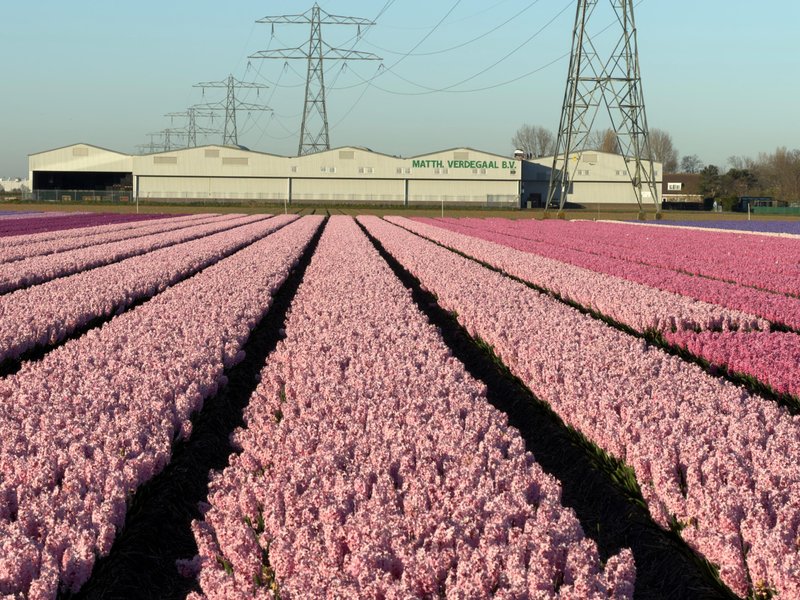
温度曲线决定开花日期
球茎自己不会按客户的意思开花,得先加工。公司给每一批货设计一套温度曲线,用来控制生根、发芽、茎的粗细和最后的开花日期。整个程序要走上几个月,差上一度,开花的日子就能前后挪上几个星期。
公司的控温室能做预冷、加热、冷冻、干燥,也能几样一起用,按不同气候区的种植者配出不同的程序。盆栽和切花、提前催花、延后收尾、批发交货,都能安排。做好的球茎可以在圣诞节、复活节、母亲节、情人节这些节点前送到客户手上,也赶得上零售旺季。
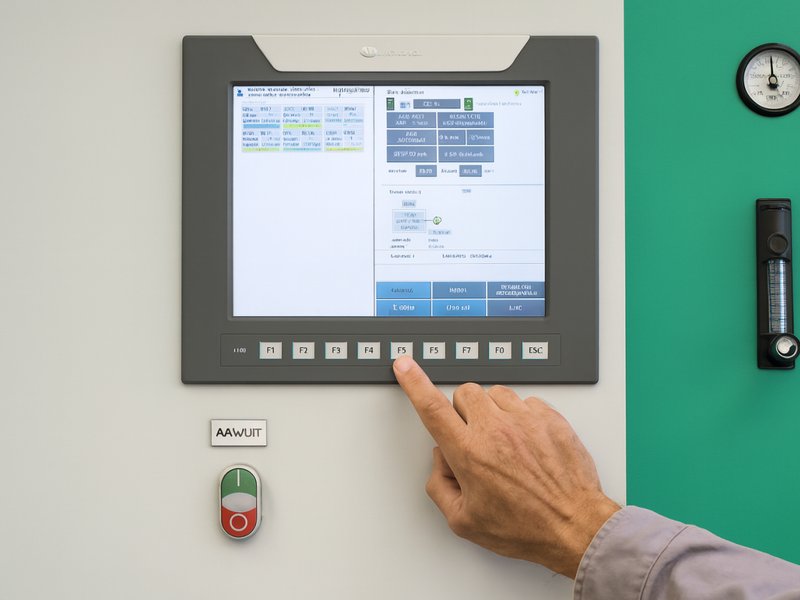
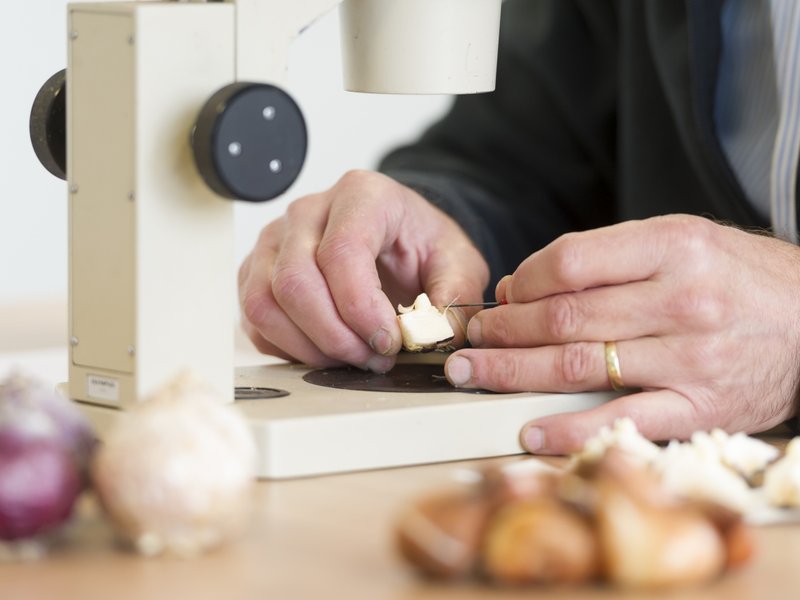
每一批球都要过两道检验
公司自己的技术人员先看一遍:球径多大、硬度如何、有没有病、发育到什么程度、整体状态好不好。
之外还有第二道:荷兰官方的球茎检验机构 BKD 会独立检验并出具正式证书。BKD 是这个行业里管植物健康和质量的一方,两道检验合在一起,客户才多一层保障。
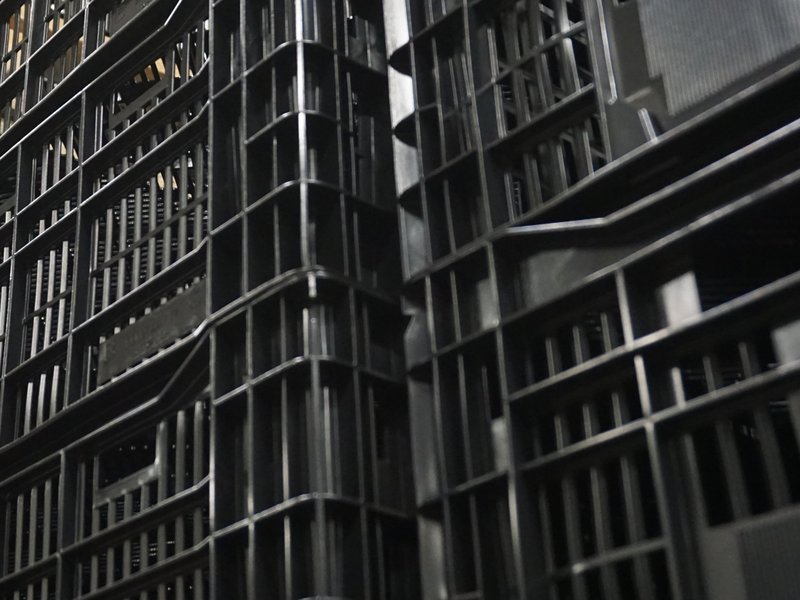
多温区的仓库,也替别人存货
仓库是公司的核心,分成多个温区,温度和湿度都能按需要调,配着自动监控程序、过滤气流、隔离墙和全天候的安防。预冷、加热、冷冻都能做,各个大大小小的库房可以按品种的具体要求定程序。
旺季之外,公司还把库房租给外面的公司存货,可以按月也可以按年。球茎对温度和湿度都敏感,一度之差、一点湿度差,开花时间和成色都会跟着变,所以这里的活计全靠盯着数据。
出口五十多个国家
球茎走陆路、空运或者海运发往世界各地,出口部门负责装箱、运输和报关文件。公司接入了荷兰政府的追溯登记系统 Ketenregister,出境的球茎一批一批都能查到,这样才符合各地最严的植物检疫要求。物流覆盖五十多个国家,旺季时每天有好几批货出厂。
货源上,公司和一批长期合作的种植户有稳定关系,合作范围从法国布列塔尼最早的一茬风信子,经过库肯霍夫周边的球茎产区,一直伸到荷兰北部的布雷兹兰。公司也是库肯霍夫的官方参展商,园子里有一块自己的展示区;品种清单一直在变,网站上还有各类球茎的科普介绍。
A Nursery Started in 1898
Matth. Verdegaal B.V. began in 1898, when Matthëus Verdegaal started his own nursery in Noordwijkerhout, in the province of South Holland. He planted mainly daffodils and crocuses first and added tulips and hyacinths later, and those crops gradually turned a small nursery into a processor and exporter.
In the 1930s the founder began to think about exporting on his own, and England was the first market. An English branch opened in 1940, run by his son Simon, who pushed the English Daffodils the company grew itself; the Golden Harvest variety was the best known of them and made the company a leading name in the British bulb industry. In 1952 the company moved from Noordwijkerhout to Hillegom and turned fully to exporting, later reaching Europe, Asia and North America.
A. van der Vlugt Sr. joined as a sales representative in 1938 and joined the management team in 1945; his son stayed with the company until the end of 2016. Piet Goemans and John Jong lead the company today, from a modern site in Voorhout where growing preparation, processing and shipping are all handled. The company puts its own history at more than 125 years in flower bulbs.
Temperature Curves Decide the Flowering Date
A bulb does not flower to order, so it has to be prepared first. The company works out a temperature curve for every batch, and that curve governs rooting, sprouting, stem strength and the final flowering date. The programme takes months to run, and every degree counts: a single degree can move the flowering date by weeks.
The climate chambers can pre-cool, heat, freeze and dry-treat, and they combine these treatments where needed, so growers in different climates get a programme made for their conditions. Pot production and cut flower production, early forcing, late finishing and wholesale delivery are all covered. The finished bulbs can reach customers ahead of Christmas, Easter, Mother’s Day and Valentine’s Day, and in time for the retail peak.
Two Inspections on Every Batch
The company’s own specialists look at each batch first: size, firmness, health, stage of development and general condition.
There is a second check as well. BKD, the Dutch flower bulb inspection service, inspects independently and issues an official certificate. BKD is the authority that watches plant health and quality in this sector, and the two checks together give customers an extra level of assurance.
Multi-Zone Stores, and Storage for Other Companies
The stores are the heart of the company. They are split into multiple zones with temperature and humidity set to suit the product, and they carry automated monitoring software, filtered airflow, isolation walls and round-the-clock security. Pre-cooling, heating and freezing are all possible, and each room can run a programme written for a particular variety.
Outside the peak season the company also rents space to other companies, by the month or by the year. Bulbs are sensitive to both temperature and humidity: a degree here and a percentage of moisture there shifts flowering time and quality, which is why the work is done by watching the numbers.
Export to More Than Fifty Countries
The bulbs travel by truck, by plane or by ship, and the export team handles packing, transport and the paperwork for import. The company is connected to the Dutch government’s Ketenregister, which makes every consignment that leaves the country traceable and keeps the shipments compliant with the strictest phytosanitary requirements. The logistics side covers more than fifty countries, and in the peak season several consignments leave every day.
On the supply side the company keeps long-standing relations with a group of growers, stretching from the earliest hyacinths in Brittany in France, through the bulb region around Keukenhof, up to the growers in the Breezand area in the north of the Netherlands. The company is also an official Keukenhof exhibitor with its own space in the gardens, and its bulb list keeps changing, with growing notes on the website for the different varieties.
相关文章:
 荷兰 范登堡‑维德加尔花卉球茎公司 Vandenberg‑Verdegaal – 覆盖北美、欧洲与中国球茎出口
 荷兰 简怀特父子球茎出口公司 Jan de Wit en Zonen B.V. – 荷兰球茎出口遍及二十多国
 荷兰 博特球茎花卉公司 Bot Flowerbulbs – 北荷兰球茎预处理全球出口商
 荷兰 韦斯特贝克花卉球茎公司 Westerbeek Bulb Company B.V. – 北美百年球茎出口商
 荷兰 扬森海外有限公司 Jansen’s Overseas B.V. – 北荷兰球茎盆栽全球供应商
 荷兰 Unex Inc. – 荷兰花卉种球与多年生植物出口领域的领先企业
 荷兰 瑞洛克花卉球茎 Ruigrok Flowerbulbs – 450 余种球茎的出口农场
 荷兰 诺德隆默斯 Nord Lommerse – 球茎处理与全球供应商
发表回复