

Hillegom 的一家居中的球茎出口商
C. Steenvoorden B.V. 是一家荷兰 Hillegom 的球茎出口企业,创始人是 C.G.P.M. Steenvoorden 先生。**它的定位是荷兰球茎贸易区腹地的一家老牌出口商,用自己的话讲,发展成了「世界上最大的球茎供应商之一」。**
公司从 1964 年注册成立,到现在六十多年一直在做同一件事:把球茎和块茎供应给世界各地的专业花卉种植者、进口商、批发商和花卉节庆。客户群从一开始就定得清楚——不是零售,也不是园艺爱好者的网店,而是做生产的行家。
主销品类是百合、郁金香、唐菖蒲和鸢尾,其他各类球茎根茎作物也能供应。公司登记在 Hillegom,全称 C. Steenvoorden B.V.。
需要说明的是,站上公开了完整的街道地址、邮编、办公电话和邮箱。本站不转录这些内容,想联系请直接访问公司站。
从育种到栽培的四个环节
这家公司把自己的业务拆成几段来描述,每一段都对应站上一个专门的页面。
育种(veredeling):新品种和新物种的引进从育种者开始。作为一家走在前面的供应商,公司与各产品线上的多家育种者保持密切联系,这些接触带来的是知识转移,整条生产链都受益。公司自己也有一个百合育种项目,已经推出的品种包括 Lilium LO White Tower、Lilium LO Freedom Tower、Lilium OT White Sands 和 Lilium OR Okayama 等。
栽培(teelt):供货的种植户都是专业且可靠的。**产品主要来自荷兰,同时也来自法国、巴西、智利和新西兰等其他产区**,这样才能在合适的时间交出质量好的货。田间检查在高品质里占的比重很大——检查中既看球茎的生长与发育状况,也顺带掌握栽培特性,这些资料构成日后给出栽培建议和处理方案的基础。
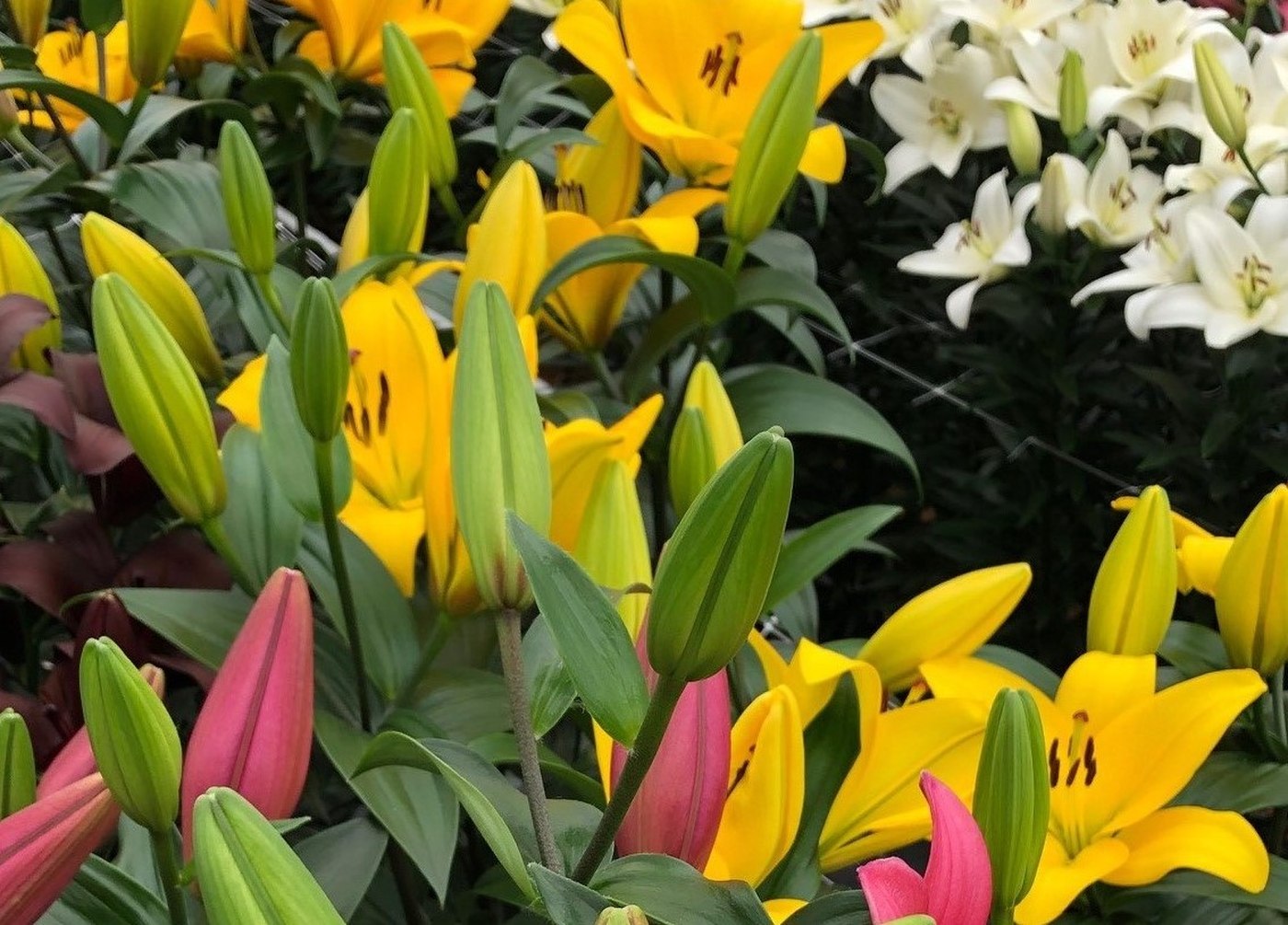
收货与品质检查(ontvangst en kwaliteitscontrole):种植户在季节里陆续交货,买来的球茎根茎随即接受全面的外部与内部检查。专业检验员重点排查病害和质量指标——这一步的水平直接决定后面的流程。**每一批货都带一个批次号,为的是让球茎在整个流程中都能追溯。**
发货(verzending):来自不同产区的产品发往世界各地,公司在 50 多个国家有业务,球茎数量大,走海运、陆运和空运,配齐相应单证。
这四段之外还连着销售后的一环。交易完成后,销售团队继续与客户和种植户保持联系,在作物生长期间持续参与,必要时给出指导。**销售团队要把自己对栽培和品种组合的掌握推到很高,才能预判客户可能提出的任何要求**——供应商与客户之间的良好关系是这家公司列为重点的方向之一。
一份可以拿在手里的技术资料
对买球茎的人来说,真正决定成败的是拿到手之后怎么种。公司把这一块做成了公开资料,一共 17 份,多为 PDF:
百合方面有盆栽百合栽培指南(荷兰语、英语)、切花百合栽培指南(英语)、盆栽与切花用百合的综合催花指南(荷兰语)、百合盆栽种植说明(英语)。
郁金香方面有盆栽郁金香栽培指南(荷兰语、英语)、郁金香催花指南(英语)、盆栽郁金香栽培说明(荷兰语、英语)。风信子方面有风信子催花指南(荷兰语、英语)、盆栽风信子催花指南(荷兰语、英语)、切花风信子栽培指南(英语)。此外还有生根室催花指南(Rooting Rooms)、采后处理指南(Post Harvest Treatment)、唐菖蒲种植说明(英语),以及盆栽风信子种植说明等。
公司还专门做了一套催花用的储藏室技术文件。这套资料在行业里是被当正经工具用的——拿到一份英文的盆栽郁金香栽培说明,等于拿到一份别人总结好的温度与时间表。
销售条款用的是行业通用的版本:由荷兰球茎与苗木贸易商协会 Royal Anthos 制定的通用销售与交货条款,且只在买卖双方中至少一方为 Anthos 会员时适用,买方的通用条款被明确排除。Royal Anthos 是上一篇文章写过的那家荷兰机构——写在这里是为了让读者知道这份条款出自谁,而不是把它当成这家公司自定的规矩。
品种目录:863 个
公司的目录按作物分类,每一类下面列具体品种,并可以直接按品种名检索。**六个类别加起来一共 863 个品种**:
百合 283 个(页面上的展示有上限,逐组统计与逐色统计加总都能对上这个数;其中「Sustain」同时归在两个组里,所以唯一品种名是 282 个);郁金香 339 个(按颜色分为红 118、黄 60、橙 20、粉 76、白 65,五个颜色加起来正好 339);唐菖蒲 76 个;水仙 70 个;风信子 32 个;其他各类根茎作物 63 个。
百合这一类还进一步按品种群分:亚洲型、LA 型、OT 型、OR 型、Longiflorum、盆栽百合和 DOR 型。目录里能看到的品种包括 Albuba、Arbatax、Tresor、Yellow Strike、Zambesi 等,郁金香那一侧则有 Abba、Acropolis、Milka、Purple Prince、Zorro 等。

Dutch Lily Days:连续两届的参与者
荷兰百合日(Dutch Lily Days)是全球百合行业最重要的年度展会之一,每年六月举行,十三家荷兰百合球茎出口商同时开放各自的试验温室,供来自世界各地的来访者看新品种、谈市场。**C. Steenvoorden BV 是其中固定的一员——2025 年第十三届和 2026 年第十四届的参展名单里都有它。**
2026 年这一届从 6 月 2 日办到 6 月 5 日,十四年来首次由 Van den Bos Flowerbulbs 的 Honselersdijk 场地承办开幕。展会主办方在会后提到,行业眼下压力不小:监管要求越来越严、可持续标准越来越紧、国际环境又不明朗,正因如此,荷兰百合日成了各方聚在一起往前看、看看整个行业怎么走向稳健的一个场合。
公司在荷兰百合日的介绍里把自己这几样说得具体:一条全自动的百合包装线、完善的仓储设施、以及一间用于品质检验的试验温室。开放温室的当天,访客可以在试验温室里看最新品种,也有大量知名品种的样品陈列,可以当场判断它们的品质、颜色、长势。销售团队全程在场回答问题。
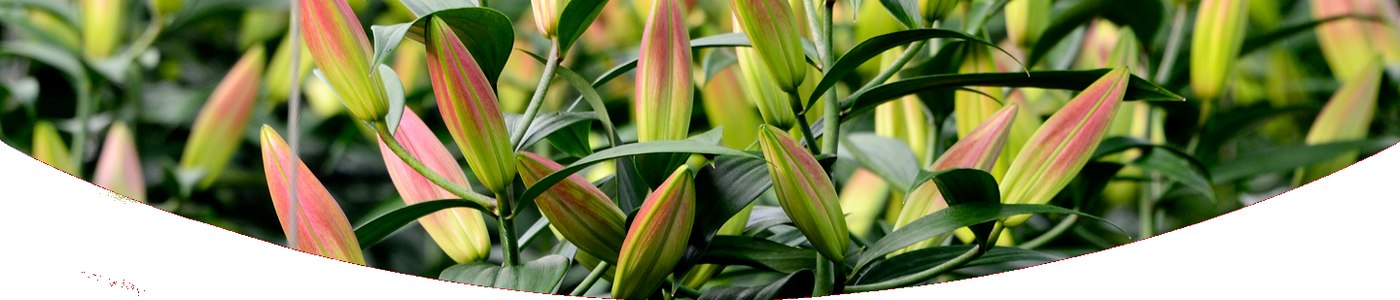
从 2025 年的展后报道看,这一行的议题相当具体:汇率、美国关税,以及荷兰球茎种植里关于植保的公共讨论。参展的企业大致是同一批——除了 Steenvoorden,还有 P. Aker、Boots Flowerbulbs、Van den Bos、Bot Flowerbulbs、De Jong Lelies Holland、Lily Company、Onings Holland、Gebr. Vletter & Den Haan、VWS Flowerbulbs、Jan de Wit & Zonen、Zabo Plant 等。两届名单里有一处变化:2025 年有 Royal Van Zanten Flowerbulbs 而无 Hobaho,2026 年 Hobaho 在列而 Royal Van Zanten 不在——**这家老牌百合企业已在 2026 年 5 月底关停**,所以那一届的名单换人了。
相比起来,Steenvoorden 在这一轮里是个继续在场的老面孔。六十多年做同一门生意,把它送进了一个每年都要重新证明自己的展会。
A bulb exporter in Hillegom
C. Steenvoorden B.V. is a Dutch bulb exporter based in Hillegom, founded by Mr. C.G.P.M. Steenvoorden. In its own words it has grown into one of the largest suppliers of flower bulbs in the world, and it has been doing the same thing for over sixty years.
The company was incorporated in 1964, and ever since it has supplied bulbs and tubers to professional flower growers, importers, wholesalers and flower festivals around the world. Its customers have been clearly defined from the start — not retail, not hobbyist webshops, but professionals who grow for a living.
The main products are lilies, tulips, gladioli and irises, and other kinds of bulb and tuber crops can be supplied as well. The company is registered as C. Steenvoorden B.V. in Hillegom.
The site publishes the full street address, postal code, office telephone and email address. None of that is reproduced here; the company’s site is the place to reach them.
Four parts of the chain
The company describes its business in sections, each with its own page.
Breeding: the introduction of new varieties and species starts with the breeder. As a leading supplier, the company keeps close contact with several breeders across the different product groups, and those contacts result in good knowledge transfer that benefits the whole production chain. The company also runs its own lily breeding programme; varieties it has introduced include Lilium LO White Tower, Lilium LO Freedom Tower, Lilium OT White Sands and Lilium OR Okayama.
Cultivation: the suppliers of the products are professional and reliable growers. The products mainly come from the Netherlands, but also from other production areas such as France, Brazil, Chile and New Zealand, so that a high quality product can be delivered at the right time. Field inspections play a big part in that quality: during them the development and growth of the bulbs is checked, and the growing characteristics observed form the basis for subsequent cultivation and treatment advice.
Reception and quality control: during the season the bulb growers deliver, and the purchased bulbs and tubers then get a comprehensive external and internal check. Professional inspectors check for diseases and overall quality, and that level of expertise is essential for everything that follows. Every lot carries a specific lot number, so the bulbs remain traceable throughout the process.
Dispatch: products from the different growing areas are shipped worldwide, and the company operates in over 50 countries. Bulbs go out in large quantities by sea, road and air, with the accompanying documents.
Alongside these runs a fifth part, the after-sales side. Once the sale is done the sales team keeps in touch with its clients and flower growers, stays closely involved during crop growth and gives guidance where needed. The sales team strives for a very high level of knowledge about production and the product range so it can anticipate any possible request — a good relationship between supplier and customer is one of the company’s priorities.
Growing information you can actually use
For anyone buying bulbs, what decides the outcome is what happens after they arrive. The company has made this into openly available material: 17 documents, mostly PDFs.
For lilies there is a growing guide for pot lilies (Dutch and English), a growing guide for cut lilies (English), a combined lily forcing guide for pot and cut use (Dutch), and growing instructions for pot lilies (English).
For tulips there are forcing guides for pot tulips (Dutch and English), a tulip forcing guide (English) and growing instructions for pot tulips (Dutch and English). For hyacinths there are forcing guides (Dutch and English), pot hyacinth forcing guides (Dutch and English) and a cut hyacinth growing guide (English). Alongside those there is a rooting rooms forcing guide, a post harvest treatment guide, growing instructions for gladiolus (English), and growing instructions for pot hyacinths.
These are the kind of document that gets used as a working tool — a pot tulip guide in English is effectively somebody else’s summary of temperature and timing.
The sales conditions are the industry-wide version: the general terms and conditions for the sale and delivery of flower bulbs drawn up by the Royal Trade Association for Nursery Stock and Flower Bulbs, Royal Anthos, and applicable only where at least one of the parties is an Anthos member at the time the agreement is concluded. The buyer’s own terms are expressly rejected. Royal Anthos is the Dutch association covered in the previous article; it is named here so the reader knows whose rules these are, rather than taking them for conditions the company set for itself.
The variety list: 863 of them
The catalogue is organised by crop, lists the individual varieties within each, and can be searched by variety name. The six categories add up to 863 varieties in total:
283 lilies — the page display is capped, but counting by group and counting by colour both arrive at the same figure, and one variety, “Sustain”, sits in two groups, so there are 282 distinct names. 339 tulips, divided by colour into 118 red, 60 yellow, 20 orange, 76 pink and 65 white, which sums exactly to 339. Then 76 gladioli, 70 daffodils, 32 hyacinths and 63 other tuber crops.
The lilies are further grouped by type: Asiatic, LA, OT, OR, Longiflorum, Lilium Pot and DOR. Names visible in the list include Arbatax, Tresor, Yellow Strike and Zambesi; on the tulip side, Abba, Acropolis, Milka, Purple Prince and Zorro.
Dutch Lily Days: there for two editions running
The Dutch Lily Days is the most important annual event in the lily trade. Every June, thirteen Dutch lily bulb exporters open their trial greenhouses at the same time, and visitors from all over the world come to look at new varieties and talk about the market. C. Steenvoorden BV is a regular — it appears on the participant list for the 13th edition in 2025 and for the 14th in 2026.
The 2026 edition ran from 2 to 5 June, with the official opening hosted for the first time in fourteen years by Van den Bos Flowerbulbs in Honselersdijk. Afterwards the organisers noted the pressures the sector faces: increasing regulatory pressure, stricter sustainability requirements and international uncertainty. For that reason the Dutch Lily Days gave the various parties a chance to come together, look ahead and show how the industry is working towards a resilient and future-proof lily sector.
The company’s own Dutch Lily Days page sets out what it brings to it: a fully automated packing line for lilies, excellent storage facilities, and a testing greenhouse for quality inspection where high standards are imposed. On the day, visitors can walk through the trial greenhouse, see the latest varieties and inspect samples of the well-known ones to judge their quality, colour and growth. The sales team is on hand to answer questions.
The topics raised afterwards in 2025 were quite specific: exchange rates, US tariffs, and the public debate over crop protection in Dutch bulb cultivation. Most of the same companies take part — besides Steenvoorden there are P. Aker, Boots Flowerbulbs, Van den Bos, Bot Flowerbulbs, De Jong Lelies Holland, Lily Company, Onings Holland, Gebr. Vletter & Den Haan, VWS Flowerbulbs, Jan de Wit & Zonen and Zabo Plant. One name changed between the two editions: Royal Van Zanten Flowerbulbs was on the 2025 list and Hobaho was not, and in 2026 it was the other way round, because Royal Van Zanten, one of the oldest bulb companies in the Netherlands, permanently closed at the end of May 2026.
Against that background Steenvoorden was a familiar face at the show again. Sixty-odd years doing one thing has carried the company into an event where everyone has to prove themselves afresh every year.
相关文章:
 荷兰Van den Bos花卉球茎公司 – 对于专业的花卉种植者和进口商业来说,”荷兰Van den Bos花卉球茎公司”是从事百合、小苍兰及马
 荷兰 图伦花卉球茎公司 M. Thoolen Flowerbulbs – 荷兰百年球茎出口商
 荷兰 范哈斯特‑内瓦达花卉球茎 Van Haaster‑Nevada – 350 余种球茎的出口商
 荷兰 诺德隆默斯 Nord Lommerse – 球茎处理与全球供应商
 荷兰 罗特费尔父子球茎出口公司 L. Rotteveel & Zonen Export B.V. – 南荷兰球茎出口遍及欧美
 荷兰 百合日给百合企业带来强大的推动力
 荷兰 Stuifbergen花卉球茎出口公司 – 专业园艺服务机构
 荷兰 霍普曼 P. Hopman – 荷兰百年球茎出口商
发表回复