
从 1900 年的一个贸易商号说起
Royal Anthos 的正式名称是 Koninklijke Handelsbond voor Boomkwekerij- en Bolproducten,直译过来是「苗木与球茎产品皇家贸易联合会」。**它是一家荷兰机构**,总部在 Hillegom,不在英国。名字里的「Koninklijk」(皇家)也不是自封的——
1900 年 2 月 4 日,由花卉球茎贸易商协会(Association for Flower Bulb Traders)成立。1917 年又有了苗木贸易商协会(Association for Plant Traders)。1996 年 7 月 1 日两家合并,组成了今天这个组织,起初叫 Royal DWAFN。2000 年百年庆典上,Beatrix 王室向它授予了「Koninklijk」这一称号——荷兰的「皇家」称号是国王的特权,需要申请、审批,通常只授予有百年历史和相当规模的机构。
所以旧资料里常见的两个说法需要理一理:**「成立于 1900 年」指的是前身商会的成立,1996 年才是合并成今天这个 Anthos 的年份,2000 年是拿到皇家称号的年份。** Anthos 的自我描述是「由企业家驱动的协会」:政策由企业家们一起制定,具体执行交给专业秘书处。
需要说明的是,站上把完整街道地址、电话、传真和邮箱都公开列出。本站不转录这些内容,想联系请直接访问协会站。
Royal Anthos 是花卉球茎和苗木产品贸易商会的行业组织,在国际上代表会员公司的利益,是会员与各国政府和众多同业组织之间的谈判对手。会员企业大约占全球球茎贸易的 85%,以及苗木贸易的六成左右。会员的出口营业额合计约 25 亿欧元。
组织结构分两层。总委员会(Algemeen Bestuur)由花卉球茎委员会和苗木产品委员会组成,负责确定协会的战略和财务政策;总委员会之上产生协会理事会,除主席和主任外还包括两位副主席和一位财务主管,协会会在日常领导、人事和财务上支持主任。四个董事会每年向全体会员大会汇报一次。
董事会成员都是企业界的人:球茎板块的主席来自 Anthos 本身,副主席来自 JUB Holland 和 Florex,另有来自 De Jong Lelies、Nord Lommerse Flowerbulb Group、C.S. Weijers 和 P.F. Onings 的成员;苗木板块有 Coop. Rosaco、Bart Faassen Tegelen、Pelgrum Vink Materialen、Plant Market 和 Boomkwekerij Udenhout。
荷兰球茎产业的底账
荷兰是这个行业的大本营。球茎种植面积超过 22,000 公顷,苗木产品约 17,500 公顷,两个板块的荷兰贸易企业都是全球销量的领头者。球茎出口额约 8 亿欧元,苗木出口约 13 亿欧元。荷兰贸易商还负责把英国、法国、智利和新西兰等其他产地的球茎直接出口出去,这部分金额没有统计。
球茎里最要紧的是郁金香。这个国民图标占了荷兰全部球茎面积的一半以上。据估计其中 65% 到 70% 由境内外专业买家「催花」,折合每年 37 亿枝花;剩下 30% 到 35% 供花园和公共空间栽种。除荷兰外,郁金香球茎的主要买家是美国、加拿大、中国、日本、俄罗斯、英国、德国和北欧国家。
郁金香之后是百合,荷兰种植面积超过 4,000 公顷,智利、法国和新西兰也是重要产区。百合球茎主要供专业买家生产切花,在亚洲尤其好销——中国每年消化 3 亿株、越南 1.6 亿株;美洲方面美国 1.2 亿株、墨西哥 1 亿株、哥伦比亚 9,000 万株。作为对照,荷兰每年生产 3 亿枝百合花。
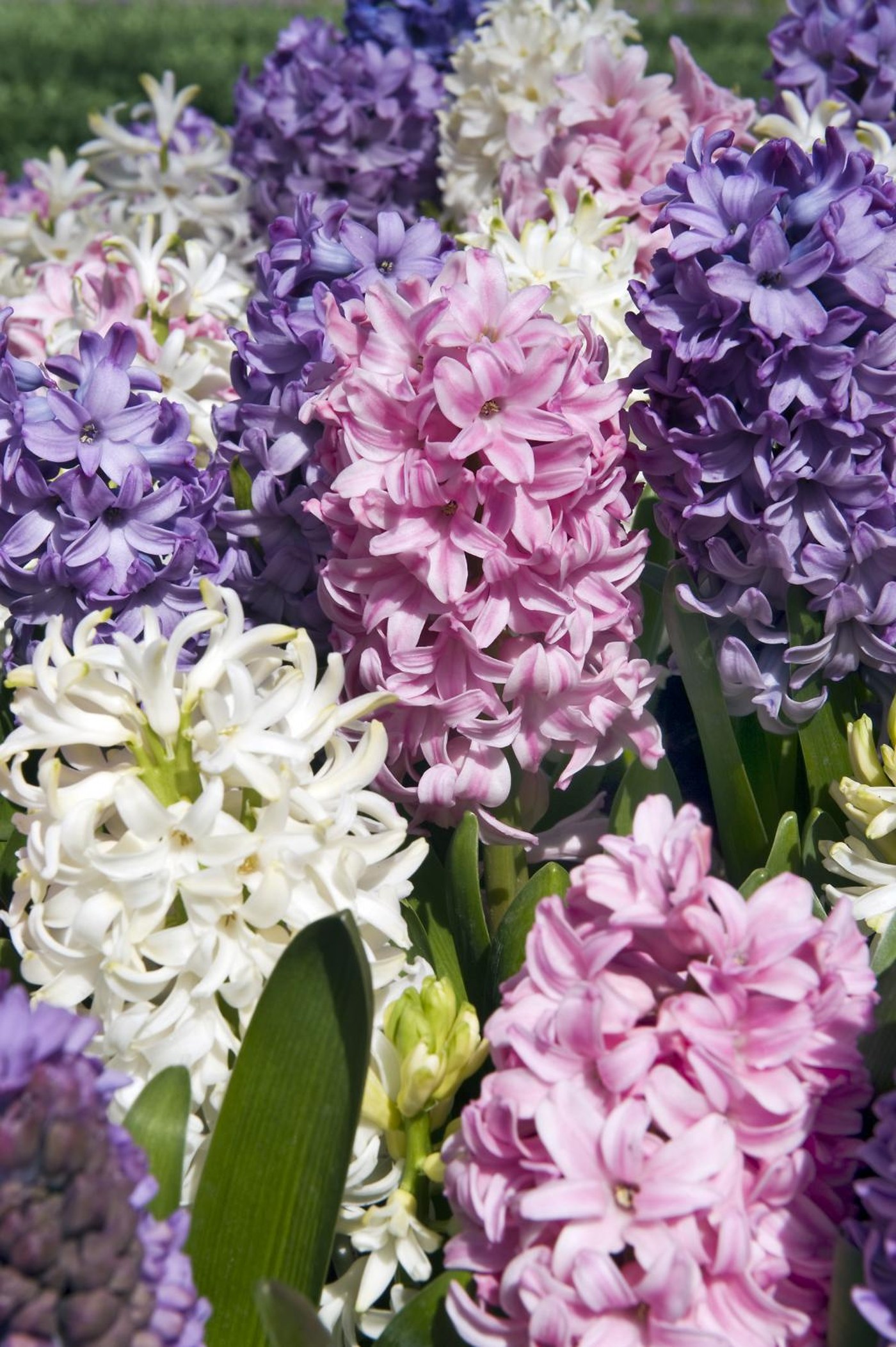
非欧盟市场在球茎板块占的份额很大,约 65% 的货销往欧盟以外。美国几十年来一直是最大进口国,每年有超过 10 亿个球茎运过去,中国也在前五之列。欧盟外的其他重要市场还有英国、加拿大、俄罗斯、越南、挪威、墨西哥、日本和哥伦比亚;欧盟内部则以德国为最大买家,其后是法国、意大利、波兰、瑞典和芬兰。
苗木板块则集中在欧洲:九成销售在欧盟境内完成,出口到 65 个以上国家。品类铺得很开——观赏灌木与针叶、攀援植物、果树与砧木、玫瑰与玫瑰砧木、林地与绿篱苗木、宿根植物,以及行道树与公园树。按 2020 年农业统计,各品类面积最大的是行道树与公园树 4,753 公顷,其次是观赏针叶 3,130 公顷、林地与绿篱 2,719 公顷、观赏灌木与攀援 1,788 公顷、果树 1,584 公顷、宿根植物 1,497 公顷、黄杨 690 公顷、玫瑰与砧木 315 公顷、浆果灌木 235 公顷。**英国脱欧后成了欧盟以外最大的买家**,其后是美国、加拿大、东欧和亚洲。
预检程序:一个跑了五十年的安排
Anthos 在五十多年前就与美国农业部、加拿大农业部签了协议:荷兰境内所有植物检疫由美加两国的植检部门官员与荷兰同事共同执行。这套「预检」程序涵盖全部花卉球茎和相当大范围的荷兰宿根植物。因为产品在荷兰境内已经检过,美国和加拿大入境时不再重复检验,两个进口国承担检疫和质量病害的风险因此极低,贸易商在港口也不会延误——如果有问题,也在集装箱起运前就解决了。
这个程序每年有三千五百多个装满球茎和宿根植物的海运集装箱发往美加,预算约每年 100 万欧元,由 Anthos 出资。
2024 到 2026 年,Anthos 拿到欧盟一笔三年期拨款,用于在美国推动球茎和球茎花卉销售的公关项目,并为此公开招标美国本土公关机构。
六个工作方向
协会把工作归成六块,每块都对应一桩具体的麻烦事。
市场准入是最硬的一块。Anthos 在发展(国际)市场准入政策上扮演监督角色,涉及美国、加拿大、日本、韩国、俄罗斯等地,并在各国出现贸易壁垒时提供协助,同时与会员共同出资和参与球茎与苗木业务的推广政策。
研究与植物健康方面,站上的说法是植物健康领域的知识发展对从业者很重要。销售促进则是鼓励终端消费者和零售环节多用球茎、盆栽球茎和球茎花卉。集体劳动协议上,作为雇主组织,Anthos 与工会 FNV 和 CNV Vakmensen 商谈球茎批发行业的 CAO,也参与苗木板块 Open Teelten 协议的谈判。
可持续与品质是近年增长最快的一块——批发企业越来越多地面临客户的可持续生产要求。数字化针对的是贸易链条信息需求上升、可靠性要求提高这个问题,站上的判断是「贸易链上的数字化已经不可或缺」。
协会下面还设有五个基金会(Stichtingen),专门为某些方向筹资:瑞典、芬兰和日本的推广,国际市场准入项目(美国、加拿大、日本),以及美国的研究方向。参与基金会缴纳摊派,基金会董事会与会员共同决定政策,Anthos 的工作人员负责执行。
iBulb:面向媒体的形象窗口
Anthos 面向消费者的一侧是几个自有品牌,其中最有名的是 iBulb。**iBulb 是 Royal Anthos 的组成部分**,负责全球范围的公关和广告活动,目标是拉动球茎、球茎花卉和盆栽球茎的使用量。它与业界共同设计园艺观赏行业的通用公关方案,覆盖球茎、宿根植物、玫瑰和「绿色城市」几个方向。
iBulb 最实用的部分是它的 MediaFiler 多媒体档案库:照片、影片、新闻稿,分类细致到「零售干球」「夏季催花用球」「春季催花用球」「春季球茎花卉」「夏季球茎花卉」「盆栽球茎」几个门类,供媒体和 Anthos 合作伙伴取用。

Anthos 旗下还有一个面向消费者的知识库 flowerbulbs.com,说自己是「所有对花卉球茎感兴趣的人的起点」——不论是想找种植技巧、找灵感,还是要弄清花期、种法和养护,都能在这里找到。站上按语言分了很多版本,包括简体中文。「年度球根花卉」这个评选也在进行中,2026 年是番红花(Crocus)。
其余的自有品牌还有:Perennial Power(宿根植物)、CG Rozen en Rozenonderstammen(玫瑰与玫瑰砧木)、EDI-Connect(EDI 数据交换)、Ketenregister(供应链登记),以及 Sustainable Suppliers of Horticultural Quality Products(园艺优质产品可持续供应商)。
Starting from a trade association in 1900
Royal Anthos is formally the Koninklijke Handelsbond voor Boomkwekerij- en Bolproducten, which translates as the Royal Trade Association for Nursery Stock and Flower Bulbs. It is a Dutch organisation, based in Hillegom — not a British one. And the “Koninklijk” (Royal) in the name is not self-appointed: the designation is granted by the monarch, on application, and is usually reserved for organisations with a century of history and a certain scale.
The Association for Flower Bulb Traders was founded on 4 February 1900. The Association for Plant Traders followed in 1917. On 1 July 1996 the two merged into what is now Anthos, initially known as the Royal DWAFN. At the celebrations of its 100th anniversary in 2000, Queen Beatrix granted it the designation Koninklijk.
So two commonly repeated claims need sorting out. “Founded in 1900” refers to the predecessor association; 1996 is the year the merger created today’s Anthos; 2000 is the year the royal designation was conferred. Anthos describes itself as an association driven by entrepreneurs: policy is drawn up by and for the entrepreneurs, and implementation is in the hands of a professional secretariat.
The site publishes the full postal address, telephone, fax and email addresses. None of that is reproduced here; the association’s site is the place to reach them.
Royal Anthos is the trade association for companies trading in flower bulbs and nursery stock products, representing their interests internationally and acting as their negotiating counterpart with governments and numerous industry organisations at home and abroad. Member companies account for roughly 85% of world flower bulb trade and about 60% of the nursery stock trade, with combined member export turnover of some 2.5 billion euros.
The structure has two layers. The General Board (Algemeen Bestuur) consists of the Flower Bulb Board and the Nursery Stock Board, and is responsible for the association’s strategy and financial policy. From it is formed the Association Board, which — alongside the chair and the director — comprises the two vice-chairs and a treasurer, and which supports the director in day-to-day leadership and in personnel and financial policy. The four boards report to the General Members’ Meeting once a year.
Board members come from the trade: the flower bulb board is chaired from Anthos itself, with a vice-chair from JUB Holland and Florex and members from De Jong Lelies, Nord Lommerse Flowerbulb Group, C.S. Weijers and P.F. Onings; the nursery stock board includes Coop. Rosaco, Bart Faassen Tegelen, Pelgrum Vink Materialen, Plant Market and Boomkwekerij Udenhout.
The Dutch bulb industry in numbers
The Netherlands is the home of the trade. Flower bulbs occupy more than 22,000 hectares and nursery stock around 17,500, and the Dutch trading companies lead the world in distribution for both. Bulb exports are worth about 800 million euros and nursery stock exports about 1.3 billion. Dutch traders also handle the direct export of bulbs from other important producing countries such as the UK, France, Chile and New Zealand, though that value is not known.
Tulips matter most in bulbs. The national icon takes more than half of the Netherlands’ total bulb area. An estimated 65 to 70 per cent of it is forced for professional buyers at home and abroad, which comes to over 3.7 billion flower stems a year; the remaining 30 to 35 per cent goes to gardens and public planting. Beyond the Netherlands, the main buyers of tulip bulbs are the United States, Canada, China, Japan, Russia, the UK, Germany and the Scandinavian countries.
After tulips come lilies, on more than 4,000 hectares in the Netherlands, with Chile, France and New Zealand also significant producing areas. Lily bulbs go mainly to professional growers for cut flower production, and the flower is especially popular in Asia, where China takes 300 million stems a year and Vietnam 160 million. The Americas take large volumes too: 120 million from the United States, 100 million from Mexico and 90 million from Colombia. For comparison, the Netherlands produces 300 million lily flowers a year.
Non-EU markets take a large share of bulbs, around 65 per cent going that way. The United States has been the largest importer for decades, with more than a billion bulbs a year, and China is also in the top five. Other important non-EU markets include the UK, Canada, Russia, Vietnam, Norway, Mexico, Japan and Colombia. Within the EU, Germany is by far the largest buyer, followed by France, Italy, Poland, Sweden and Finland.
Nursery stock is much more concentrated on Europe: 90 per cent of sales are made inside the EU, and the sector exports to more than 65 countries. The product range is broad — ornamental shrubs and conifers, climbers, fruit trees and rootstocks, roses and rose rootstocks, forest and hedging stock, herbaceous perennials, and avenue and park trees. By the 2020 agricultural census the largest areas were avenue and park trees at 4,753 hectares, ornamental conifers 3,130, forest and hedging 2,719, ornamental shrubs and climbers 1,788, fruit trees 1,584, perennials 1,497, buxus 690, roses and rootstocks 315, and berry shrubs 235. Following Brexit the UK has become the largest buyer outside the EU, followed by the United States, Canada, Eastern Europe and Asia.
The pre-clearance programme: an arrangement fifty years in the running
More than fifty years ago Anthos signed agreements with the United States Department of Agriculture and the Canadian Department of Agriculture, agreeing that all plant health inspections in the Netherlands would be carried out by inspectors of the American and Canadian Plant Health Inspection Services together with their Dutch colleagues. This so-called pre-clearance programme covers all flower bulbs and a very broad assortment of Dutch perennials. Because the products are already inspected in the Netherlands, no inspections take place in the US and Canada. Both importing countries carry a very low risk of quarantine or quality disease entering, and the trading companies gain important logistical advantages: no delay at the port of entry, and any problem is resolved before the container ships. More than 3,500 sea containers of bulbs and perennials go to the US and Canada under the programme each year, on a budget of roughly one million euros a year, financed by Anthos.
Every year more than 3,500 sea containers of bulbs and perennials travel to the US and Canada under the programme, on a budget of roughly one million euros a year, financed by Anthos.
For 2024 to 2026 Anthos holds a three-year European Union grant for a PR programme in the United States promoting flower bulbs and bulb flowers, and ran a public tender for a US-based PR agency to implement it.
Six areas of work
The association groups its work into six areas, each addressing a particular practical problem.
Market access is the hardest of them. Anthos has a supervisory role in developing international market access policy, covering the United States, Canada, Japan, South Korea and Russia, and provides assistance when trade barriers arise anywhere in the world, while co-financing and advising promotion policy for the bulb and nursery stock business with its members.
Research and plant health matters because knowledge development in plant health is important for businesses in the sector. Sales promotion works to stimulate the use of flower bulbs, bulbs in pots and bulb flowers by consumers and the retail trade. On collective labour agreements, as an employers’ organisation Anthos negotiates the CAO for the flower bulb wholesale trade with the FNV and CNV Vakmensen unions, and is involved in the Open Teelten talks for the nursery sector.
Sustainability and quality is the fastest-growing area, as wholesalers find themselves increasingly confronted by demand from customers for sustainably produced products. Digitalisation addresses the rising information needs of the trade chain and its reliability requirements; the site’s judgement is that digitalisation of information along the chain has become indispensable.
Five foundations (Stichtingen) sit under the association to fund particular areas: promotion in Sweden, Finland and Japan; international market access programmes for the United States, Canada and Japan; and research in the United States. Participants pay a levy into these foundations, the foundation boards set policy together with the members, and Anthos staff carry it out.
iBulb: a window on the trade for the media
The consumer-facing side of Anthos takes the form of several of its own brands, the best known being iBulb. iBulb is part of Royal Anthos and handles PR and advertising campaigns worldwide with the aim of stimulating the use of flower bulbs, bulb flowers and bulbs in pots. Working with industry, it develops generic PR programmes for the ornamental sector covering flower bulbs, herbaceous perennials, roses and the green city.
Its most practically useful part is the MediaFiler archive: photographs, film and press releases, sorted into categories as fine as retail dry bulbs, summer forcing bulbs, spring forcing bulbs, spring bulb flowers, summer bulb flowers and bulbs in pots, available to media and Anthos’s partners.
There is also a consumer knowledge base, flowerbulbs.com, which describes itself as the starting point for everyone with an interest in flower bulbs — whether you want planting tips, inspiration, or everything you need to know about flowering periods, planting and care. It is published in many languages, including Simplified Chinese. It also runs the Flower Bulb of the Year, which for 2026 is the Crocus.
The other own brands are Perennial Power, CG Rozen en Rozenonderstammen for roses and rose rootstocks, EDI-Connect for data exchange, Ketenregister for supply chain registration, and Sustainable Suppliers of Horticultural Quality Products.
相关文章:
 荷兰 普林斯球茎 Prins Bulbs – 面向英国零售的家族出口商
 美国 俄勒冈州苗圃协会苗圃指南网 – 美国苗圃买家与提供商名录
 荷兰 诺德隆默斯 Nord Lommerse – 球茎处理与全球供应商
 美国本土植物保育组织 Native Plant Trust — 保护新英格兰本土植物的生存
 荷兰 植物世界苗圃 Plantworld Holland – 欧洲高山植物小型苗圃
 荷兰 罗特费尔父子球茎出口公司 L. Rotteveel & Zonen Export B.V. – 南荷兰球茎出口遍及欧美
 荷兰 弗里林克父子出口公司 A. Frijlink & Zonen Export B.V. – 荷兰球茎出口遍及全球
 荷兰 范哈斯特‑内瓦达花卉球茎 Van Haaster‑Nevada – 350 余种球茎的出口商
发表回复