
从 Voorhout 起步的球茎世家
1900 年代初,Cornelis Westerbeek 在荷兰南荷兰省的 Voorhout 创办了这家花卉球茎公司,起步时自己种球再出口,卖去美国和德国。公司自己的说法是,三代人过去生意仍然稳健,如今是面向北美市场的主要球茎出口商之一,经验超过一百年。
荷兰花卉球茎行业的一份《北美食球茎研究五十年》史料里记着这家公司的变迁。1951 年时它的名字还是 C. Westerbeek & Sons,地点在 Sassenheim,Dolph Westerbeek 从那一年起就在公司做事。他在行业的研究委员会里待了三十年,1992 年侄子 Ruud Westerbeek 接替他的位置,后来出任主席,Ruud 至今是公司的共同所有人。同一本手册的会员名录上,Westerbeek Bulb Company 的登记期从 1992 年延续到近年。公司如今设在球花产区的 Noordwijkerhout。
盆栽球茎与切花球茎两条主线
盆栽生产用的球茎包括郁金香、风信子、水仙、葡萄风信子和各类特色球茎,卖的是最新品种,也有专门做过矮化处理的品种,生长调节剂方面可以给出建议,上市排期从圣诞节一直排到母亲节。
切花那一块以切花郁金香为主,覆盖整个郁金香季。9 月到 12 月中旬走南半球的球茎,12 月中旬到母亲节换成荷兰本地的球茎,可以按水培程序准备,也可以土培催花。
另外两块体量小一些,方向却清楚。大丽花块根主要供美国西海岸和西北地区,盆器从 1 加仑到 12 英寸都有,Super Dinnerplate、Gallery 和 Melody 三个系列在列。小苍兰做 6 英寸的室内盆和露台用的较大容器,按客户所在地区、气候和季节做处理,11 月到 3 月供货。

景观球茎与四国的种植户网络
景观用球茎同样以郁金香、风信子、水仙、葡萄风信子和特色球茎为主,面向专业景观批发商,站上还提供景观组合方案和草下种植的概念。
球茎来自签约种植户,荷兰各地都有,此外还有法国、以色列和智利。智利在南半球,收获季节正好和荷兰错开。公司说在种植季,以及 1 月到 5 月的催花季里,都会到种植户和催花户那里去转转。
发往北美的运输方式
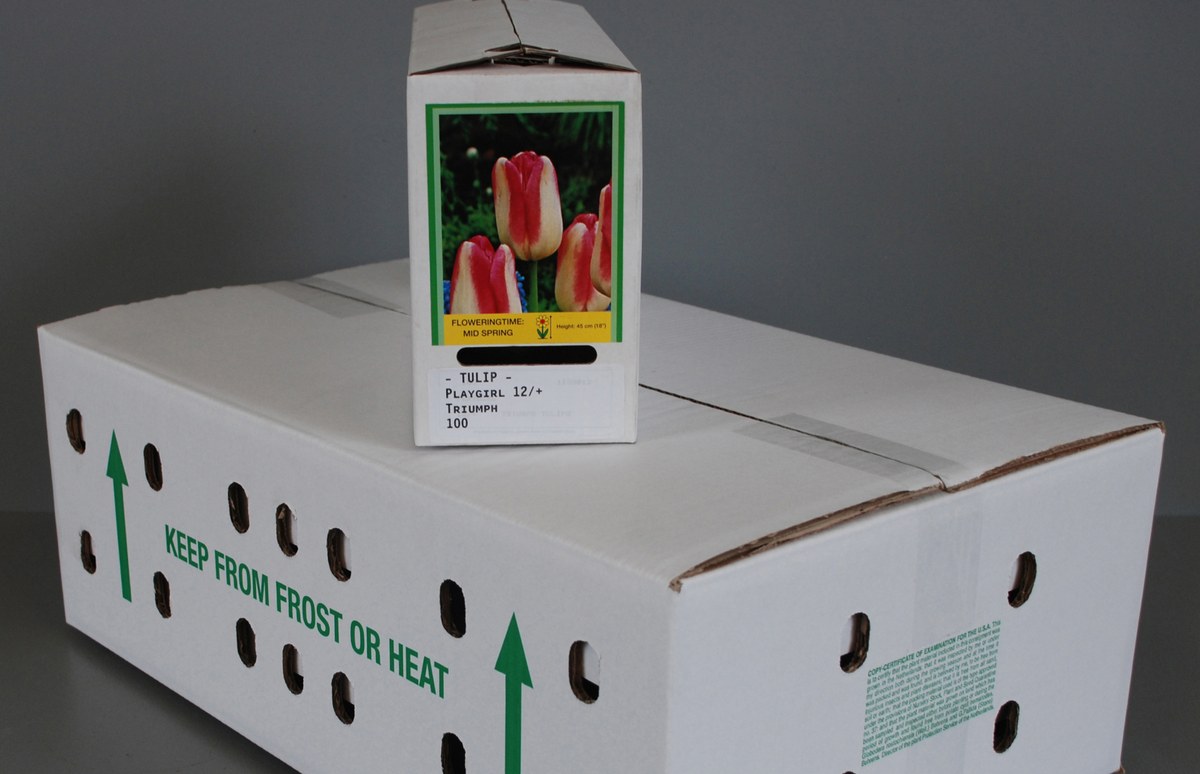
球茎按客户温室的条件处理和排期之后,直送北美的温室种植者。公司自称能把货发遍美国和加拿大,全年任何时间、任何温度都行。大批量走整柜直送客户,小批量经东岸、中西部和西北部的三个分销中心发出。多数球茎装在可折叠的周转盘里发走,这些盘子是公司自己的,空盘从客户苗圃运回荷兰的运费也由公司安排。
康奈尔球茎研究与 iBulb 图片库
公司是康奈尔大学伊萨卡校区球茎研究计划的赞助方,研究由 Bill Miller 博士主持。生长调节剂用量、需要多少冷藏周数、病虫害防治这类内容,康奈尔大学的球茎网站上免费可以查到。
公司还是 iBulb 的成员。iBulb 站点发布催花球茎、盆栽和切花的宣传资料,也提供一套大图库供业内取用,公司自有品种的图片同样在里面。
A Century of Flower Bulbs from Voorhout
The company was started in the early 1900s by Cornelis Westerbeek in Voorhout, in the province of South Holland. It grew its own bulbs and exported them, first to the United States and to Germany. Three generations on it says it is still going strong and counts itself among the major flower bulb exporters to the North American market, with more than a century of experience behind it.
A Dutch trade history of fifty years of flower bulb research in North America, published for the flower bulb industry, records how the company changed. In 1951 it was still called C. Westerbeek & Sons and was based in Sassenheim, where Dolph Westerbeek began working. He spent thirty years on the industry’s research committee; in 1992 his nephew Ruud Westerbeek took his place and later became chairman, and Ruud is still a co-owner of the company. The membership list in the same volume records Westerbeek Bulb Company from 1992 onwards. Today the company sits in Noordwijkerhout, in the same bulb growing region.
Two Main Lines: Bulbs for Pots and for Cutting
Bulbs for pot plant production cover tulips, hyacinths, narcissus, muscari and a range of specialty bulbs. The newest varieties are the focus, including ones bred for genetic compactness, with advice on growth regulators, and the programme runs from Christmas through to Mother’s Day.
Cut flower production is built on cut tulips and covers the whole tulip season. September to mid-December brings southern hemisphere tulips; from mid-December through to Mother’s Day the Dutch crop takes over. The tulips are prepared either for hydroponic programmes or for forcing in soil.
Two smaller lines point at specific markets. Dahlia tubers go mainly to the west coast and the northwest of the United States, in containers from one gallon up to twelve inches, with the Super Dinnerplate, Gallery and Melody types among them. Freesias are offered for six inch pots for the house and larger containers for the patio, treated for the customer’s region, climate and time of year, and are available from November through March.
Landscape Bulbs and a Grower Network in Four Countries
Landscape bulbs are again tulips, hyacinths, narcissus, muscari and specialty bulbs, sold to professional wholesale landscapers. The site also offers landscape concepts and an under grass planting concept for that trade.
The bulbs come from contracted growers, all over the Netherlands and also in France, Israel and Chile. Chile lies in the southern hemisphere, so its harvest season falls opposite to the Dutch one. The company says it visits growers and forcers regularly during the planting season, and through the forcing season from January to May.
How the Bulbs Reach North America
The bulbs are treated and programmed for the customer’s greenhouse conditions and go straight to North American greenhouse growers. The company says it can ship all over the United States and Canada, at any time of year and at any temperature. Larger volumes travel as direct container shipments to the customer, smaller ones go through distribution centres on the East coast, in the Midwest and in the Northwest. Most bulbs travel in collapsible trays, and those trays belong to the company: it also arranges the freight that brings the empty trays back from the customer’s nursery to Holland.
Backing Bulb Research at Cornell and the iBulb Library
The company sponsors the flower bulb research programme at Cornell University in Ithaca, New York, where the research is carried out by Dr. Bill Miller. Practical information on growth regulators, the number of cooling weeks needed, disease and pest control and similar questions is published free of charge on Cornell’s bulb website.
The company is also a member of iBulb. The iBulb site carries the publicity material the trade puts out for forcing bulbs, pot plants and cut flowers, and it holds a large picture library that the industry can draw on, including images of the company’s own varieties.
相关文章:
 荷兰 种球市场 Holland Bulb Market B.V. – 荷兰球茎出口遍及六十多国
 荷兰 罗特费尔花卉球茎公司 Rotteveel Bulb Co. – 美国球茎批发供应商
 荷兰 普林斯球茎 Prins Bulbs – 面向英国零售的家族出口商
 荷兰 百合公司 Lily Company B.V. – 北荷兰百合球茎育种与全球出口商
 荷兰 瑞洛克花卉球茎 Ruigrok Flowerbulbs – 450 余种球茎的出口农场
 荷兰 博特球茎花卉公司 Bot Flowerbulbs – 北荷兰球茎预处理全球出口商
 荷兰 罗特费尔父子球茎出口公司 L. Rotteveel & Zonen Export B.V. – 南荷兰球茎出口遍及欧美
 荷兰 萨姆·范·斯霍滕花卉球茎公司 Sam van Schooten B.V. – 南荷兰球茎供应商一千五百余种
发表回复