

从 1626 年的旧园说起
埃尔兰根植物园是弗里德里希-亚历山大大学的植物园,它的根要往 1626 年上追。1747 年,离大学成立没几年,人们在当年纽伦堡城门外的空地上辟了第一座植物园,一直用到 1825 年。1826 年,新园在今天的位置动工,就在王宫花园的北边;到 1829 年,它已经落在市中心,紧挨着王宫花园和园中的橘园。
园子中间那座老楼是 1892 年建成的植物学研究所旧址,1993 年起改由病毒学研究所使用。今天游客看到的温室群是 1964 年落成的,约占全园面积的十分之一。园子的身份换过好几轮:最早是供医科教学用的药用园,后来成了科研和教学并重的收藏重镇,如今对外开放,研究、教学、自然教育和休闲四件事都在这里做。
西南角还留着一件仿造品,奈施尔石窟,洞窟长约 25 米,最高处 5 米。地质学家阿达尔贝特·奈施尔 1906 年在纽伦堡的州庆展览上造了这座照着弗兰肯石灰岩溶洞做成的洞窟,1907 年移交大学。1930 年代木架和灰泥外壳垮掉,此后几十年一直关着。1983 年起有人抢救,2005 年由植物园之友协会以三十年的土地租约接手,用新的混凝土外壳罩住旧结构,大约在建成一百年后又重新开放,如今是登记在册的文物。
两公顷的露天园区
露天区只有约两公顷,在德国植物园里算最小的一批。地方小,园子把力气花在分区上:东侧的系统区按被子植物的亲缘关系排布,温室前的空地入夏摆出按地理分组的亚热带木本,园中另有一小块药用植物区,苗床按植物的有效成分分开。园里还做出沙质草原、法兰克侏罗的岩层生境、高山园和泥炭沼泽等生境。
把温室也算进去,整个园子在这两公顷里养着约四千种植物,靠与世界各地四百来座园子交换种子不断补充。
老树是这园子的底子。本地橡树、椴树、山毛榉之外,还有巨杉和银杏。两棵大桑树立在园中,是十九世纪养蚕试验留下的痕迹。亚洲园里种着杜鹃,石刻佛像立在花丛中间。

一千平方米的温室群
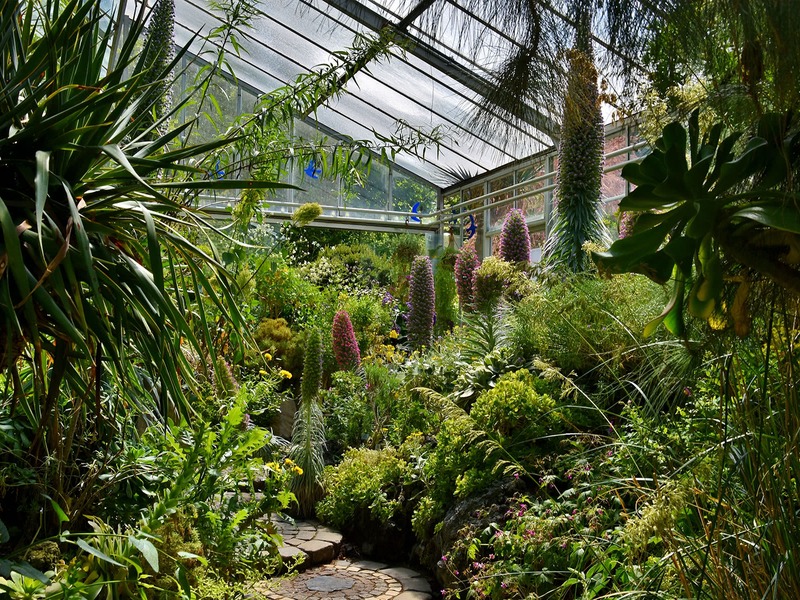
温室区面积一千平方米,把不同植被类型摆在一处。中央最大的一间是低地雨林,北边一间山地雨林温室放着蕨类和苏铁,南边三间小温室分别讲红树林、热带作物和附生植物。
仙人掌和多肉温室里有株老住户,金琥是二十世纪二十年代进园的,属于园里最老的一批植物,旁边那根白毛柱状仙人掌要到一定年纪才开红花。加那利温室按海拔一层层铺开:门口是耐旱的多肉灌丛,往里是龙血树和加那利松的热带林,后半截是月桂林。
九千平方米的芳香园
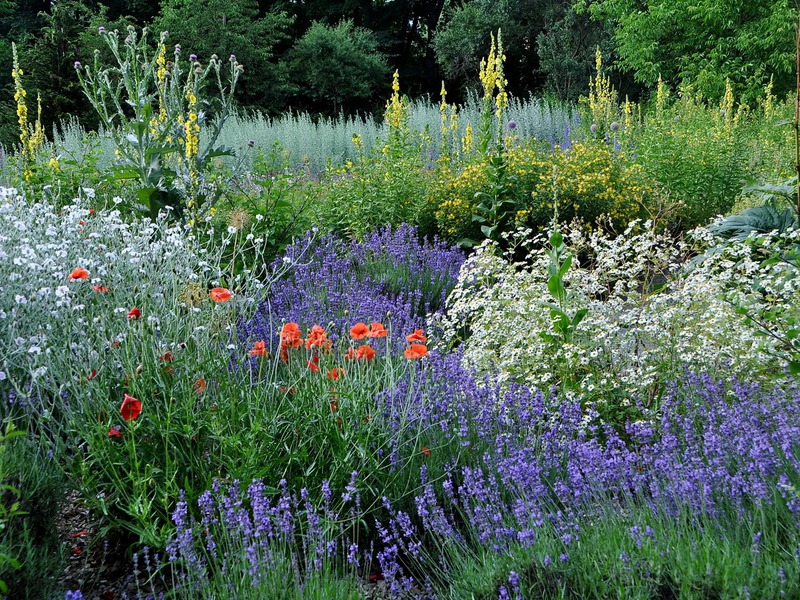
芳香园不在主园里,而在城东的施瓦巴赫河谷自然保护区,从植物园走过去十来分钟。它 1981 年建起来,面积约九千平方米,种的都是靠精油发香的植物,暖天里味道最浓。
数字上两个官方页面给的不一样:一份导览材料写约一百二十种本土和外来芳香植物,另一份介绍页写约三百种。栽培方式很省事,不做固定灌溉,也不用化学防除,地面铺矿物覆盖物,让植物自己扛住干燥贫瘠的地力,算是气候适应型种植的一个样板。
收藏、研究与开放安排
教学收藏是园里的老宝贝,1851 年建起,如今叫植物学博物馆。泡在液体里的植物标本有一百三十件,装在圆筒形玻璃瓶中;木材收藏有带树皮的树干段和纵切横切的木片,还有大幅木材标本;显微切片两千五百片,干制种子和果实也存了一批。1900 年起由索勒德做了一次系统整理,药剂师洛勒从菲律宾和东印度群岛、后来从马达加斯加和埃及带回的兰花标本也在其中。
保育这条线上,园子养护着法兰克独有的花楸。霍恩埃斯特花楸全球只在福希海姆附近四平方公里的范围内有分布,1992 年才被科学描述,园方从那时起把它作为保育栽培保住种群,法兰克侏罗特有花楸的收藏共十七种。中法兰克的濒危植物援助计划也在园里做着,重点是红色名录里的极危、濒危和易危种类,并参与把繁育出来的苗重新放回野外。
教学面向中小学和成人都有。园艺培训被巴伐利亚州评为模范,2025 年三月里拿了州级的园艺培训荣誉奖。园刊棕榈叶一直办着,2025/2026 年度还对外发放种子目录索引。
开放安排:露天区 11 月 1 日到 4 月 30 日八点到十六点,五月初到十月底延到十七点半,不收门票;温室周二到周日九点半起开放。2026 年 11 月 2 日到 16 日温室因为入口施工暂停,17 日重新开门。植物园之友协会成立二十多年,有自己的植物交换活动。
Roots That Reach Back to 1626
The Erlangen botanical garden belongs to the Friedrich-Alexander-Universität, and its roots reach back to 1626. In 1747, only a few years after the university was founded, the first botanical garden was laid out on open ground outside the then Nuremberg gate and stayed there until 1825. The new garden was begun in 1826 on its present site north of the palace garden, and by 1829 it sat in the middle of the town, right next to the palace garden and its orangery.
The old building in the middle dates from 1892 as the former Botanical Institute, and has been used by the Institute of Virology since 1993. The greenhouses visitors see today were opened in 1964 and take up about a tenth of the garden area. The garden has changed roles several times over: first a garden of medicinal plants kept for medical teaching, then a place where research collections and teaching grew together, and today an open public garden for research, teaching, environmental education and recreation.
A replica stands in the southwest corner, the Neischl Cave, roughly 25 metres long and up to 5 metres high. The geologist Adalbert Neischl built it for the Bavarian Jubilee State Exhibition in Nuremberg in 1906 as a copy of a dripstone cave of the Franconian Jura, and handed it over to the university in 1907. Its wooden frame and cement shell collapsed in the 1930s and it stayed shut for decades. Rescue work began in 1983, and in 2005 the Friends of the Botanical Garden took it on a thirty year lease and covered the old structure with a new concrete shell, reopening it roughly a century after it was built. It is now a listed monument.
Two Hectares Outdoors
The outdoor area covers about two hectares, among the smallest of any botanical garden in Germany. The space is small, so the work goes into layout: a systematic bed in the east arranges flowering plants by relationship, and in summer the open ground in front of the greenhouses is filled with subtropical woody plants grouped by geographical origin. A separate small medicinal garden is planted in beds sorted by active ingredient. Habitats such as a sand heathland, rock formations of the Franconian Jura, an alpine garden and a bog are reproduced as well.
Counting the greenhouses as well, some four thousand species are cultivated on those two hectares, a collection kept topped up by seed exchange with around four hundred gardens worldwide.
Old trees are the backbone of the place. Alongside native oaks, linden and beech there are giant sequoias and ginkgoes. Two big mulberry trees stand in the garden as a reminder of nineteenth century attempts at silkworm farming. The Asian garden holds rhododendrons, with a stone Buddha statue among the flower beds.
A Thousand Square Metres of Glasshouses
The greenhouse area covers a thousand square metres and brings different vegetation types together in one place. The largest hall in the centre holds lowland rainforest, the mountain rainforest house to the north contains ferns and cycads, and three smaller houses to the south deal with mangroves, tropical crop plants and epiphytes.
The cactus and succulent house keeps an old resident: the golden barrel cactus arrived in the garden in the 1920s and belongs to the oldest plants in the collection, and the white haired column cactus beside it only flowers once it is well established. The Canary House is laid out by altitude, starting with the drought tolerant succulent scrub at the door, then a tropical wood with dragon trees and Canary Island pines, and a laurel forest at the back.
Nine Thousand Square Metres of Fragrance
The aromatic garden lies outside the main garden, in the Schwabachgrund nature reserve east of the city, and is about ten minutes on foot from the botanical garden. It was started in 1981, covers roughly nine thousand square metres, and is planted with aromatic plants that give off their essential oils, strongest on warm days.
The two official pages give different counts: one information sheet says about one hundred and twenty native and exotic aromatic plants, another page puts the figure at about three hundred. The growing method is deliberately simple, with no permanent irrigation and no chemical plant protection, the ground covered in mineral mulch, and the plants left to cope with dry, poor soil. The result is a showcase of plant planting adapted to the climate.
Collections, Research and Open Days
The teaching collection is the garden’s oldest treasure. Founded in 1851 and now called Museum Botanicum, it holds one hundred and thirty plant specimens preserved in liquid in cylindrical glass jars, a wood collection with trunk sections, bark, and longitudinal and transverse cuts, a large wood herbarium, two thousand five hundred microscope slides, and dried seeds and fruits. A systematic revision was carried out by Solereder from 1900, and the orchid specimens brought back from the Philippines, the East Indies, and later from Madagascar and Egypt by the pharmacist August Loher are part of the holdings.
Conservation runs through the same collections. The garden keeps the rowans endemic to Franconia. Hohenester’s rowan occurs globally only within four square kilometres near Forchheim, was described scientifically only in 1992, and has been held as a conservation culture ever since, alongside a collection of seventeen endemic rowans of the Franconian Jura. The plant conservation programme for Middle Franconia is run from the garden as well, concentrating on critically endangered, endangered and vulnerable species of the red list and taking part in putting cultivated plants back into the wild.
Education reaches school classes and adults alike. The garden’s horticultural training was singled out as a model by the state of Bavaria and received a state award for exemplary training in horticulture in March 2025. The garden magazine Palmenblatt is still published, and the seed index for the 2025/2026 season was sent out to other institutes.
Opening hours: the outdoor area is open from 8:00 to 16:00 between 1 November and 30 April, and until 17:30 from the start of May to the end of October, with free admission; the greenhouses open from 9:30, Tuesday to Sunday. The greenhouses are closed from 2 to 16 November 2026 for building work at the entrance and reopen on 17 November. The Friends of the Botanical Garden have been running for more than twenty years and keep their own plant exchange.
相关文章:
 德国 柏林植物园 Botanischer Garten Berlin – 近两万种植物与分类研究
 奥地利 格拉茨大学植物园 Botanischer Garten Graz – 施蒂利亚州植物学教育与研究
 奥地利 维也纳大学植物园 Botanischer Garten der Universität Wien – 12000余种植物收藏和研究
 瑞士 圣加仑植物园 Der Botanische Garten St.Gallen – 瑞士植物多样性展示的代表性机构之一
 德国 Park der Gärten – 德国规模最大的主题花园园区之一杜鹃特色收藏
 中国 重庆南山植物园 – 中国亚热带低山植物专类园
 德国 北极高山植物园 Arktisch‑Alpiner‑Garten – 四千余种高山植物保育园
 德国 桑德曼高山植物园 Botanischer Alpengarten Sündermann – 两千余种高山植物苗圃
发表回复