
一株高山植物引出的百年老店
Botanischer Alpengarten Sündermann 在德国博登湖畔的林道,1886 年由 Franz Sündermann 创办,是一家专门做高山植物和石头园植物的苗圃。老先生是维尔茨堡人,先在家乡的植物园跟随园艺监察员 Salomon 学艺,Salomon 自己的专长就是高山园;之后他到格拉茨和因斯布鲁克的植物园继续进修。在因斯布鲁克,他参与了当时的高山植物栽培发轫之地,在 Kerner、Stein 和 Bilek 等植物学家手下,得以建起当时照料得最好的高山园之一。
从因斯布鲁克出发,他一连三年走遍阿尔卑斯山区,把高山植物认了个遍,也彻底迷上了这行。1890 年代,他引进了大批北美高山植物,也引进了来自波斯、小亚细亚、巴尔干半岛、东亚和新西兰的种类。1908 到 1912 年间,他又亲自跑了趟坎塔布里亚、中南部西班牙、利古里亚阿尔卑斯、科西嘉、阿普亚内阿尔卑斯、亚平宁和阿布鲁佐,带回许多当时园艺界还没见过的稀罕货。1912 到 1914 年,慕尼黑植物园新建的大型高山园就是在他的督导和协助下建成的。
四代人接力经营
战争年代,儿子 Ferdinand Sündermann 在 1940 年接手,把这桩「美好爱好」继续做下去。第三代 Ferdinand Franz Sündermann 于 1976 年接手已经打下根基的苗圃;如今是儿子 Christian Sündermann 在经营这第四代。透过一百多年,这家店把来自五大洲的植物引进欧洲园艺圈,多半是它们先在这里落脚、栽培成功,之后才被别的园子引去。
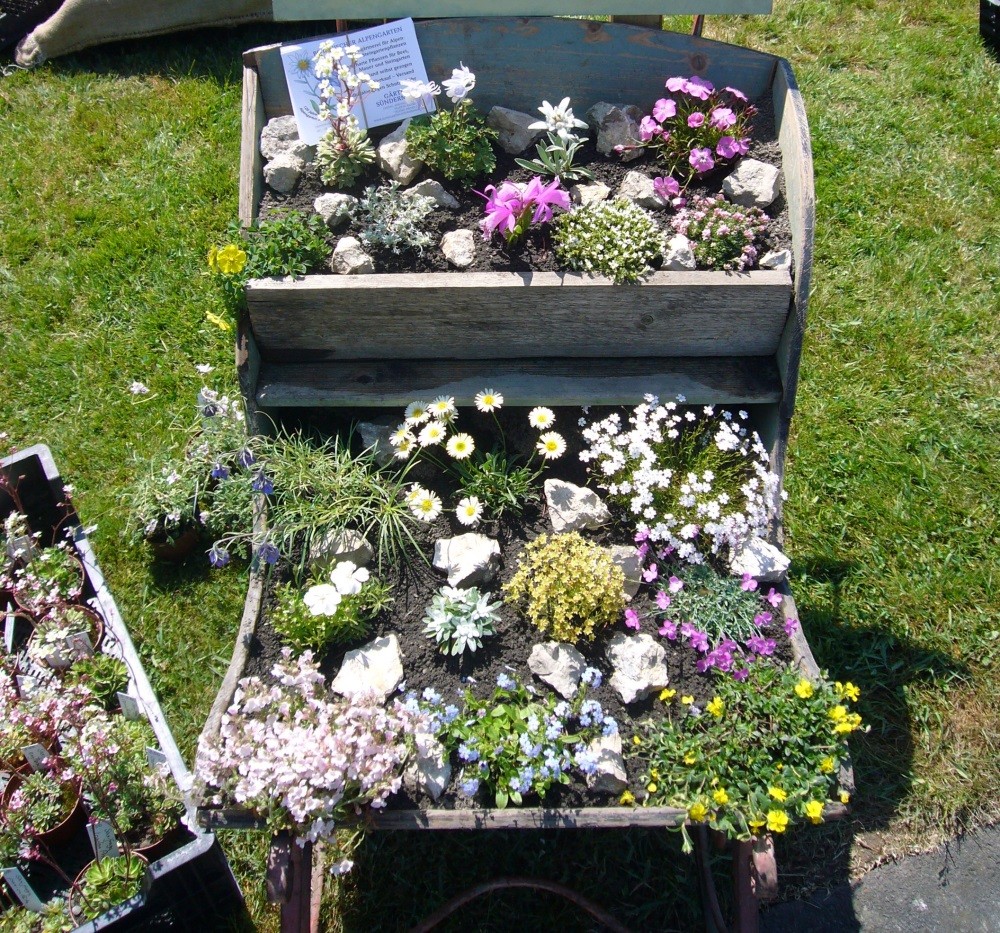
店里的品类跨度很大:既有开花旺盛、长得快的大色块垫状植物,也有最小最袖珍的矮化品种,还有高一些的宿根类。苗圃至今和多个国家的植物园保持往来,为的是不断把店里还没有的品种收进来。创始人当年把第一本目录做出来时是 1886 年,33 页上列了 1100 种植物。另一件常被提到的事是 1919 年 5 月签下的第一份土地租约——这块地紧挨着小湖,是林道市的名景之一。
目录里现在有多少
苗圃自己的招牌上写的是「这些植物加上另外 2000 个品种都能在林道的高山植物苗圃买到」,林道市官方的介绍也说它现在的品种量约两千个,除了五大洲的稀有品种,还有德国境内只有林道能见到的自有品种。
现在的目录是 100 页的 PDF,按属分章排版,每章用德语俗名做标题——Sempervivum 叫 Hauswurz(景天)、Ramondia 叫 Felsenteller(岩盘草)、Leontopodium 叫 Edelweiß(雪绒花)、Moltkia 叫 Steinsame(岩苜蓿)、Physoplexis 叫 Schopfteufelskralle 等。图注会写明株高、花色和栽培条件。
2026 年秋季价目表逐行统计了 532 个品种条目,跨 164 个属:石竹属(Dianthus)33 个最多,景天属(Sempervivum)23 个,风铃草属(Campanula)、委陵菜属(Potentilla)、岩梅属(Saxifraga)各 19 个,景天属(Sedum)13 个,牻牛儿苗属(Geranium)和球花属(Globularia)各 12 个。此外还有按大类分栏的蕨类、禾草、灌木、露地兰草和一般条目。单株价格从 2.50 欧起,最贵的到 38 欧。
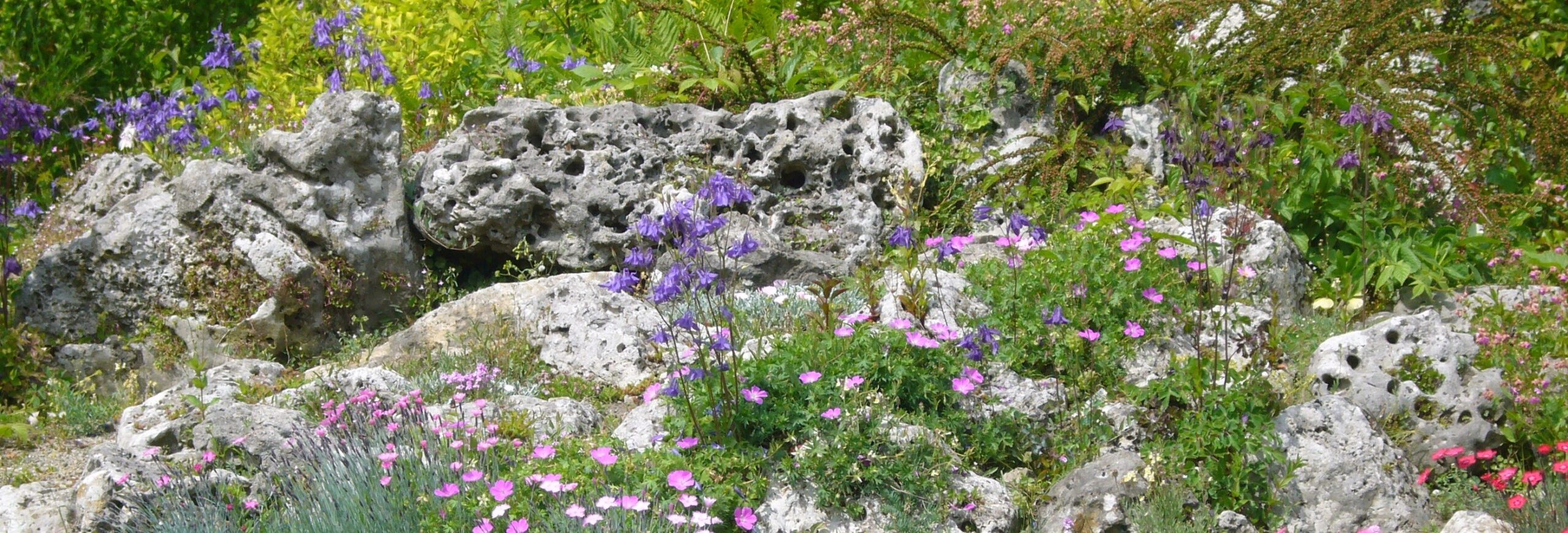
自有育种是这家店另一条线。名气最大的是 Dryas sündermanni(银莲花科的金露梅属),如今在五大洲的花园里都看得到。岩梅属杂交做得尤其多——红花 Kabschia 的野生种本来就少,多做杂交正是为了把这个颜色的品种量做上去。杂交出来的黄花 Saxifraga haagii 是岩梅属里传播最广的一个。苗圃自己育出的苗,只有确认性状好的才收进目录。
怎么买、怎么取货
下单全年随时都行,站内直接发邮件写清想要的植物、数量和收货地址就行,店家会回邮件确认并寄出,货款用发票支付。开放时间内也可以打电话下单,或者直接到店里,让店员当面推荐。开放时间是周一到周五 13:30 到 18:00,周六 8:00 到 12:00,周日和假日不开放。运费每包 12.50 欧,价目表上的价格另加 7.8% 销售税。
价目表里还有给批量采购的规格价:12 株一包的风铃草、石竹、太阳花属矮种、岩梅、景天各 25 到 36 欧;25 株的槽栽弱生长品种 105 欧;100 株的旺花垫状与低矮宿根 299 欧;100 株的矮生开花植物 325 欧,也有按 17 种或 25 种配好的 50 株装。价目表上「Rarität」(珍品)或「Seltenheit」(罕见)这样的标记一共出现在五处,比如 Androsace lindavica、Gentiana acaulis 的纯白和浅蓝两个变种、Sedum pilosum 和 Sedum sempervivoides。
目录页、价目表和栽培指南都在站上的下载区,可以直接取。最新一期的秋季价目表 2026 年 9 月 13 日起生效,店家也写明:以这份价目表为准,此前的目录和各类特别价目单同时失效。
对外的样子
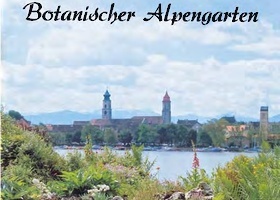
这家的品牌标识就是目录封面:蓝天上「Botanischer Alpengarten」的花体字,下方压着一片石床和山景,底部一行白字「SÜNDERMANN · LINDAU (B)」。目录封面本身就是从园子里望出去的博登湖景色,远处是林道岛那两座带尖顶的塔。林道市官方对这家店的介绍里提到,它不按传统高山园的路子做,而是高山与石头园植物的专业苗圃;园里的植物从阿尔卑斯一直到喜马拉雅,还有德国境内只有林道这一处能见到的自有品种。
2012 年 6 月曾有过一次经营风波:市政方面表示不再续签紧邻小湖那块地的租约,园子当时约有 3 万株植物在那块地上。当时的报道里写明,园子由 Christian Sündermann 经营、这位已被媒体称为「林道的城市景观之一」的苗圃正面临成立 126 年后的关键时刻。用地与租约的具体情况以当地市政和园方后续安排为准,本文只作背景交代。
地址和联系方式在站上的版权说明页里,写到林道市一级;门牌号、传真和银行账户这些细节不在文章里重复。参观和购买都建议先联系再约时间,这家店长期以来是以预约和订购为主在做。
A Hundred-Year-Old Nursery Started by One Alpine Plant
The Botanischer Alpengarten Sündermann stands in Lindau on Lake Constance and was founded in 1886 by Franz Sündermann as a nursery specialising in alpine and rock garden plants. Born in Würzburg, he trained in his home town’s botanical garden under garden inspector Salomon, whose own speciality was an alpinum, and then went on to Graz and Innsbruck. In Innsbruck he worked at the cradle of alpine plant culture and helped build the best-kept alpinum of the time under the botanists Kerner, Stein and Bilek.
From Innsbruck he undertook three years of tours into the Alps, learning the alpine flora thoroughly and becoming so taken with it that he devoted himself to it entirely. In the 1890s he introduced many North American alpines, and as many again from Persia, Asia Minor, the Balkans, East Asia and New Zealand. Between 1908 and 1912 he travelled himself to bring in the rarest alpines from Cantabria, central and southern Spain, the Ligurian Alps, Corsica, the Apuan Alps, the Apennines and Abruzzo, most of them still unknown to garden culture. From 1912 to 1914 the new large alpinum in the Munich-Nymphenburg botanical garden was laid out and planted under his supervision and assistance.
Four Generations in Turn
During the war years his son Ferdinand Sündermann took over in 1940 and went on winning customers for what the family calls a beautiful hobby. The third generation, Ferdinand Franz Sündermann, took over the well-established nursery in 1976; today his son Christian Sündermann runs it in the fourth generation. Over more than 125 years the company has been the one that brought plants from all five continents into European cultivation, introducing and growing them here first. The range now stretches from boldly coloured, fast-growing cushions to the smallest of dwarf varieties, with taller herbaceous types as well.
The nursery still keeps in touch with botanical gardens in many countries so that it can keep bringing in varieties it does not yet have. The first catalogue appeared in 1886 and already showed 1100 plants on 33 pages. Another often-cited detail is the first land lease, signed in May 1919; the plot lies directly by the little lake and is one of Lindau’s sights. The nursery also breeds its own stock, and anything raised here only enters the catalogue if the results are judged good. The best known selection is Dryas sündermanni, which now dresses gardens on all five continents. A great many saxifrages have been crossed, because there are so few wild species of the red-flowered Kabschia and crossing widens the range in that colour. The yellow-flowering Saxifraga haagii is the most widely distributed of the Sündermann saxifrages.
How Much Is in the Catalogue Now
The nursery’s own sign offers these plants plus two thousand other varieties, and Lindau’s official description puts the current range at about two thousand, including rarities from five continents and the nursery’s own selections found in Germany only in Lindau.
The current catalogue is a 100 page PDF arranged by genus, each chapter headed with the German common name: Sempervivum is Hauswurz, Ramondia is Felsenteller, Leontopodium is Edelweiß, Moltkia is Steinsame, Physoplexis is Schopfteufelskralle. The captions give height, flower colour and growing conditions.
Counting the 2026 autumn price list line by line gives 532 variety entries across 164 genera. Dianthus leads with 33, followed by Sempervivum with 23, while Campanula, Potentilla and Saxifraga each have 19, and Sedum has 13, with Geranium and Globularia at 12 each. Ferns, grasses, woody plants, hardy outdoor orchids and a general section are listed under their own categories. Single plants start at 2.50 euros and the most expensive reach 38.
Bulk buyers get their own prices: twelve plants each of campanulas, drabas, dianthuses, Helianthemum, Saxifraga and cushion-forming sedums, priced from 25 to 36 euros, 25 slow-growing trough plants for 105 euros, 100 free-flowering cushions and low perennials for 299, and 100 dwarf flowering plants for 325, with mixed selections of 50 plants in 17 or 25 varieties. The list marks just five entries as Rarität or Seltenheit, among them Androsace lindavica, the pure white and pale blue forms of Gentiana acaulis, Sedum pilosum and Sedum sempervivoides.
How to Buy and How to Collect
Orders can be placed around the clock by email, stating the plants wanted, the quantities and the delivery address; the nursery replies by email to confirm, ships the parcel and invoices for payment. During opening hours you can also order by phone, or come in and be advised on the spot. The nursery opens Monday to Friday from 13:30 to 18:00 and Saturday from 8:00 to 12:00, closed on Sundays and public holidays. Shipping is 12.50 euros per parcel, and the prices in the list carry 7.8 per cent VAT on top.
The catalogue, the price lists and the growing guides are all available in the download section of the site. The current autumn list is valid from 13 September 2026, and the nursery notes that it supersedes all earlier catalogues and special lists at one stroke.
How It Presents Itself
The brand mark is the catalogue cover itself: the calligraphic words Botanischer Alpengarten against a blue sky, a rock bed and lake view below, and a white line at the foot reading SÜNDERMANN · LINDAU (B). The cover is a view from the garden out over Lake Constance, with the two spired towers of Lindau island in the distance. Lindau’s own official description of the nursery makes the point that it is not an alpine garden in the conventional sense but a specialist nursery for alpine and rock garden plants, holding plants from the Alps through to the Himalaya, along with its own selections found in Germany only in Lindau.
There was a moment of business uncertainty in June 2012, when the city indicated it would not renew the lease on the plot by the little lake, where some 30,000 plants were growing. Reporting from the time described the nursery under Christian Sündermann, described as one of Lindau’s sights, as facing a critical moment 126 years after its founding. The situation over the land and the lease has since been settled by the municipality and the nursery; this is background only.
The address and contact details are on the site’s legal notice, and are given here down to the town of Lindau; the house number, fax number and bank details are not repeated. Visiting and buying both work best by arranging contact in advance, since the nursery has always run mainly by appointment and on order.
相关文章:
 荷兰 岩石园植物专类苗圃 De Reuvenkamp – 稀有高山和岩石园植物
 德国 高山多年生植物苗圃 Alpine Staudengärtnerei – 百种高山植物与矮生木本
 德国 FlorAlpin 高山植物苗圃 – 专攻稀有岩石园植物、观赏草本
 苏格兰Edrom苗圃 Edrom Nurseries – 专营罕见高山与球根植物的家族苗圃
 荷兰 ALPIGENA 苗圃 – 荷兰欧洲高山植物虎耳草个人苗圃
 美国 箭头高山植物苗圃 – 密歇根州稀有植物邮购苗圃
 德国 Reinhard Böttger 龙胆苗圃 – 龙胆与高山植物私人栽培园
 瑞士 Eschmannpflanzen 高山植物苗圃 – 温带高山花卉高山原种及耐寒观赏草本
发表回复