
从 1866 年的苗圃起步
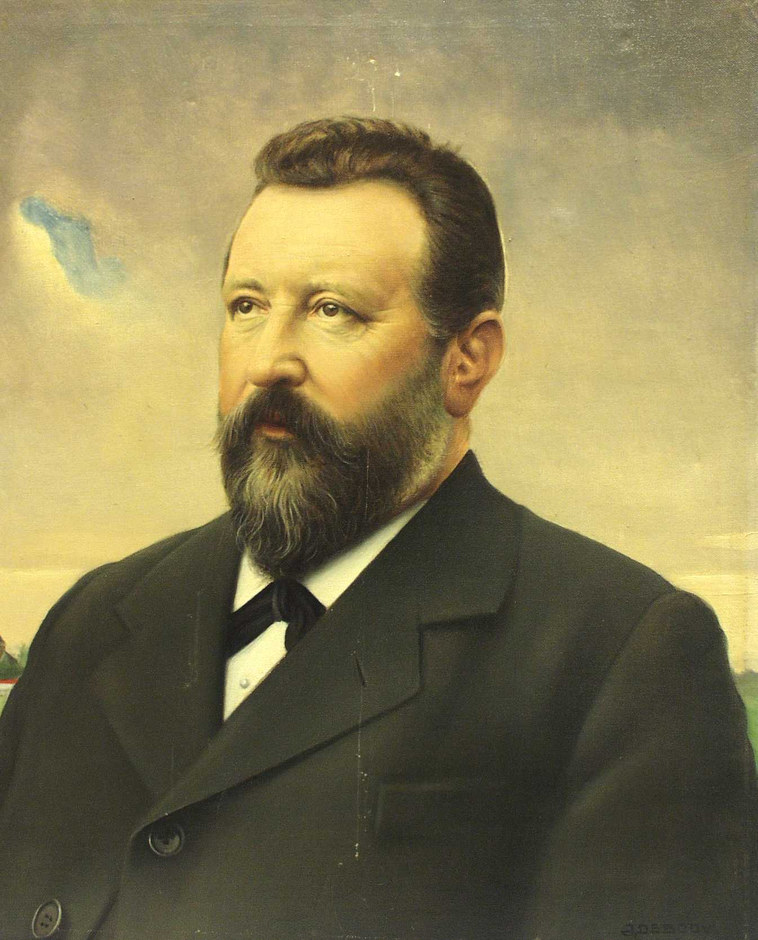
公司的起点在 1866 年,荷兰萨瑟海姆。创办人 Adriaan Frijlink 当年开下一块苗圃,种花球。1928 年起,公司的活计转到国内催花和销往德国。二战之后,他的接班人开始卖包装好的花球,在当时算是这一行的先行者。
1978 年公司搬到北荷兰省的诺德韦克豪特,盖了新厂房。1989 年管理层决定停掉苗圃这一摊,把全部力气放在包装花球的出口上,主要冲着北美市场;此后规模一路扩,2000 年厂房又扩了一次。1990 年,弗里林克家族经营四代之后,公司交到现任管理层手里,创始人的姓氏仍旧留在公司名字上。
库肯霍夫的第一首选供应商
1949 年,公司成了库肯霍夫花园的首选供应商,这是它最早成名的时刻。公司自己的博客里写着「我们是这家公园的第一家首选供应商」,当年园中花坛用的球根就出自这里。
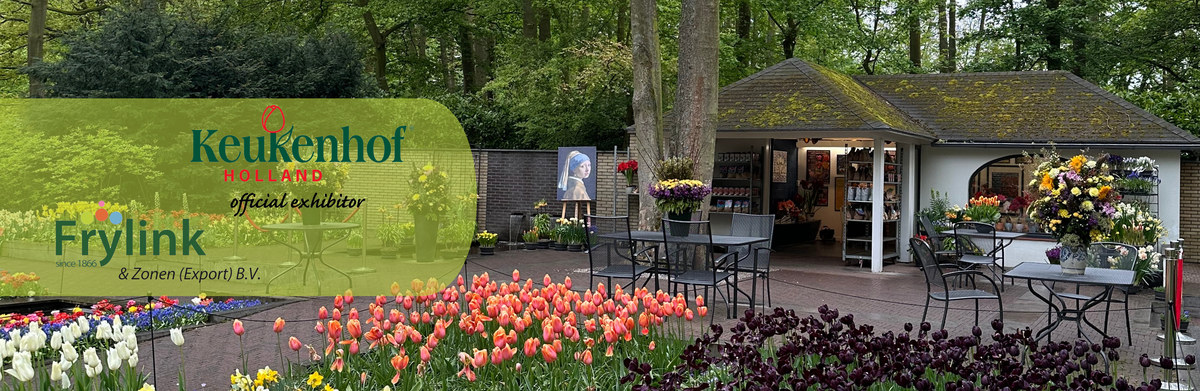
库肯霍夫是 1949 年由一批花球种植户和出口商一起筹办的,1950 年开门,第一年就来了二十多万游客,如今每年过百万。公司在园里有一块自己的花园,还开了一家小店,游客可以当场买球根带回家。网站首页上挂着「库肯霍夫官方参展商」的字样,另有一枚 2026 年官方合作伙伴的标识。
散装、零售包装和自有品牌三条线
公司把供货分成三种方式。散装货面向种植户、出口商、进口商、园艺中心、零售商和园林绿化公司;零售包装是照着零售商货架上的样子做好的成品;自有品牌则是替客户把品牌和包装一起做出来。出门在外用的是自家牌子 Royal Park,网站上的说法是这个名字代表信任、可持续和对自然的承诺。
家庭园艺爱好者是零售网店那头的客人。公司说自己看重的是灵活,小订单和大型绿化工程都接,愿意照客户的意思配货。零售网店按种类分得很细,郁金香一百四十二项,水仙三十九项,朱顶红十六项,风信子十二项,此外还有番红花、贝母、鸢尾、雪滴花等一批。
球根、宿根、观赏草和扦插苗
产品线按花期分成几块。春季开花的球根有郁金香、水仙、风信子、番红花和葱属;夏季开花的有大丽花、百合和唐菖蒲。宿根植物和观赏草以根茎形式出货,运输、存放和分拣都省事。
还有给种植户准备的扦插苗,让他们自己接着养大。博客上的种植文章写得实在:春季球根秋天下地,深度约为球根本身高度的两到三倍,土要排水好。番红花被评为一九二六年的年度球根,博文还提到其中做香料的那一种要一百五十到二百朵花才出一克,花柱全靠人手摘。
认证、质检和按季营业的网店
公司把产地看得很重,只和有口碑的种植户合作,要求市场上流通的花球和植株都是经过认证的。页面上挂着几张标志:MPS-Florimark 良好贸易规范、Bio Suisse 有机认证、欧盟生态标签、Royal Anthos 会员,还有「可持续供应商 · 园艺品质产品」标识。
质检也是专人做的事。招聘页上常年挂着质量检验和全能维修两个岗位,质检员负责每批进出货的验收和记录,还要陪同外部检验机构。零售网店按季节开,现在处于休市状态,已下单的货十月发货,开春再开。每满一百欧元送一袋郁金香,满七十五欧元免运费,页面标的价格已含税,季末还有一次全场八折。
A nursery that began in 1866
The company started in 1866 in Sassenheim, in the Netherlands, when Adriaan Frijlink founded his nursery and grew flower bulbs. From 1928 the work focused on forcing bulbs for the home market and on exports to Germany. After the Second World War his successor started selling packed flower bulbs, and the company has been in that trade ever since.
In 1978 the business moved to Noordwijkerhout in North Holland, where a new building was put up. In 1989 it decided to stop the nursery side altogether and put all its weight on exporting packed bulbs, mainly to North America; the building had to be extended again in 2000. In 1990 leadership passed to the current management, four generations of the Frijlink family having run the company before that, and the founder’s name is still carried in the company name.
The first preferred supplier of Keukenhof
In 1949 the company became the first preferred supplier of Keukenhof Gardens, and its own blog puts it plainly: the bulbs for the park’s flowerbeds came from here. Keukenhof was organised by bulb growers and exporters in 1949 and opened in 1950, drawing over two hundred thousand visitors in the first year and more than a million a year now.
Inside the park the company has a garden of its own and runs a shop where visitors can order bulbs for their own garden, a small showcase of the range it ships to customers worldwide. The home page carries the words official exhibitor next to the Keukenhof name, and a separate badge marks the company an official partner of Keukenhof for 2026.
Bulk, retail-ready packaging and private label
The company sells in three ways. Bulk goes to growers, exporters, importers, garden centres, retailers and landscaping and horticulture businesses that pack or process the goods themselves. Retail-ready packaging is made for garden centres, shops and online retailers who want goods that can go straight onto the shelf. Private label means the company develops the range and the packaging for a customer’s own brand. Everything leaves under the house brand Royal Park, which the company presents as a mark of trust, sustainability and commitment to nature.
Home gardeners are served through the webshop, and the company says it listens to small orders as well as to large projects and offers tailor-made programmes. Retail customers get an online range sorted by type: a hundred and forty-two tulip items, thirty-nine daffodil items, sixteen amaryllis items and twelve hyacinth items, alongside crocuses, fritillaries, iris and snowdrops.
Bulbs, perennials, grasses and plug plants
The range is organised by flowering season. Spring-flowering bulbs include tulips, daffodils, hyacinths, crocuses and alliums; summer-flowering bulbs and tubers include dahlias, lilies and gladioli. Perennials and ornamental grasses are supplied as rhizomes, which makes them easier to transport, store and handle.
Plug plants are offered for customers who want to grow the plants on themselves. The blog’s planting notes for spring bulbs are quite practical: plant them in autumn, roughly two to three times their own height deep, and keep the soil well drained. The crocus was named bulb of the year for 2026, and the blog notes that the saffron species needs a hundred and fifty to two hundred hand-picked flowers for a single gram of spice.
Certificates, quality checks and a seasonal webshop
Origin matters to this company: it works only with growers who have made their mark, and it wants only certified bulbs and plants to circulate. The marks on the site are MPS-Florimark good trade practice, Bio Suisse organic, the EU ecolabel, membership of Royal Anthos and a sustainable supplier seal for horticultural quality products. The vacancies page lists a quality controller and an all-round maintenance post, and the controller checks incoming and outgoing batches, keeps the inspection records and accompanies external inspectors.
The webshop runs with the season. It is closed at the moment, orders already placed are due to be delivered in October, and it opens again in spring. Spend a hundred euros and a bag of tulips comes free, shipping is free above seventy-five euros, and the prices shown include tax and duties. There is also an end-of-season sale at twenty percent off.
相关文章:
 荷兰 韦耶尔斯父子球茎 C.S. Weijers & Zonen – 上千种球根认证批发商
 荷兰 普林斯球茎 Prins Bulbs – 面向英国零售的家族出口商
 荷兰 范哈斯特‑内瓦达花卉球茎 Van Haaster‑Nevada – 350 余种球茎的出口商
 荷兰 扬森海外有限公司 Jansen’s Overseas B.V. – 北荷兰球茎盆栽全球供应商
 荷兰 种球市场 Holland Bulb Market B.V. – 荷兰球茎出口遍及六十多国
 荷兰 罗特费尔父子球茎出口公司 L. Rotteveel & Zonen Export B.V. – 南荷兰球茎出口遍及欧美
 美国 容易种植的鳞茎植物苗圃 – 种苗生产与销售
 荷兰 维斯特 C.J.M. Vester – 荷兰球茎出口与处理商
发表回复