
从采种到装袋都在本地做完
Wildseed Tasmania 在塔斯马尼亚南部的 Sorell 经营,主业是把本州原生的树木、灌木、草类、地被、攀缘植物和蕨类的种子与孢子收上来、处理好、装成袋,再卖给园丁、苗圃和出口商。种子主要在塔斯马尼亚本地采集,也有部分从澳洲其他州的种子商处采购。采回来的种子在自家场地完成干燥、清选,必要时会做熏蒸处理,然后才包装。
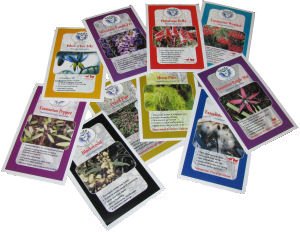
种子包全部是澳洲本土制作,用铝箔袋封,为的是防潮、防霉,延长货架期。袋上写的内容不少:俗名和学名都有,标着「最迟播种日期」,配植物的照片,写明最终能长到多大、抗寒抗旱表现如何、适合种在什么位置,还附上发芽与栽培要点。每包最低装 15 粒,也有 25 粒、50 粒和 200 粒的规格,每克的具体粒数只在能查到时才标,并注明只是参考,不同批次的粒数会有出入。250 克以上算批发,按公斤价计算。
目录里到底有多少种
站上的说法是「最大的塔斯马尼亚本土种子目录」,但目录本身没有给一个总条数。把植物索引页逐个字母数下来,共有 515 个条目,分属 229 个属;从各个属别页面点进去数,落到具体种的是 581 个,跨 244 个属。两个数字接近但不相等,因为索引页里的条目写法更简,页面里还带着栽培品种名和产地标注。种得最多的是桉树属(Eucalyptus)48 个、金合欢属(Acacia)37 个,其次是澳洲桃金娘属(Melaleuca)、澳洲灌木属(Ozothamnus)和 Olearia 属。另有 15 个属被单独归到灌木类页面,野花、禾草与莎草、蕨类、湿地植物、吸虫植物各占一摊。
目录里也收澳洲大陆的原生种,外加少量外来种,站上说明没有全部列出,需要可以直接问。专门需求(按产地的采集批次)、来源信息查询和发芽测试都能安排,批发单里免费附产地资料。零售端另有自己的包装产品线 Seeds from Tasmania,分 9 个颜色编码的系列:金合欢、桉树、花卉草原、花卉石南、茶树与红千层、雨林植物、高山植物、观赏植物、塔斯马尼亚针叶树。这 9 个系列大约 60 个种,零售商可以按 8 组各挑 5 个的方式自由拼出 40 个种的陈列。
为什么这里的种子特别
种子来源与产地信息是这家的主要卖点。近几年塔斯马尼亚的种子供应商普遍改用本地采集的种,因为同一物种不同产地的种群在耐旱和耐热表现上已经拉开差距,选本地种对气候变化的适应更稳。Wildseed 的 9 个系列在选种时也是照这个标准:耐存、好发芽、形态用途明确、抗旱抗冻过关、在园外杂草风险低,并且大致反映了塔斯马尼亚本身的植物面貌。这 9 个系列里约有 30% 的种是塔斯马尼亚独有的。
包装袋上的信息同样按这套思路写:袋上直接标明采收地和原生范围。买散装或大批量时,产地资料会随货一并寄出。
苗圃、订购和出口限制
除了种子,站上还有一间 Wildseed Nursery,同样在 Sorell 附近,种的也是塔斯马尼亚和澳洲的植物,对外预约开放,可以先来挑好再定。苗圃面向的用途写得很具体:农场林业与人工林、环境修复与植被重建、灌丛植被、海岸带、禾草与莎草、湿地、家庭花园、防旱栽植、防风林和防风障。可以只种单一物种,也可以做混合种,规模从单株到成批都行,另有较大的成品苗供应。除了种苗,站上还卖塔斯马尼亚植物的书籍。
下单方式很多:网上、电话、传真或邮寄都行,付款接受现金、支票和信用卡,运费、关税和保险另计。店里常年备着一批未列入目录的塔斯马尼亚原生种,缺货的品种可以先登记订购,到货后补发,受季节影响的品种等待时间会更长。种子发芽率不作保证,但店家表示会从最好的母株上选种;知道发芽方法的可以免费索取。
出口方面有一处限制要提前留意:受检疫规定所限,种子包不能寄往新西兰和西澳大利亚州;寄往这两个地方需要另办植物检疫证明,费用和检疫要求需要单独确认。下单前如果对产地、品种来源或检疫有疑问,直接问店方比事后补手续省事。
塔斯马尼亚的植物为什么特别
塔斯马尼亚是澳大利亚最南端、也是唯一的岛州,与大陆之间隔着巴斯海峡。全州面积 67,800 平方公里,除本岛外还包含弗林德斯岛、巴伦角岛等近海岛屿,首府霍巴特在南纬 43 度。岛上有高原,中央高原从约 1000 米的高度缓缓向东南倾斜;因为四面环海,冬天很少低于零下 7 摄氏度,夏季很少超过 35 摄氏度,降雨则从西部的 2000 毫米以上递减到东部的不足 500 毫米。
全州已知开花植物约 2000 种,其中 200 多种是特有种。植被分两大块:一块是南极或南大洋洲植物群,与南美洲和新西兰联系紧密,其中不少种只长在塔斯马尼亚;另一块是澳大利亚植物群,以金合欢、豆科花和桉树为特色,跟澳洲东南部其它地区共用。植被类型上分温带雨林(桃金娘林)、硬叶林或桉树林(干型与湿型两种)、山地植被、沿海荒地和莎草滩五种。
这是一家家族合伙经营的企业,ABN 45 563 672 321,注册名是 STEVENSON A & HAVLAT H,两个商号 WILDSEED TASMANIA 和 SEEDS FROM TASMANIA 从 2000 年 5 月 28 日起注册。经营的是 Helenka Havlat 和 Andrew Stevenson 两人,苗圃在工作日 9 点到 5 点、周六 9:30 到 4:30 开放,周日和公共假日休息。种子目录、图像图库、植物索引和订购条款在站上都可查,站内搜索可以实时查找页面内容。
Collecting, Cleaning and Packing All Done on Site
Wildseed Tasmania works from Sorell in southern Tasmania. The business is to collect, process, package and distribute seed and spore from the widest range of Tasmanian native trees, shrubs, grasses, ground covers, climbers and ferns, selling to home gardeners, nurseries and export buyers. Seed is collected in Tasmania, or sourced from select seed suppliers in other Australian states. Once collected it is processed on site, dried, cleaned and fumigated where necessary, and only then packed.
The packets are wholly Australian made and foil packed, for freshness, for keeping out moisture and mould, and to extend shelf life. The information on the packet is substantial: common and botanical names, a Sow By date, a photograph of the plant or its feature, the size it will eventually reach, hardiness, the situation it grows best in, and germination and growing notes. Packets hold a minimum of 15 seed, with 25, 50 and 200 also available. Quantities per gram are given where known, but are marked as a guide only, since they vary between collections. Purchases over 250 grams count as bulk and are charged at the kilogram rate.
How Many Species Are in the Catalogue
The site calls itself the largest range of Tasmanian native seeds available online, but no single total is given for the catalogue. Counting the plant index letter by letter gives 515 entries across 229 genera. Counting the individual species pages by genus gives 581 species across 244 genera. The two figures are close but not identical, because index entries are abbreviated while the species pages carry cultivar names and provenance notes. The largest groups are Eucalyptus with 48 species and Acacia with 37, followed by Melaleuca, Ozothamnus and Olearia. Fifteen further genera are filed under separate shrub pages, and wildflowers, grasses and sedges, ferns, wetland plants and carnivorous plants each have their own section.
The catalogue also carries a good range of native seed from the Australian mainland along with a selection of exotic species, and the site notes that not all of it is listed, so it is worth asking. Specialist collections are welcomed, provenance information is available and germination tests can be arranged, with provenance details supplied free on bulk orders. For retail there is a separate product line, Seeds from Tasmania, broken into nine colour coded ranges: wattles, eucalypts, flowering grassland plants, flowering heath plants, tea trees and bottlebrushes, rainforest plants, mountain plants, ornamentals and Tasmanian conifers. Those ranges hold over sixty species, and a retailer can build a display of forty species by taking five from each of eight ranges.
Why the Seed Here Is Different
Provenance is the main selling point. Seed collection across Tasmania has shifted noticeably in recent years, because populations of the same species from different locations now differ enough in drought and heat tolerance that locally collected seed is the safer choice for climate resilience. The nine ranges are selected on the same basis: longevity in storage, relative ease of germination, plant form, hardiness against drought and frost, floral or botanical features, and low weed potential overseas, with the selection also reflecting the flora of Tasmania itself. Approximately thirty per cent of the species in those ranges occur only in Tasmania.
The same thinking runs through the packaging. Each packet states where the seed was collected and which part of the natural range it came from, and provenance notes travel with bulk orders as well.
The Nursery, Ordering and Export Limits
Alongside the seed there is Wildseed Nursery, also near Sorell, growing Tasmanian and Australian plants. It is open to the public by appointment, so visitors can look and select before committing. The listed uses are specific: farm forestry and plantations, environmental and revegetation works, bushland flora, coastal flora, grasses and sedges, wetlands, home gardens, drought proofing, shelterbelts and windbreaks. Production can be single species or mixed, in whatever size is wanted, and advanced plant stock is available. The site also sells books on Tasmanian plants.
There are many ways to order: online, by phone, by fax or by post, with payment accepted in cash, cheque or by credit card, and freight, customs and insurance charged in addition. A stock of Tasmanian native species that are not listed is also held regularly; unavailable items are put on backorder for later supply, and seasonal stock can mean a long wait. Fertility of seed is not guaranteed, though the company says it selects from the best specimens available, and germination methods are supplied free on request.
One point is worth checking before ordering. Biosecurity rules mean seed packets cannot go to New Zealand or Western Australia, and mail to those two destinations needs a phytosanitary certificate, with the cost and quarantine requirements arranged separately. If provenance, collection locality or quarantine is a question, asking the company first is easier than sorting it out after the fact.
Why Tasmanian Plants Are Their Own Thing
Tasmania is the southernmost and only island state of Australia, separated from the mainland by Bass Strait. Its territory, including Flinders Island, Cape Barren Island and other offshore islands, gives it a total area of 67,800 square kilometres. Hobart is the state capital and largest city, situated at latitude 43 degrees south. The island is mountainous, and a central plateau slopes gradually southeast from a height of about 1000m. Being an island, Tasmania is spared extremes of weather: winter temperatures rarely drop below minus 7 degrees C in mountainous areas, summer temperatures rarely exceed 35 degrees C, and rainfall ranges from over 2000mm in the west to less than 500mm in the east.
About 2000 species of flowering plants are known to occur in Tasmania, more than 200 of them endemic. The vegetation has two components, the Antarctic or Southern Oceanic flora and the Australian flora. The Antarctic flora has close links with South America and New Zealand, and many plants of that type are endemic. The Australian floral type is characterised by wattles, pea flowers and eucalypts, which Tasmania shares with the rest of southeast Australia. Several types of vegetation are recognised: temperate rainforest or myrtle forest, sclerophyll or eucalypt forest in both dry and wet forms, montane vegetation, coastal heath and sedgeland.
This is a family partnership, ABN 45 563 672 321, registered as STEVENSON A & HAVLAT H, with two trading names, WILDSEED TASMANIA and SEEDS FROM TASMANIA, both registered from 28 May 2000. The nursery is open weekdays 9am to 5pm and Saturdays 9:30am to 4:30pm, closed Sundays and public holidays. The seed catalogue, the photo gallery, the plant index and the terms of trade are all on the site, and the site search queries pages in real time.



发表回复