
从一块小地开始的球茎生意
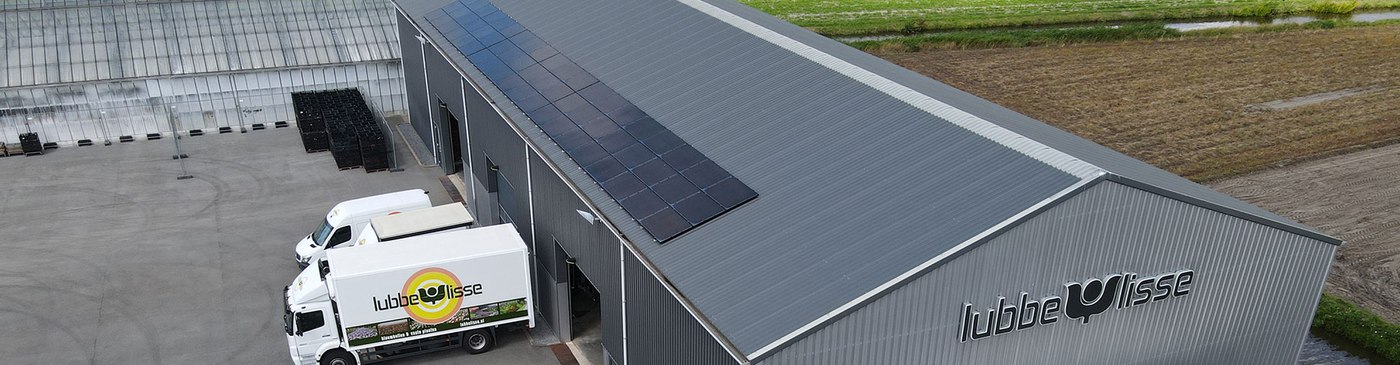
Lubbe Lisse 是一家荷兰 Lisse 的球茎与多年生植物企业,正式名称是 **G. Lubbe & Zonen B.V.**,在园艺圈里以 Lubbe Lisse 之名行事。
公司的起点是 1900 年。当时 23 岁的 Gerardus Johannes Lubbe 是个菜园工,他决定自立门户,**在 Oegstgeest 租下一小块地做起来**。最初几年,他日常做的三件事是卖花卉和蔬菜作物、零售种子、育种水仙。大约在 1920 年前后,他把重心转向球茎,**由此打下今天这家 G. Lubbe & Zn BV 的地基**,并在 1964 年迁到 Lisse。
接下来的一百多年里,这个家族生意把全部精力放在球茎和多年生植物的种植与贸易上。**如今在公司里已经是第四代人在做事**——两位堂兄弟 Michael Lubbe 和 Ronald Lubbe 共同经营。
2025 年 5 月 28 日,公司在自家场地举行了 125 周年庆典,**并在那天获授「hofleverancier」称号**——这是荷兰王室供应商的称号,由国王事务专员 Wouter Kolff 亲自颁发,市长 Lies Spruit 也在场。这个称号差点没拿到:公司要拿出设立文件,但那份文件在二战的一次轰炸中丢失了,最后是靠旧信件往来才把 1900 年的开业证明下来。
需要说明的是,站上公开了完整的街道地址、邮编、办公电话和邮箱。本站不转录这些内容,想联系请直接访问公司站。
三种种植机,和一条固定的作业季
这家公司真正有辨识度的是它的机械种植。**用球茎混合带做公共空间绿化,机器是核心工具**——它能把种植效率提高一个量级,同时把对既有草皮的破坏和交通影响降到最低。这一套做法,公司已经做了 25 年以上。
机械种植一共用三种机器。
传统种植机用于草地或空地。它先把草皮切开并掀起来,把球茎撒到下面,再把草皮整整齐齐铺回去。机器一次种 1 米宽的球茎带,因此需要场地至少留出 1.6 米宽的通行空间。
河堤种植机用于斜坡,坡度最高可到 35 度,种植宽度同样是 1 米。
隐蔽种植机可以直接在树木和障碍物之间作业,把树与树之间的空隙也种上,不留死角。它的种植宽度只有 0.5 米,因此能在传统机器进不去的地方工作。
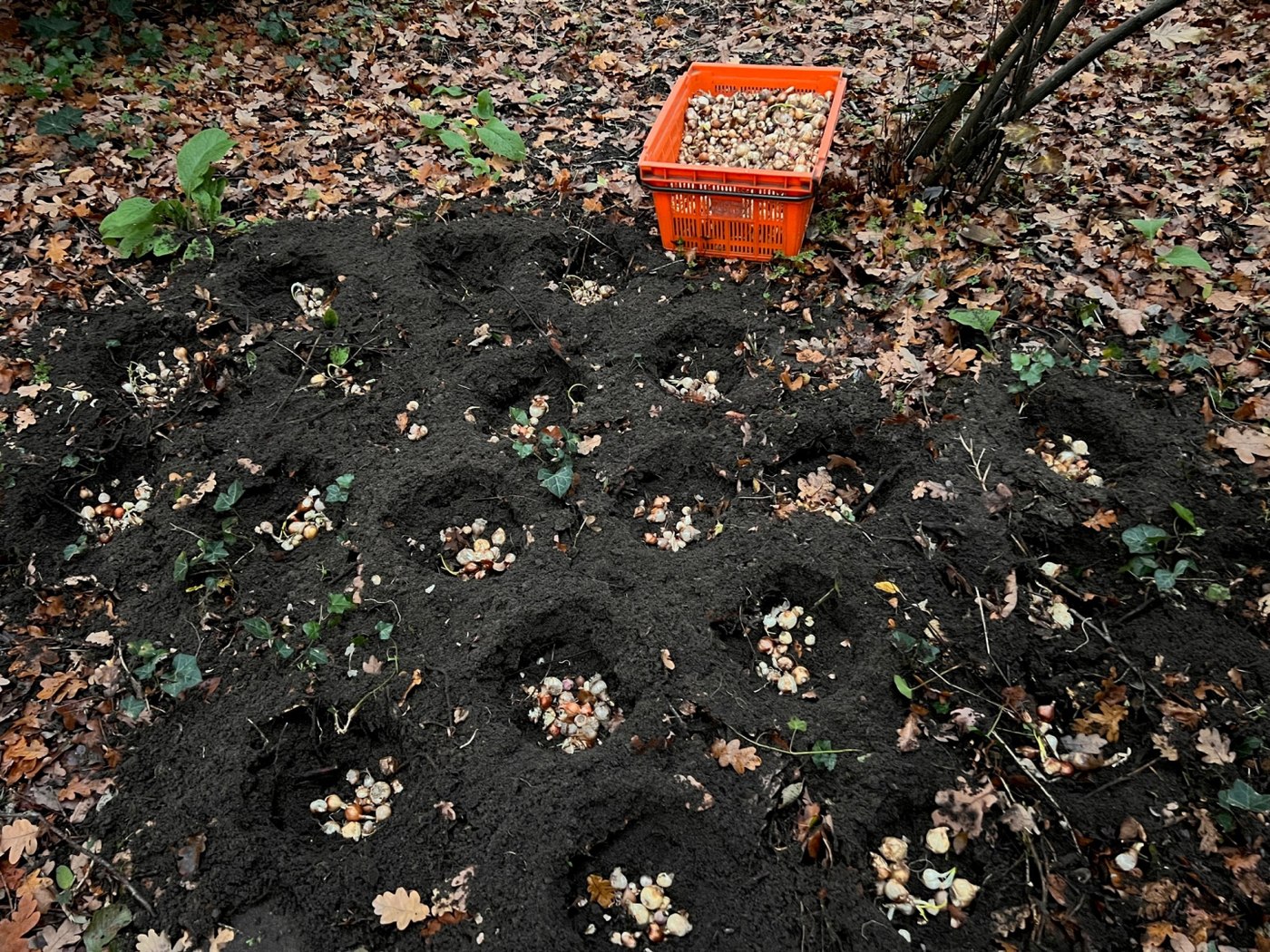
作业季是有节奏的:机械种植从九月中旬开始,视天气一直做到十二月底。公司自己的年度工作日历把全年排得很清楚——一月印目录并开始预售春季球茎,二月代表们下现场看球茎出苗情况,三月运多年生植物,四月栽种,五月配景植物到货并做追肥,七八月播种向日葵,九月球茎入库,十月机械种植开跑,十一月收尾,十二月盘点。
机械种下去的球茎混合带,使用寿命通常约六年,实际长短取决于后期养护和地力条件。这里有个容易被忽略的关键点:必须在叶片完全枯萎之后才能把叶子移除,否则会影响花的健康发育。
价格没有标准价。客户对球茎品种、种植密度和效果的要求各不相同,公司在充分勘查现场后会出具一份量身定做的无约束报价。
客户是公共空间,不是花园
Lubbe Lisse 的客户名单说明了它的定位:市政当局、学校与大学、地产开发商、住房协会、护理机构、主题公园、墓地、场地规划方。它服务的是「景观美化」这门有点复杂的生意——没有两个场地是一样的,所以解决方案必须按气候、日照或阴影、土壤类型和水分管理来定制,而且不只是供植物,还要提供种植和维护方面的指导。
产品线是配套的:球茎、球茎混合带、有机球茎、用于自然化的球茎与 stinzen 植物、草药与野花种子混合带、多年生植物、夏季开花球茎类、草药毯,以及一套叫「Natuurlijk Bloeiende Berm」(自然盛放的路肩)的概念。
应用场景里有几类很具体。花境和花钵/花篮种植是产品级应用,树镜(在树下种球茎形成可观赏的倒影式花面)则是面向场地的做法。环岛是另一类:公司为荷兰各地的许多环岛做设计、栽种和养护,设计时要考虑不同平面视距下驾驶员正确的视线角度,栽种过程必须安全、同时尽量少影响交通。环岛主要用多年生植物,球茎混合带在这些位置也表现良好,但通常靠人工栽种。
还有一类是公民参与。有些项目里,人工种植本身就是活动的一部分——让人们因此更了解本地环境、也更珍惜公共空间。公司做过不少这类项目,提供的是四件事:建立意识、与居民沟通环境问题、指导公民完成种植、给公民的养护提供建议。
近年的项目,能看出方向
公司的项目页上几件事能说明它在往哪个方向走。
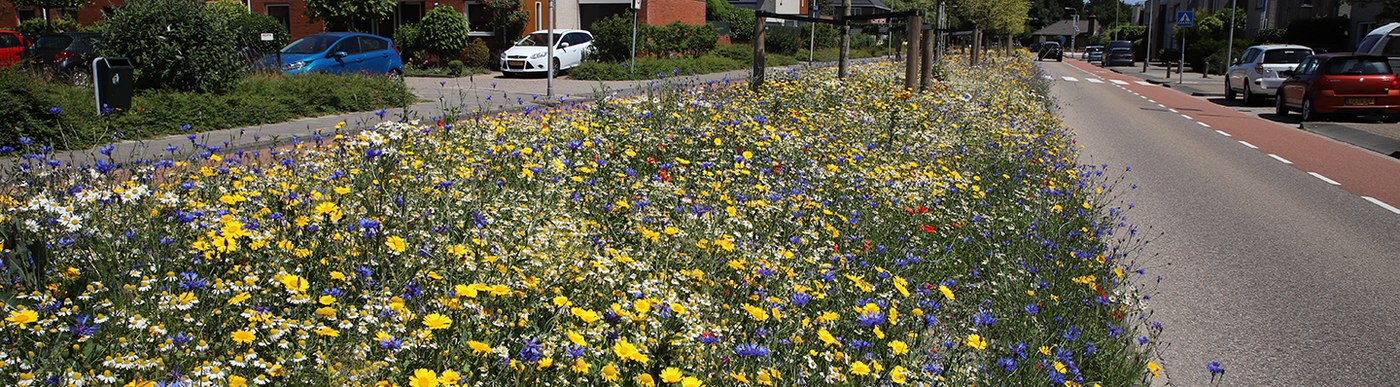
在 HoogTij 工业园区(Westzaan),一条沿路的大草地坡岸被改造成球茎种植区。原先单调的草坪变成了一处能持续数月开花、为传粉昆虫提供食源的彩色景观点。这类做法背后是「Werklandschappen van de Toekomst」这类规划项目的推动——它们在调研中发现,荷兰很多工业园区在绿化上还有空间可挖。
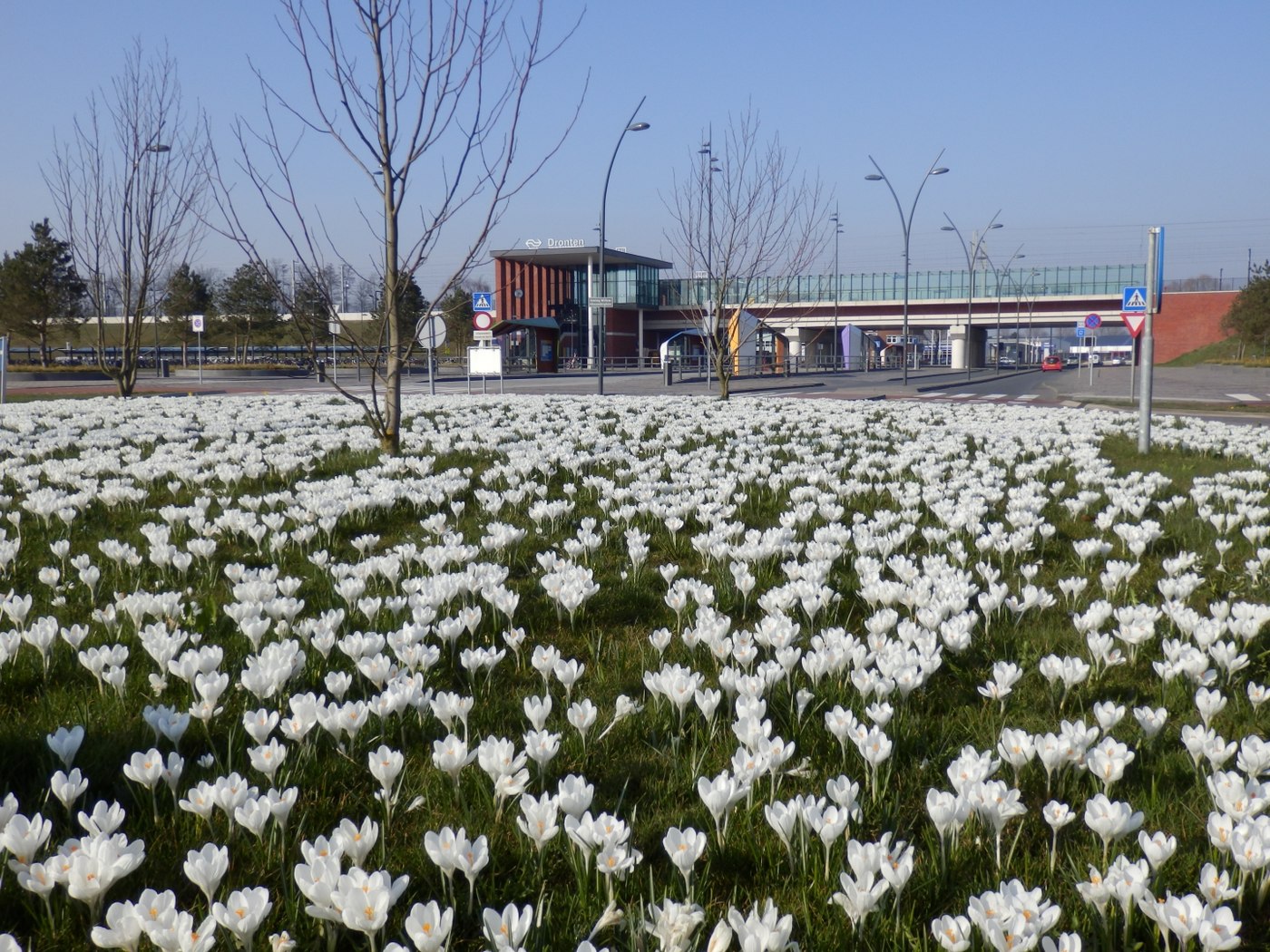
在 Dronten 的 De Wissel 墓地,问题是:怎么让不再使用的墓地区块派上用场,又不破坏墓地的宁静和庄重?做法是采用采摘园概念,让球茎混合带与草药混合带互相配合——布局把季节变化显性化,刺激生物多样性,同时让到访者可以自己采一束花放在墓前。成果不是一个孤立的点缀,而是一套与场地功能相符的种植概念:细心、克制,对到访者和养护方都看得出额外的好处。
在 Alkmaar 的 Kwerenbolwerk,原本只是一条通行的动线,如今长出一块抢眼的球茎花带,吸引人驻足、拍照,让春天在城市里变得可见。Alkmaar 市与 Stadswerk072 一起把这块地方临时改造成一个让人有意停留的场所。
在 Houten,公司用「Lange Lente」这个混合带沿着一处公园里的步行路线种,让一条日常散步的路开满花。
在 Doetinchem 的 Verheulsweide 工业园区,多方合作把原本修剪得极规整的草坪改成会开花的绿色空间,公司与 Donker Groen Doetinchem 一起贡献球茎和草药的专长。在 Breda 的一处住宅区,公司与市政合作种下「4Pleasure」混合带,在几条绿带上做出颜色变化。
可持续是写在指标上的,认证与合作方
公司在 Milieu & duurzaamheid 一节里给了几个具体数字,而不是只讲原则。
运输减碳 27%,靠的是尽量减少球茎的运输动作。骑车带来 76% 更干净的空气——因为公司 76% 的员工骑车或开电动车来上班。100% 电动——种植机、工具、拖拉机和乘用车组成的车队大部分是混合动力和纯电动。厂区照明已全部换成更省电的 LED。
产品侧有两条逻辑。公司提供蜜蜂和蝴蝶友好的混合带,选用大量能产生高产量花蜜和花粉的种类,并在需求最大的时段供应。这一节还给了个背景数字:目前约 350 种野生蜂处于灭绝危险中,而蜜蜂出巢时正需要足够的花粉花蜜——二月初开花的某些球茎正是优质的花粉供应者;而蝴蝶要到晚春甚至夏天才出蛰,所以晚春和夏季开花的球茎才是它们的食物来源。公司挑的混合带就是让这些种类花期前后相接,混种之后才真正好用。
公司列出的认证和伙伴关系包括:
MPS-Florimark GTP——除了产品品质和可追溯性,这一证书也覆盖人员培训、卫生与安全等社会与环境要求。Skal 认证 NL-BIO-01,公司自 2015 年 3 月起属于荷兰有机产品认证企业,证书由荷兰有机认证机构 Skal 颁发。EKO keurmerk——生物贸易与加工企业同样受欧盟有机法规约束,并与 Stichting EKO 一起把发展规划写进 EKO 准则,涉及管理、水与能源消耗、包装、纯净清洁的加工、诚实与透明定价等。另有一个进行中的认证是 「On the way to PlanetProof」,这是荷兰的可持续种植标识。安全方面公司持有 VCA 认证,员工都受过相应培训。
伙伴与网络方面有 NL Greenlabel、Biodivers、De Groene Stad、Stichting Steenbreek、Operatie Steenbreek、Hoek、Jonker、Verheij、Sight、Dolmans、InnoGreen、Vlinderst、Jos Kanters Groenvoorziening、Scholman、Van der Weerd Grafhorst,以及与养蜂和野花道路相关的 Honey Highway 等。
还有一个专门面向英国市场的做法叫 「In the Green」——把带叶的球茎在开花前、开花中或开花后连叶一起栽下。**供货期从一月开始(Eranthis 和雪滴),到四月以原生蓝铃花收尾**,中间还有 Galanthus、Allium 等。这批球茎因为带叶状态可以人工栽种,很适合发动社区参与,把栽种季拉长。这个概念目前只在英国提供。
A flower bulb business that started on a small plot
Lubbe Lisse is a flower bulb and perennial business from Lisse in the Netherlands, formally G. Lubbe & Zonen B.V. and trading in the horticultural world under the name Lubbe Lisse.
It began in 1900, when 23-year-old Gerardus Johannes Lubbe, a market gardener by trade, decided to go into business for himself and took a small plot in Oegstgeest to start. In the early years his daily work was selling flowers and vegetable crops, retailing seed and breeding daffodils. Around 1920 he shifted his focus to flower bulbs, and on that foundation the present company of G. Lubbe & Zn BV was built, moving to Lisse in 1964.
Over the century and more that followed, the family business devoted itself entirely to growing and trading flower bulbs and perennials. Today it is the fourth generation of the family at the helm, with cousins Michael Lubbe and Ronald Lubbe running it together.
On 28 May 2025 the company marked its 125th anniversary at its own site and was granted the title of “hofleverancier”, the Dutch royal warrant, presented by the King’s Commissioner Wouter Kolff with Mayor Lies Spruit in attendance. The title nearly slipped away: the company had to produce its deed of incorporation, and that document had been lost in a bombing during the Second World War, and the family ultimately proved the 1900 founding through old correspondence.
The site publishes the full street address, postal code, office telephone and email address. None of that is reproduced here; the company’s site is the place to reach them.
Three planting machines and a fixed working season
What really distinguishes this company is its mechanical planting. Working with bulb mixture belts to green up public space, the machine is the central tool — it raises planting throughput by an order of magnitude while keeping damage to existing turf and disruption to traffic to a minimum. The company has been doing it this way for more than 25 years.
Three kinds of machine are used.
The traditional planting machine works in grass or on open ground. It cuts the sod and lifts it, scatters the bulbs underneath, then lays the sod back neatly. It plants a 1 metre wide belt of bulbs at a time, which means the site needs clear access over a width of at least 1.6 metres.
The embankment planter is for slopes, handling gradients of up to 35 degrees, and also plants a 1 metre width.
The verstek planter works directly between trees and obstacles, so that no space is left unplanted. Its planting width is only 0.5 metre, which lets it work where the traditional machine cannot go.
The working season has its own rhythm: machine planting starts in mid-September and, depending on the weather, runs on to the end of December. The company’s own annual calendar spells the year out — printing catalogues and starting to sell spring bulbs in January, representatives travelling to sites in February to see how the shoots are coming on, perennials delivered in March, planting in April, basket plants and nursery work in May, maintenance in June, sunflowers sown in July and August, bulbs arriving in September, the packing sheds starting up, machine planting in October, the last loads in November and stock-taking in December.
Machine-planted bulb mixtures typically last about six years, though this varies with aftercare and soil condition. One easily missed point matters here: the foliage must be allowed to die back completely before it is removed, or the health of the flower is affected.
There is no standard price. Clients differ in what they want from bulb varieties, planting density and the result, so after a thorough site survey the company issues a bespoke quotation without obligation.
The clients are public spaces, not gardens
The client list says where the company sits: municipalities, schools and universities, property developers, housing associations, care institutions, theme parks, cemeteries and site planners. It works in the sometimes complicated field of landscaping for public bodies, and no two sites are alike, so solutions are tailored to climate, sun or shade, soil type and water management — and that covers not only the plant material but the whole process of advising clients on planting and maintenance.
The product range follows: flower bulbs, bulb mixtures, organic bulbs, bulbs for naturalizing along with stinzen plants, herb and wildflower seed mixtures, perennials, summer-blooming bulb crops, herb mats, and a concept called “Natuurlijk Bloeiende Berm”, the naturally blooming verge.
Several applications are quite specific. Flower borders and planters and container planting are product-level applications, while tree mirrors — planting bulbs under trees to create a reflecting pool of colour — are a site-based approach. Roundabouts are another category: the company designs, plants and maintains many of them across the Netherlands, taking into account the correct sight lines for traffic at different plan heights, with construction needing to be safe and to cause as little disruption to traffic as possible. Roundabouts mostly use perennials, but bulb mixtures also do well at these junctions, and are usually planted by hand.
Then there is public participation. In some projects, planting by hand is itself the activity — it gives people a better understanding of the local environment and makes them value public space more. The company has been involved in many such projects, offering four things: raising awareness, communicating with residents about the environment, advising and guiding citizens who do the planting, and advice on their aftercare.
Recent projects show the direction
Several things on the company’s projects page show where it is heading.
At the HoogTij business park in Westzaan, a large grass bank along the road was given a new purpose with flower bulbs. The formerly monotonous stretch of grass became a colourful landmark that blooms for months and offers food to pollinators. The kind of initiative behind it is the “Werklandschappen van de Toekomst” programme, whose research found that many Dutch business parks still leave room for improvement in greening.
At De Wissel cemetery in Dronten, the question was how to give disused burial sections a worthwhile function without disturbing the quiet and dignity of a cemetery. The answer was a picking garden concept in which bulb mixtures and herb mixtures reinforce each other — a layout that makes the passing of the seasons visible, stimulates biodiversity and lets visitors pick their own flowers to lay at a grave. The result is not an added extra but a planting concept that fits the function of the place: careful, restrained, and visibly adding value for visitors and for whoever maintains it.
In Alkmaar, at the Kwerenbolwerk, a route that was merely a thoroughfare now carries a striking belt of bulbs that makes people stop, take photographs and makes spring visible in the city. Together with Alkmaar municipality and Stadswerk072, the company turned the spot temporarily into a place people deliberately pause at.
In Houten, the company planted the “Lange Lente” mixture along a walking route through a park near a playground, making an everyday stroll bloom.
At the Verheulsweide business park in Doetinchem, several parties worked together on a greener, more attractive work environment, with Lubbe Lisse and Donker Groen Doetinchem contributing their expertise in bulbs and herbs, turning intensively managed lawn into a flowering green space. In a Breda housing district, the company and the municipality planted the “4Pleasure” mixture, giving several strips in the neighbourhood extra colour and variety.
Sustainability in numbers, and the certifications
The company’s environment and sustainability page gives specific figures rather than principles alone.
27% lower CO2 emissions, achieved by minimising transport movements for the flower bulbs. 76% cleaner air from cycling, because 76% of staff come to work by bicycle or electric car. 100% electric — the fleet of planting machines, tools, tractors and cars is largely hybrid and electric. All lighting on the site has been replaced with far more economical LED.
On the product side there are two lines of logic. The company advises on bee- and butterfly-friendly mixtures, using many varieties that produce high yields of nectar and pollen, released over the period when the need is greatest. That section also supplies a context figure: around 350 species of wild bees are currently in danger of extinction, and bees need enough pollen and nectar when they emerge in early spring — certain bulbs that flower from February are excellent pollen suppliers, while butterflies do not leave their winter hibernation sites until late spring or even summer, so late-spring and summer flowering bulbs suit them. The mixtures the company selects are built so that these kinds flower in succession, which is what makes them work when mixed together.
The certifications and partnerships the company lists include the following.
MPS-Florimark GTP — alongside product quality and traceability, this certificate also covers staff training, hygiene and safety, as well as environmental requirements. Skal certification NL-BIO-01: since March 2015 the company has belonged to the group of certified organic businesses in the Netherlands, and it received the certificate from Skal, the Dutch organic control body. EKO keurmerk — organic trading and processing companies are likewise bound by EU organic legislation, and together with Stichting EKO they have set out their development ambitions in the EKO code, covering management, water and energy consumption, packaging, pure and clean processing, and honesty and transparent pricing. Another certification in progress is “On the way to PlanetProof”, the Dutch label for sustainably grown products. On safety the company holds VCA certification and its staff are trained accordingly.
Partners and networks include NL Greenlabel, Biodivers, De Groene Stad, Stichting Steenbreek, Operatie Steenbreek, Hoek, Jonker, Verheij, Sight, Dolmans, InnoGreen, Vlinderst, Jos Kanters Groenvoorziening, Scholman, Van der Weerd Grafhorst, and Honey Highway, among others associated with beekeeping and the wildflower verge.
There is also an approach made specifically for the UK market called “In the Green” — planting bulbs with the leaves still on, just before, during or after flowering depending on what is needed. Availability runs from January, with Eranthis and snowdrops, until April, when native bluebells bring the planting season to a close, with Galanthus and Allium in between. Because these bulbs are supplied with foliage they can be planted by hand, which makes them well suited to community involvement and lengthens the planting season. The concept is currently offered in the UK only.








发表回复