

一座 18 世纪围墙花园
伍德福尔花园 Woodfall Gardens 在苏格兰西南部加洛韦地区,格拉瑟顿村附近,当地人叫它加洛韦的「秘密花园」。进门只有一道小拱门,穿过去像是进了另一个世界。围墙和四周的林地挡风,把园子围出一份安静和与世隔绝的感觉。
墙体至今还在,园子用手工砖砌成,估计有一百五十万块。外围一圈墙把约三英亩的地方圈起来,内部再用同样高的墙隔成三块,每块大致一英亩。花园从落成到第一次世界大战爆发前一直是全盛时期,当时的园艺总监既要为主宅和庄园供应果蔬和切花,也要打理给家族散步用的赏景园。
谁建起来的
这座宅子和园子是奉海军上将基思·斯图尔特之命建的。他是第六代加洛韦伯爵在世的第二个儿子,1767 年获赐格拉瑟顿男爵领地整整两千英亩。他盖了新房,从英格兰带来掌握当时新技术的农场工人,建起一组雅致的农场建筑,再一并造出公园、林地和这座花园。他 1795 年去世时,工程基本都已完工。
他留下的园子当年什么都有,1795 年一份地方报纸的出租广告里写,园子用十六英尺高的砖墙围着,盛产最上等的果树,温室里的葡萄、桃子和油桃也在丰产。这份广告如今成了考古线索——墙还在,园子怎么运作过,能想出个大概。
几代人接力
上将去世后,妻子很快改嫁,十一岁的儿子詹姆斯继位,但房子被租出去、东西被变卖。詹姆斯后来娶了门第更高的妻子,成了锡兰总督,1819 年把房子和地卖给了邻近 Physgill 庄园的 Stair Hathorn-Stewart 家族。到 1948 年,庄园付不起赋税,整栋房子被拆平,如今只剩台地的草坪能看出它原来的位置。
大约三十五年前,原来的园丁小屋连同花园被格拉瑟顿与 Physgill 庄园分开出售,改名 Woodfall Gardens。此后好几年一直荒着。后来 David 与 Jenny Eckford 花了很多年清理,重新做出一个以香气见长的赏景园;这份工作又由 Lesley 与 David Roberts 接着做到 2012 年 1 月,现由 Ross 和 Liz Muir 继续。
园子里有什么
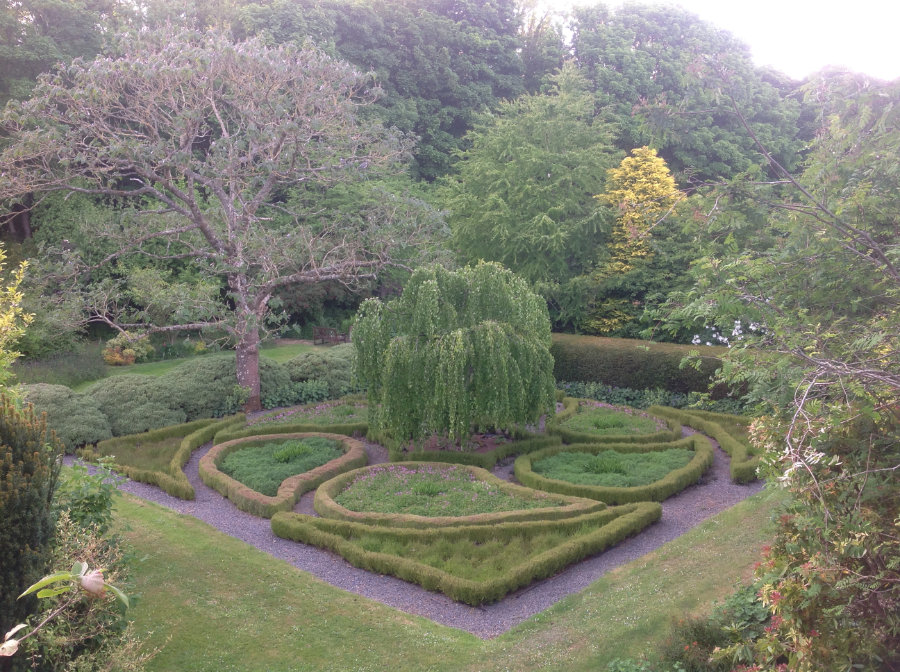
玫瑰园种的是有香气的老式英国灌木玫瑰,另有二十多株攀援和蔓生玫瑰爬在墙上和树上。混播花境靠灌木和多年生植物撑起全年的颜色。厨房花园年年种蔬菜自家吃,有二十种水果,包括当地的苹果和梨品种,还有一块黄杨镶边的香草园。一块大面积的树篱式花坛里种着多年生植物,整片就落在一棵毛地黄树(泡桐)的树荫下。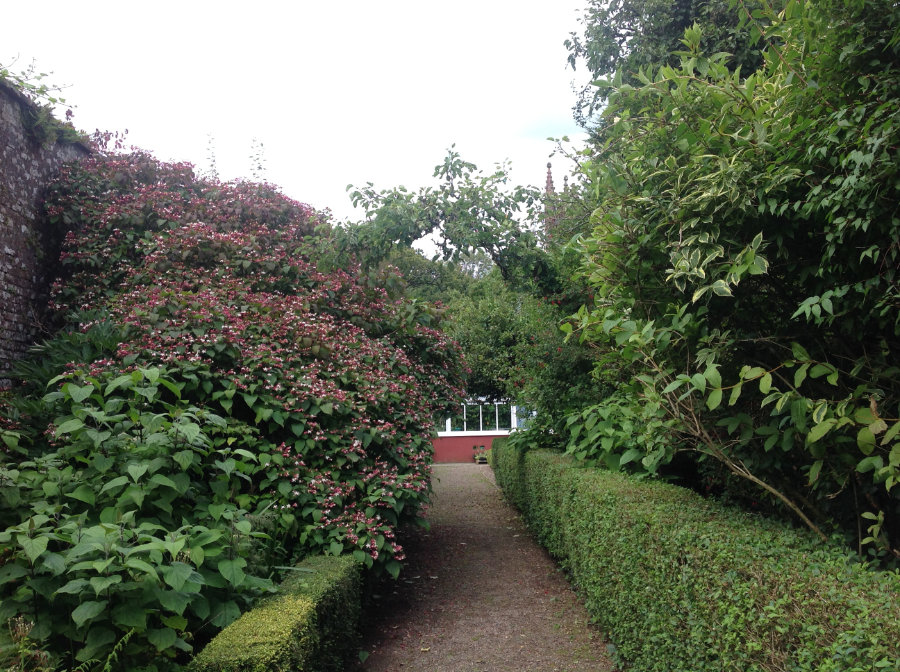
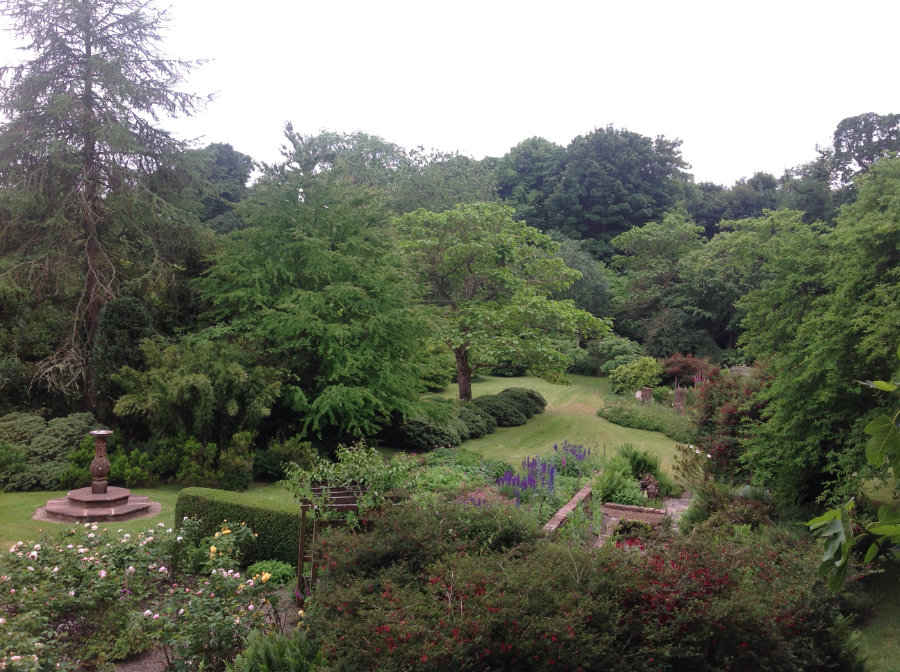
冬季花园种满冬春球根、冬天开花或结浆果的灌木,以及山茱萸这类鲜艳枝条的植物;避暑别墅的旧址上留了一小片蕨园;林地花园春天最好看。墙上爬满攀缘植物,包括十二种弗吉尼亚攀缘藤蔓、许多攀援玫瑰和各种常春藤;杜鹃、木兰、绣球、槭树和报春花穿插在各处。
生态与到访
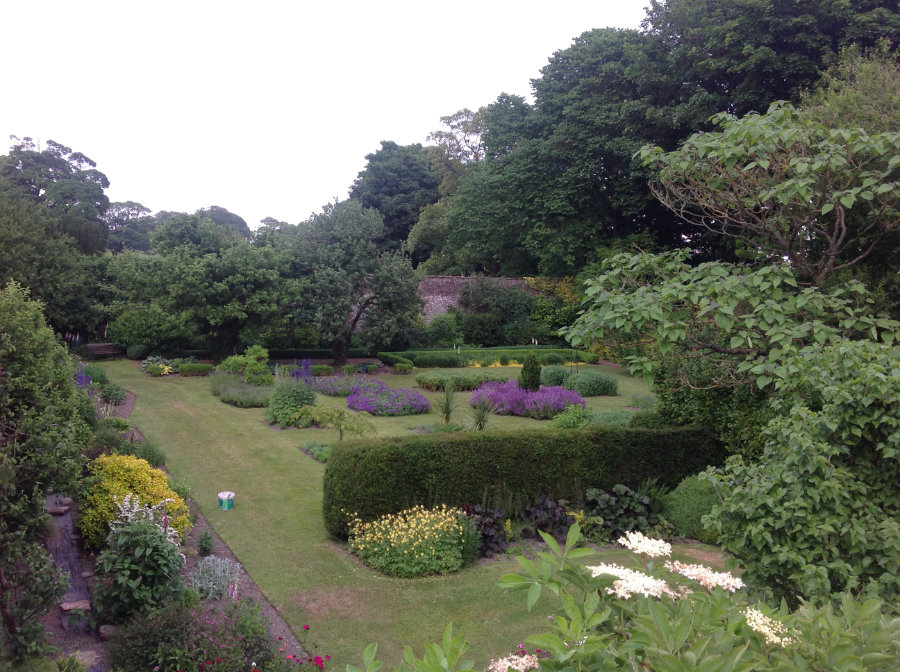
园子里虫蛇各占一角。青蛙、蟾蜍、蝾螈甚至蛇蜥都见过,靠的是留着朽木堆和一角不打扰的湿土。金盏花、毛地黄、醉鱼草这类植物,加上琉璃苣等香草,能招来好几种蜜蜂和食蚜蝇,既帮忙授粉也能压虫。本地和候鸟在园里或四周林地筑巢,树上落下的果实又反过来养了鸟和蝴蝶。
园子里还带一处做绿篱植物的小苗圃,主打适合正式庭园的矮生黄杨,园里的不少灌木和花卉也是自繁的,在植物销售区可以买到。花园平时接受预约到访,另外参加苏格兰花园计划的开放日,2026 年是五月底那个周末两天,上午十点半到下午四点半,成人五镑、儿童随成人免费。从 Newton Stuart 附近的 Whithorn 往西南开两英里即到。
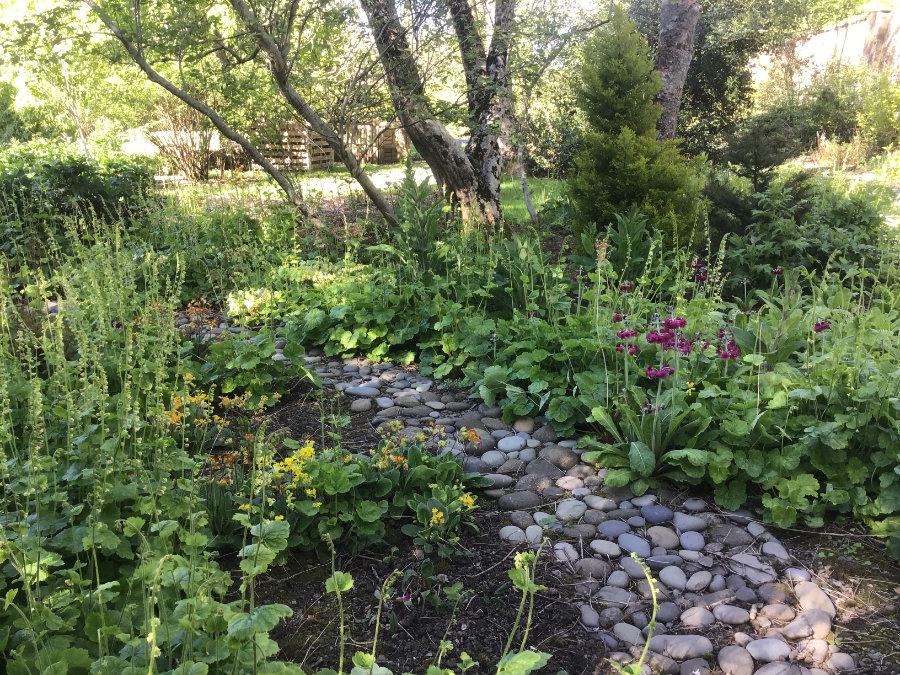
An 18th century walled garden
Woodfall Gardens is near the village of Glasserton in Galloway, south-west Scotland, and is known locally as Galloway’s secret garden. There is a single small arched entrance, and passing through it is like entering a different world. The walls and the surrounding woodland shut out the wind and give the place a sense of security, serenity and seclusion.
The walls are still standing, built of an estimated one and a half million handmade bricks. They enclose about three acres, which internal walls of similar height divide into three separate gardens of roughly an acre each. The garden was in its heyday from the beginning until the First World War: the head gardener supplied fruit, vegetables and cut flowers to the house and estate, and maintained the pleasure grounds for the family.
Who built it
The cottage and gardens were built on the orders of Admiral Keith Stewart, the second surviving son of the 6th Earl of Galloway, who was given the two thousand acres comprising the Barony of Glasserton in 1767. He built a new house, brought in English farm workers with the newest technology of the day, erected a square of elegant farm buildings, and established the parklands, woodlands and garden. He died in 1795, by which point the building work was essentially finished.
A letting notice in a local newspaper in 1795 gives a sense of what the garden held: the pleasure ground extensive and the walks in good order, the gardens containing acres enclosed with brick walls sixteen feet high and stocked with the choicest fruit trees, the vinery, peach and nectarine houses and the melon beds all producing heavily.
A succession of keepers
After the admiral’s death his widow remarried quickly and their eleven year old son James succeeded, though the house was let and its contents sold. James married above his station and became Governor of Ceylon, and in 1819 he sold the house and grounds to Stair Hathorn-Stewart of the neighbouring Physgill estate. By 1948 the rates burden was more than the trustees could carry and the house was demolished; only the terraced lawns mark where it stood.
About thirty five years ago the former gardener’s cottage and the gardens were sold off separately by the Glasserton & Physgill Estate and renamed Woodfall Gardens. The ground lay derelict for some years. David and Jenny Eckford then spent many years clearing it and re-establishing a pleasure garden of beautiful, unusual and often scented shrubs, trees and flowers; Lesley and David Roberts carried that work on until January 2012, and Ross and Liz Muir have continued it since.
What is in the garden
There is a rose garden of scented old English shrub roses, together with more than twenty climbing and rambling roses on walls and through trees. Mixed borders of shrubs and perennials give colour and interest right through the year. A working kitchen garden grows vegetables for the household, with twenty types of fruit including local apples and pears, and there is a box-edged herb garden. An extensive box parterre is interplanted with perennials and set in the shade of a magnificent paulownia tree. A grass garden lets herbaceous perennials set off the forms of the grasses, and a winter garden is filled with winter and spring bulbs, winter-flowering or berrying shrubs, and plants with bright stems such as various types of cornus. There is a small fernery in the remains of the former summer house, a woodland garden at its best in spring, climbers on the walls including twelve types of Virginia creeper, and rhododendrons, magnolias, hydrangeas, acers and primulas throughout.
Much of the planting is horticultural archaeology: the remains of old buildings and garden artifacts give real clues about how the 19th century kitchen garden worked.
Wildlife and visiting
The garden keeps a natural balance between friend and foe. Frogs, toads, newts and even slow-worms have been seen, helped by log piles and undisturbed damp corners left in place. Plants such as tagetes, digitalis and buddleias, and herbs like borage, bring in several kinds of bee and hoverfly for pollination and pest control. Native and migrating birds nest in the garden or the woods around it, and the abundant windfall fruit feeds both birds and butterflies.
There is also a small hedging nursery within the garden, specialising in the dwarf box suited to formal planting; many of the shrubs and flowers in the gardens are propagated on site and sold in the plant sales area. The gardens are open to the public by appointment, and also open for Scotland’s Gardens Scheme days, in 2026 over the weekend at the end of May, from 10.30 to 4.30, with admission of five pounds and children free when accompanied. They lie a couple of miles south-west of Whithorn in the Newton Stewart area.
相关文章:
 苏格兰 德拉姆兰里格城堡花园 Drumlanrig Castle Gardens – 苏格兰国家级造景园林遗产
 英国 莱昂纳德利湖园 Leonardslee Lakes & Gardens – 英国一级登录历史园林
 英国 海斯特库姆花园 Hestercombe Gardens – 英格兰湖畔园艺的代表作之一
 苏格兰荣誉花园 Glorious Gardens – 英国西部花园旅游联合体
 英国 Bridewell Gardens 布里德韦尔花园 – 英国园艺心理健康康复花园
 英国 巴茨福德树木园 Batsford Arboretum – 英国非营利樱花国家收藏园
 加拿大 Estate Gardens 温室 – 季节性温室花园中心覆盖乔木与灌木、一年生与多年生花卉
 苏格兰 卡罗赛德花园 Carolside Gardens – 玫瑰名园苏格兰最浪漫的花园之一
发表回复