
一家把花店拧成一股绳的采购联合体
ekaflor 全称是「园丁与花艺师采购与营销联合体 ekaflor GmbH & Co. KG」,总部在德国纽伦堡,法律形式是德国特色的两合公司:承担无限责任的合伙人本身也是一家有限责任公司,ekaflor 的个人责任合伙人就是 ekaflor Verwaltungs-GmbH。这不是协会,而是一家公司。这一点需要先说清楚,因为它的经营方式与协会完全不同。
它的成员是花店、园艺专营店和面向顾客零售的园艺场子,也就是鲜花店、园艺中心和苗圃一类的中小专业商户。联合体 1995 年成立,起步时覆盖德国和奥地利两个市场,2021 年起扩展到瑞士。公司自己的定位是德语区这类专业零售领域最大的采购联合体。
联合体把服务分成四块,命名很直白:采购、宣传、知识、成长。采购这一块管的是共同下单带来的价格条件;宣传管的是统一的营销动作和年度广告计划;知识管的是经验小组、企业辅导和进修;成长管的是业态概念、自有品牌和认证。四块合起来构成会员实际拿到的东西。
公司自述成员都是各自领域里营收最高、创新最多的花艺和园艺专营企业。这个说法无法从外部核实,但联合体确实有制度上的筛选:加入需要年营业额至少 26 万欧元,还要交 795 欧元保证金(退出时退还),不能同时参加别的采购联合体,还要签署集中结算的 SEPA 授权。会费是每月 39 欧元。
最硬的一条约束是区域保护。乡村地区在每个业态类型下只允许一家成员,覆盖范围按三万居民计算;人口密集区和较大城市的成员之间必须保持三公里以上距离。这条规定的作用是防止会员在自己的地盘上互相抢生意,而不是防止和别家竞争。
需要说明的是,站上把总部的完整街道地址、电话、传真、邮箱、工商登记号和税号都公开列出,团队页还逐一给出每位成员的直线电话和邮箱。本站不转录这些信息,想联系请直接访问公司站。
共同采购靠的是数量而不是折扣谈得好
采购联合体的原理很直白:会员各自能订的量太小,供应商给不到好条件;四百多家店把订单凑在一起,量就上了一个台阶。联合体拿这个量去跟供应商谈框架合同和数量折扣,会员拿到的是拿不到的条件。
规模上,站上给出的数字是超过 440 家花艺专营店和零售经营单位,以及约 230 家合格供应商;而在另一页和公司自己的介绍里写的是约 240 家合作供应商。展会主办方 IPM Essen 的参展商资料给的是 430 名会员。两个数字略有出入,站上没有说明差异。旧版文章写的是大约 280 家合作供应商,那个数字现在已经过时了。
除价格条件外,还有几项是中小商户自己做不到的。集中结算把所有订单合成一张发票、一个付款日,会员不用逐家供应商对账。预置货盘按行业分类打包成成套商品,加快补货速度。联合体还组织展会采购、季节性的集体采购行程(比如去荷兰),以及供应商的展厅参观。
这些服务的组织方式也是采购联合体的通行做法:会员保留经营自主权,采不采哪项服务自己决定。公司在介绍里明确说「一切都是自愿的,不会强迫任何会员企业」。
自有品牌 1A Garten:把基质和肥料做成自己的标签
联合体给会员提供的一个实物是自有品牌 1A Garten,主打两类产品:园艺基质和肥料。按公司说法,这些配方由有经验的园艺师开发,面向高要求客户。
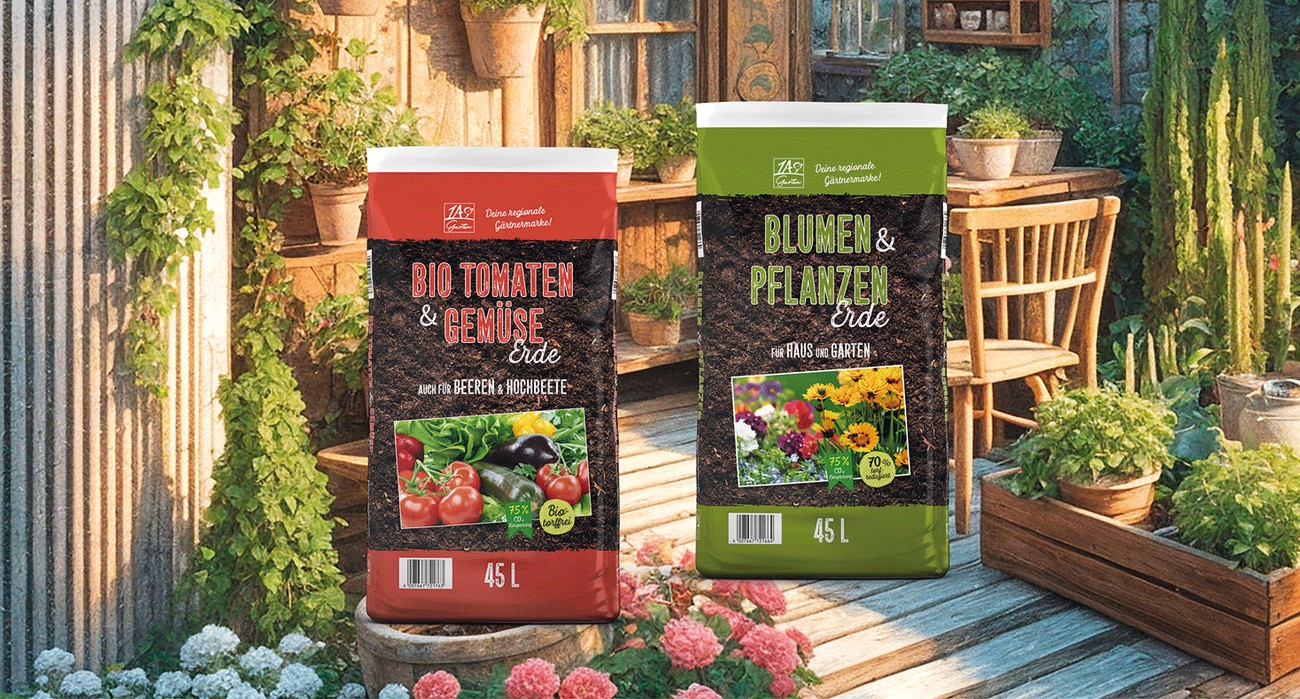
这款自有品牌基质走的是两条环保路线,参数写得很具体。有机番茄与蔬菜土完全不含泥炭,标称生产环节减少 75% 二氧化碳排放,适用于浆果灌木和高床种植,有 45 升和 70 升两种规格。花卉与植物土把泥炭含量降低了 70%,同样减少 75% 排放,适用于室内盆栽、露台和阳台的桶栽植物以及花园,有 20 升、45 升和 70 升三种规格。
把自有品牌交给会员企业去卖,这一步的意义在于:基质和肥料这类同质化商品,很难靠产品本身做出区分,而贴上自己的标签就能改变毛利结构和顾客认知。联合体把自有品牌、业态概念和门店视觉设计打包成模块,既有店也能逐步换装,新建店则可以一次到位。
业态概念目前有两个:1A Blumen(花店)和 1A Garten(园艺中心)。模块包括企业视觉与动线规划、终端陈列物料与标识、年度广告计划,以及配套的辅导和培训。
产品层面还有几个专供概念。成组玫瑰按 50 厘米长、每 10 支一束、10 束一桶、水中供货的价格供应,最低每周订两桶,需签至少三个月协议。甘油玫瑰用特殊处理能把玫瑰的观赏期延长到三年,作为差异化品类卖给顾客。这类产品的共同点是别的联合体成员不好仿,因为需要专属供货和专门培训。
可持续认证:从荷兰的标志借来
联合体在可持续方向上做的一件具体事,是把荷兰 Stichting Milieukeur(SMK)的「Nachhaltiger Florist」质量标志引入德语区,替会员办理认证。这个标志在荷兰已经运行多年, ekaflor 是把它推到花店认证阶段的推动方之一。
标志的要求分两类。一类是经营环境:只用生态电力,按双系统分类处理垃圾并使用可见容器,规范处置危险物质,使用本企业自有的欧洲认证原料,纸质包装须未经漂白或带有欧盟环境标志、北欧 Swan 或 FSC 认证。另一类是供应链:评估切花和植物的来源与生产方式,同时对企业管理和员工待遇提出较高要求。插花海绵要选用生物基含量至少 20% 的替代产品。
这套要求不低,但也正因如此,标的目的就是让持证商户在市场上能被区分出来——认证结果公开可查,顾客看得到。相比会员自己在商店里贴一个环保标签,走第三方认证要难一些。
治理、活动与合作网络
联合体的治理结构是监事会(Aufsichtsrat)加管理层。监事会的成员全部来自会员企业,按任期轮换选举,职责是监督战略方向、代表会员利益、推动联合体的持续发展。公司把这描述成「从中心出发的参与」,意思是谁都不是外部来管这个组织的。
2024 年 7 月起的监事会名单能看到一个有意思的分布:主席 Mathias Bair 经营 Blumen Bair GmbH,地点在奥地利因斯布鲁克;副主席 Andreas Rombach 的 Blumen Rombach 位于德国巴登符腾堡的 Glottertal。其余成员分别来自巴伐利亚、黑森、萨克森、下萨克森和北威-威斯特法伦的门店。名单里七个人只有一人在奥地利,其余六人在德国各州——这大致反映了会员的地域构成。
监事会的存在也解释了联合体为什么能长期维持统一标准:规则由会员自己定,而不是外部机构强加。管理层由 Sebastian Winkler 负责日常经营。
作为采购与营销联合体,对外曝光是本职工作的一部分。联合体每年参加一系列园艺和花艺行业展会,其中在法兰克福举办的 Christmasworld 是固定展位,会员可以到展位来交流采购和营销方案。会员还可以参加联合体组织的采购行程,包括去荷兰的集体采购和供应商展厅参观。
咨询这块由联合体的子公司 eka – dieberater GmbH 承担,面向绿色行业提供企业辅导、经营优化和经验小组服务。经验小组的做法是同一类业态的经营 者定期坐到一起交流实际问题,由外部专家参与——这一条对应的是联合体成立时的初衷:让中小专业商户靠互助获得大企业才有的能力。
联合体自己也在做内容:一份叫 ekaflor.aktuell 的周刊通讯,以及一个面向会员的 Partnerweb 采购联合体,采购动作、独家活动和供应商条件都通过这两个渠道发布。公司另有一个独立的花艺用品网店,为花店提供日常耗材和营销物料。
A purchasing group that pools flower shops
ekaflor is short for the Einkaufs- und Marketingverbund für Gärtner und Floristen ekaflor GmbH & Co. KG, headquartered in Nuremberg, Germany, and formed as a German partnership company with a limited liability company as its personally liable partner, ekaflor Verwaltungs-GmbH. It is a company, not an association, and it operates quite differently from one.
Its members are floristry shops, garden centres and other specialist retailers serving end customers — the small and medium professional florists and nurseries. The group was founded in 1995, starting with the German and Austrian markets and adding Switzerland in 2021. It describes itself as the largest purchasing group for this kind of specialist retail in the German-speaking world.
It organises what it offers into four parts, named plainly: buying, advertising, knowledge, and growing. Buying covers the pricing that comes from ordering together. Advertising covers joint campaigns and annual advertising plans. Knowledge covers experience groups, business coaching and training. Growing covers business-type concepts, own brands and certification. Together these make up what members actually receive.
The company says its members are among the highest-revenue and most innovative floristry and nursery businesses in their fields. That cannot be verified from outside, but the group does screen applicants on paper: minimum annual turnover of EUR 260,000, a EUR 795 deposit refundable on leaving, no membership of any other purchasing group, and a SEPA mandate for central settlement. The subscription is EUR 39 per month.
The firmest constraint is territorial protection. In rural areas only one member per business type is admitted within an area of up to 30,000 inhabitants; in conurbations and larger cities members must be at least three kilometres apart. The rule exists to stop members competing with each other on their own doorstep, not to shield them from outside competition.
The site publishes the full postal address, telephone, fax, email, register number and tax number, and the team page lists a direct line and email for each member of staff. None of that is reproduced here; the company’s site is the place to reach them.
Why pooling buying works
The mechanism behind a purchasing group is straightforward. A single shop orders too little to earn good terms; four hundred of them pooling orders reach the volume at which a supplier will negotiate. The group uses that volume for framework agreements and volume discounts, and members receive conditions they could not obtain alone.
On scale, the site gives over 440 floristry shops and retail businesses together with around 230 qualified suppliers; elsewhere, and in the company’s own description, it says around 240 partner suppliers. The IPM Essen exhibitor profile gives 430 members. The figures differ slightly and the site does not explain the gap. The old version of this article said around 280 partner suppliers, which is now out of date.
Beyond price, there are things a small shop could not arrange on its own. Central settlement merges all orders into one invoice and one payment date. Pre-assorted product ranges are packaged into industry-specific sets to speed up replenishment. The group also runs trade-fair buying, seasonal collective buying trips such as to the Netherlands, and showroom visits to suppliers.
How these are offered matters too. Members keep operational independence and choose which services to take up. The company states plainly that everything is voluntary and no member business is forced into anything.
The 1A Garten own brand
One tangible thing the group provides is its own brand, 1A Garten, covering growing media and fertilisers developed by experienced growers for demanding users.
The brand runs two environmental lines with specific figures. Organic tomato and vegetable soil is entirely peat-free and is stated to cut CO2 emissions in production by 75 per cent; it suits soft fruit bushes and raised beds and comes in 45 and 70 litre sizes. Flower and plant soil reduces peat by 70 per cent with the same 75 per cent CO2 saving, suits indoor pot plants, terrace and balcony container plants and gardens, and comes in 20, 45 and 70 litre sizes.
Handing an own brand to member shops to sell matters because growing media and fertilisers are hard to differentiate on the product itself. Putting a private label on them changes both the margin structure and how customers perceive the shop. The group packages the own brand, business-type concept and store design into modules, so existing shops can adopt it in stages while new shops can go in from the start.
There are two business-type concepts: 1A Blumen for florists and 1A Garten for garden centres. Modules cover corporate design and floor planning, point-of-sale materials and signage, annual advertising plans, and the coaching and training that go with them.
Several product concepts are supply-exclusive. Bundle roses are supplied at a special all-year price, 50 cm stems, ten to a bunch and ten bunches to a bucket, delivered in water, with a minimum order of two buckets per week and a minimum three-month agreement. Glycerine roses use a special treatment that makes roses last up to three years. The point of such items is that they are hard for other members to copy, since they depend on dedicated supply and specific training.
Sustainability certification borrowed from the Netherlands
One concrete thing the group has done on sustainability is bring the Dutch Stichting Milieukeur (SMK) “Nachhaltiger Florist” quality mark into the German-speaking market and handle certification for its members. The mark had already run in the Netherlands for years, and ekaflor was one of the parties pushing it into floristry certification.
The requirements fall into two groups. The first concerns operations: electricity from certified renewable sources only, waste separated into a dual system using visible containers, hazardous substances disposed of properly, own-brand EU-certified raw materials, and paper packaging that is either unbleached or carries the EU Ecolabel, the Nordic Swan or FSC certification. The second concerns the supply chain: the origin and production method of cut flowers and plants are assessed, while corporate management and the treatment of employees are held to a high standard. Floral foam must be an alternative with at least 20 per cent bio-based content.
These are demanding standards, which is the point: a certified shop can be told apart in the market. Because certification is public and verifiable, it carries more weight than an environmental sticker put up by the shop itself.
Governance, events and the network
The group is governed by a supervisory board (Aufsichtsrat) plus management. The board is made up entirely of member businesses, elected in rotation, and its job is to oversee strategic direction, represent members’ interests and support the group’s continued development. The company calls this engagement from the centre, meaning nobody external runs the organisation.
The board in place since July 2024 shows a telling distribution. Chair Mathias Bair runs Blumen Bair GmbH in Imst, Austria; deputy Andreas Rombach’s Blumen Rombach is in Glottertal in Baden-Württemberg. The remaining members come from Bavaria, Hesse, Saxony, Lower Saxony and North Rhine-Westphalia. Only one of the seven is in Austria, the other six in German states, which broadly reflects where the membership sits.
The board’s existence also explains how the group has kept uniform standards over time: the rules are set by members rather than imposed from outside. Day-to-day operations are run by Sebastian Winkler.
For a purchasing and marketing group, being visible outside is part of the job. The group attends a series of horticulture and floristry trade fairs each year, with a fixed stand at Christmasworld in Frankfurt where members can come and discuss purchasing and marketing schemes. Members can also join the group’s buying trips, including collective buying in the Netherlands and supplier showroom visits.
The advisory work is carried by the subsidiary eka – dieberater GmbH, which offers individual advice, coaching and experience groups tailored to the green sector. The experience-group format brings owners of comparable businesses together to work through real problems with an outside expert involved. That maps back to the founding aim: giving small and medium specialist retailers access to capabilities only large companies normally have.
The group produces its own content as well: a weekly newsletter, ekaflor.aktuell, and a Partnerweb platform for members, through which purchasing actions, exclusive campaigns and supplier terms are published. It also runs a separate floristry supply webshop offering daily consumables and marketing materials.
相关文章:
 德国 Evergreen Garden Care Deutschland 园艺护理 – 主营园艺肥料、草坪养护、植物护理用品
 德国 中央园艺协会 ZVG – 园艺业的行业组织与经济团体
 德国 花园青蛙公司 Gartenfrosch GmbH – 手工方式制作花园高架木花床与种植容器
 德国茶花协会 DKG – 长期在欧洲推广茶花的栽培、繁育与文化传播
 德国 水花园爱好者协会 – 致力于推动水生和沼泽植物的研究、栽培与应用
 德国 Mein schöner Garten 订阅商店 – 德国十余种园艺刊物订阅服务
 德国 食虫植物协会 – 德语区食虫植物爱好者论坛
 德国 Hauert MANNA 肥料公司 – 全品类园艺与专业肥料
发表回复