

一个专写枯山水的德语站点
站名的主词是「Zengärten」,页首那枚标志是一朵莲花压在两行字上面。域名分两截,后一截是德语,意思是图片廊。全站只有德语一种语言,导航分成枯山水、日本庭园和池塘庭园三块。
文章一共十三篇,最早一篇发在 2018 年 4 月,最近一篇停在 2022 年 11 月。博客之外还挂着三个固定页面:日式庭园为什么越来越受欢迎、池塘庭园的妙处在哪,以及版权与隐私声明。
栏目分了五个,枯山水占七篇,日本庭园三篇,池塘、药用植物和配件各一篇,那篇药用植物写的是大麻油的来历、成分和相关规定。
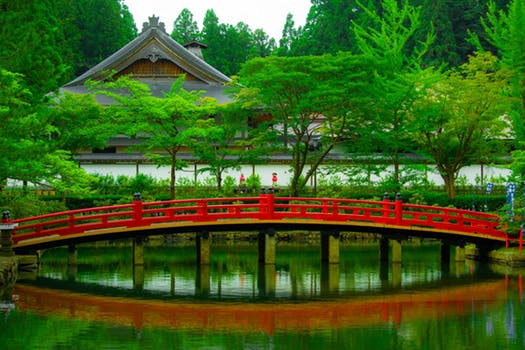
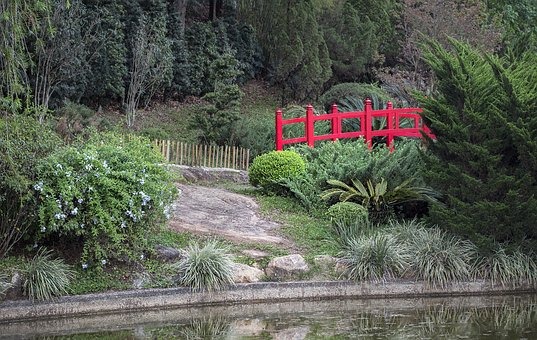
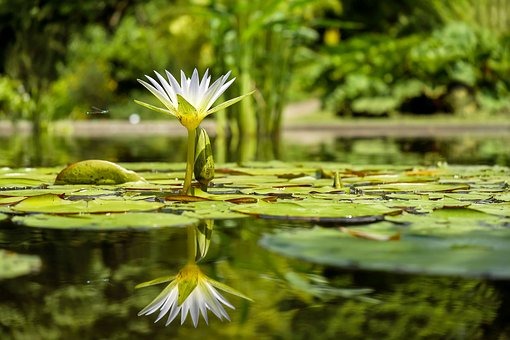
图片是另一条线。页脚排着三张水景照,一座红桥、一朵睡莲和满池荷叶;另外 zen125 和 zen7684 是两个单图页,各放一张照片的原图。
枯山水是怎么来的
站里把枯山水解释成日式石庭:石子、砾石或岩块摆成一道弯曲的线。这套做法有几百年传统,起初是禅宗和尚拿来做禅定的场地,打理和观看这个园子本身就是冥想的一部分。
传统上园子里只用土和石两样东西——砾石、岩石和石块。除了苔藓,通常不种别的植物,盆景是寺院以外才有的例外。在日本,砂面上会耙出一道道细线,看着像水在动。
站里有一篇把几样东西的意思列得很清楚:苔藓代表智慧,是那片土地上唯一被允许的植物;石头代表自然界的生灵,也代表神;树代表生命,也供氧气;砂代表水,因为最早的枯山水园里根本没有水。

自己动手造一个
动手之前先画图。站里建议把所有要素画在方格纸上,施工时照着来;园子大的话借一台小型挖掘机就够,其余都是日常工具。跟园子相接的露台地面,用喷砂机清理最省事。
具体做法分几步。先用木桩和长绳圈出将来铺砾石的范围,铲掉草根和杂草,挖到二十厘米深;底下铺一层防草膜或者防水布,再把砾石或砂倒上去,以后的杂草就不用再拔。种小树时在膜上割个十字塞进去,回填时用砂盖住。
大石头小石头摆成波浪形,象征山景。佛像、石灯笼这类摆件放在石头之间,宁可少放一个。最后拿耙子在砂上梳出细线,线看不出起点也看不出终点,代表水。站里还提醒一句,园子看着越简单越好,别种得太密,因为还要摆石头。
再配一个池塘
池塘那篇讲的是铺垫式池塘的做法:面积从五平方米起步,选在半阴的地方,浅水那一侧要留出阳光给水生植物,再配一台水泵,想让水清澈就挑带紫外线灯的型号。
挖池子有几处细节。先把表土整体起出来运走,池子本身要分出深水区和浅水区,深水区至少挖到一百二十厘米深,池底铺一层专用衬布,免得池膜被石子划破。池膜按尺寸算,长度是池长乘两倍池深再加六十厘米余量,宽度是池宽乘两倍池深再加六十厘米。铺膜要在十五度以上才好操作,边缘用石头压住。
另有一个专门讲池塘庭园的页面,说池塘在园艺里是最难的一门,而水景造出的视线轴能不断变出新的观看角度。
要花多少钱,保险公司怎么算
站里对成本的写法比较实在:造一个枯山水至少要几百欧,按日本样式做的小园子一般不超过八百欧。差别主要来自园子尺寸、要买的摆件和做成哪种式样。动手前先把草坪的面积量准,砂石、石头和摆件各要多少才心里有数,能省的支出就省下来了。
保险那部分站里专门提了一段:园子最好在房屋保险和财产险里一并算进去,因为多数房屋保险本来就含花园、车库和园屋这一项,风吹雨打或者人为破坏出了事才有着落。
后几篇转到露台和配件:露台铺哪种木地板合适,按摩浴池放进去算不算破坏风格(如今不算),园子里装光伏板可以挂在篱笆或廊架上,既不占地方,风里也更稳当。
A German blog built around zen gardens
The name hangs on one word, Zengärten, and the mark in the top left is a lotus sitting over two lines of type. The domain is in two halves, the second of them the German word for picture gallery. German is the only language on offer, and the navigation splits into zen gardens, Japanese gardens and pond gardens.
There are thirteen posts in all, the earliest going up in April 2018 and the most recent dated November 2022. Three fixed pages sit alongside them, on why Japanese gardens keep winning fans, on what makes a pond garden special, and the legal notice.
The archive is split into five categories: seven posts on zen gardens, three on Japanese gardens, and one each on ponds, medicinal herbs and accessories. The herbs one traces where hemp oil comes from, what is in it and what the rules say.
The pictures run as a separate line. Three water scenes sit along the foot of every page, a red bridge, a single water lily and a pond covered in pads, and two single-picture pages, zen125 and zen7684, each holding one photograph at full size.
Where the form comes from
The site describes a zen garden as a Japanese stone garden: stones, gravel or boulders laid out in a curving line. The form goes back several hundred years to Zen monks who used such a garden for sitting meditation, and the old Asian name Kare-san-sui carries that sense of contemplation with it. Keeping and looking at the garden is itself part of the practice.
Traditionally the garden used earth and stone and little else, namely gravel, rock and boulders. Apart from moss few plants appear, bonsai being the exception outside temple grounds. In Japan lines are raked across the gravel surface, and the eye reads them as moving water.
One post sets out what the elements mean: moss stands for wisdom and is the only growth form the country of the rising sun allows; stones stand for the wild life of nature and for the gods; trees stand for life and for the air they give; sand stands for water, since the earliest zen gardens had none.
Building one yourself
Plan it on paper first. The site suggests drawing every element on graph paper and working from that drawing; a small excavator is worth hiring if the garden is large, and ordinary tools will do the rest. Where the terrace meets the garden, a sandblaster clears the surface quickly.
Then the steps. Mark out with stakes and a long line the area that will later hold the gravel, clear grass, roots and weeds, and dig down about twenty centimetres. Cover the ground with a weed mat or a waterproof sheet, spread the gravel or sand on top, and you will not be pulling weeds out of it for years. Cut a cross in the mat for a small tree and cover it again with gravel.
Set the large and small stones in waves, since they stand for a mountain landscape. Put a figure, a Buddha or a stone lantern, between the stones, and put in one fewer than you want to. Last of all, rake fine lines into the sand: the lines show no beginning and no end, and they stand for water. The site keeps returning to one point. Keep the garden open. Plant it densely and there is no room left over for the stones.
Adding a pond
The pond article works through a foil pond. Plan it from five square metres upwards, put it in half shade, leave sun on the shallow side for the water plants, and fit a pump, choosing a model with a UV lamp if you want the water to run clear.
Digging has its details. Strip and cart away the topsoil, divide the hole into a deep zone and a shallow one, and take the deep zone down to at least one hundred and twenty centimetres. Line the bottom with a pond mat so the foil is not punctured by stones. Work the foil out from your measurements: the length is the pond length times twice the depth plus sixty centimetres of margin, and the width is the pond width times twice the depth plus sixty centimetres. Lay it above fifteen degrees and weigh the edges down with stones.
A separate page treats the pond garden on its own, calling the pond the hardest discipline in gardening, and noting that the sight lines a pond creates keep opening up fresh angles to look from.
What it costs and what the insurance does
On cost the site is matter of fact. Expect several hundred euros for a zen garden, and small gardens in the Japanese manner generally come in under eight hundred. What moves the figure is the size of the space, the figures you buy and the style you aim for. Measure the lawn area first, work out how much sand, gravel, stones and figures you need, and the bill stays down.
Insurance gets a paragraph of its own. The garden is worth counting in the house and buildings insurance, since most policies already include the garden, the garage and the garden house, which is what covers you when wind, weather or vandalism does damage.
Later posts turn to decking and accessories: which boards to lay on the terrace, whether a whirlpool fits in without spoiling the style, which it no longer does, and putting solar panels on a fence or a pergola, which takes up little room and stands up better in the wind.
相关文章:
 日本 花园词典 Japanese Garden Dictionary – 日本庭园学术资源库
 德国 露地日本庭园 ROJI Japanische Gärten – 日本庭院设计建造遍及三洲
 德国 凯撒斯劳滕日本庭园 Japanischer Garten Kaiserslautern – 德国最大日式庭园
 美国 波特兰日本花园 Portland Japanese Garden – 日本本土之外最美最正宗的日本花园
 奥地利 Seeboden 盆景博物馆 – 欧洲最大日式盆景中心
 奥地利 水生植物 Greinegger – 上奥地利州百余种水生植物苗圃
 德国 睡莲品种 Seerosensorten – 下萨克森州上百种睡莲苗圃
 德国 水花园爱好者协会 – 致力于推动水生和沼泽植物的研究、栽培与应用
发表回复