

奥地利园艺行业的批发合作社
GBC-Österreich eGen 是一家批发合作社,GartenBauCentrum 是它的常用简称,业务覆盖园艺、花艺、苗圃和园林工程四个领域,总部在上奥地利州韦尔斯附近的 Steinhaus。它不面向零售顾客,卖货对象是同行:苗圃、花店、园林工程公司、墓地园艺企业和园艺中心,站上把这些客户称为 Gewerbekunden,也就是经营性质的专业客户。
合作社的组织性质决定了它的经营逻辑。上奥地利农业商会 1946 年成立时,理由写得很直白:战后要给当地园丁供应育苗玻璃、泥炭和陶土花盆。这些东西单家买贵,合作社集中采购再分下去,成本就摊薄了。八十年后这个逻辑没变,只是采购清单从育苗材料换成了七万多个品种的商品。
站上给出的规模是:约 100 名员工、7 个经营地点、5.5 万平方米经营场地、超过 7.5 万件在售商品、7500 家以上活跃的经营客户。合作社自称是奥地利园艺、园林工程、苗圃、花艺与装饰这几个领域最大的批发商。这些数字在其他渠道能找到对应说法——招聘网站和公司社媒页面都写着同样的「7.5 万家经营客户」和「超过 7 万件商品」,第三方企业信息平台给的员工数区间是 51 到 100 人,与站上的约 100 人吻合。
需要说明的是,站上把所有经营地点的详细地址、电话和邮箱都完整列出,Impressum 里还有工商登记号、税号和法院信息。本站不转录这些内容,想联系请直接访问合作社站。
从三样东西起家的合作社
合作社的起点是 1946 年 2 月 3 日,在韦尔斯成立「上奥地利州商品园艺合作社」,由韦尔斯的 Ökonomierat 园艺师傅 Fritz Winter 主持。第一处办公地点是韦尔斯的一处租来的房子,成立时的目的就是给州内园丁配给育苗玻璃、泥炭和陶盆。这个起点很能说明问题:它服务的是刚经历战争的园丁,最缺的是最基础的消耗品。
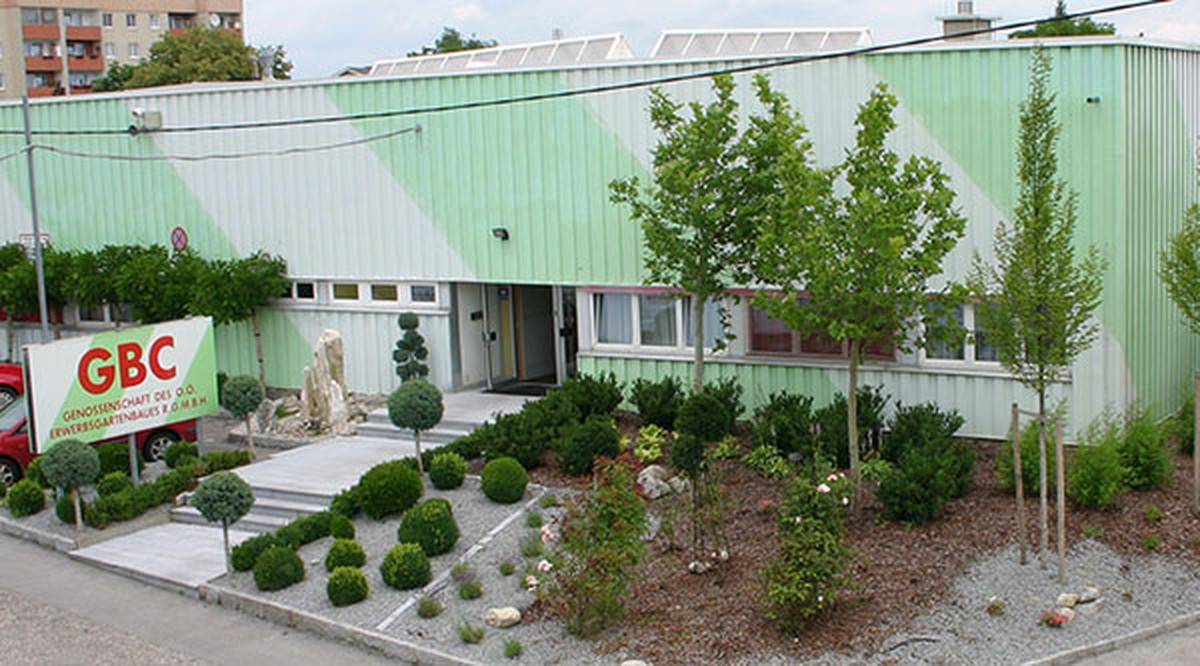
1971 年 Ökonomierat 园艺师傅 Franz Aigner 接任主席,同年合作社在韦尔斯买下第一块自己的地皮,1500 平方米的土地上盖起 1000 平方米的销售与仓储大厅,1973 年 6 月 23 日开业——这是合作社的第一个园艺中心。旧文把 1973 年当成成立年份,实际上那是第一个园点开业,合作社本身比它早了二十七年。
此后的扩张按年份排开,能看出一条从单一批发点到全州网络的清晰轨迹。1989 年在 Burgenland 的 Wallern 开设第一个蔬菜生产资料提货点;1990 年在 Innsbruck 开出第一家分店,此后又先后关闭过 Innsbruck、维也纳的几处旧址和 Bierbaum 的提货点。1995 年在韦尔斯加建带地下室的仓储大厅和温室,这是当年最大的一笔投资。
2003 到 2004 年在蒂罗尔的 Kematen 建起首家自有分店。2006 年是真正的转折点:合作社接手了 Gatec Gartenbau & Gartentechnik 和 Newline Floristik- und Dekoaccessoires 两家公司的业务,把维也纳和格拉茨的经营点纳进来,合作社自此从一个地区性组织变成全国性企业。2007 年公司名称正式改为 GBC-Österreich。
之后的节点包括:2008 年接手 Kalsdorf 的厂区并加建销售与仓储大厅,同期关闭格拉茨旧址;2010 年接手 Vorarlberg 的 GBL Lustenau 业务;2011 到 2012 年在 Schwechat 购地加建,同期关闭维也纳 Inzersdorf 旧址;2015 到 2016 年新建 Meiningen 分店;2019 年在 Steinhaus 购地,同期关闭 Steiermark 的 Bierbaum 提货点;2020 年售出韦尔斯的两处地皮;2020 到 2021 年建成并启用 Steinhaus 的新总部——这一次迁址同时也是 75 周年。
七个地点覆盖全国
目前合作社的经营地点是七个:一个总部、五个分店、一个提货点。按州看分布很清楚——上奥地利有总部所在地的 Steinhaus,蒂罗尔有 Kematen,福拉尔贝格有 Meiningen,克恩顿有维也纳州的分店和 Wallern 提货点,格拉茨近郊的 Kalsdorf 在施泰尔马克,Schwechat 在下奥地利。
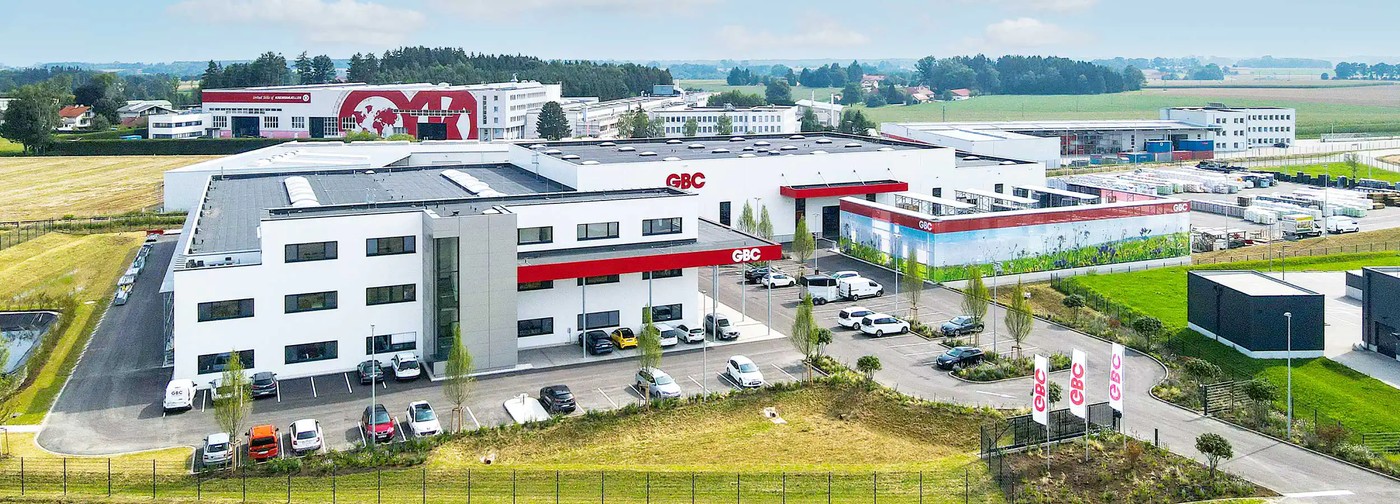
这个布局是二十年收购和新建累积的结果,而不是一开始规划好的。Steinhaus 的新总部在 2021 年启用,建筑是白色的平顶办公与仓储组合,屋面有一排斜置天窗,后方仓库立面上带着醒目的红色 GBC 标识,前场是划线停车区和三面印着 GBC 标志的白色旗帜。公司站上的设施照片就是在这里拍的。
维也纳分店的情况与总部不同。它是 2006 年随收购 Gatec 和 Newline 两家公司业务一起接过来的四个经营点之一,其余三个分别是维也纳 Inzersdorf、Simmering 和 Blumengroßmarkt(花卉批发市场)。其中 Blumengroßmarkt 这个点特殊——它在维也纳鲜花批发市场里经营,位置直接决定了它的客源;Inzersdorf 和 Simmering 后来都关了。同年在维也纳的花卉批发市场点做过一次扩建和改造,2012 年前后完成。
园艺工程与花艺装饰两条产品线
合作社的产品分两大块,界线划得很清楚,因为它对应两类完全不同的客户。
园艺工程这一块(站上叫 Gartenbau & mehr)面向苗圃、园林工程公司和苗圃经营主体,定位是「园艺工程、园林工程和苗圃行业的全品类供应商」。产品从专业基质和高品质肥料起步,经由技术和灌溉方案,一直延伸到各类园林工程用品。站上强调这一块配有受过训练的专业人员,通过定期进修保持咨询能力。
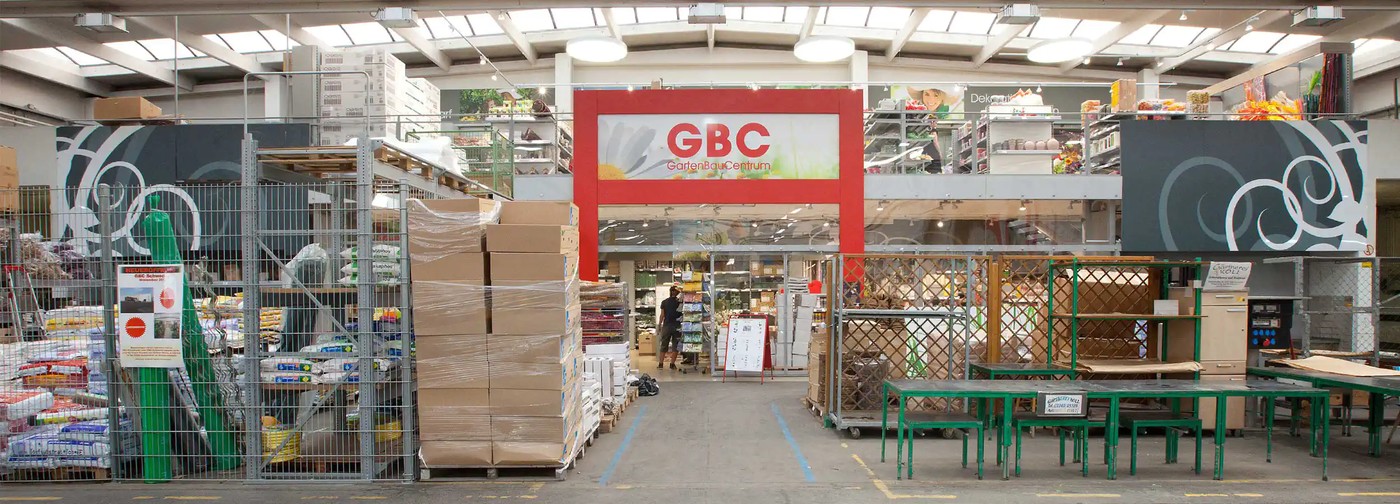
花艺装饰这一块(Floristik & Dekoration)面向花店、装饰公司和自由职业花艺师,特点是没有技术门槛、需要不断跟趋势。产品从传统花艺材料到季节性主打应有尽有:丝带、蜡烛、插花海绵,到花盆、花器、摆件和现代装饰品。旺季按节日分批推:复活节、母亲节、情人节、诸圣节和圣诞节各有对应的当季系列,此外还覆盖婚礼、公司活动、展会和追思场合。
花艺这条线的卖点不只是商品清单。分店的现场陈列由花艺师布置,按当季趋势做出成品效果,客户进店看到的是可以直接参照的做法。合作社另外经营面向消费者的花艺网站 ihr-florist.at,这条线完全独立于 B2B 批发。
两个产品线的采购来源也不一样。园艺工程这一块以设备、基质和肥料为主,货源在德国和奥地利本地;花艺装饰这一块则大量依赖进口,站上把「国际采购网络」写成这条线的卖点之一。
合作社制对客户意味着什么
合作社制在这里带来的不是「便宜」两个字这么笼统的好处,而是一套具体的做法。
首先,入社的园艺企业和客户同时是股东。合作社的治理机构分两层:董事会(Vorstand)由主席 Robert Klima 领导,监事会(Aufsichtsrat)由主席 Friedrich Obermayr 主持。这个结构意味着客户对采购方向有发言权,而不只是被动接受报价。
其次是采购规模。合作社自称是奥地利这几个领域最大的批发商,商品超过 7 万件。这个数字背后是集中的订单量——单家苗圃买不起的量,凑七千五百家就能拿到更好的条件。合作社把自己的定位说成「合作伙伴」而非单纯的供货商,措辞上是认真的:它要跟会员、客户、供应商和员工建立长期关系,而不是每单现结。
第三是营业条件。B2B 批发要客户先申请开通,合作社给出的是个体化的价格条件和针对经营场景的采购方案。客户申请表里列的行业选项包括苗圃、装饰从业者、花店、墓地园艺师、园艺师、蔬菜种植户、园艺中心、市政与公共机构、园林工程、高尔夫球场与运动场地、药用植物种植、酒店餐饮业、木材仓储与建材商超、果树种植户等。从这份清单能看出合作社服务的客户面比「苗圃批发」宽得多。
合作社每年还会办面向会员的促销日。2026 年入冬前的一轮安排在 11 月 2 日到 6 日,所有经营地点同步进行,花艺类商品一律九折。这类促销是合作社把分散的会员拉到同一时间点上的常用办法。
A wholesale cooperative for Austria’s green trade
GBC-Österreich eGen (GartenBauCentrum) is the wholesale cooperative for Austria’s horticulture, floristry, tree nursery and landscape trades, registered as GBC-Österreich eGen and headquartered in Steinhaus near Wels in Upper Austria. It does not sell to the public. Its customers are fellow traders — nurseries, flower shops, landscape contractors, cemetery gardeners and garden centres — which the company calls Gewerbekunden.
The cooperative form explains how it works. When the Upper Austrian Chamber of Agriculture founded it in 1946, the stated reason was blunt: in the postwar period, local growers needed glass for mist beds, peat and clay pots to be supplied to them. Buying those alone is expensive, so buying them together and distributing is cheaper. Eighty years on the logic has not changed; only the shopping list has, and it now runs to more than seventy thousand items.
The site gives the scale as roughly 100 employees, seven operating sites, 55,000 square metres of operating floor space, over 70,000 products, and more than 7,500 active trade customers. The cooperative describes itself as the largest wholesaler in Austria for horticulture, landscape construction, tree nurseries, floristry and decoration. Those figures hold up elsewhere: recruitment sites and the company’s social media pages carry the same 7,500 trade customers and over-70,000 products lines, and third-party company databases give an employee band of 51 to 100, consistent with the roughly 100 on the site.
The site publishes the full postal address, telephone and email of every operating location, and its Impressum carries the register number, tax number and court details. None of that is reproduced here; the cooperative’s site is the place to reach them.
Starting from three things
The cooperative began on 3 February 1946, when the Genossenschaft des oberösterreichischen Erwerbsgartenbaues was founded in Wels under Ökonomierat and master gardener Fritz Winter. Its first address was a rented building in Wels, and its purpose was to supply the state’s growers with glass for mist beds, peat and clay pots. The starting point says a lot: it served growers emerging from a war, short of the most basic consumables.
In 1971 Ökonomierat and master gardener Franz Aigner took over as chairman, and the same year the cooperative bought its first plot of its own in Wels — 1,500 square metres of land, on which a 1,000 square metre sales and storage hall was built and opened on 23 June 1973. That was the first garden centre. The old version of this article treated 1973 as the founding year; it is actually the opening of the first site, twenty-seven years after the cooperative itself.
The expansion that followed is best read year by year, and it traces a clear path from one wholesale point to a national network. In 1989 a collection point for vegetable-growing supplies opened in Wallern in Burgenland, and in 1990 the cooperative opened its first branch in Innsbruck, later closing that site along with several older Vienna locations and the Bierbaum collection point. In 1995 a warehouse hall with basement and greenhouses was added in Wels — the largest single investment up to that point.
The real turning point came between 2003 and 2004, when the cooperative built its first owned branch at Kematen in Tyrol. 2006 was the decisive year: it took over the business of Gatec Gartenbau & Gartentechnik and Newline Floristik- und Dekoaccessoires, absorbing sites in Vienna and Graz, and a regional organisation became a national one. The company name was formally changed to GBC-Österreich in 2007.
Later milestones include acquiring the Kalsdorf site and adding a sales and storage hall in 2008, closing the old Graz location at the same time; taking over the GBL Lustenau business in Vorarlberg in 2010; buying land in Schwechat and adding a hall in 2011 to 2012, closing the Vienna-Inzersdorf site at the same time; building the Meiningen branch in 2015 to 2016; acquiring land in Steinhaus in 2019 and closing the Bierbaum collection point in Styria; selling the two Wels plots in 2020; and in 2020 to 2021 moving into a new headquarters in Steinhaus — a move that doubled as the 75th anniversary.
Seven sites covering the country
The cooperative now operates from seven places: one headquarters, five branches and one collection point. The state-by-state picture is clear — the headquarters sits in Steinhaus in Upper Austria, Kematen is in Tyrol, Meiningen in Vorarlberg, Vienna and Wallern cover the eastern side, Kalsdorf near Graz in Styria, and Schwechat in Lower Austria.
This layout is the accumulated result of twenty years of acquisitions and new builds rather than an original plan. The new Steinhaus headquarters, opened in 2021, is a white flat-roofed office and warehouse complex with a row of angled roof lights and a prominent red GBC graphic on the rear warehouse facade; the forecourt is a marked car park with three white feather flags carrying the GBC logo. The company’s facility photographs are taken there.
The Vienna branch is a different story from the headquarters. It came with the 2006 takeover of Gatec and Newline, which brought four locations: Vienna-Inzersdorf, Vienna-Simmering, Vienna-Blumengroßmarkt and Graz. The Blumengroßmarkt location is the distinctive one — it operates inside Vienna’s flower wholesale market, and its position determines its customer base directly. Inzersdorf and Simmering have since both closed. The Vienna flower-market site was also extended and refitted around 2011 to 2012.
Two product lines, two kinds of customer
The cooperative’s products split into two blocks, and the dividing line is sharp because it maps onto two quite different customer types.
Gartenbau & mehr serves nurseries, landscape contractors and tree nursery operators, and positions the cooperative as a full-range supplier to horticulture, landscape construction and tree nurseries. The range starts with professional substrates and high-quality fertilisers, runs through technical equipment and irrigation solutions, and extends to landscape construction supplies. The site stresses that this side is backed by trained specialists who keep their advisory competence current through regular training.
Floristik & Dekoration serves flower shops, decoration companies and freelance florists, and works on a different principle: no technical barrier, and a constant need to track trends. The range runs from traditional floristry materials to seasonal highlights — ribbons, candles and floral foam, through to pots, vessels, figurines and modern decorative items. Peak periods are handled season by season, with dedicated ranges for Easter, Mother’s Day, Valentine’s Day, All Saints’ Day and Christmas, plus wedding, corporate event, trade show and memorial occasions.
On the floristry side the offer is not only a product list. In-store displays are put together by florists working to current trends and presented as finished pieces customers can copy directly. The cooperative also runs a separate consumer floristry site, ihr-florist.at, entirely independent of the B2B wholesale business.
Sourcing differs between the two lines as well. The horticulture side is mostly equipment, substrates and fertilisers sourced within Germany and Austria; the floristry and decoration side relies heavily on imports, and the site names its international purchasing network as one of that line’s selling points.
What the cooperative form means for customers
The cooperative structure buys customers something more specific than a general promise of low prices.
First, member businesses and customers are shareholders. Governance runs through two bodies: the board (Vorstand) led by chairman Robert Klima, and the supervisory board (Aufsichtsrat) chaired by Friedrich Obermayr. The structure gives customers a say in what gets bought, rather than leaving them to accept a quotation.
Second, purchasing scale. The cooperative describes itself as Austria’s largest wholesaler in these fields, with over 70,000 products. The number rests on aggregated order volume: what one nursery cannot buy at a good price, seven and a half thousand of them can. The company frames itself as a partner rather than a mere supplier, and the wording is meant seriously: it wants long-term relationships with members, customers, suppliers and employees rather than a transaction-by-transaction arrangement.
Third, trading terms. B2B wholesale requires customers to apply for access, and what the cooperative offers is individual pricing and purchasing solutions matched to how the business actually operates. The customer application lists the sectors it serves as nurseries, decoration trades, flower shops, cemetery gardeners, gardeners, vegetable growers, garden centres, municipalities and public bodies, landscape construction, golf courses and sports grounds, hemp cultivation, hotels and catering, timber yards and builders’ merchants, and fruit growers. That list shows a customer base considerably wider than “wholesale to nurseries”.
The cooperative also runs member promotions through the year. The pre-Christmas round in 2026 ran from 2 to 6 November across all locations, with ten per cent off all floristry items. Running members in step on a fixed date is the standard way a cooperative pulls scattered independent businesses into the same trading window.






发表回复