

家庭苗圃概况
赫里安苗圃(Clematis Herian GbR)在巴伐利亚州多瑙河畔迪林根县的 Unterliezheim,是一家自己人动手的家庭专业苗圃。铁线莲(Waldreben)一直是主业,这几年又把果树里的稀罕品种加了进来,凑成「铁线莲与果树专营」。在册的品种三百多个,小到野生型和匍匐覆盖型,大到重瓣大花特款,中间还留着草本铁线莲和一整片稀有类型。
店里干活的是 Irmgard、Manfred 和 Benedikt Herian 一家人,上架、种植、讲解都是自己人。Impressum 上登记的经营主体是 Clematis Herian GbR,两位在册负责人是 Benedikt 和 Irmgard Herian。
铁线莲分组与在售数量
网上商店按栽培群分组,每组写明当季在售数量:Alpina 十六个、Montana 八个、大花型十七个、Viticella 三十六个、草本铁线莲三十个、texensis 九个、黄花二十三个、特别款十二个,一组八个的入门套装单列。筛选栏还能按香味(八个)和新品种(八个)挑,颜色分成蓝、黄、橙、粉、红、紫、白七档,一共八十六项在售。
这几个数字是当季挂在网上、能直接下单的量,不是全圃的总量。冷门货常常不上架,得发邮件要清单。标价按株算,含增值税,运费另计。
果苗与稀有种质
果树分两块卖。一块叫稀有名果(Obstraritäten),目录里五十七项,主角是少见的李子和杏子,此外还有野果树上的花楸(Aronia)、沙棘(Ölweide)、迷你猕猴桃和木莲(Akebia)。另一块是榅桲(Quitten),七十二个品种,Quittenrenette von Castell、Lescovac、Konstantinopler、Portugieser、Bereczki 这些名字都能点到,单株二十欧元起。数量不多的特殊货不放网页,发邮件要清单就行。
品系多到什么程度,看两页网页就能明白:一个榅桲品种页上能翻出 Lescovac、Konstantinopler、Portugieser、Bamberger Quitte、Turkey Nr.4、Bereczki 等一长串,每页六个。数量少、一次只备一点的特殊货,网页上就写一句「发邮件索取清单」。
种植与养护要点
店里单独写了一份种植指引,话说得实在:种的时候比原盆再深一到两个芽眼,土要腐殖质足、养分够、不积水;跟灌木种在一起,根系之间得留出空间,遮阴的脚部垫几块石头或半截陶盆就够,千万别再塞竞争的植物。春天每株拌两升堆肥加约十五克角屑肥或角粉,或者用有机复合肥、玫瑰肥,六月再追一次。
修剪分三组:一组不剪,春花老枝型;二组轻剪,早开大花型;三组重剪,夏花或新枝开花型,标签上会写明。碰上铁线莲萎蔫病,就把发褐发蔫的枝条回剪到五厘米,种得对的话还会重新冒芽——这病只认重剪。texensis 这类新枝出得早的,趁嫩梢还嫩就把鼻涕虫挡在外面。盆栽记得留排水孔、垫一层排水层,土用疏松粗结构的,冬天用气泡膜裹住盆身,不要扣盖子;铁线莲多半不是冻死的,是水沤死的。秋季还是栽植好时候,缓苗后明年春天就旺。
参观、讲座与开放时间
开放时间周五下午两点到六点,周六上午九点到下午四点,周一到周四打电话约。季节不同会调整,店里公告会写明当季时间,所以出发前先看一眼。园子不大,但常年有一批木本稀有植物和展示种植区,团体可以预约专业导览,行程能按需商量。
Irmgard、Manfred、Benedikt 三位还出去讲课,题目有二十多个:从铁线莲全年花期、texensis、草本铁线莲,到与玫瑰搭配、城市花园与容器栽培、南非植物、北施瓦本的植物珍品,以及几乎被忘掉的老果树榅桲。一场四十五到六十分钟,本县一百欧元,往外按里程加,公里费另算,出行和布场时间不算在备课时间里。2025 年 9 月国际铁线莲协会的秋季聚会在这里办了一场室外会;2026 年的日程里排过维也纳稀有植物市集、弗赖辛魏恩施泰芬园艺日、维尔茨堡植物园的植物交换日,以及奥地利 Ort im Innkreis 的 Sarastro 多年生植物三十周年。
About the Family Nursery
Clematis Herian is a family specialty nursery in Unterliezheim, in the district of Dillingen an der Donau in Bavaria, southern Germany. Clematis (Waldreben) has always been the main crop, and in later years rare fruit trees were added, giving the business its name, clematis and fruit specialities. More than three hundred varieties are normally kept on the books, from wild species and ground-covering types through small-flowered forms, rarities and herbaceous clematis, up to large-flowered and double-flowered specials. The legal entity is Clematis Herian GbR, represented by Benedikt and Irmgard Herian.
Clematis Groups and Current Availability
The online shop sorts the clematis by pruning group and states how many varieties each group holds in the current season: sixteen Alpina, eight Montana, seventeen large-flowered, thirty-six Viticella, thirty herbaceous clematis, nine texensis, twenty-three yellow-flowering and twelve specials, plus a starter set for newcomers. Filters let you narrow things down by fragrance (eight varieties) and by novelty (eight), and colour is split into blue, yellow, orange, pink, red, violet and white. Altogether eighty-six items can be ordered online at once.
Those counts are what is on sale right now, not the size of the whole nursery. Rarer stock is often not listed and has to be requested by email. Prices are per plant, shown with German VAT, plus shipping.
Fruit Trees and Rare Stock
Fruit comes in two sections. One is labelled Obstraritaeten, with fifty-seven entries: uncommon plums and apricots do most of the work, joined by wild fruit such as Aronia (black chokeberry), sea buckthorn, mini kiwi and Akebia. The other is Quitten, the quinces, with seventy-two varieties. A single quince page turns up Lescovac, Konstantinopler, Portugieser, Bamberger Quitte, Turkey Nr.4 and Bereczki, six varieties to a page, at twenty euro a plant and up. Anything in short supply is not put on the website; a list can simply be requested by email.
Planting and Care Notes
The nursery publishes its own planting guide, and it is unusually blunt. Plant one to two buds deeper than they sat in the pot, in soil that is humus-rich, well fed and never waterlogged. When planting next to shrubs, leave the roots room; a shady foot is fine with a few stones or half a clay pot, but do not add competing plants. In spring, work in about two litres of compost mixed with roughly fifteen grams of horn shavings or horn meal per plant, or use an organic multi-nutrient or rose fertiliser, then top-dress again in June.
Pruning follows three groups, marked on the plant label: group one is left alone, since it flowers on old wood in spring; group two is cut back lightly, for early large-flowered types; group three is cut back hard, for summer or new-wood flowering types. If clematis wilt strikes, cut the brown, drooping shoots back to about five centimetres and a well-planted clematis will shoot again, because nothing but a hard cut helps. Texensis types push new growth early, so keep the slugs off the fresh shoots. For container plants, use drainage holes and a drainage layer with coarse, open compost, and wrap the pot in bubble film over winter without sealing the top. More clematis are lost to wet feet than to frost. Autumn is also the right time to plant, giving the roots time to settle before they push hard next spring.
Visits, Talks and Opening Times
The nursery opens on Fridays from 14:00 to 18:00 and on Saturdays from 09:00 to 16:00; Monday to Thursday is by arrangement. Hours shift with the season and the shop notice gives the current ones, so check before travelling. The site is small but keeps a standing collection of rare woody plants and display plantings, and groups can book a professional tour with a programme worked out to suit.
Irmgard, Manfred and Benedikt Herian also give talks elsewhere, on more than twenty subjects: clematis through the whole gardening year, texensis, herbaceous clematis, growing clematis with roses, clematis for town gardens, tubs and troughs, South Africa, botanical rarities of northern Swabia, and the quince, an old fruit tree almost forgotten. A talk runs forty-five to sixty minutes, costs one hundred euro within the district and rises with distance, with travel charged per kilometre. In September 2025 the autumn meeting of the international clematis society held an outdoor session here. Its 2026 calendar ran to the rare plant fair in Vienna, the Weihenstephan gardening days at Freising, a plant exchange day at the botanical garden in Wuerzburg, and the thirtieth anniversary of Sarastro perennials in Ort im Innkreis, Austria.
相关文章:
 比利时 Van Nuffelen 苗圃 – 家族式铁线莲专营苗圃品种超过680个
 波兰 铁线莲苗圃 CLEMATIS Źródło Dobrych Pnączy – 铁线莲苗圃收藏品种超过一千个
 英国 围墙花园苗圃 Walled Garden Nursery – 英国铁线莲专营与攀缘植物苗圃
 德国 Westphal 铁线莲苗圃 – 德国历史悠久的铁线莲专业苗圃
 网络上的铁线莲 Clematis on the Web – 专业园艺服务机构
 英国铁线莲协会 The British Clematis Society – 英国铁线莲栽培与推广组织
 美国 西雅图铁线莲博客 Clematis in Seattle – 华盛顿州个人铁线莲博客
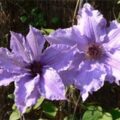 网络上的铁线莲 Clematis on the Web – 欧洲铁线莲品种数据库
发表回复