
从花椰菜农场做起的家族生意
 Reus Holland 是一家荷兰家族企业,G & K Reus 负责种植和催花,Reus Holland 负责出口,公司在网站上署名 Reus BV。1975 年,Kees 和 Gerard Reus 从父母 J. Reus-Bot 手里接过家里的农场。那时的农场是混合经营,主作物是花椰菜。1979 年荷兰推进土地合并,农场换到一块 11 公顷的地,上面盖起了带两套住宅的大棚。兄弟俩先后到国外闯荡,在当时的斯德哥尔摩见识了更先进的经营方式,贸易和种植就是从那时候起的。1985 年建起第二座大棚,两人也开始催花郁金香,起初只在一间用人工光照着的小屋里做。1992 年加建第三座大棚,顺带做了装卸用的雨棚。1996 年兄弟俩决定只做郁金香,蔬菜从种植计划里撤掉,改建温室专门催花;2001 年引进集装箱系统,催花的效率明显提高。
三十七公顷自有地,只种自己用得上的球
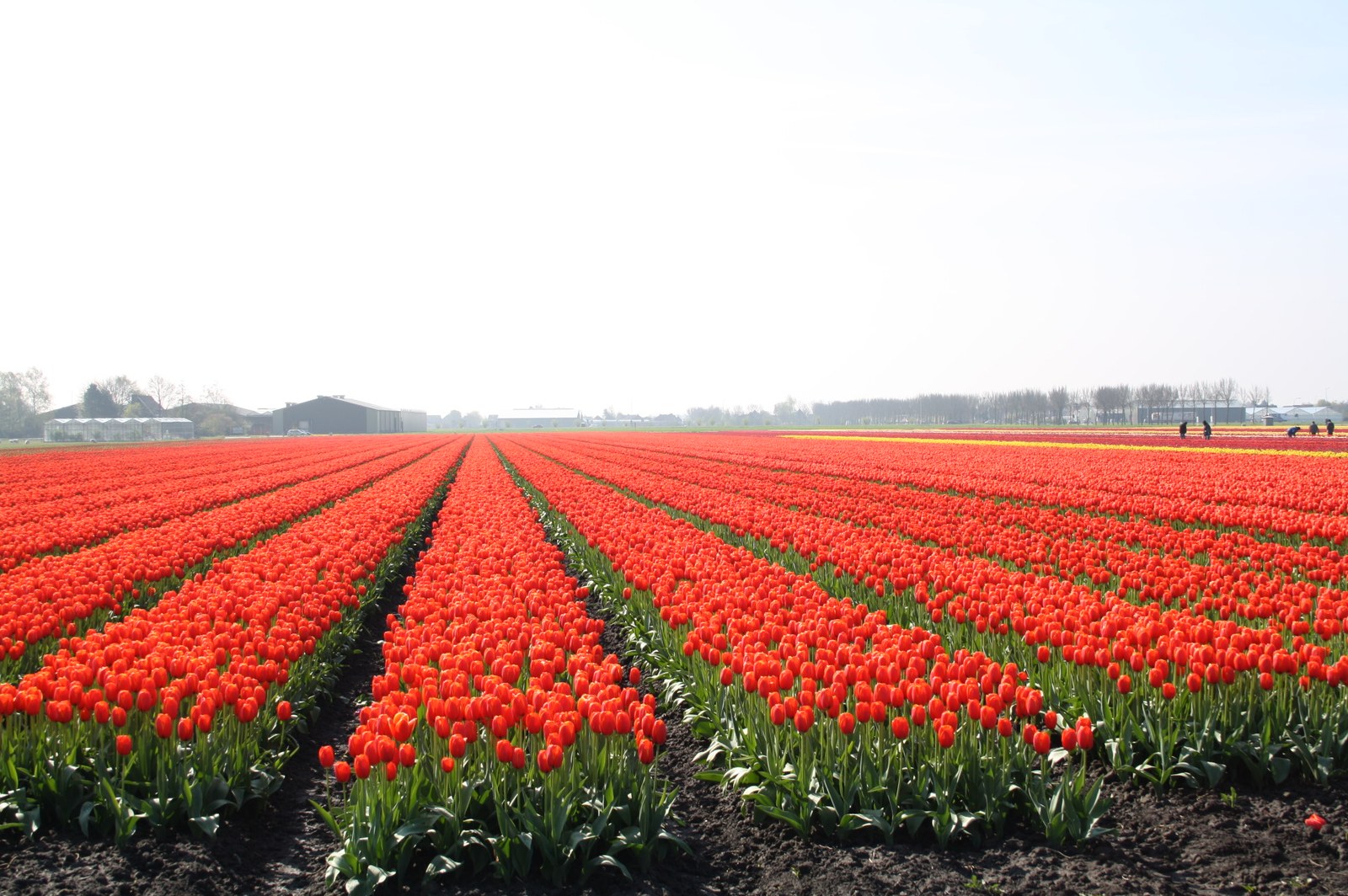
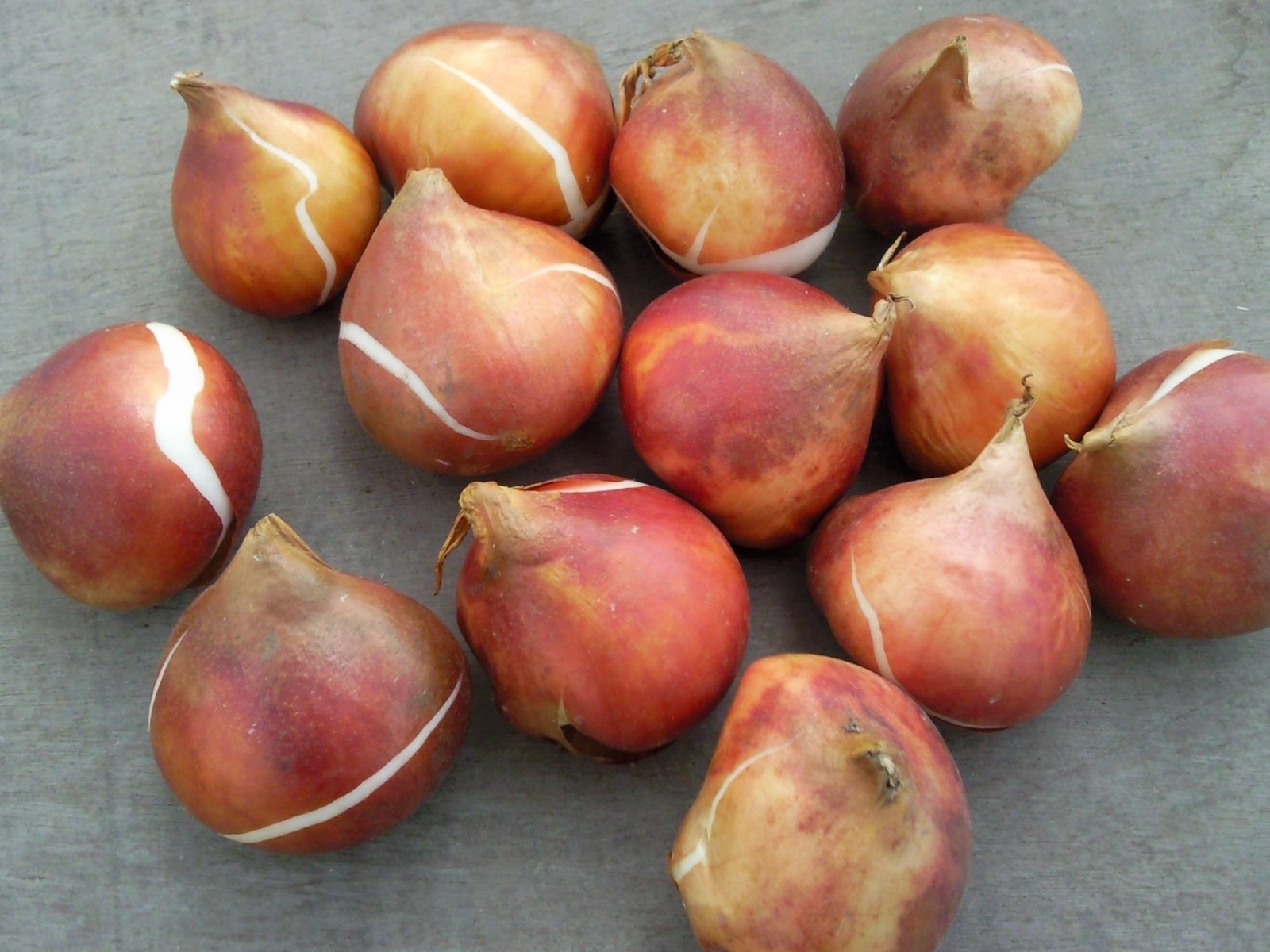 公司自己的地里种着三十七公顷以上的郁金香,一部分在北荷兰省 Lutjebroek 的自家地块,一部分在 Flevopolder 的圩田里。G & K Reus 专门种供催花用的球根,重黏土上种植,起收时间踩得准,球根长得饱满,插出来的花束才压得住分量。这些球根一部分供自家催花,一部分走出口。
流水催花:沙滤、紫外和按颜色配好的一箱花
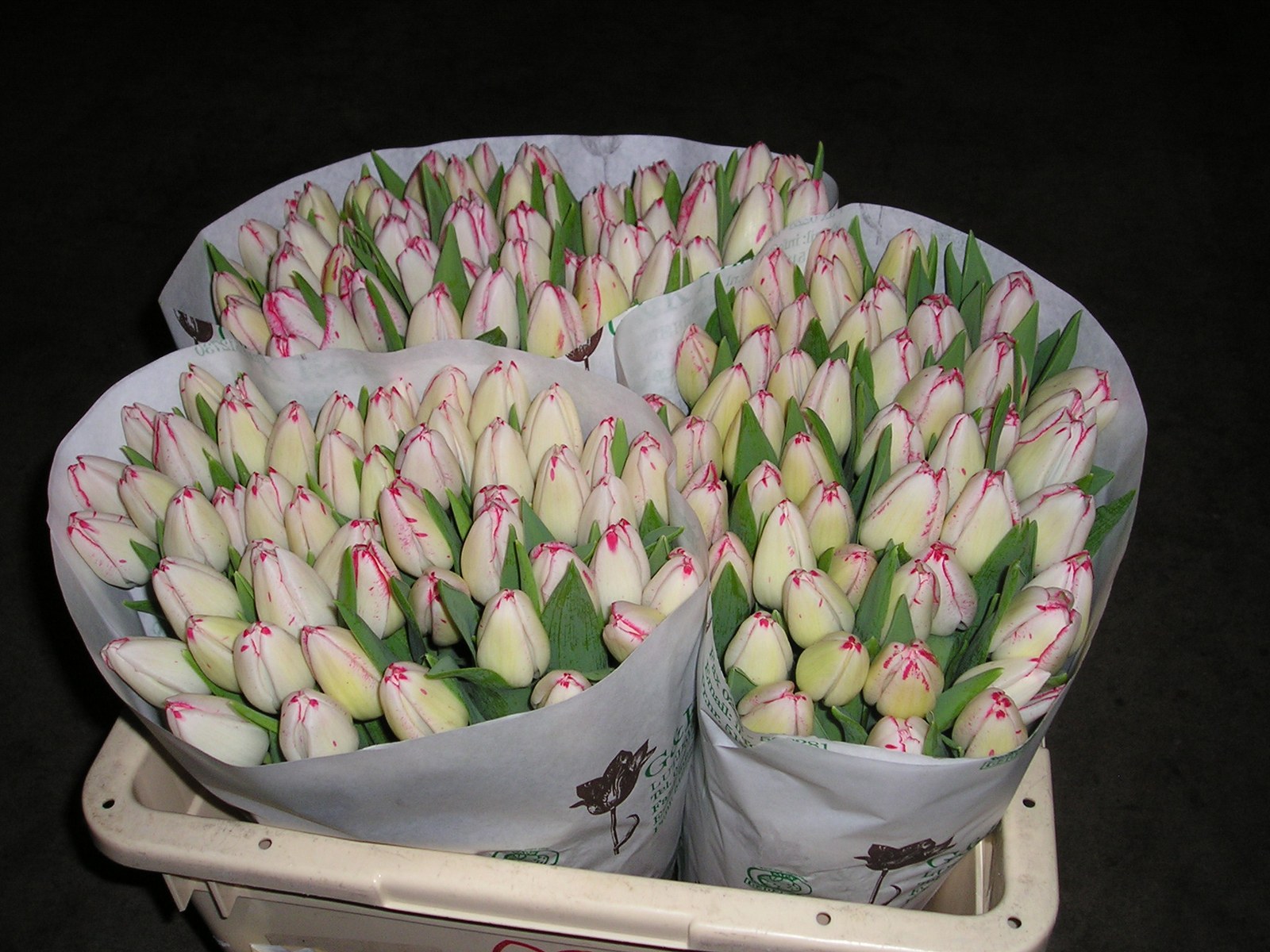 催花车间的宽品种靠出口这条线带来,整个催花季至少能供六种颜色里偏重的那一段。为了让客户开箱就能用,车间按一次加工做完的思路布置:花摘下来就扎成花束,按客户要的颜色配齐,装进合适的箱子。催花在流动水上进行,水里加了沙滤器和高压紫外线过滤器,滤过的水回收再用。催花季从十月底一直排到第二年四月,一个季节下来两千多万枝切花出货。2008 年起场地做了现代化改造,新采花大厅和温室先后到位;冬季扩建部分全部自动化,用流动水和全自动集装箱系统催花;夏季则用隔热仓库和采花大厅存放、加工花球。
出口美国、加拿大和瑞典
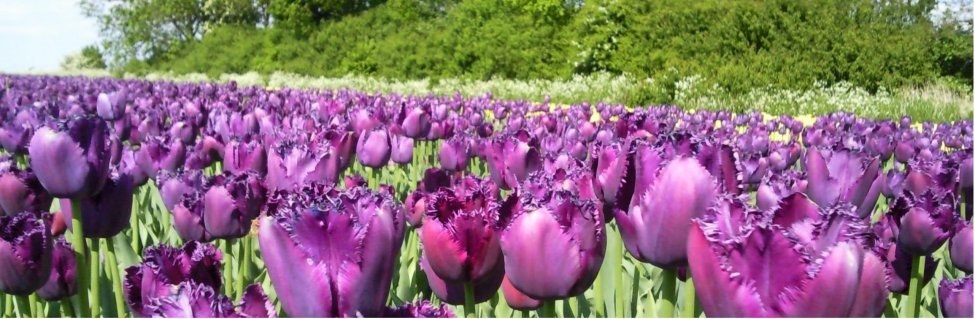 花球出口是公司的重点,去的地方主要是美国、加拿大和瑞典。自种的和外购的球根都要经过挑选、分级和包装,再按发育阶段逐批检查,处理妥当才发运,好让到货的球根状态可靠。2010 年起 Reus Holland 手上的新品种数量明显增加,品种结构比过去更宽。网站上的郁金香页面按红、黄、白、橙、紫、粉这些颜色筛选,最新上架的有 Milkshake、Cincinnati、Strong Love、Strong Gold、Strong Fire、Snowboard、Long Island 和 Leen van der Mark。切花除了走荷兰皇家花卉拍卖会(Royal FloraHolland)的渠道,公司也接受客户直接下单;公司还一直留一部分货按拍卖钟的规矩出手。
三套认证和一家人的分工
公司自 1990 年起拿到 MPS A 认证,MPS A 来自 MPS A-B-C 标志体系,衡量的是经营管理有多环保;2007 年又取得 MPS GAP(globalGAP)认证,说明产品安全、可持续、质量可靠而且可追溯,农药残留方面的 GRASP 标准也在认证范围内。这几项认证覆盖鲜花和整个公司。2006 年公司拆掉旧棚屋温室,扩建成新的采花大厅和温室,内部运送鲜花用上全自动集装箱系统,潮汐灌溉也配了最新的水循环技术。现在公司由 Kees、Gerard 兄弟俩经营,四个儿子陆续加入公司,其中 Maurice 和 Robert 进了管理层,分工落在种植、催花和出口三头。
A Family Business That Started with Cauliflower
Reus Holland is a Dutch family business. G and K Reus grows and forces the tulips, Reus Holland does the exporting, and the company signs itself Reus BV. In 1975 Kees and Gerard Reus took over the farm from their parents, J. Reus-Bot. It was a mixed farm then, with cauliflower as the main crop. A land consolidation in 1979 moved the farm to a plot of 11 hectares, and a shed with two houses went up on it. The brothers did stints abroad and picked up the way of working they saw in Stockholm at the time, which is where trading and growing began. A second shed followed in 1985, and they started forcing tulips, at first in a cell lit by artificial light. A third shed was added in 1992, with a canopy for loading and unloading. In 1996 the brothers decided to grow nothing but tulips, took vegetables out of the plan and built a greenhouse for forcing. A container system arrived in 2001 and made forcing noticeably more efficient.
Thirty-Seven Hectares of Their Own Ground
More than 37 hectares of tulips grow on the company’s own land, some on its own plots in Lutjebroek in the province of North Holland and some in the polder fields of the Flevopolder. G and K Reus grows bulbs mainly for forcing. They are grown on heavy clay and lifted at the right moment, which gives a well filled bulb and a bunch of tulips with real weight. Part of these bulbs goes into their own forcing operation and part is exported.
Forcing on Flowing Water, Sand Filters and UV
The forcing operation gets its wide range from the export side, and over a full forcing season it can supply at least six colours in the heavier segment. The workshop is set up to finish the work in one pass so the customer can open the crate and use it straight away: the flowers are picked and bunched, put together in the colour combination the customer asked for, and packed in the crate that fits. Forcing runs on flowing water, with sand filters and a high pressure UV filter in the system, and the filtered water is used again. The forcing season runs from late October to the following April, and more than twenty-two million stems go out over it. The site was modernised from 2008, with a new picking hall and greenhouse. The winter extension is fully automated and forces tulips on flowing water in a fully automatic container system. In summer the insulated halls and the picking hall are used to store and process bulbs.
Export to America, Canada and Sweden
Exporting bulbs is the main part of the business, and the bulbs go mainly to America, Canada and Sweden. Bulbs from the own crop and bought-in bulbs are both sorted, graded and packed, then checked lot by lot for the stage they have reached, and only shipped once that is done, so what arrives is in good condition. Since 2010 Reus Holland has had a much larger number of new varieties, which gives customers a wider range than before. The tulip page on the company site can be filtered by colour, red, yellow, white, orange, purple and pink, and the newest additions are Milkshake, Cincinnati, Strong Love, Strong Gold, Strong Fire, Snowboard, Long Island and Leen van der Mark. The cut flowers go both to the Royal FloraHolland auction and straight to buyers who order directly, and the company has always kept a part of the crop for the auction clock.
Three Certificates and Two Generations
The company has held MPS A certification since 1990. MPS A comes from the MPS A-B-C mark and shows how environmentally friendly the way the business is run. In 2007 the company also gained MPS GAP, the globalGAP certificate, which stands for products that are safe, sustainably grown, of good quality and traceable, and the GRASP standard on pesticide residues is covered as well. These certificates apply to the flowers and to the company as a whole. In 2006 the old shed greenhouse was pulled down and a bigger complex with a new picking hall and greenhouse took its place, with a fully automatic container system moving the flowers inside and the newest water recycling techniques on the ebb and flood irrigation. The brothers Kees and Gerard Reus run the business and four sons have joined the company, Maurice and Robert among them in the management, with the work split between growing, forcing and exporting.
相关文章:
 美国 荷兰球根农场Holland Bulb Farms – 是一家美国在线花卉球根和园艺产品零售商,网站域名带有”Holland”字样表明其产
 荷兰Van Haaster – Nevada花卉球茎公司
 荷兰 范·哈斯特球茎 Van Haaster – 荷兰百年球茎种植与出口企业
 荷兰 植物世界苗圃 Plantworld Holland – 欧洲高山植物小型苗圃
 荷兰 阿克球茎花卉公司 P. Aker – 荷兰百年球茎出口商
 荷兰 种球市场 Holland Bulb Market B.V. – 荷兰球茎出口遍及六十多国
 荷兰 阿姆索尼亚 AMSONIA – 荷兰球茎出口与栽培支持
 荷兰 斯滕沃登球茎 C. Steenvoorden – 荷兰覆盖五十余国的球茎出口商
发表回复