

一个自愿加入的行业团体
下奥地利州园丁协会(Gärtner Vereinigung Niederösterreich,站上多用简称 NÖ Gärtner)是下奥地利州商业园艺企业自愿组成的行业团体,办公地点在州府圣帕尔滕。按协会自己的说法,250 余家会员企业几乎包括了全州的商业园艺企业。
站上列出的负责人是:州主席 Johannes Käfer 工程师,副主席 Peter Bonigl、Markus Dorner、Wolfgang Praskac 三位,日常事务由总经理 Gerhard Six 和他的副手 Christian Kornherr 负责。协会同时是奥地利园艺企业联邦协会(Bundesverband der österreichischen Gärtner)在州一级的成员组织之一。
站上的内容基本围着会员转:新品种和季节提示,州内的园艺活动,还有“美丽的下奥地利”(Blühendes Niederösterreich)村镇评比 2025 年的州级获奖名单——按村镇规模分四组,各组的前四名都列了出来。
按名字或邮编找一家苗圃
对普通读者最有用的是那个苗圃检索:输入企业名、所在村镇或邮编,就能找到离自己最近的会员企业。想买菜苗、果树或者花坛植物,从这里入手比一路搜过去省事。
推广项目也都带供应点名单。年度蔬菜、年度花园植物、预植蜜蜂花坛各有自己的页面,写清哪家园艺企业备了货,按村镇列成表格,可以就近去问。协会这几年把这些名单和检索绑在一起,其实是在做同一件事:把州里分散的几百家小企业,变成一个查得到的网络。
2026 年的年度蔬菜与年度花园植物
2026 年的“年度蔬菜”是两个迷你彩椒凑成的组合,叫 Bell Brothers,一红一黄,来自 Waldviertel 的育种。植株高约一米,株型紧凑、站得稳,产量不低,露台、阳台和高架花床都放得下。霜期结束后,一般五月中旬起可以定植,喜光、怕积水,果实可以边摘边吃。
“年度花园植物”是鼠尾草组合 Aurora & Yves,柔和的粉配深蓝,高约 40 至 50 厘米,长得紧实,不用支撑。两个品种花蜜和花粉都足,花期又长,对蜜蜂、熊蜂和蝴蝶是实打实的食源;抗病抗虫,也不太招蛞蝓,石头园和盆栽里都合用。
两项评选是奥地利园艺行业每年推出的,协会在下奥地利州负责推广,也负责对接备货的园艺企业。
预植的蜜蜂花坛
彩色花坛这几年很流行,但自己配并不轻松:什么颜色、什么株型放在一起,一平方米要多少株,都得算。协会把两件事并到了一起——好看的花坛,和昆虫吃得上的花蜜——做成一盘已经配好、连盆都不用换就能下地的苗,叫“预植蜜蜂花坛”(Gepflanztes Bienenbeet)。
一盘苗大约覆盖 2 平方米,组合里有 14 种植物,从早花的藿香蓟、金鱼草,到盛夏的波斯菊、大丽花、天人菊,再到入秋还开着的黑心菊、鼠尾草和百日草,观赏草只作点缀,每 2 平方米最多一株。定植时株间留一手掌宽,每平方米至少 14 株;第一次建植每平方米拌 60 至 70 升种植土,缓苗后通常每周浇一次水,一季除一到两次草就够了。
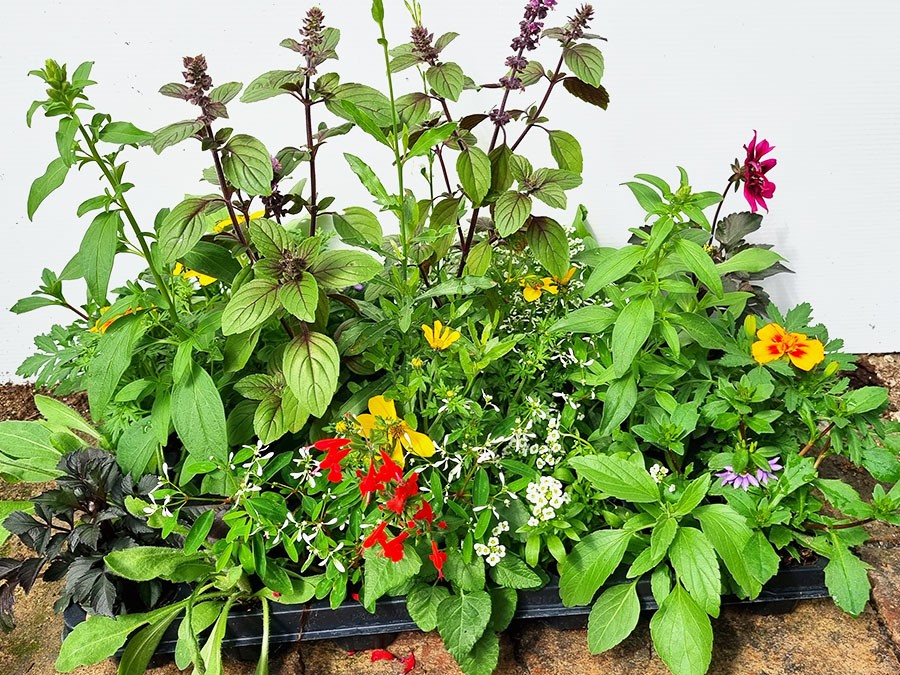
配方不是拍脑袋定的。选种参考了 Veitshöchheim 园艺试验站的试验结果和育种商提供的资料,近些年又在下奥地利州农业商会和 Langenlois 园艺学校的支持下做了多轮田间试种,才定到现在这一版。产品不带花盆,也不用塑料标签,包装材料省下不少,运起来也轻。
花园图尔恩的展示园与园艺这一行
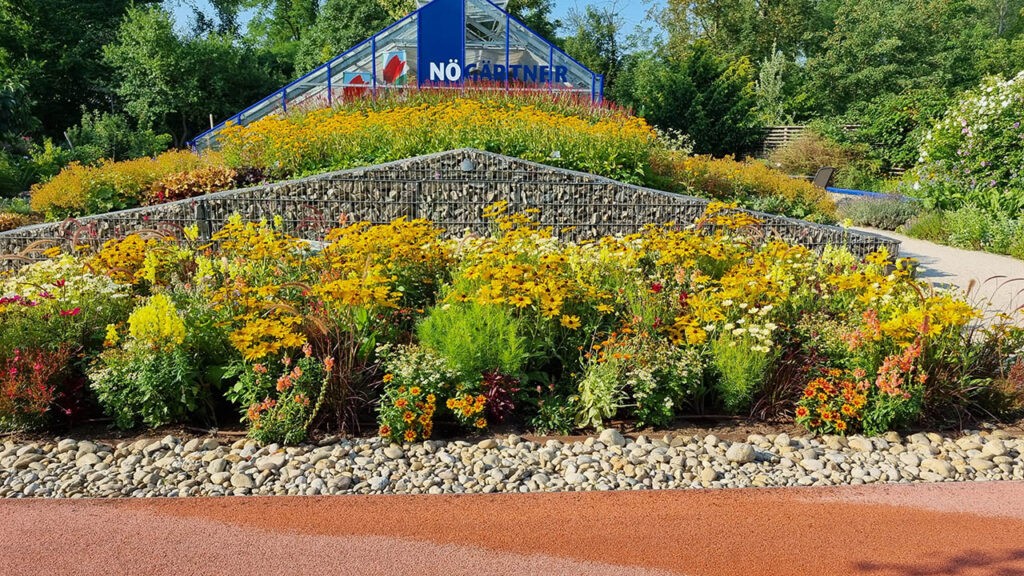
从 2008 年起,协会一直在下奥地利州园艺展“花园图尔恩”(Die Garten Tulln)上维护一座自己的展示园。园里分区布置:蜜蜂花坛、浆果园、小庭院也能种的果树、地被植物、修剪成型的木本,另有一座温室。每个区都把用到的植物按俗名和学名列出来,参观的人可以照着回家配。
站上还有“绿色职业”一栏,讲的是这一行的日常:把一粒种子育成行道树,把阳台花养成一盆玫瑰,一年四季的节奏都在手上过。想入行的人可以从链接页找到去处——维也纳的园艺教学与研究机构,以及 Langenlois 的教育中心,那里分职业学校、专科学校和师傅班三条路。
一个州级协会能做的事大致就是这些:把散在各村镇的企业编成一本查得到的名录,替行业做几件公共的事——评年度植物、推一个能直接下地的花坛、在州园艺展上留一块地——再给想入行的年轻人指条路。
A voluntary association of growers
The Gärtner Vereinigung Niederösterreich, usually shortened to NÖ Gärtner, is a voluntary association of commercial horticultural businesses in Lower Austria, run from an office in the provincial capital of St. Pölten. By its own account its 250-plus member businesses take in nearly every commercial grower in the province.
The site names its officers: Johannes Käfer as provincial chairman, with Peter Bonigl, Markus Dorner and Wolfgang Praskac as deputies, and Gerhard Six as managing director alongside his deputy Christian Kornherr. The association is one of the provincial member bodies of the Austrian gardeners’ federal association (Bundesverband der österreichischen Gärtner).
Most of what the site carries is aimed at the members themselves: new varieties and seasonal advice, horticultural events across the province, and the provincial results of the 2025 “Blühendes Niederösterreich” village competition, listed by settlement size with the top four places in each of four categories.
Finding a nursery by name or postcode
The most useful tool for a visitor is the nursery search: type a business name, a town or a postcode and it returns the nearest member business. For buying vegetable starts, fruit trees or bedding plants it is quicker than working through search results town by town.
The promotional projects come with supplier lists too. The vegetable of the year, the garden plant of the year and the pre-planted bee bed each have a page that says which nurseries stock them, set out in a table by town, so you can ask locally.
The 2026 vegetable and garden plant of the year
The 2026 vegetable of the year is a pair of mini peppers sold as Bell Brothers, one red and one yellow, bred in the Waldviertel. The plants reach about a metre, stay compact and stand well, crop heavily, and fit a terrace, balcony or raised bed. They go out after the last frost, from mid-May, in a sunny spot with free drainage, and the fruit is meant to be eaten straight off the plant.
The garden plant of the year is a sage duo, Aurora & Yves, soft pink against deep blue, 40 to 50 cm tall, dense enough to need no staking. Both varieties are rich in nectar and pollen over a long flowering season, which makes them a real food source for bees, bumblebees and butterflies, and they resist disease and pests while leaving slugs unimpressed. Rock gardens and containers both suit them.
Both titles are awarded each year by the Austrian horticultural trade; the Lower Austrian association handles the regional promotion and lines up the nurseries that stock the plants.
The pre-planted bee bed
Colourful beds are in fashion, but putting one together is harder than it looks: which colours and habits work together, how many plants a square metre takes. The association joined two aims — a good-looking bed and a supply of nectar — into a single tray of plants that goes straight into the ground, sold as the Gepflanztes Bienenbeet.
One tray covers roughly two square metres and holds 14 species, from early ageratum and snapdragon through cosmos, dahlia and gaillardia in midsummer to rudbeckia, salvia and zinnia that keep going into autumn; a grass is added only as an accent, at most one per two square metres. Space the plants a hand-span apart and set at least 14 per square metre, work in 60 to 70 litres of planting compost per square metre the first time, then water about once a week once they are established; one or two weedings see the season through.
The mix is not guesswork. The species were chosen from trial results at the Veitshöchheim horticultural research station, from breeders’ data and from the specialist literature, and were brought to field readiness over several years of trials supported by the Lower Austrian chamber of agriculture and the Langenlois horticultural school. The plants ship without pots and without plastic labels, which cuts packaging and keeps the load light.
The display garden at Die Garten Tulln and the trade itself
Since 2008 the association has kept a display garden at Die Garten Tulln, the province’s garden show. It is laid out in sections: the bee bed, a berry garden, fruit trees for small gardens, ground cover, clipped and trained woody plants, and a greenhouse. Each section lists its plants under common and botanical names, so visitors can copy the planting at home.
There is also a section on the trade itself, “Grüner Beruf”: raising a tree from a seed, a balcony plant into a flowering rose, and living by the turn of the seasons. Anyone thinking of entering it can follow the links page to the horticultural teaching and research institution in Vienna or the education centre at Langenlois, which runs an apprenticeship school, a technical school and a master’s course.
That is roughly what a provincial association can do: turn several hundred scattered businesses into a directory you can actually search, take on a few public jobs for the trade — naming plants of the year, pushing a bed that goes straight into the ground, holding a plot at the provincial garden show — and point young people towards the way in.
相关文章:
 奥地利 萨尔茨堡园丁和菜农协会 Salzburger Gärtner – 覆盖七区的 64 家园艺场
 英国 HTA 园艺行业协会 – 自 1899 年起代表英国园艺行业
 英国 HTA 全国植物展 – 英国环境园艺产业链一年一度的核心贸易展会
 加拿大 阿尔伯特省园艺大师协会 MGAA – 省级注册园艺大师志愿团体
 奥地利 舍恩布伦联邦高等园艺教学研究所 HBLFA Gartenbau – 五年制园艺职业教育与研究
 德国 水花园爱好者协会 – 致力于推动水生和沼泽植物的研究、栽培与应用
 德国 中央园艺协会 ZVG – 园艺业的行业组织与经济团体
 国际园艺生产者协会 AIPH – 观赏园艺行业全球资讯
发表回复