

一家传了三代的苗圃
这摊植物生意在 Prietitz 已经做了六十多年。祖父 Hans Kohout 早年是 Königsbrück 的市政园丁,一心要保住那里的城堡公园和城堡里的山茶。父亲 Hans-Jürgen Kohout 在 1961 年接手 Herrenhaus 的城堡园艺生意,同一年创办 Baumschule Kohout,也就是今天猛犸花园(Mammutgarten)里的这座苗圃。花园中心 1991 年动工,第二年开门营业。2011 年 3 月,Jörg Kohout 创办苗木网店,后来发展成 Floraparadies GmbH & Co. KG;2012 年 12 月他正式从父亲手里接过花园中心和苗圃。站上的年表写的是 2012 年 12 月这次交接,德国媒体则记作 2013 年。
树苗在自家地里长大
站上写得很直白:25 公顷自有育苗面积,三代人的家族传统,超过 65 年。树苗在本地气候里长成,从种子到成品苗都在自家地里完成,运输距离因此压得很短。植物中心的购物区有两万多平方米,站方自称是萨克森州最大的珍稀木本植物市场;园区连同旁边的城堡公园有八万多平方米。品类分得很细:针叶树、落叶树、灌木、本地树种、珍稀外来种、盆景、造型苗、杜鹃、绣球、日本杜鹃、藤本、地被,还有浆果与果树。嫁接和修剪都靠手工做,这是苗圃一直强调的老手艺。
给濒危树种留一块地
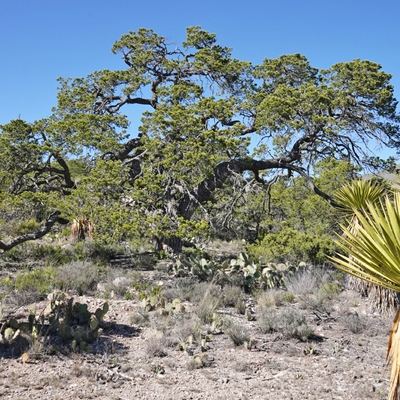
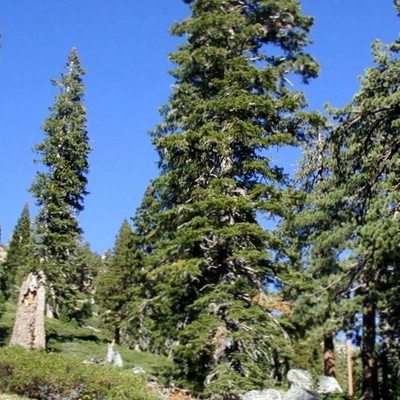
苗圃里有一批从各地收集来的濒危树种,手工扦插繁殖、手工嫁接,再在猛犸花园里种成大树。这些树往往要长几十年才够粗壮,经得住干旱和风暴。园区名字里的猛犸来自一对大约三十年前由 Jörg Kohout 和父亲一起种下的猛犸树,如今已长到三十米上下,每年还在长一米左右。三公里外挖出过棕榸的化石种子和猛犸遗骸,这些化石让当地的猛犸树与更古老的植物有了确凿来处。面积上站上的口径是连同城堡公园八万多平方米,媒体和旅游机构写的则是公园本身约七到八公顷,园内步道总长三公里多。园区在 2022 年 7 月开放,建设与布展前后花了四年。
造园与园林工程
同一家族名下还有一家做园林设计的公司 Kohouts Gartendesign GmbH & Co. KG,业务从私人花园做到公共绿地:日式庭院、农庄与别墅花园、树木栽植、泳池与水塘、露台园路围墙、围栏、照明与灌溉、草坪铺设以及修剪养护。德国的 LEADER 项目档案把这家公司列为猛犸花园 Elstra 园区的项目承担方,实施期从 2018 年 1 月到 2021 年 1 月,投资约 79 万欧元,其中约 20 万欧元来自 LEADER 资助。
一门生意,四家公司
这摊植物生意现在分属四家公司:Mammutgarten GmbH 运营园区与餐饮市集,Kohout’s Baumschule und Gartencenter 做苗圃和植物中心,Kohouts Gartendesign 承接造园工程,Floraparadies 负责网店销售。Jörg Kohout 作为植物与园艺方面的专家,经常在报纸、杂志和电视上露面,也会带着学校花园里的年轻园丁一起做社会项目。德国电视台报道说这里有约 50 名员工;这家苗圃也以 Kohout’s Baumschule und Gartencenter 的名义出现在 IPM Essen 的参展商名单上。
Three generations of one nursery
This plant business has been running in Prietitz, Germany, for more than sixty years. The grandfather, Hans Kohout, was once the municipal gardener in Königsbrück and worked hard to keep the castle park and the castle camellias there. His son Hans-Jürgen Kohout took over the Herrenhaus estate gardening in 1961 and founded Baumschule Kohout in the same year, the nursery that now sits inside Mammutgarten. Work on the garden centre began in 1991 and the doors opened a year later. In March 2011 Jörg Kohout started a plant web shop that later became Floraparadies GmbH & Co. KG, and in December 2012 he took the garden centre and the nursery over from his father. The site itself dates that handover to December 2012, while German media put it in 2013.
Seedlings raised on their own ground
The site is plain about it: 25 hectares of their own propagation, a family tradition of three generations, more than 65 years in all. Seedlings grow in the local climate, and everything from seed to finished plant is raised on the farm, which keeps transport distances short. The plant centre covers more than twenty thousand square metres of shopping space and is described by the company as Saxony’s largest market for rare woody plants; the site together with the adjoining castle park spans over eighty thousand square metres. The range is broken down in fine detail: conifers, deciduous trees, shrubs, native trees, rare exotics, bonsai, shaped standard plants, rhododendrons, hydrangeas, Japanese azaleas, climbers, ground cover, plus soft fruit and fruit trees. Grafting and pruning are done by hand, a family craft the nursery keeps talking about.
A home for endangered tree species
A collection of endangered tree species gathered from various places is propagated by hand and grafted by hand, then planted out as full-grown trees in the Mammutgarten. These trees often need decades to grow strong enough to withstand drought and storms. The mammoth in the park’s name comes from a pair of mammoth trees that Jörg Kohout planted with his father about thirty years ago; they now stand around thirty metres tall and still add about a metre of growth a year. Fossilised palm seeds and mammoth remains turned up three kilometres away, and those finds give the local mammoth trees and the plants around them a documented history. On area the site counts over eighty thousand square metres including the castle park, while press and tourism sources give the park itself as roughly seven to eight hectares, with more than three kilometres of paths. The park opened in July 2022, four years after construction and planting began.
Landscape design and gardening work
Another company in the same family, Kohouts Gartendesign GmbH & Co. KG, works from private gardens to public green space: Japanese gardens, farm and villa gardens, tree planting, swimming ponds and pools, terraces, paths and walls, fencing, lighting and irrigation, laying turf, plus cutting and maintenance work. German LEADER project records name the company as the project holder for the Mammutgarten site in Elstra, with an implementation period running from January 2018 to January 2021, around 79,000 euros invested and roughly 20,000 euros of that coming from the LEADER rural development programme.
One business, four companies
The plant business is now spread across four companies: Mammutgarten GmbH runs the park and the food market, Kohout’s Baumschule und Gartencenter handles the nursery and the plant centre, Kohouts Gartendesign takes on landscaping work, and Floraparadies runs the web shop. As an expert on plants and gardening, Jörg Kohout appears regularly in newspapers, magazines and on television, and he also works on social projects together with the youngest gardeners from the school garden. German television reports roughly 50 people work here. The nursery also appears in the exhibitor list of IPM Essen under the name Kohout’s Baumschule und Gartencenter.
相关文章:
 德国 G. D. Böhlje 苗圃 – 主营杜鹃花以及常绿阔叶和针叶树
 德国 Wüstemeyer 苗圃 Baumschule Wüstemeyer – 威斯特法伦开放花园
 德国 Helix Pflanzen GmbH – 地被植物与城市绿化专业苗圃
 德国 Böklund 玫瑰与树木苗圃 Baumschule Clausen – 提供从选苗到养护的全套服务
 德国 Nielsen 苗圃 (Baumschule Nielsen) – 主营日本红枫与杜鹃花属
 德国 Bruns 苗木出口公司 – 建成收集逾 1000 个杜鹃花品种的格里斯泰德杜鹃花植物园
 德国 普兰茨米赫 Pflanzmich.de – 德国最大苗圃区绿篱植物直销商
 德国 H. Hachmann 杜鹃花苗圃 – 德国百年杜鹃花育种苗圃
发表回复