

一片不断试验的花园群
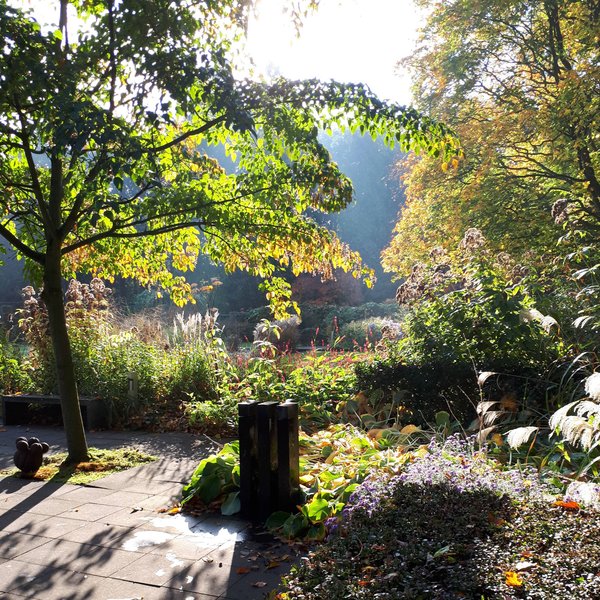
米恩鲁斯花园在荷兰上艾瑟尔省的德德姆斯瓦特(Dedemsvaart),是荷兰园林设计师米恩·鲁伊斯(1904 到 1999 年)留下的三十多座庭园,连成一片绿色。这些园子本身就是她的试验田:园子怎么设计、种什么、用什么材料,都要在实地一遍遍试。她 1924 年画出第一座庭园设计,到 2024 年正好满一百年。鲁伊斯去世后,花园交给一家非营利的基金会照管,园子本身还是市里的文物。2023 年,这座花园拿到了欧洲花园奖。
从苗圃里长出来的设计师
米恩·鲁伊斯 1904 年 4 月 12 日出生在德德姆斯瓦特,父母开着一家叫莫尔海姆的宿根花卉苗圃。她从小就在苗圃的一块地上摆弄花草、试各种形状和搭配,十九岁那年,家里试着在苗圃里开一个设计部门,她很快就接手了。当时荷兰还没有园林设计这个专业,她去柏林念过一阵书,在英国实习过,后来自己开设计所。三十年代她学建筑,受代尔夫特学派影响,但她更想要简单和清楚,就跟阿姆斯特丹和鹿特丹的一批建筑师合作,其中就有里特费尔德和梅克尔巴赫。战后重建那几年她的图纸满是斜线,同行叫她「斜线米恩」;六十年代她在园里试铺铁路枕木,人又称她「枕木米恩」。她被算作二十世纪最重要的园林设计师之一。
园子各有一副脾气
最早的一座是荒野园,1924 年建的;它和 1927 年的旧试验园、1954 年的水园,加上重建期的六座园子,一共九座列进了国家文物名录。其余园子的名字基本就是各自的性格:下沉园、角落园、修剪园、沼泽园、药草园、观赏草园、方格园、耐荫花境,还有一片林子和三座叫「灵感」的园子。种植计划按编号排到 30 号,几个号下面还再分 a、b、c 若干份图则。2025 年新增的园子里划出七个种植区,由七位园林设计师各认领一块,站方说他们会陆续讲出每块地背后的故事。
植物名单和种植规矩
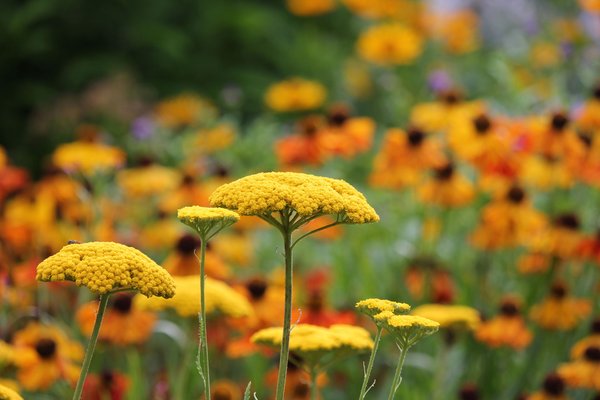
站上挂着一份能筛选的植物库,按园子、类型、花期、颜色、光照、土壤、叶色、株形和用途逐项筛,条目分 118 页列出,每条给出拉丁名和荷兰俗名。规矩也写在上面:植物要挑土质和位置合得来的;同一组至少种三株,大花境里让这组重复出现;再把不同高度掺进来,层次才活。园内还设一处苗圃,宿根花卉全部不用农药种出来,兼卖有机盆栽土和园艺杂货,只来买苗不用买门票。这一百年攒下的经验,另外收在一个数字资料库里,可以在线查。
开放时间和逛法
开放季是每年 4 月 1 日到 10 月 31 日,周二到周六 10:00 到 17:00,周日 12:00 到 17:00,周一闭园。门票成人 12.50 欧,4 到 16 岁 6 欧,25 人以上的团每人 11.50 欧;花园之友的年票全年免费。导览有荷兰语、英语和德语三种,园里有茶室可以歇脚,两处房子也能包下来办活动:谷仓房最多 50 人,旧园丁小屋最多 14 人,婚礼和会议都能在这儿办。基金会挂着公共利益机构的牌子,捐款可以抵税。
A Garden Complex Built on Trials
Tuinen Mien Ruys lies in Dedemsvaart, in the Dutch province of Overijssel, and is a chain of more than thirty gardens left by the Dutch landscape designer Mien Ruys (1904 to 1999). The gardens were her trial grounds: layout, planting and materials all had to be tried on site. She drew her first garden design in 1924, so 2024 marked a hundred years of it. After her death the complex has been run by a non-profit foundation, and the gardens are listed as a municipal monument. In 2023 they took the European Garden Award.
A Designer Who Grew Up in a Nursery
Mien Ruys was born in Dedemsvaart on 12 April 1904. Her parents ran the perennial nursery Koninklijke Kwekerij Moerheim, and she played with forms, plants and materials on a piece of the nursery ground from early on. At nineteen she was put in charge of the design department that was cautiously started there. There was no training in landscape design in the Netherlands at the time, so she studied for a while in Berlin and did internships in England before opening her own office. She studied architecture in the 1930s and came under the influence of the Delft School, but her heart was with simplicity and clarity, and she went on to work with architects in Amsterdam and Rotterdam, among them Rietveld and Merkelbach. In the postwar rebuilding years her plans were full of diagonal lines, and colleagues called her Slanting Mien; in the 1960s she experimented with railway sleepers, and they called her Sleeper Mien. She is counted among the most important garden architects of the twentieth century.
Every Garden Has Its Own Character
The oldest is the wilderness garden, laid out in 1924. Together with the old trial garden of 1927, the water garden of 1954 and six gardens from the rebuilding period of 1960, it gives nine gardens the status of national monument. The names of the rest give away their character: the sunken garden, the corner garden, the clipped garden, the bog garden, the herb garden, the ornamental grass garden, the chequerboard garden, the shade borders, a stretch of woodland and three gardens called Inspiration. The planting plans are numbered up to 30, with several numbers split into a, b and c sheets. In 2025 seven beds in the new garden were each taken on by a garden designer, and the site says their stories will follow one by one.
The Plant List and the Rules of Planting
The site publishes a searchable plant database that can be filtered by garden, plant type, flowering time, colour, light, soil, leaf colour, form and use; the entries run over 118 pages, each giving a Latin name and a Dutch common name. The rules are spelled out too: choose plants that suit the soil and the position, plant them in groups of at least three and let the group repeat through a large border, then mix in different heights so the planting gains depth. A nursery inside the gardens sells perennials grown without pesticides, together with organic potting soil and garden sundries, and you can buy plants without paying for entry. What the gardens learned in a century is collected in a digital knowledge centre as well.
When It Is Open and How to Visit
The season runs from 1 April to 31 October: Tuesday to Saturday from 10:00 to 17:00 and Sunday from 12:00 to 17:00, with Mondays closed. Adult tickets cost 12.50 euros, children from 4 to 16 pay 6 euros, and groups of 25 or more pay 11.50 euros a head; members of the Friends of the Gardens get in free all year. Guided tours are given in Dutch, English and German. There is a tea house to sit in, and two buildings can be hired: the barn takes up to 50 people and the old gardener’s cottage up to 14, for weddings and meetings alike. The foundation is a Dutch public-benefit organisation, so donations can be deducted from tax.






发表回复