
从俄勒冈运来的第一批球种
这家公司起点是一批从美国运来的百合球种。二十世纪六十年代,荷兰还没有人真正懂得怎么种百合,创始人 Klaas de Jong 从零开始摸索种植、采收、处理、贮藏和催花的全套做法。他先去日本和美国找货,跑到俄勒冈州的 Gresham 认识了 Oregon Bulb Farm 的专家 Jan de Graaff,谈到独家进口俄勒冈球种,这批货经 Andijk 转发给荷兰各地的催花厂,再销往欧洲其他国家。
1970 年第一座厂房落成,里面有球种冷库和包装车间,1977 年又加上大冷库和一间实验室,育种才算有了像样的条件。老创办人自己育出 Mona、Sarina 和 Lorina 三个品种。1987 年 Marcel Kroezen 和 Wijnand van der Kooij 从他手里接过公司,同年扩建办公楼和温室群,公司的育种项目做出了第一个黄色亚洲系品种 Mona。九十年代末到千禧年前后,Yellow Diamond、Indian Diamond 和 Party Diamond 组成的 Diamond 系列成了目录里的主力。
三十年间长到多大
种植的摊子主要铺在荷兰东部,德伦特、上艾瑟尔和弗里斯兰三个省的土壤和气候都合适,产量收上来后送回 Andijk 加工处理。1995 年他们在新西兰也设了种植点,一年约十公顷,主要供亚洲和澳洲市场,那边种的是东方系和 OT 杂交种,不太经放,用意是拉长全年供货期。2000 年澳大利亚子公司成立,2025 年满二十五周年。
2011 年公司办五十周年,Michiel 和 Remco 这一代进了公司,安迪克开出第二处厂区,配了六间冷库、洗选包装区和一座大加工车间。2013 年主厂区的冷库翻新,全部改用氨制冷。
2014 年公司接手 Ruiter Bloembollen 的种植业务,种植面积从 10 公顷一下推到 80 公顷,公司自己的种植页如今只说「几十公顷」。同年 Marcel Kroezen 去世。2019 年第二处厂区装了 1660 块太阳能板,2020 年主厂区新温室启用,旧的一排拆掉重建,连展示温室算下来一共 5700 平方米。2020 年代公司又收购了 Sassenheim 的 Deleeuw Flowerbulbs,并上一条 Akerboom 机械厂造的高速装球线。
自育品种与不落粉的百合
自家育种是这家公司最老的看家本事,重心在 LA 杂交种和亚洲系,东方系和 OT 杂交种的需求在涨,他们也跟。代表性的自育品种有 Hinault、Zorro、White Sound、Zanella 和 White Spear。每个品种页面上写得很细:Hinault 是黄色的 LA 杂交种,花期 75 天,株高 100 厘米,10 到 12 厘米的球种开 3 到 5 个花苞,16 到 18 厘米的球种能开 7 到 9 个。
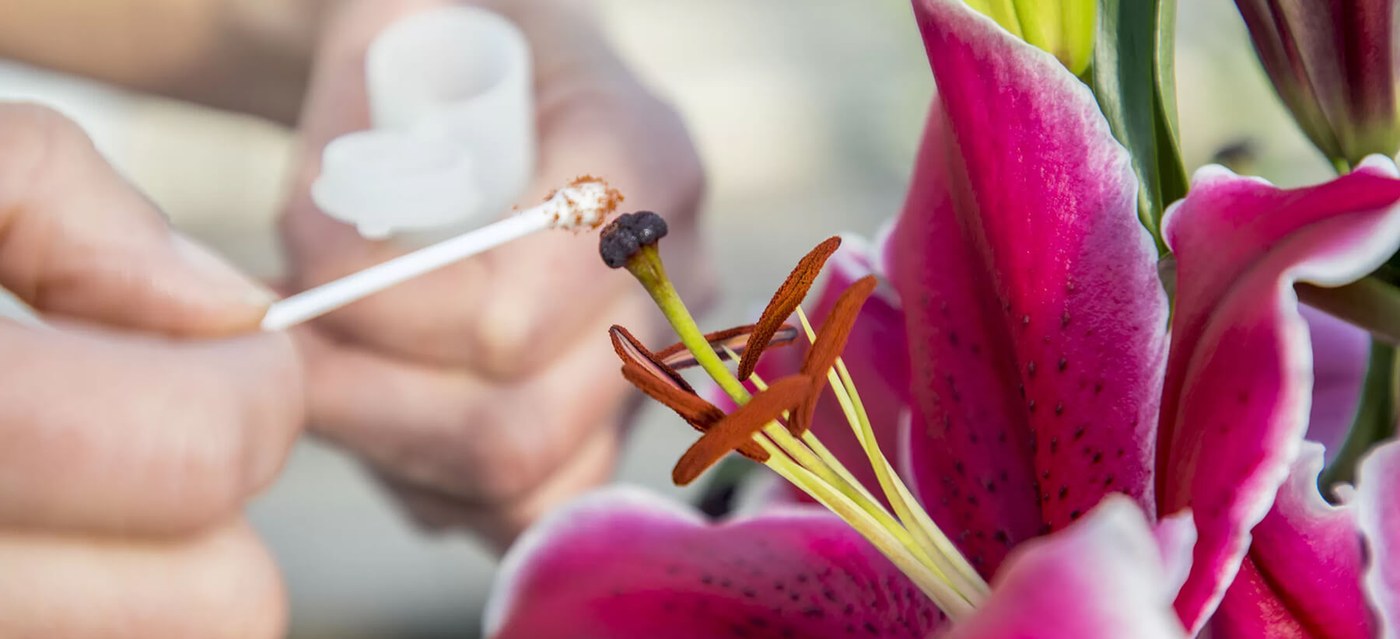
两个方向还在往前推。一是抗病,针对灰霉病和病毒的抗性品种仍在早期阶段。二是花粉,自然界里含粉的百合多、无粉的极少,投入研究才做得出来,无粉品种做成了对终端用户更省事。新品种先在温室里反复试繁,起点苗一律用无病毒的组培苗,卫生规程也卡得严;等一个品种站住脚,再授权给种植户把量放大。
目录里的 412 个品种
公司网站上的品种目录从第一页翻到第 35 页一共 412 条,其中 75 条标着 DJL Original,是自家育种留下来的,其余是市场上通行的品种。分组看,LA 杂交种 123 个最多,其次是 OT 杂交种 87 个、东方系 79 个、东方重瓣 36 个、亚洲系 30 个、LA 与亚洲系的无粉种 22 个、盆栽亚洲系 19 个、TA 杂交种 14 个、LO 与铁炮 10 个、东方系无粉 6 个。一个品种可能同时算进两个组,各组加起来会超过 412。
除了自育品种,公司也做整个球种市场的批发,亚洲系、LA 杂交、东方系、OT、LO 和铁炮都做,买卖按客户要的量和时间安排,销售经理一年上门一到三趟。
发往五十多个国家
球种从 Andijk 发往五十多个国家,客户是各地的种植户和球种进口商。欧洲之外,澳大利亚、亚洲和南北美是重点,越南和中国这样的新兴市场也在盯。公司在澳大利亚有自己的处理点:球种平时用泥炭包装发货,澳洲不进口泥炭,所以货发过去是散装的,到了当地再重新分装。
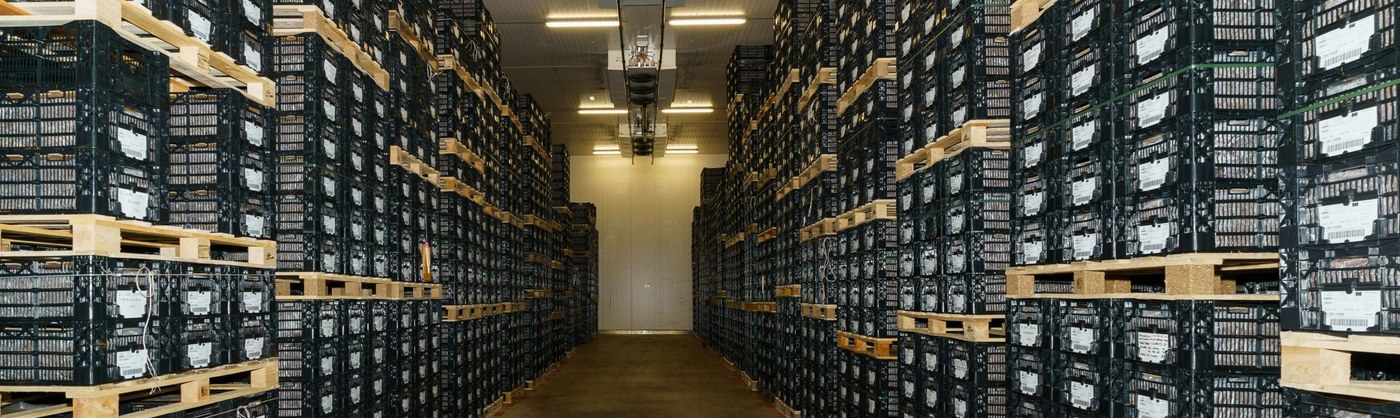
整个流程管得死,选种、繁殖、种植、加工、贮藏一步步走,每一批货都按标准检验后入库,冷库的温度和存放条件全程盯着。销售条款直接沿用 Anthos 的球种通用买卖条件,价格按荷兰工厂交货算,账期 30 天。2020 年公司六十周年,荷兰百合日的开幕就设在安迪克,同年他们还在自家发出的球种箱里藏了金、银、铜三座奖杯,找到的人拿旅行支票。2026 年 6 月 2 日到 5 日的荷兰百合日,十三家参展商里有他们一家,试验温室照常开放。每年 10 月到 12 月的球种季,公司还要招叉车司机和机器操作工。
The Business That Began With Bulbs From Oregon
The company started with lily bulbs shipped in from America. In the 1960s nobody in the Netherlands really knew how to grow lilies, so founder Klaas de Jong worked out growing, harvesting, treating, storing and forcing for himself. He sourced bulbs from Japan and the United States, and in Gresham, Oregon, he met Jan de Graaff of Oregon Bulb Farm and talked his way into exclusive import rights for Oregon bulbs. Those bulbs went out through Andijk to forcing houses all over the Netherlands and later to the rest of Europe.
The first company building went up in 1970, with a bulb store and a packing hall; seven years later a large cold room and a proper laboratory were added, and breeding finally had decent conditions to work in. The founder bred Mona, Sarina and Lorina himself. In 1987 Marcel Kroezen and Wijnand van der Kooij took the company over from him, and the same year the offices and greenhouse complex were extended and the breeding programme produced its first yellow Asiatic, Mona. From the late 1990s into the new century the Diamond series, with Yellow Diamond, Indian Diamond and Party Diamond, became the backbone of the list.
How Far It Grew in Thirty Years
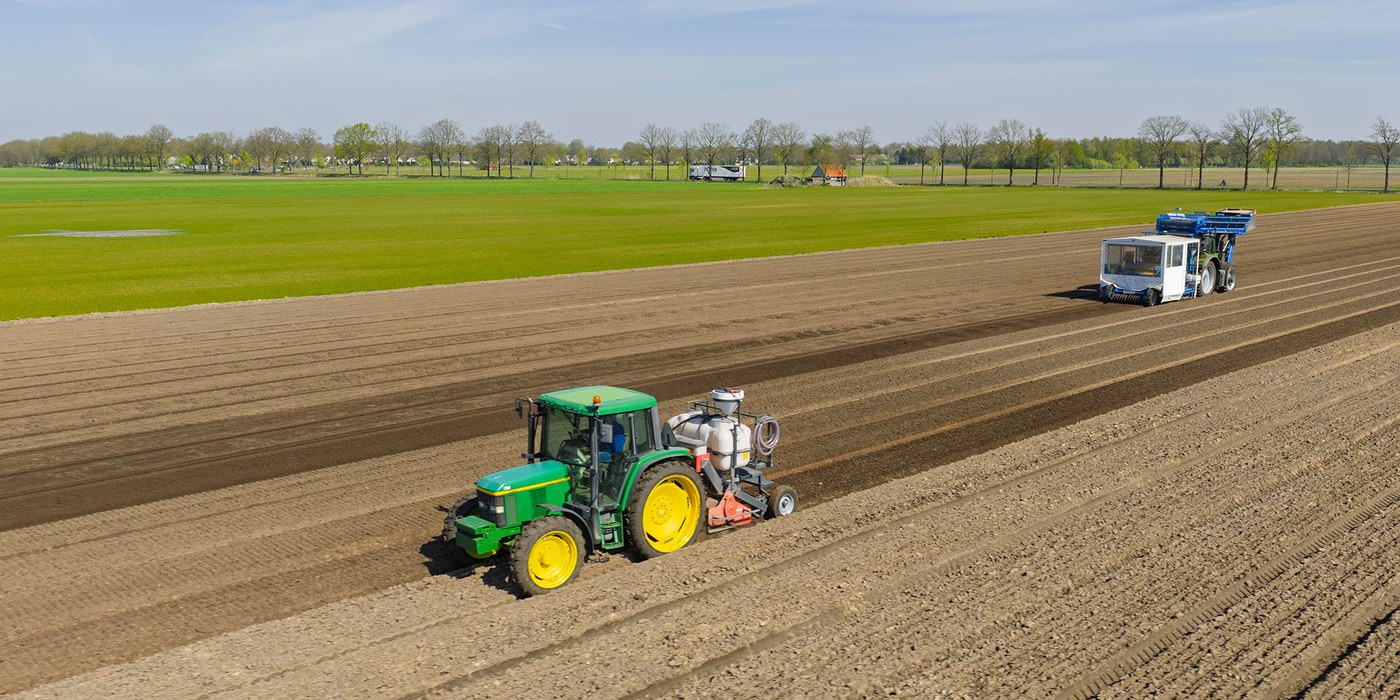
Most of the growing lies in eastern Netherlands, in Drenthe, Overijssel and Friesland, where the soil is fertile and the climate suits the crop; the lifted bulbs are processed back in Andijk. In 1995 the company set up a growing site in New Zealand as well, about ten hectares a year, mainly for Asian and Australian markets. What is planted there are Orientals and OT hybrids, varieties that do not keep well, and the point is to stretch the supply season across the whole year. The Australian subsidiary was founded in 2000 and marked its twenty-fifth anniversary in 2025.
The fiftieth anniversary came in 2011, when Michiel and Remco joined the company and a second site opened in Andijk with six cold stores, a washing and packing area and a large processing hall. In 2013 the cold stores at the main site were renovated and now run entirely on ammonia.
In 2014 the company took over the growing activities of Ruiter Bloembollen, which pushed the area under lily from 10 hectares to 80 hectares, though the company’s own cultivation page now puts it more loosely at dozens of hectares. Marcel Kroezen died in the same year. In 2019 sixteen hundred and sixty solar panels went up at the second site, and in 2020 a new greenhouse at the main site came into use with the oldest section demolished and rebuilt, taking the show greenhouses to 5700 square metres in total. In the 2020s the company also bought Deleeuw Flowerbulbs of Sassenheim and installed a high-speed lily packing line built by Machinefabriek Akerboom.
Their Own Breeding, and Lilies Without Pollen
Own breeding is the oldest skill in the house. The centre of gravity is LA hybrids and Asiatic lilies, and the company follows the rising demand for Orientals and OT hybrids. Well-known varieties of their own include Hinault, Zorro, White Sound, Zanella and White Spear. Each variety page is specific: Hinault is a yellow LA hybrid with a 75-day growing period and a plant height of 100 centimetres, and a 10 to 12 centimetre bulb carries three to five buds while a 16 to 18 centimetre bulb carries seven to nine.
Two lines of work are still running. The first is resistance, where cultivars with resistance to botrytis and viruses are at an early stage. The second is pollen: lilies with no pollen are rare in nature, so getting one takes research, and a pollen-free lily is easier for the end user to handle. New selections are tested and multiplied in the company’s own greenhouses, always starting from virus-free tissue-culture material under strict hygiene, and once a variety proves itself it is licensed to growers to scale up.
412 Names in the Catalogue
The variety catalogue on the company website runs to 412 entries across 35 pages. Seventy-five of them are marked DJL Original, the ones from their own breeding programme, and the rest are the standard varieties of the bulb market. Broken down by group, LA hybrids lead with 123, followed by 87 OT hybrids, 79 Orientals, 36 double Orientals, 30 Asiatics, 22 pollen-free LA and Asiatic, 19 pot Asiatics, 14 TA hybrids, 10 LO and Longiflorum, and 6 pollen-free Orientals. A variety can sit in two groups at once, so the group counts add up to more than 412.
Alongside their own varieties the company wholesales from the bulb market as a whole, dealing in Asiatics, LA hybrids, Orientals, OT, LO and Longiflorum, with orders arranged around the quantities and timing each customer needs. Account managers visit customers one to three times a year.
Bulbs Shipped to More Than Fifty Countries
Bulbs leave Andijk for growers and bulb importers in more than fifty countries. Outside Europe the emphasis is on Australia, Asia and the Americas, with Vietnam and China among the emerging markets being watched. The company has its own handling point in Australia: bulbs are normally packed in peat, and since Australia does not allow peat in, they travel unpacked and are packed again over there.
The whole chain is tightly run, moving step by step through selection, propagation, cultivation, processing and storage. Every batch is inspected against the standard before it goes into store, and the temperature and holding conditions in the cold rooms are watched throughout. Sales run on the general conditions for flower bulbs published by Anthos, with prices on an Ex Works Netherlands basis and 30 days to pay. For the company’s sixtieth year in 2020 the opening of the Dutch Lily Days was hosted in Andijk, and a gold, a silver and a bronze trophy were hidden among the bulb boxes they shipped, with a travel voucher for whoever found them. At the Dutch Lily Days, from 2 to 5 June 2026, they are one of thirteen exhibitors and open their trial greenhouse as usual. Every October to December, through the bulb season, the company is also hiring forklift drivers and machine operators.
相关文章:
 荷兰 百合公司 Lily Company B.V. – 北荷兰百合球茎育种与全球出口商
 荷兰 Zabo Plant百合公司 – 专业园艺服务机构
 荷兰 博特球茎花卉公司 Bot Flowerbulbs – 北荷兰球茎预处理全球出口商
 荷兰Van den Bos花卉球茎公司 – 对于专业的花卉种植者和进口商业来说,”荷兰Van den Bos花卉球茎公司”是从事百合、小苍兰及马
 荷兰 阿克球茎花卉公司 P. Aker – 荷兰百年球茎出口商
 荷兰 普林斯球茎 Prins Bulbs – 面向英国零售的家族出口商
 加拿大 阿尔伯特地区百合协会 – 北美百合协会的地区分会
 加拿大 草原百合学会 – 每年7月举办百合花评审展览
发表回复