
由三家检验机构合并而成
这家机构的英文名是 Netherlands Inspection Service for Horticulture,日常用名 Naktuinbouw。它在 2000 年由三家检验机构合并而成:NAKB 负责树木栽培作物,NAKS 负责观赏作物,NAKG 负责蔬菜作物。合并之后,种子、扦插枝条、幼苗这类繁殖材料的质量和健康检查都归到同一家机构。
这套检验体系在荷兰的根子扎得更深。1861 年 Boskoop 的园艺主为果树作物成立了同业协会,1888 年出现第一次田间检验,1895 年设了树木检验委员会,1932 年成立 NAK 负责农作物种子,1941 年 NAKG 挂牌,1943 年和 1947 年 NAKB、NAKS 先后成立。站上放了一支回顾历年沿革的动画短片。
法定身份与唯一授权
Naktuinbouw 的法定身份是自治公共机构,受农业、渔业、食品安全与自然部监管。方向由理事会和三个行业委员会定,部门承担的是法定职责。对外最特别的一点,是它是荷兰唯一由政府指定的品种鉴别机构:蔬菜、农业和观赏作物的品种要登记,或者要申请植物育种者权利,都得先做特异性、一致性和稳定性测试(DUS),这项测试全国只有它一家能做。荷兰的登记与品种权申请经由品种委员会转交,欧盟层面的权利申请则走欧盟植物新品种局。总部设在南荷兰省的罗洛夫阿伦斯芬。
三个部门各管一段
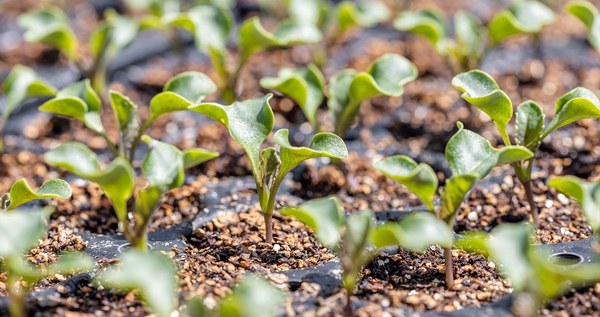
机构内部按业务分成三块。检验部门按欧盟规则和荷兰《种子与植物材料法》检查上市与出口的繁殖材料,覆盖蔬菜作物、蔬菜种子、观赏作物、果树和林业材料,同时负责一批授权项目的管理,包括 ASLN、ELITE、HSPO、NAFI、NAL、LEEZ、Select Plant 和 GSPP。进出欧盟的植物材料,由它和食品安全监管机构 NVWA 一起把关。
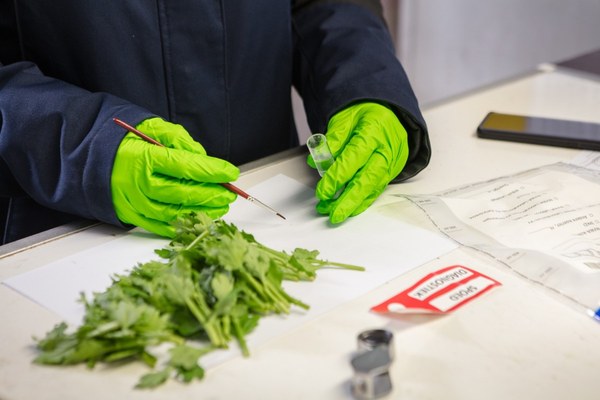
实验室负责材料本身的检验,查病毒、真菌、细菌、线虫这类有害生物,也做病害清除、植物诊断、质量与纯度测定、品种身份鉴定、进口检疫和抗病性试验。实验室服务对所有企业开放,想使用可先在站上登记为客户;只有查出检疫性有害生物时才通知 NVWA。自 2026 年 12 月 1 日起,部分花卉作物改用 PCR 取代 ELISA 检测。
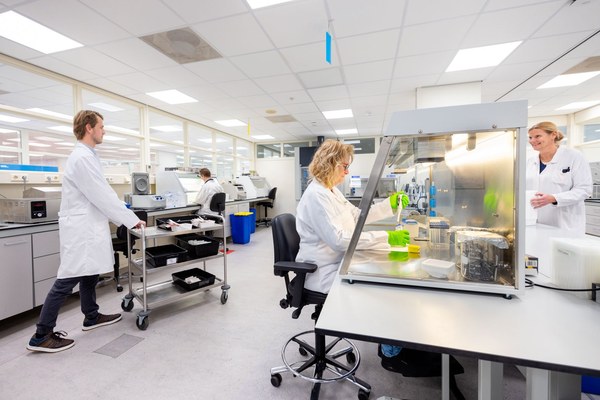
品种测试部门做的是 DUS 试验和抗病性测定,同时做品种纯度与真实性测定,并应要求提供品种描述资料,还承担 DUS 咨询台的答疑工作,帮助育种者弄清申请材料和试验要求。
治理结构与经费来源
决策由一个基金会层面的理事会负责,六名成员加一位主席,主席由理事会任命。花卉、苗木、蔬菜三个行业委员会各推举两名成员进入理事会。涉及收费和预算的方案先在行业委员会讨论,形成预算与费率建议后报农业部长批准。日常另有若干咨询委员会,成员来自育种企业、生产企业和实验室。
经费全部来自收费,检验、试验和实验室分析各收各的钱,按成本定价的原则核算,机构不收部委的财政补贴。年度预算约两千六百万欧元。
资质认可与对外支持
机构同时是一家知识中心。实验室检测取得 ISO/IEC 实验室认可,检验部门取得 ISO/IEC 检验认可,品种测试获欧盟植物新品种局委托,抽样与种子分析拿到 ISTA 认可,质量管理体系按 NEN-EN-ISO 9001 认证,监督方是 NVWA。站上提供培训班、面向育种者的品种权工具箱,也接待中小学和高校的学生来参观和实习。
对外它参与国际项目,帮助想改善检验服务的国家建实验室、建立植物育种者权利制度。站上还提供常见问题解答、投诉渠道和无障碍说明。企业要在站上登记为客户后送样。
Three inspection services merged into one
The organisation’s full Dutch name is Stichting Nederlandse Algemene Kwaliteitsdienst Tuinbouw; it is known in English as the Netherlands Inspection Service for Horticulture and goes by Naktuinbouw in daily use. It was created in 2000 out of a merger of three inspection services: NAKB covered tree nursery crops, NAKS ornamental crops, and NAKG vegetable crops. After the merger, the quality and health checks on propagating material such as seed, cuttings and young plants all sit with a single body.
The roots run deeper. In 1861 growers in Boskoop set up an association for fruit crops, the first field inspection took place in 1888, a tree inspection commission followed in 1895, the NAK for agricultural seed was founded in 1932, NAKG came into being in 1941, and NAKB and NAKS followed in 1943 and 1947. The site carries a short animated film walking through the history.
A statutory body with a unique mandate
Naktuinbouw is an autonomous public body under the Ministry of Agriculture, Fisheries, Food Security and Nature. The board and three sector boards set the direction, and the departments carry out the statutory tasks. What sets it apart externally is that it is the only organisation in the Netherlands designated by the government to assess varieties: a vegetable, agricultural or ornamental variety that is to be listed, or that is to become a subject of an application for Plant Breeders’ Rights, must first pass a test for distinctness, uniformity and stability, and no one else in the country performs that test. Dutch listing and rights applications are routed through the Board for Plant Varieties, while applications at European level go to the Community Plant Variety Office. The head office is in Roelofarendsveen, in the south of the country.
Three departments, three jobs
The work is split internally into three parts. The inspection department checks propagating material that is put on the market or exported, working from EU rules and the Dutch Seeds and Plant Material Act. It covers vegetable crops, vegetable seeds, ornamental crops, fruit crops and forestry material, and it also audits and re-inspects a set of authorisation schemes, among them ASLN, ELITE, HSPO, NAFI, NAL, LEEZ, Select Plant and GSPP. Plant material moving in or out of the EU is checked by the service together with the food safety authority, NVWA.
The laboratories test the material itself for viruses, fungi, bacteria and nematodes, and also handle disease-free production, plant diagnosis, quality and purity tests, variety identity testing, import quarantine service and resistance testing. Laboratory services are available to any company, and a company that wants to use them can register as a customer; only the finding of a quarantine organism triggers a notification to NVWA. From 1 December 2026, PCR replaces ELISA for a number of floricultural crops.
The variety testing department runs the DUS tests and the resistance tests, carries out varietal purity and trueness tests and supplies variety descriptions on request, and staffs the DUS helpdesk, where breeders can get answers on application material and test requirements.
Governance and where the money comes from
Decisions rest with a board at foundation level, six members plus a chairman whom the board appoints. Three sector boards, covering floricultural, arboricultural and vegetable crops, each put two members on that board. Questions of fees and budget are discussed in the sector boards first, and the resulting budget and tariff proposals go to the Minister of Agriculture for approval. Advisory commissions work alongside, with members drawn from breeding companies, growers and laboratories.
The budget is met entirely from charges: inspections, tests and laboratory analyses each carry their own fee, worked out on the principle that the user pays the cost, and the service takes no financial support from the ministry. The annual budget is about twenty-six million euros.
Accreditation and work abroad
The organisation is a centre of expertise at the same time. Laboratory testing carries ISO/IEC laboratory accreditation, the inspection department holds ISO/IEC inspection accreditation, variety testing is entrusted by the Community Plant Variety Office, sampling and seed analysis are covered by ISTA accreditation, and the quality management system is certified to NEN-EN-ISO 9001, with NVWA as the supervising body. The site runs training courses, offers a toolbox for breeders working with variety rights, and receives school and university students for visits and internships.
Abroad it takes part in international projects, helping countries that want to improve their inspection services to set up laboratories and establish a system for Plant Breeders’ Rights. The site also carries answers to frequently asked questions, a complaints procedure and a note on web accessibility. Samples can be sent in once a company has registered as a customer.
相关文章:
 美国3 Rivers Biotech植物组培公司 – 西北太平洋地
 美国 UMass CAFE 园艺中心 – 美国园艺科研与推广机构
 美国 俄勒冈州立大学农业科学学院植物诊所 – 俄勒冈州立植物病害诊断中心
 加拿大 Plant Products公司 – 是化肥、合成和生物杀虫剂、Biobest®
 荷兰 Biobest生物治理公司 – 提供熊峰授粉、有益昆虫和螨虫、线虫、生物农药、益虫促进剂和粘性诱捕板、滚动
 美国 北卡罗来纳州扩展综合虫害治理计划 – 害虫综合管理、生物防治与可持续农业研究
 美国 太平洋西北病虫害与杂草防治手册 – 爱达荷俄勒冈华盛顿三州区域性病虫害与杂草综合管理工具
 荷兰 Plantencentrum Velden – 25年家族传承花园中心
发表回复