
从巴登符腾堡一间种子小店做起
Asklepios Seeds 是一家德国的种子网店,经营者是 Horst Bauer,店址在巴登符腾堡州巴特利本采尔。店 2013 年开张,起步是纯线上生意,靠一个域名和一批供货渠道做起来,没有实体展厅。名字取自古希腊医学传说里的人物阿斯克勒庇俄斯,对应的正是店里的主营方向——药用植物。店上自己的说法是”精选种子,面向高要求的人”,取的是这类植物和园艺爱好者两类客户:既有搞观赏的园丁,也有做民族植物学、传统医学研究的机构。
商品线最特别的一点,是把”稀有”当成招牌,而不是把品类铺开做全。药用植物、观赏植物、食用与有用植物、民族植物学外来种子四条线并行,其中民族植物学这条线指阿育吠陀和中医里用到的植物,比如人参的三个种、三七、罗汉果、辣木。店上举过两个稀有度的例子:一是同时提供三种人参的种子,在他们所知范围内还没有别家网店这么做;二是美洲蛇根和非洲魔鬼爪这一类货源紧张、数量极少的物种。店里还单设了”药铺”栏目,卖一批复方营养补充剂,与种子是两回事,但同属一个品牌。
番茄这类常见菜种也做,但只取那些自然形成的固定老品种,也就是没有为某个指标人工优化过的那种(samenfest)。这一条是店主主动提出来的,理由是保留品种多样性要紧。
小批量进货,2019 年拿到有机认证
进货方式是全店最见功夫的地方。种子从世界各地收来,但每次只取小批量,分散在几家信得过的供货源上。理由说得很直白:量小才管得住新鲜度和发芽率,真出了质量问题也好逐批追查。店上还给了兜底承诺——万一某批种子确实不能发芽,会按顾客的意思把问题解决掉。
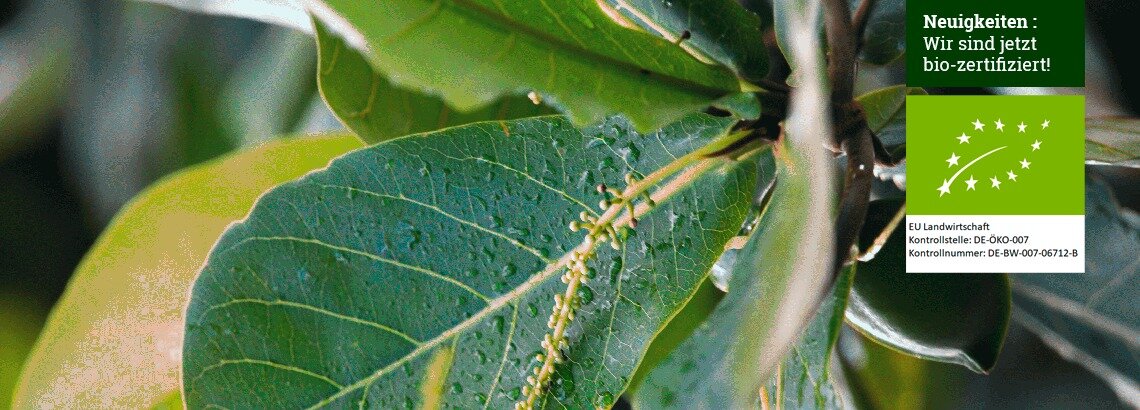
2019 年 3 月底,这家店拿到欧盟有机认证(编号 DE-BW-007-06712),店上专门做了公告,说明多数货品可保证来自有机生产。认证之前它已有自己的一套办法:持续检测种子的发芽能力,而不是等顾客收到货再发现问题。
目录有 649 条,今天却下不了单
目录页的数字是 649 个条目,2019 年和 2024 年的快照都显示这个数。翻页按每页 32 件排,翻到第 8 页是第 225 到 256 件。数目听着不小,但需要说明的是:2025 年下半年起,站上除首页、账户、收藏夹、登录这几页之外,其余子页面都已经取不到内容,商品详情页返回的是空壳。
也就是说,目录规模是历史数据,不代表今天还能逐条下单。首页仍然挂着几个热卖品种和价格,比如美洲蛇根、辣木、马黛、巴巴多斯樱桃、罗汉果、白鼠尾草、绞股蓝,但点进任何一件都打不开商品页,购物车和结账流程同样失效。读者若想下单,务必先确认站上是否已经恢复。
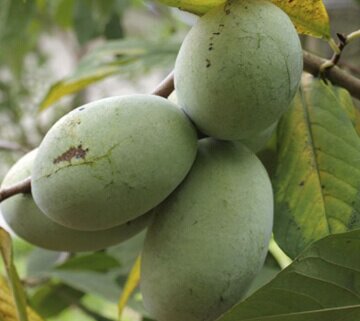
首页和目录里被当作招牌的还有北美番荔枝,一种原产北美的耐寒果树,秋天结实,店里把它当特色货来推。此外店里长期供应人参的活苗和裸根苗,不只是种子。
批发另有一条线,客户也不只是园丁
面向同行的批发业务单独设页说明,写得很直接:散装种子按公斤起订,客户包括园艺企业、种子经销商、机构、植物园,以及化妆品和制药行业的企业,货源取自有名有姓的育种者,品质稳定。页面上还有一条硬规矩——个人提出的批发询价不予回复,需要提供营业执照。
零售端的客户构成比宣传页写的更杂:除私人园丁外,还有园丁企业、种子经销商、科研机构和大学。店上列出的客户所在国家包括德国、法国、英国、瑞士、墨西哥、印度和南美洲等地。
相关地,店主家族还另开了一家面向零售商的种子批发企业 Bulk Seeds International,同一位 Steffen Bauer 经营,目录规模比零售店大得多,列了三千五百多个条目。这条线目前是活的,可以正常发询价。把它和 Asklepios Seeds 分开看更清楚:批发那头是 Steffen Bauer 的独立生意,零售这头是 Horst Bauer 的店,两家在货源和客户上有往来,但不是同一个主体。
下单前要知道的事
货的定位是稀有,不是便宜。种子按小批量从全球各地收,价格随物种而变,几粒的稀有品种和上百粒的常见品种差着量级,站上常见的价格区间是每份 3 到 5 欧元上下,但缺货和补货都随意。
店上明确说过不提供药用建议,理由是法律不允许。商品描述里偶尔出现的用途说明只作完整性保留,写得也短,这一点在挑选时最好先知道。
店家给的方法集中在播种与发芽这一层:多数种子不用特别处理,少数要打破休眠,比如把种子和湿砂放进冰箱做冷藏层积,一般约四周;种皮厚的则建议用砂纸打磨或小心划破,能缩短发芽时间。具体做法每个物种在各自的商品说明里另写。
真要买,先弄清站上是否恢复。零售这边现在只能浏览不能下单,而批发那条线仍在正常接询价,走的是完全不同的通道。
Starting as a seed shop in Baden-Württemberg
Asklepios Seeds is a German seed shop run by Horst Bauer from Bad Liebenzell in Baden-Württemberg. It opened in 2013 and started as a purely online business, built on a domain name and a set of supply contacts rather than any physical showroom. The name comes from Asklepios, the figure of Greek medical legend, which points at the main direction of the shop: medicinal plants. The site’s own line is seed of a high standard, aimed at two kinds of customer at once, gardeners who want the ornamental kind and institutions working in ethnobotany and traditional medicine.
The most distinctive thing about the range is that rarity is the selling point, not breadth. Four lines run in parallel: medicinal plants, ornamental plants, edible and useful plants, and ethnobotanical seed from outside Europe. That last line covers plants used in Ayurveda and traditional Chinese medicine, among them three kinds of ginseng, notoginseng, monk’s fruit and moringa. The site gives two examples of its own: it is, as far as it knows, the only online shop able to offer seed of three different kinds of ginseng at once, and it handles species in very short supply such as American snakeroot and African devil’s claw. There is also a separate “Apotheke” section selling a range of compound dietary supplements, a different business from the seed under the same brand.
Ordinary vegetable seed is handled too, but only as fixed old varieties that arose naturally, that is, not bred for any particular standard (samenfest). Keeping variety diversity alive is a point the owner raises himself.
Small batches, organic certification since 2019
How the shop buys in is the part that takes the most care. Seed comes from all over the world, but always in small quantities and spread across a few trusted sources. The reasoning is plain: small lots keep freshness and germination under control, and if something is wrong with a batch it can be traced back to that batch. The shop backs this with a commitment that if seed does not germinate, the problem will be sorted out in the customer’s favour.
At the end of March 2019 the shop was certified organic under the EU scheme, control number DE-BW-007-06712, and made an announcement saying that most of its goods can be guaranteed to come from organic production. Before that it already had its own method, testing germination capacity on a continuing basis rather than waiting for a customer to report a problem.
A catalogue of 649 that can no longer be ordered from
The catalogue page shows 649 entries, a number that appears in both the 2019 and the 2024 snapshots. Paging runs at 32 items per page, and page eight covers items 225 to 256. The figure sounds substantial, but it needs a qualification: since late 2025 every subpage of the site apart from the homepage, the account, the wishlist and the login page has stopped returning content, and product pages come back empty.
In other words the catalogue size is historic data and does not mean the shop can still take an order item by item. The homepage still carries a few best sellers with prices, among them American snakeroot, moringa, yerba mate, acerola, monk’s fruit, white sage and Jiaogulan, but no product page opens, and the cart and checkout flow is dead as well. Anyone intending to order should first confirm whether the site is working again.
Among the items the homepage and catalogue push is pawpaw, a hardy North American fruit tree that fruits in autumn and is offered as something of a speciality. The shop also carries live and bare-root ginseng plants over the long term, not only seed.
Wholesale runs separately, and the customers are not only gardeners
Trade supply has a page of its own and says things plainly: loose seed is sold by the kilogram to nursery businesses, seed dealers, institutions, botanical gardens and companies in the cosmetics and pharmaceutical industries, and goods are bought from named breeders so that quality stays steady. The page also sets one hard rule, that wholesale enquiries from private individuals are not answered and proof of trade is required.
The retail customer base is more mixed than the promotional pages suggest. Alongside private gardeners there are nurseries, seed dealers, research institutes and universities, and the site names Germany, France, Britain, Switzerland, Mexico, India and South America among the countries buyers come from.
Related to this, the same family runs a separate wholesale business for retailers, Bulk Seeds International, operated by Steffen Bauer. Its catalogue is far larger than the retail shop’s, with some three and a half thousand entries, and that business is running normally and taking enquiries. It is worth keeping the two apart: the wholesale company is Steffen Bauer’s own business, the retail shop is Horst Bauer’s, and they trade with each other but are not the same entity.
What to know before ordering
The positioning is rarity rather than cheapness. Seed is bought in small lots from all over the world and prices follow the species, with rare varieties sold in lots of a few seeds and common ones by the hundred. The prices that remain on the site sit mostly around three to five euro per pack, though availability changes without notice.
The shop says plainly that it gives no advice on medical use, because the law does not allow it. Where a use does appear in a product description it is kept brief and is there for completeness, which is best known before choosing anything on that basis.
The advice the shop does give concerns sowing and germination. Most seed needs no special treatment, while some has to have its dormancy broken, a cold stratification in the fridge with moist sand for about four weeks being the usual method, and seed with a thick coat is advised to be roughened with sandpaper or carefully nicked so that it takes up water and germinates sooner. The method for any particular species is written out in its own product description.
If you mean to buy, first find out whether the site is back. The retail side can currently be browsed but not bought from, while the wholesale business is still taking enquiries, and that runs through a completely different channel.
相关文章:
 美国 奥纳莉种子公司 Onalee’s Seeds – 佛罗里达州种子商偏热带和柔嫩宿根
 英国 Chiltern Seeds 种子公司 – 牛津郡家族花卉蔬菜种子目录商
 美国 Select Seeds 花卉种子公司 – 切花与花境花卉与香草种子公司
 加拿大 Stokes Seeds — 百年蔬菜花卉种子供应商
 美国 种子变革品牌 Seeds of Change – 美国第一家纯有机种子公司
 加拿大 威廉大坝种子公司 William Dam Seeds – 加拿大蔬菜花卉种子家族企业
 美国 Andrews种子公司 – 提供各种花园用品和植物
 加拿大 西海岸种子 West Coast Seeds – 加拿大有机种子品牌
发表回复