

上奥地利州的一个家族苗圃
苗圃在奥地利上奥地利州,韦尔斯一带的马希特伦克(Marchtrenk),老板是 Josef Greinegger,是个家族买卖。网站介绍页写的是「二十余年水生植物经验」,常见问答页写「二十五年以上」,可查到的最早那版首页(2013 年)写的是「十五年经验」,倒推起来这门生意起自 1990 年代末。这个域名 2004 年的存档上已经是同一门生意,只是那时叫 Botanika,做的是造园和泳池;奥地利工商会的企业名录里,Josef Greinegger 名下至今还挂着 Botanika 这个字号,2013 年前后域名才换成 Greinegger 的水生植物商店。公司在奥地利工商会的园艺师与花艺师行业组里挂着名号。
苗子都是自家育的
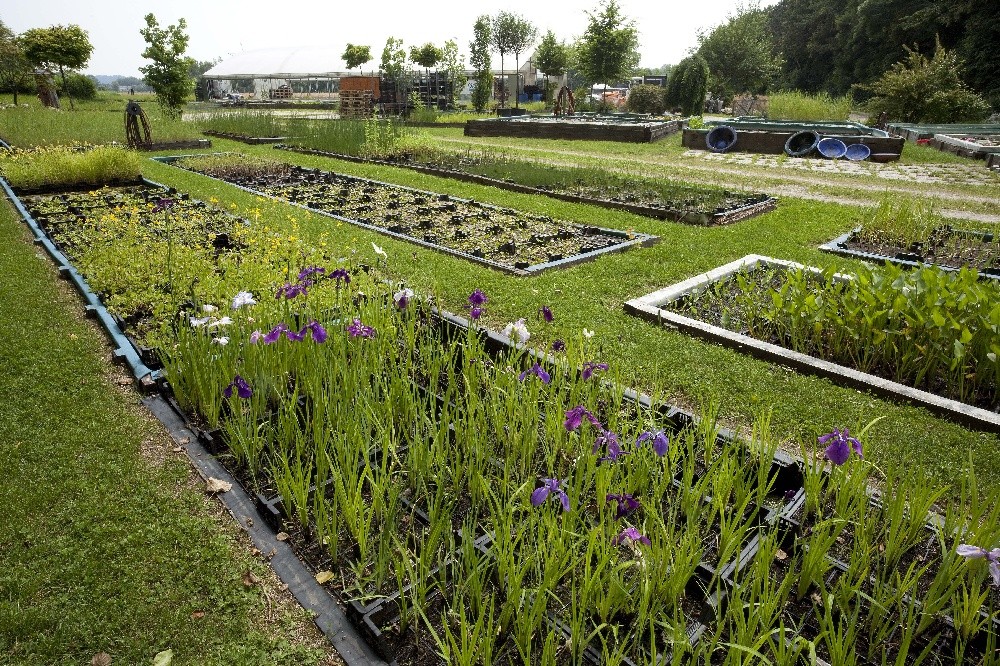
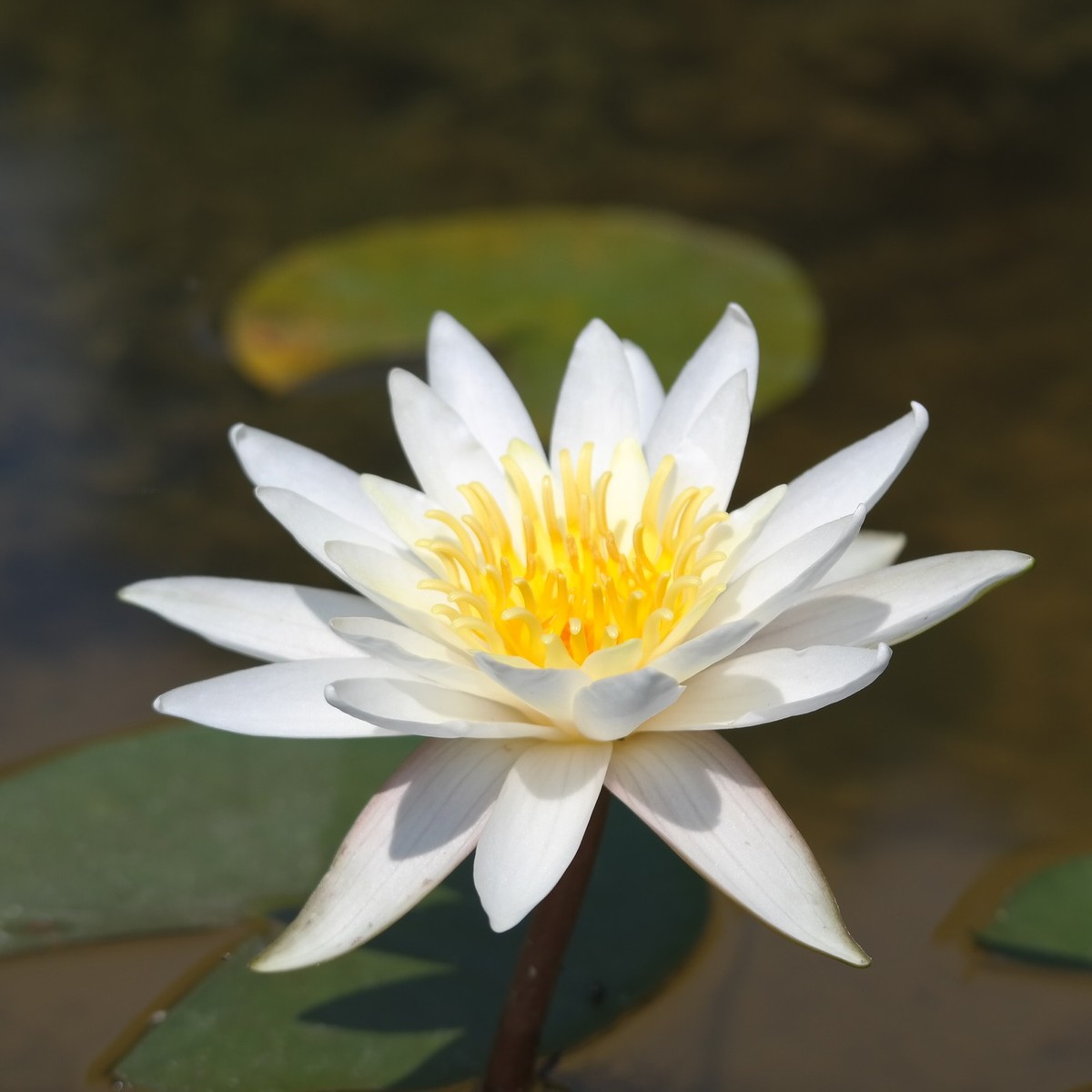
水生植物全部自己繁殖:先采种、扦插或分株,在薄膜棚里育苗,再移到露天按不同水深分盆养护,长成了才往外发。价格目录里写明防虫走自然路子:苗圃搭了益虫屋,靠线虫(Steinernema feltiae)、苏云金杆菌和印楝素制剂对付害虫,不用化学药。睡莲是主打,常见问答里说手上有大约三千株睡莲、六十个品种。价格目录第五版里,睡莲与黄睡莲的名字数下来是六十个——标准表四十四个,稀有品种一栏十六个(其中 Sribangpra 和 Wanvisa 各有筐装和盆装两种),跟问答页说的六十个品种正好对上。
按水深分的品类
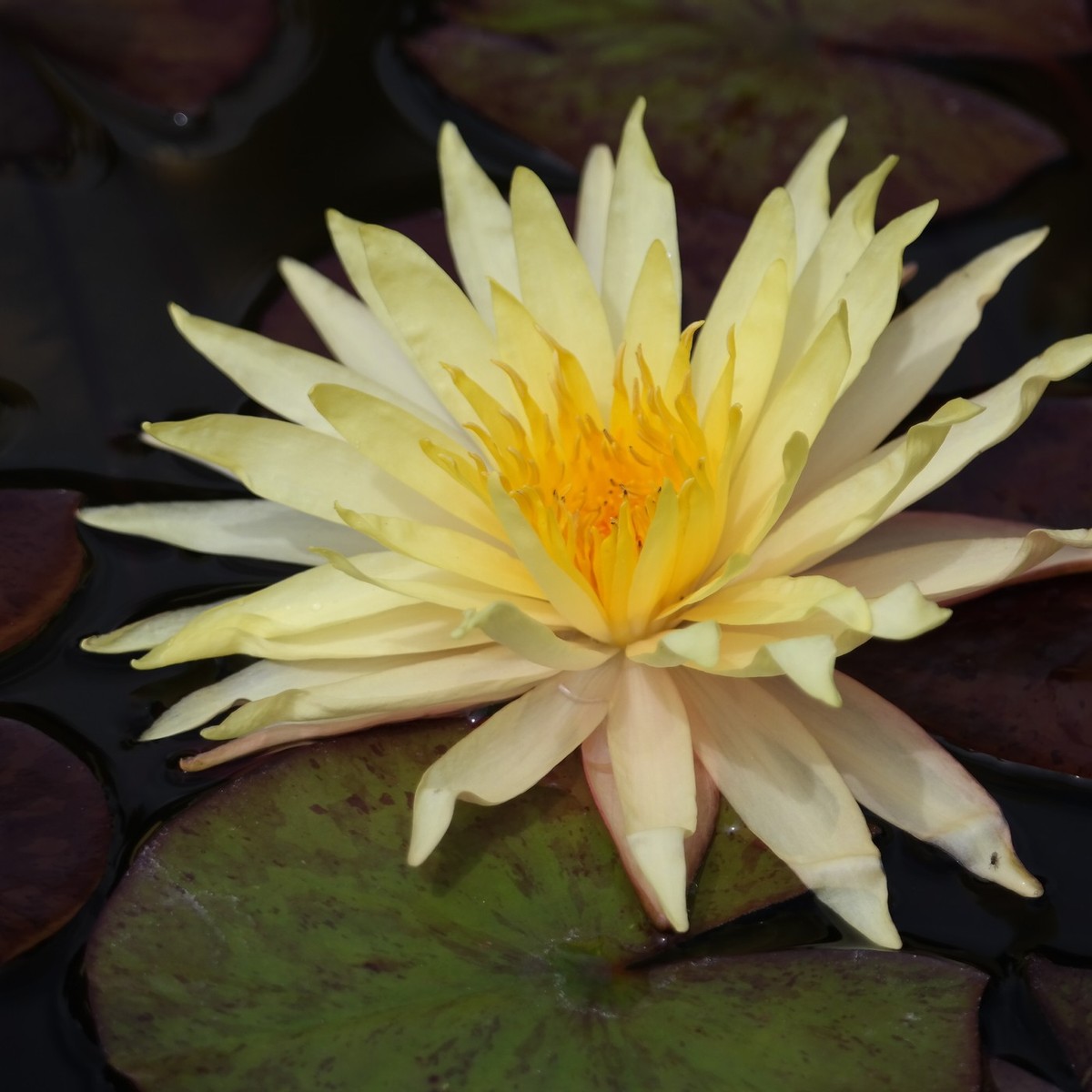
货分几块:岸边与沼泽植物、沉水与漂浮植物、芦苇类、在砾石里养的裸根苗,再加睡莲、种植篮、肥料和池塘袋。站点地图里列出一百六十五个商品页(去重后一百六十二个),按类分是岸边沼泽七十七个、睡莲五十二个、裸根苗十五个、沉水十个、种植篮八个、肥料两种、池塘袋一种。价格目录是第五版,二十页,岸边、沉水和砾石苗三张表合计一百二十二行、跨五十六个属,每行写清水深、花期、花色、价格组和包装方式。介绍页写「约一百种、约九万株」,价格目录和问答页写「约一百四十种、约十五万株」,两个数字到现在都还挂在页面上。
批发为主,零售顺带
主要客户是园林绿化公司和园艺设计单位,区域性的花园中心也拿货;私人客户可以在营业时间到苗圃直接买,星期二到星期五开门,门口照旧写着不设取款机、只收现金。下单不是放进购物车就完事:店方先给出报价,顾客按报价转账,合同才算成立,然后才发货。大单用搬运公司的苗筐运,小单走包裹,植物裹湿报纸、装防水袋再塞进纸箱,春天发货更省事,那时苗还矮。
选苗按水深来
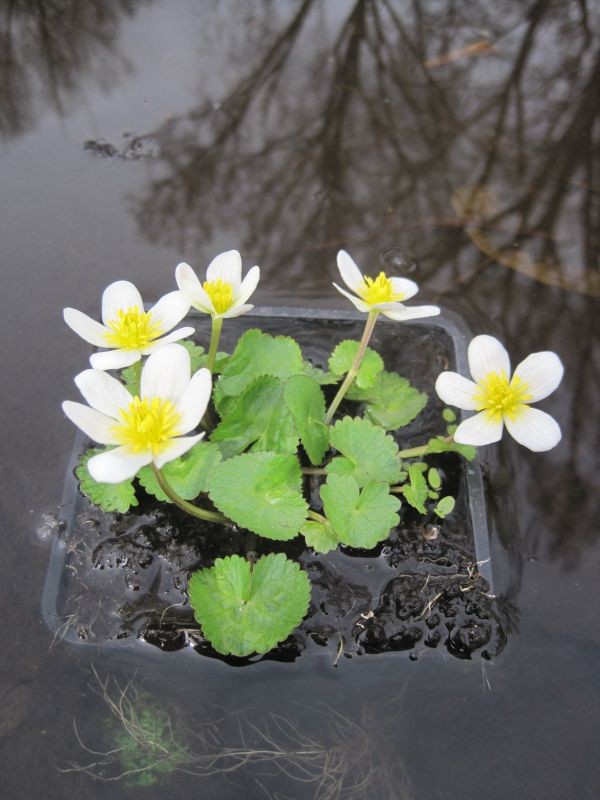
苗圃给的建议也按水深分层:十厘米以内的浅边适合沼泽金莲花、千屈菜、沼泽勿忘我和沟酸浆;岸边到三十厘米一带用香蒲、藨草、刺子莞、毛茛和菖蒲;想让水里有氧气,就下沉眼子菜、狐尾藻、水生毛茛和金鱼藻这类沉水植物——它们白天产氧,夜里不产。植物本身并不净化池水,只是把养分吸走,藻类因此少一些。每株苗都插着标签,写明水深、花期和品种;容器是七厘米或九厘米见方的小盆,睡莲用十一厘米盆。
A family nursery in Upper Austria
The nursery sits in Marchtrenk, in the Wels-Land district of Upper Austria, and Josef Greinegger runs it as a family business. The nursery page of the website speaks of more than twenty years with water plants and the FAQ says more than twenty-five years, while the oldest homepage that can still be found, from 2013, claimed fifteen years of experience, which puts the start in the late 1990s. The domain was already running the same business in 2004, though under the name Botanika, building gardens and swimming ponds, and the Austrian Chamber of Commerce directory still lists Botanika under Josef Greinegger today. The domain turned into the Greinegger water plant shop around 2013. The company is listed with the gardeners and florists trade group of the Austrian Chamber of Commerce.
Everything is propagated on site
All the water plants are raised in house: seed, cuttings or division to start, seedlings brought on in a plastic tunnel greenhouse, then moved outdoors into ponds and beds held at different water depths until they are ready to sell. The price list says pest control stays natural. The nursery keeps a beneficial insect house and works with the nematode Steinernema feltiae, Bacillus thuringiensis and neem products rather than chemicals. Water lilies are the main line, and the FAQ mentions about three thousand lilies in around sixty varieties. The fifth edition of the price list names sixty lily and yellow water lily cultivars: forty-four in the standard tables and sixteen in the rarities section, where Sribangpra and Wanvisa come in both basket and pot forms. That matches the sixty varieties the FAQ mentions.
Lines sorted by water depth
The range splits into bank and marsh plants, submerged and floating plants, reeds and bare root plants raised in gravel, plus water lilies, planting baskets, fertiliser and pond liners. The site map lists a hundred and sixty five product pages, a hundred and sixty two once duplicates are removed: seventy seven bank and marsh, fifty two water lilies, fifteen bare root, ten submerged, eight baskets, two fertilisers and one pond liner. The price list is its fifth edition, twenty pages long, and the tables for bank, submerged and gravel grown plants run to a hundred and twenty two rows across fifty six genera, each row giving water depth, flowering time, colour, price group and packing method. The nursery page says about a hundred species and ninety thousand plants, while the price list and the FAQ say about a hundred and forty species and a hundred and fifty thousand plants. Both figures are still on the site.
Wholesale first, retail on the side
The main customers are landscape gardeners and garden designers, and regional garden centres take stock as well. Private customers can buy at the nursery during opening hours, Tuesday to Friday, and the notice at the door still says there is no cash machine and payment is in cash. Ordering does not run through a normal checkout: items go into a basket, the nursery sends an offer, the customer transfers the quoted amount, and only then is the contract formed and the goods dispatched. Larger orders travel as nursery crates on a freight forwarder, smaller ones go by parcel with the plants wrapped in damp newspaper and sealed in a waterproof bag inside a carton. Spring is the easier season for shipping, when the plants are still short.
Choosing by depth
The advice is sorted by water depth too. The shallow margin under ten centimetres suits marsh marigold, purple loosestrife, marsh forget-me-not and monkeyflower; from the bank out to thirty centimetres the cattail, bulrush, bur-reed, buttercup and sweet flag do the work. For oxygen in the water, submerged plants are the answer: pondweed, milfoil, water buttercup and hornwort. They produce oxygen in daylight only, and none at night. Plants do not clean a pond themselves. They take up nutrients, and that is what keeps the algae down. Every plant carries a label with its water depth, flowering time and variety, and comes in a seven or nine centimetre square pot, with lilies in eleven centimetre pots.
相关文章:
 德国 睡莲品种 Seerosensorten – 下萨克森州上百种睡莲苗圃
 德国 复垦植物供应 Repo‑Pflanzen – 数十种欧洲沼泽与水生植物
 美国 百合花水生植物花园 Lilyblooms Aquatic Gardens – 水生植物零售与邮购品牌
 德国 睡莲农场 Seerosenfarm – 睡莲与荷花四百余种及栽培知识
 德国 梦幻睡莲 Traumseerose – 德国睡莲销往欧洲数十国
 美国水生植物与睡莲苗圃 Pond Megastore – 根据不同地
 美国 William Tricker 水景公司 – 历史最悠久的水生花园商店
 美国 Dragonfly Aquatics – 水生植物直运专家 累计可供应超过 350 种池塘植物
发表回复