
博客作者与编辑背景
AT HAVE EN HAVE(拥有一座花园)是丹麦杜鹃花专家 Niels Skjøldberg 个人经营的 WordPress 博客,自 2013 年开更以来持续更新杜鹃花与酸性土园艺相关文章,博客副标题「af Niels Skjøldberg, specialist i Rhododendron」直接标明作者身份。Niels 在丹麦苗圃业有 22 年从业经历 —— 2022 年 6 月之前,他在位于丹麦的 Aldershvile Planteskole(奥尔德什维勒苗圃)长期担任园艺师;离开苗圃后,他继续以自由职业身份从事花园设计、杜鹃种植咨询、修剪指导与新品种跟踪。博客用丹麦语撰写,文章按颜色、株型、栽培管理等维度归档到 40 余个分类下,Niels 在「AKTUELT」分类下按月发布园艺当月事项,是博客读者一年四季参考的实务指南。
家庭花园的长期实践
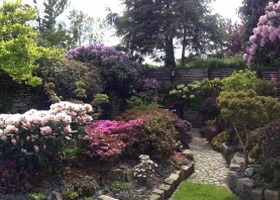
Niels 自家花园从 1970 年开始经营,园内长期定植约 400 株杜鹃与 Azalea,矮生与中等规格的杜鹃占总数的 80% 以上。他在「Små haver – små Rhododendron – store glæder」(小花园、小杜鹃、大乐趣)一文中举例:自家 19 年前建起的一个酸性土花坛,前景用矮生杜鹃与日本常绿 Azalea 混合栽种,让株型、叶形、叶色与花色形成层次;中景用中等规格杜鹃;背景用几株大型杜鹃并适当剪枝抬高分枝高度,让整个花坛在 4-6 月花期错落有序,秋冬季无花期也能展示叶形叶色的对比。他反复强调一个经验 —— 小株、中等株比大株更适合家庭花园,因为普通花园的面积增长有限(房屋扩建、地产切分),大型杜鹃 10 年后就会挤占空间。
品种档案与杂交育种观察
博客里最受读者关注的板块是「Rhododendronportrætter」(杜鹃品种档案),代表性文章如 2026 年 4 月发表的 R. ‘Goldinetta’(黄金内塔)品种档案 —— 这是一个 1989 年由德国 Hachmann 苗圃 的 Hans Hachmann 用 R. ‘Marina’ × R. ‘New Comet’ 杂交选育出来的黄花品种,2001 年正式上市,2005 年在慕尼黑 Buga 园艺展获金奖,2006 年在 Westerstede 获 Oldenburg-Zertifikat 证书,花色从初开到凋谢保持暖黄不变,每个花序 12-14 朵花,没有喉斑,10 年株高约 110 cm、冠幅 130 cm,耐寒性高于多数黄花品种。2022 年 5 月 7 日 Hachmann 苗圃第三代经营者 Holger Hachmann 为其母亲 Edith Hachmann 命名了深红色新品种 R. ‘Edith Hachmann’,花色深红(Holger 自称「Rubinrød」红宝石红),10 年株高约 140 cm,耐寒 -24℃,目前正在国际杜鹃花登录机构注册中;Hachmann 苗圃本身由 Johannes Hachmann 于 1929 年创立,其子 Hans Hachmann(1930-2004)约 1951 年转向杜鹃专类,与妻子 Edith 一起开发了数千个杂交后代,其中约 400 个获得正式命名与注册。
读者问答与实用建议
博客长期开放读者来稿提问,Niels 通过邮件(rhodospecialisten@gmail.com)逐一回信并挑选典型问题在博客中以问答形式公开,回信中反复强调的实操要点包括:耐寒性差异(黄花杜鹃普遍耐寒性较弱,但 ‘Goldinetta’ 是例外,矮生与中等规格杜鹃往往比大株更耐寒);修剪时机(杜鹃修剪必须在花后 5-6 月进行,不要在冬末或早春剪枝,否则会损失当年花芽,Niels 反复使用「Køb færre store, køb flere i mellemstørrelsen」即买少一点大株、多买一些中等株这句建议);冬季防护(北欧气候下盆栽杜鹃与小型常绿杜鹃容易被冬阳加霜冻伤害,简易防护是把花盆横倒让雨雪水不积在盆口,或用圣诞树废枝、云杉枝搭在植株上方遮阳挡风);施肥与病害(Kermesina Azalea 一类落叶品种冬季叶片焦枯多属风干与冻害复合作用,不要急于剪掉,等到 5-6 月再检查新芽萌发;R. orbiculare 等原种可正常施肥,不必听信「不能施肥」的说法)。
跨平台分发与联系方式
Niels 在 2025 年 10 月开了一个 Facebook 主页(用户名为 rhodospecialisten)发布短动态与图片,博客中长篇文章则继续在 WordPress.com 上发布,两边内容互为补充。读者可通过邮件订阅博客更新,订阅后每当有新文章发布就会收到通知邮件,他强调不会每天都发邮件;咨询问题最好附上当地地理位置与气候背景并附植株近照,如果是大面积种植规划或整床植物长势异常这类复杂问题,他会在电话沟通后商定一个合理的酬劳。博客本身没有商业销售,所有品种介绍、杂交资料、栽培建议均为作者基于 40 余年种植与从业经验的个人观察;读者需要购买杜鹃植株,他推荐去当地专业苗圃现场挑选。
Blogger and Editorial Background
AT HAVE EN HAVE (“To Have a Garden”) is a personal WordPress blog run by Danish rhododendron specialist Niels Skjøldberg, in active publication since 2013. Its subtitle — “af Niels Skjøldberg, specialist i Rhododendron” — sets the editorial scope plainly. Niels worked for 22 years as a horticulturist at Aldershvile Planteskole in Denmark until June 2022, when he stepped back from daily nursery work and continued as a freelance garden designer, rhododendron consultant, pruning advisor and variety tracker. The blog is written in Danish and organised around cultivation notes, variety portraits, hybrid observations, acid-soil (surbund) practice and garden design, sorted into more than 40 categories; a dedicated “AKTUELT” (current-month) series walks readers through what to do in the garden in each calendar month.
A Long-Term Home Garden as Living Reference
Niels’s own garden has been in continuous cultivation since 1970, currently holding around 400 rhododendrons and azaleas, with dwarf and medium-sized plants accounting for over 80% of the planting. In the article “Små haver – små Rhododendron – store glæder” (“Small gardens, small rhododendrons, big pleasures”), he describes a bed built 19 years ago: foreground planted with a mix of dwarf rhododendrons and Japanese evergreen azaleas to layer foliage, height and flower colour; mid-ground planted with medium-sized rhododendrons; background planted with a few large rhododendrons, partly crown-lifted to expose trunks. The result is a bed that flowers in succession from April through June and continues to offer foliage contrast through the leafless autumn and winter months. The recurring lesson: small and medium plants suit most private gardens better than large specimens, because plots tend to shrink while the plants themselves only get bigger.
Variety Portraits and Hybrid Observations
The most-read section is “Rhododendronportrætter” — variety portraits working through one cultivar at a time. A representative post from April 2026 covers R. ‘Goldinetta’: a yellow-flowered hybrid raised in 1989 by Hans Hachmann at the Hachmann nursery near Hamburg, from a cross of R. ‘Marina’ × R. ‘New Comet’; released commercially in 2001, it won a gold medal at the Buga garden show in Munich in 2005 and the Oldenburg-Zertifikat at Westerstede in 2006. Each truss carries 12-14 flowers of a warm clean yellow without any blotch, the colour holds from bud to senescence, plant height at year 10 is around 110 cm with a 130 cm spread, and hardiness is unusually good for a yellow-flowered rhododendron. On 7 May 2022 Holger Hachmann named a new deep-red cultivar R. ‘Edith Hachmann’ after his mother: a “rubinrød” (ruby red) with strong dark blotching and chalk-white stamens, mid-May flowering, 140 cm at year 10, tested winter hardiness -24°C, currently being registered with the international Rhododendron register. The Hachmann nursery itself was founded by Johannes Hachmann in 1929; his son Hans (1930-2004) reoriented it toward rhododendrons around 1951, developing several thousand hybrid seedlings of which about 400 received formal names.
Reader Q&A and Practical Notes
Niels accepts reader questions by email (rhodospecialisten@gmail.com) and publishes selected answers on the blog; recurring practical points include: hardiness differences (yellow-flowered rhododendrons are typically less hardy than other colour groups, ‘Goldinetta’ being a notable exception, and dwarf or medium plants generally hardier than large specimens); pruning timing (rhododendrons must be pruned after flowering in May–June, never in late winter or early spring, otherwise the coming season’s flower buds are lost — his standing advice is “Køb færre store, køb flere i mellemstørrelsen”, buy fewer large plants and more medium ones); winter protection (in Nordic winters, potted and small evergreen rhododendrons suffer sun-and-frost damage when leaves transpire while roots are frozen; simple remedies are laying the pots on their side so melt-water does not pool, or draping conifer branches over the plants); feeding and disorders (winter leaf scorch on Kermesina-type deciduous azaleas is usually a wind-and-frost issue rather than disease — wait until May–June before pruning; R. orbiculare and similar species tolerate normal rhododendron fertiliser, contrary to the myth that they cannot be fed).
Cross-Platform Distribution and Contact
In October 2025 Niels opened a Facebook page under the name rhodospecialisten for short updates and photographs; longer articles continue on the WordPress.com blog, with the two channels feeding into each other. Readers can subscribe by email and receive a notification each time a new post goes up — he makes a point of saying the emails will not arrive daily. For consultations, he asks correspondents to include their local climate and a photo of the affected plant; for larger questions such as full-border planting plans or systematic decline across an entire bed, a modest fee is agreed on by phone in advance. The blog carries no commercial sales; variety notes, hybrid observations and cultivation advice are all personal, based on more than four decades of growing and nursery work. Readers looking to buy plants are referred to their local specialist nursery.
相关文章:
 新西兰杜鹃花协会 NZRA – 新西兰全国杜鹃花团体
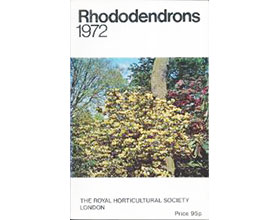 杜鹃、木兰和山茶1972年版
 美国 Dover Nursery 苗圃 – 提供常绿杂交杜鹃 (Hybrids)、原生种杜鹃 (Species) 与落叶杜鹃 (Azaleas)
 美国华盛顿州Chimacum Woods原生杜鹃保护苗圃 – 美国濒危杜鹃保护跨地理平台
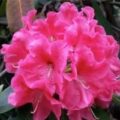 美国 Henning的常绿杜鹃和落叶杜鹃 – 个人杜鹃花专题资源站
 美国 隐藏花园苗圃 Hidden Acres Nursery – 俄勒冈州内规模靠前的大型杜鹃专营销售园之一
 杜鹃花国际 – 专业园艺服务机构
 德国 H. Hachmann 杜鹃花苗圃 – 德国百年杜鹃花育种苗圃
发表回复