
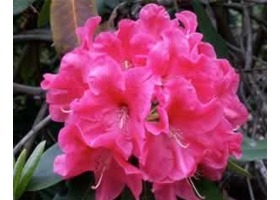
资源站概况
Henning’s Rhododendron & Azalea Pages(Henning的常绿杜鹃和落叶杜鹃资源站)是美国杜鹃爱好者 Steve Henning 自 1996 年起独立维护的杜鹃花专题资源站,作者本人自 1972 年起持续参加美国杜鹃协会(American Rhododendron Society)会议与年会,并曾在 Longwood Gardens(朗伍德花园)和 Oregon State University(俄勒冈州立大学)进修相关课程,所有资料均从 ARS 会议、Longwood 课程、OSU 课程以及 ARS 书店中摘录整理而来。站点涵盖杜鹃花的分类、历史、产地、配套植物、种植栽培、常见问题与词汇表等丰富内容,并按主题、目录、品种、种植、问题、词汇表等多个维度建立索引,便于爱好者按需检索。
分类与品种索引
站点采用主流植物分类框架,将杜鹃属(Genus Rhododendron,杜鹃花科 Ericaceae)按形态划分为 6 大组:无鳞大叶杜鹃(Elepidote)、有鳞小叶杜鹃(Lepidote)、落叶杜鹃(Deciduous Azalea)、常绿杜鹃(Evergreen Azalea)、热带 Vireya 杜鹃,以及 Azaleodendron、Choniastrum、Ledum、Therorhodion 等其他小类。索引页同时提供 Topic Index(主题索引)、Species Index(物种索引)和 Hybrid Index(杂交品种索引)三大入口,覆盖 27 种北美原生杜鹃和 16 种北美原生 Azalea,并按 hirsutum 网站替代品等外部链接整合其他权威资源,2004 年 Goetsch 等人的 5 亚属重分类方案亦有详细说明。
历史与植物地理
Henning 站点的”杜鹃花历史”与”杜鹃花发现栽培史”两节,引述 E. Irving 和 R. Hebda(加拿大维多利亚)的古地理与遗传学研究,说明杜鹃属最早可追溯至约 5000 万年前早第三纪阿拉斯加的叶片化石,至马斯特里赫特期(约 6800 万年前)杜鹃花科已广泛分布;现代杜鹃的物种多样性中心位于喜马拉雅山东南缘的极高山地区,是印度板块与欧亚板块碰撞后从边缘小种群中分化扩展而来,Vireya 杜鹃进一步辐射至东南亚高岛屿弧。这些发现为理解杜鹃花从化石记录到现代分布的演化路径提供了权威依据。
配套资源与外部链接
站点设有杜鹃花和 Azalea 主题书店(Rhododendron and Azalea Bookstore),按作者、按书名双重索引收录 ARS 出版的相关专著;杜鹃花和 Azalea 链接页(Rhododendron and Azalea Links)汇集 ARS 60+ 地方分会(如 Valley Forge Chapter、Mason-Dixon Chapter、Portland Chapter、Victoria Chapter 等)、新西兰、英国、苏格兰、挪威、芬兰、德国、日本等海外杜鹃协会,以及 DonHyatt.com、Van Veen Nursery、Briggs Nursery、Weston Nurseries、Whitney Gardens 等专业资源;同时记录 Steve Henning 参与的”拯救美国国家树木园 Glenn Dale Azaleas”档案活动,整理相关会议纪要、媒体新闻与国会议员通信。
官网:http://www.rhodyman.net/rhodyn.php
Resource Site Overview
Henning’s Rhododendron & Azalea Pages is an independent, personal horticulture resource site devoted to rhododendrons and azaleas, maintained by U.S. rhododendron enthusiast Steve Henning since 1996. The author has been attending American Rhododendron Society (ARS) meetings and annual conventions since 1972, and has completed coursework at Longwood Gardens and Oregon State University. All material on the site has been compiled from ARS meetings, Longwood courses, Oregon State University courses, and the ARS Bookstore. The site covers rhododendron classification, history, native ranges, companion plants, cultivation, frequently asked questions, and a glossary, indexed by topic, directory, species, hybrids, cultivation, problems, and glossary for easy reference.
Classification and Variety Index
The site adopts the mainstream botanical framework for the genus Rhododendron (family Ericaceae) and divides rhododendrons into six major groups: Elepidote Rhododendrons (without leaf scales, typically the larger-leaved types), Lepidote Rhododendrons (with scales, typically the smaller-leaved types), Deciduous Azaleas, Evergreen Azaleas, tropical Vireya Rhododendrons, and the Other Rhododendron Groups (Azaleodendron, Choniastrum, Ledum, and Therorhodion). The index page provides three main entry points: a Topic Index, a Species Index, and a Hybrid Index, covering 27 native North American rhododendron species and 16 native North American azalea species, with cross-references to external resources such as the Hirsutum site replacement. The 2004 reclassification by Goetsch et al., which consolidated the eight former subgenera into five, is also documented in detail.
History and Phytogeography
The site’s “History of the Genus Rhododendron” and “History of Discovery and Cultivation of Rhododendrons and Azaleas” sections cite paleogeographic and genetic research by E. Irving and R. Hebda of Victoria, Canada. The earliest known rhododendron leaf fossils date to the early Tertiary period (about 50 million years ago) from Alaska, and the Ericaceae family first appeared in the Maastrichtian stage about 68 million years ago. Modern rhododendron species diversity is centered on the extreme-relief region of the southeastern fringe of the Tibet-Himalayan region, where small populations of the subgenera Hymenanthes and Rhododendron diversified after the Indian subcontinent collided with Eurasia, while Vireya rhododendrons subsequently spread into the high-island archipelago of Southeast Asia. These records provide an authoritative basis for understanding rhododendron evolution from fossil record to modern distribution.
Companion Resources and External Links
The site includes a Rhododendron and Azalea Bookstore, indexed by both author and title, covering ARS-published monographs. The Rhododendron and Azalea Links page aggregates more than 60 ARS chapters (including Valley Forge Chapter, Mason-Dixon Chapter, Portland Chapter, Victoria Chapter, and others), international rhododendron societies in New Zealand, the United Kingdom, Scotland, Norway, Finland, Germany, Japan, and beyond, and specialized resources such as DonHyatt.com, Van Veen Nursery, Briggs Nursery, Weston Nurseries, and Whitney Gardens. The site also documents Steve Henning’s participation in the “Save the Azaleas at the U.S. National Arboretum” campaign, archiving meeting minutes, media coverage, and Congressional correspondence related to the preservation of the Glenn Dale Azaleas and Boxwood Collections at the U.S. National Arboretum.
相关文章:
 美国 杜鹃协会 (ARS) – 国际杜鹃花知识传播与科研组织
 美国落叶杜鹃协会 ASA – 美国杜鹃花学术组织行业门户
 美国 Dover Nursery 苗圃 – 提供常绿杂交杜鹃 (Hybrids)、原生种杜鹃 (Species) 与落叶杜鹃 (Azaleas)
 美国 隐藏花园苗圃 Hidden Acres Nursery – 俄勒冈州内规模靠前的大型杜鹃专营销售园之一
 新西兰杜鹃花协会 NZRA – 新西兰全国杜鹃花团体
 美国华盛顿州Chimacum Woods原生杜鹃保护苗圃 – 美国濒危杜鹃保护跨地理平台
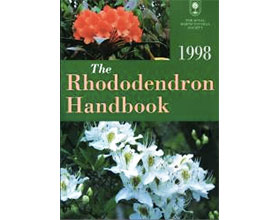 杜鹃花手册1998版:栽培杜鹃品种 – 专业园艺服务机构
 苏格兰杜鹃花协会 – 苏格兰最大杜鹃花栽培保育团体
发表回复