

美泉宫边上的联邦园艺学校
舍恩布伦联邦高等园艺教学研究所(Höhere Bundeslehr- und Forschungsanstalt für Gartenbau Schönbrunn,缩写 HBLFA)在维也纳,紧挨着美泉宫的宫苑。行政上归联邦农业部,教学上的事归联邦教育、科学与研究部。德文校名里「教学」和「研究」是并列的,这两件事在学校里也确实同时进行,不是摆设。
学校挂两个校名:园艺与景观设计高级职业学校、园艺高级职业学校。按校方的说法,这两类学校在奥地利都只此一所,属于农林业学校体系里的高级职业学校。也正因为学生从全国各地来,校内设了寄宿部,吃住都在校园里解决。
五年学制与文凭
招生从第八学级之后接上,学制五年,结束时参加毕业与文凭考试(Reife- und Diplomprüfung),也就是奥地利的中学毕业考试。毕业之后再积累三年相关从业经验,才可以用「工程师」(Ingenieur)这个职称。
这张文凭在欧盟范围内按文凭层级对待,可以进入所有要求文凭的欧盟职业,但不包括要求大学学位的岗位。在相关行业里,它还替代了学徒制和技工资格考试,学生不必再单独考一次。前两年两个方向一起上课,第三学年起按方向分班。
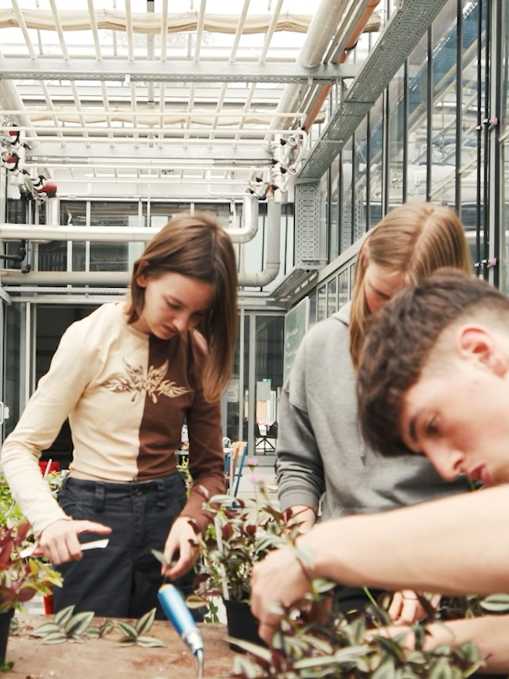
上学本身不收学费。工具、画具和工作服要自己置办,学校只负责提出清单,这些东西毕业后归学生所有,还能接着用。
从 1951 年到现在
学校 1951 年建校,2026 年 9 月 14 日在校园的礼堂办了七十五周年庆典。照校方的说法,建校以来有四千多名学生在这里受过完整的训练。庆典由代理所长 Gerd Koch 开场,联邦农业部长 Norbert Totschnig 讲话,各系主任随后致辞。
校方把根追得更远。18 世纪时美泉宫是哈布斯堡王朝重要的植物交换中心,与摩拉维亚莱德尼茨的园艺学校往来密切。现在的校舍是 1949 年在原美泉宫山地花园的地块上动工的,1951 年落成,此后七十多年里陆续添了房子、改了几轮教学计划、扩了研究部门。
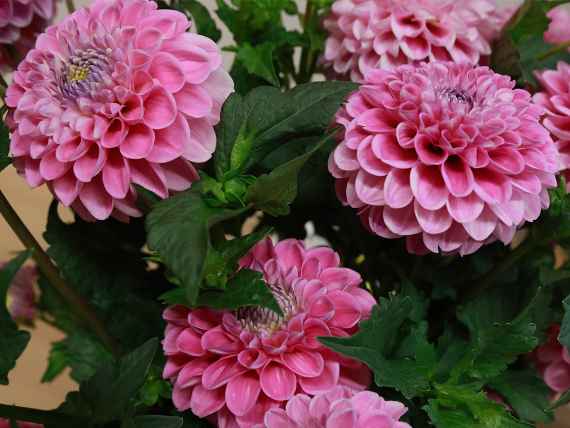
庆典以一场专业会议开场,摆出的是手上正在做的题目:园艺、倒挂金钟育种、市场园艺、野生果实。会后的野果品鉴上出现了一种叫 Felsbirne 的野果,多数客人是第一次听说这个名字,更别说尝过。接着是几位毕业生讲自己的经历,晚上的重头戏是给一个新培育的大丽花品种命名,品种叫「美丽的舍恩布伦人」(Schöne Schönbrunnerin)。
五个研究部门与试验园
研究分成五个部门:温室观赏植物与组培、蔬菜栽培、宿根与夏季花卉、树木学与苗圃及园林景观设计、植物保护。植物保护部门 2018 年做过一次重组。温室观赏植物部门除了培育新种类,也研究新的栽培管理和温室设备。
宿根与夏季花卉部门的花匠负责校园花园的种植与养护,耐寒露地宿根的试验放在 Kammermeierei 的地块上。苗大多在自家温室里育,再由园艺工人带着学徒和学生一起种下去。试验园里的园艺植物要连着看几年,最后才给评价。
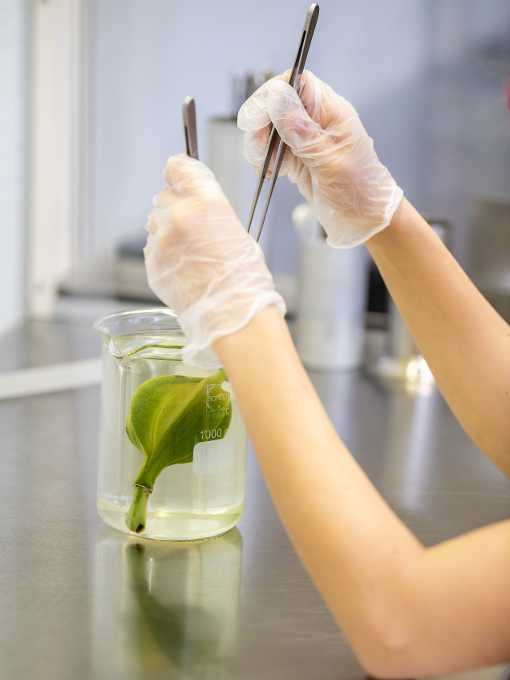
研究结果除了在站上公布,也投到 hortigate.de。最近两份报告可以看看:一份是 2026 年的《替代性植物保护——香草与观赏植物的方案》,项目编号 101654,试的是有效微生物、生物刺激素和电解水能不能减轻病虫害;另一份是 2025 年的《市场园艺》,开篇就写奥地利蔬菜自给率只有约 55%,然后讨论小面积、少机械、生物集约的种法能不能撑起生意。
联邦花园、示范大厅与维也纳的位置
学校和奥地利联邦花园近几年并成了一个单位。联邦花园名下包括美泉宫宫苑、奥古斯丁花园、贝尔维德宫花园、维也纳霍夫堡宫花园,以及因斯布鲁克的霍夫花园和安布拉斯宫苑。这批园子 1918 到 1919 年间归入共和国财产,现在由联邦农业部管。
2026 年 4 月 7 日,翻修扩建后的示范大厅重新开放,联邦农业部长到场剪彩。工程把原建筑拆掉重建,用了约一年半,两层木混合结构,可用面积约 2300 平方米。外立面是落叶松木,前面架了供攀援植物爬的木格栅。楼里除了上课用的示范大厅,还有办公室、更衣室、教室,以及给植物控温的冷库和暖房。
选在维也纳有实际理由。城里有联邦花园的历史园林,也有新建的公共绿地,墙面绿化和屋顶绿化这类题目在市区就能看到实例;做园林和园艺的公司、器械厂商都在附近,学生出去看一趟不用跑远路。维也纳大学植物园就在旁边,维也纳农业大学的学生来用学校的品种园,学校老师也在大学兼课。每年还办面向中学生和家长的信息日。
A federal horticultural school beside Schönbrunn
The Höhere Bundeslehr- und Forschungsanstalt für Gartenbau Schönbrunn, HBLFA for short, sits in Vienna at the edge of the Schönbrunn palace park. It answers to the federal ministry of agriculture, while teaching matters fall to the federal ministry of education, science and research. Both halves of the German name are meant literally: teaching and research go on in the same house, and neither is decoration.
The school runs under two names, the higher vocational school for garden and landscape design and the higher vocational school for horticulture. By its own account each of the two exists only once in Austria, within the agricultural and forestry school system. Because students come from all over the country, there is a boarding house on site.
Five years and a diploma
Entry follows the eighth school year, the course runs five years, and it closes with the Reife- und Diplomprüfung, the Austrian school-leaving examination. Only after three further years of relevant professional practice may graduates use the title Ingenieur.
Across the European Union the diploma counts at diploma level: it opens every EU profession that asks for a diploma and not a university degree. In the relevant trades it also replaces the apprenticeship and the skilled-worker examination, so no separate test is needed. The two branches share lessons at first and split into their specialisms from the third year.
Attending is free of tuition. Students buy their own hand tools, drawing materials and work clothes against a list the school issues, and they keep them afterwards for use in the trade.
From 1951 to seventy-five years
The school was founded in 1951 and marked its seventy-fifth anniversary in the hall on campus on 14 September 2026. By its own count more than four thousand students have trained here since then. Gerd Koch, then interim head of the institution, opened the ceremony, the federal minister of agriculture Norbert Totschnig gave the address and the heads of department followed.
The school traces its roots further back. In the eighteenth century Schönbrunn was a major centre of botanical exchange in the Habsburg monarchy, closely tied to the horticultural school at Lednice in Moravia. The present building was started in 1949 on the grounds of the former Schönbrunn mountain garden and opened in 1951; over the decades that followed, buildings were added, the curriculum was revised several times and the research side grew.
A symposium opened the celebrations and covered work in hand: horticulture, fuchsia breeding, market gardening and wild fruit. At the tasting that followed, guests met a wild fruit called Felsbirne; most had never heard the name, let alone tried it. Graduates then spoke about their own paths, and the evening closed with the christening of a newly bred dahlia called Schöne Schönbrunnerin.
Five research departments and the trial garden
Research is split five ways: ornamental plants under glass and in vitro, vegetable growing, perennials and summer flowers, woody plants and nursery practice together with garden and landscape design, and plant protection. The plant protection department was restructured once in 2018. The ornamental team works on new crops as well as on fresh approaches to cultivation and glasshouse equipment.
The perennials team plants and maintains the school garden, and runs trials on hardy outdoor perennials on the Kammermeierei ground. Most plants are raised in the school’s own glasshouse and put out by the gardeners together with apprentices and students. Plants in the trial garden are watched over several years before they are assessed.
Results appear on the school’s own site and on hortigate.de. Two recent reports are worth a look. The 2026 one on alternative plant protection, project number 101654, tested effective microorganisms, biostimulants and electrolysed water against pests and disease. The 2025 report on market gardening opens with the figure that Austria grows only about 55 percent of the vegetables it eats, then asks whether small plots, little machinery and biointensive methods can carry a business.
The Federal Gardens, the new hall and the Vienna site
The school and the Austrian Federal Gardens have formed one unit for a few years now. The gardens take in the Schönbrunn palace park, the Augarten, the Belvedere, the Hofburg gardens in Vienna, and the Hofgarten and the Ambras park in Innsbruck. They passed into the ownership of the republic in 1918 and 1919 and are run by the agriculture ministry.
On 7 April 2026 the rebuilt and enlarged demonstration hall reopened, with the federal minister of agriculture cutting the ribbon. The old building came down and was replaced in about eighteen months by a two-storey timber-hybrid structure with roughly 2,300 square metres of floor space, a larch facade and a wooden frame in front for climbing plants. Besides the hall used for practical lessons there are offices, changing rooms, classrooms and cool and warm rooms for plants.
The Vienna address brings practical advantages. The city holds the historic gardens of the Federal Gardens and newly built public parks, and examples of facade and roof greening are close at hand. Landscape and horticultural firms and equipment makers are nearby, so a class can go out and look without losing a day to travel. The Botanical Garden of the University of Vienna is next door, students of the University of Natural Resources and Life Sciences use the school’s collection gardens, and teachers here also lecture at the university. Open days for school students and parents run every year.
相关文章:
 德国 中央园艺协会 ZVG – 园艺业的行业组织与经济团体
 美国 爱荷华州立大学园艺系 – 1877 年成立美国赠地大学体系中历史最悠久的园艺学科之一
 中国 湖南农业大学 – 中国 湖南 农业研究高校
 奥地利 3:0 景观设计事务所– 城市公共空间与广场、街道与社区空间、住宅与花园、疗愈景观
 美国 康奈尔大学园艺部 – 常春藤园艺学术门户
 美国 哈斯的温室Haase’s Greenhouse – 提供从一年生植物到多年生植物,从花坛植物到吊篮,从蔬菜到香草的丰富品种
 新西兰皇家园艺学院 – 1923 年创立的百年园艺学术团体
 美国丹佛植物园 Denver Botanic Gardens – 科罗拉多州城市绿洲与落基山植物研究重镇
发表回复