

古刹庭园一脉:六百年曹洞禅寺旁的菖蒲主题庭园
永泽寺花菖蒲园位于日本兵库县三田市山间,依附于曹洞宗古刹永泽寺。该寺由通幻禅师于应安年间(约公元 1370 年)奉后圆融天皇敕命开山,至今已有逾六百年寺史,并曾获德川家康公赐予十万石敕愿所之荣。昭和五十年(1975 年),寺院将山门前 33,000 平方米的山谷缓坡开辟为花菖蒲专类庭园,自全国汇集优良品种悉心培育,如今园内已育有约 650 个品种、约 300 万株花菖蒲,成为回游式日本庭园中以鸢尾属水生花卉为主题的代表性园地之一。
主题花事:三园四时轮替
庭园主体由三个季节性专类园组成:六月上旬至七月上旬为花菖蒲盛放期,七万余平方米的山谷坡地上紫、白、桃红各色花菖蒲自水际连绵铺开;昭和五十七年(1982 年)从全国各地引进 2,000 株优秀牡丹品种,昭和六十一年(1986 年)开放”三田·永泽寺 牡丹园”,因海拔 550 米的高地冷凉气候,开花推迟至四月下旬至五月中旬,是关西地区最晚的牡丹观赏名所;三田山间冷凉气候亦适合水芭蕉生长,”水芭蕉之庭”自平成十三年(2001 年)开放,约 600 坪的棚田植有约 2,000 株,群落与溪畔自生种连成一片。
寺院附设的荞麦文化:从手打体验到段位认定
庭园旁同时设有永泽寺荞麦道场,开设手打荞麦面体验课程并常年人气营业;道场内的”水月亭”荞麦食堂使用本地三田产荞麦粉,配合时令新荞麦入粉的季节,被誉为”花与佛与荞麦之乡”的代表性体验场所。永泽寺荞麦道场每年承办全麵协公认素人荞麦打段位认定会(初段位至三段位)以及关西荞麦打名人大会,并发行《手打指南书》系列教材,是关西地区将寺院庭园观光与食农文化体验结合较早、持续较长的运营形态之一。
寺院文化资产与伽蓝格局
永泽寺本堂配置七堂伽蓝与四道山门,安永七年(1778 年)重建后供奉释迦如来为主尊,配以大日如来与阿弥陀如来;山门上悬挂后圆融天皇亲笔”青原山”匾额,楼上供奉十一面观音及十六罗汉。本堂内并祀火防灵验显著的秋叶三尺坊大权现,每年三月廿八日举行火防祈愿秋叶大祭。寺中珍藏通幻禅师、峨山韶硕禅师、道元禅师墨迹,丰臣秀吉正室北政所寄进的沈金漆箱,以及纪元后二至三世纪于犍陀罗制作的十余尊石佛像,均为禅宗东传日本史与佛教美术研究的实物珍品。
通用信息:交通与季节性开放
庭园位于兵库县三田市永泽寺 82 番 3 号(邮编 669-1502),JR 福知山线「广野」站、神户电铁「的野」站、近畿自动车道「广野 IC」分别提供电车与自驾接驳,关西与山阳、山阴、四国方向均可在当日往返。庭园季节性强,牡丹园四至五月、花菖蒲园六月上旬至七月上旬、水芭蕉之庭三月下旬至四月中旬为开放时段;具体年度开园日历、牡丹与花菖蒲开花情报、食堂与荞麦道场的营业日均以官网公示为准,建议到访前查阅确认季节性闭园时段与体验预约方式。
Eitakuji Iris Garden: A Six-Century Zen Temple’s Botanical Showcase
Eitakuji Iris Garden (Eitakuji Iris Garden) sits in the mountain valleys of Sanda, Hyogo Prefecture, alongside the Soto Zen temple Eitakuji. The temple was founded by Master Tsugen’s lineage around the Ōan era (c. 1370) under imperial order from Emperor Goen’yū, accumulating more than six centuries of documented temple history. In Shōwa 50 (1975), the head priest set aside 33,000 square meters of hillside as a curated iris garden, gathering superior cultivars from across Japan. Today the strolling-style Japanese garden holds roughly 650 named cultivars and approximately three million plants, blooming en masse from early June through early July.
Three Signature Gardens in Four Seasons
The grounds comprise three seasonally-rotating specialty gardens. The flagship iris garden transforms the lower slopes into a sweep of purple, white and rose blossoms from early June to early July. A peony garden was added in 1986 after the head priest introduced two thousand superior plants in 1982; because Eitakuji sits at 550 meters elevation, blooms arrive later than elsewhere in the Kansai region and run from late April to mid-May. The skunk-cabbage garden, opened in 2001, occupies about six hundred tsubo of terraced paddies with roughly two thousand plants complemented by wild colonies along the streams.
From Hand-Rolled Soba to Rank Certification
Adjacent to the gardens, the Eitakuji Soba Dōjō (Eitakuji Soba Dojo) runs hands-on hand-rolled soba-making courses by reservation year-round. The on-site Minazuki-tei (Minazuki-tei) soba restaurant serves freshly milled local Sanda buckwheat noodles, including seasonal new-crop flour each autumn. The dōjō also hosts the Zenmenkyō-certified amateur soba rank examinations (shodan through san-dan) and the Kansai Soba Masters Competition, and publishes a series of hand-rolling instruction manuals that link the temple’s pilgrimage traditions with contemporary food-culture programming.
Temple Cultural Heritage and Cloister Architecture
Eitakuji’s main hall follows a seven-hall cloister plan with four gates, rebuilt in 1778 (An’ei 7) and enshrining Shaka Nyorai flanked by Dainichi and Amida Nyorai. The sanmon gate bears Emperor Goen’yū’s own calligraphy “Seigensan” and houses eleven-headed Kannon together with sixteen Rakan figures. The main hall’s interior preserves Akiba Sanzō-bō Daigongen, the fire-prevention deity, venerated at an annual Akiba Grand Festival on March 28. The temple’s collections include authentic calligraphy by Masters Tsugen, Kasan and Dōgen, an extravagant maki-e lacquer chest donated by Toyotomi Hideyoshi’s consort Nene (Kita-no-Mandokoro), and a dozen-plus Gandhāran stone Buddhas dating to the 2nd–3rd centuries CE.
Visiting Information and Seasonal Operations
The gardens are located at 82-3 Nagasakaji, Sanda City, Hyogo Prefecture 669-1502, Japan. Public transit access is via JR Fukuchiyama Line Kōno Station, Kobe Electric Railway Kōno Station, or Kinki Expressway Kōno IC; the venue positions itself as a day trip from the Keihanshin, San’yō, San’in and Shikoku regions. Opening windows are tightly seasonal: peonies late April through mid-May, irises early June to early July, and skunk cabbage late March to mid-April. Visitors are encouraged to consult the official website for the current opening calendar, bloom forecasts, and reservation procedures for the soba experience and restaurant.
相关文章:
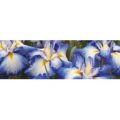 美国 日本鸢尾协会 – 面向全球园艺爱好者开放
 美国 Prevost 鸢尾农场和花园 – 加州圣何塞的有髯鸢尾专营苗圃与展示花园
 美国 Olallie Daylily Gardens – 佛蒙特萱草花园收藏2500余种萱草品种
 加拿大 Chapman 鸢尾苗圃 – 加拿大历史最悠久、规模最大的有髯鸢尾专业苗圃之一
 美国 Easy to Grow Bulbs – 专注于花卉球茎、宿根植物与盆栽园艺植物销售
 美国 Carolina Daylilies 花园 – 培育逾 1200 株萱草65 个玉簪品种与多组鸢尾杂交品系
 英国 发现玫瑰网站 Find That Rose – 月季品种与零售苗圃索引站
 美国 Iron Gate Gardens 萱草花园 – 北卡 Kings Mountain 萱草鸢尾苗圃
发表回复