
协会沿革与创立背景
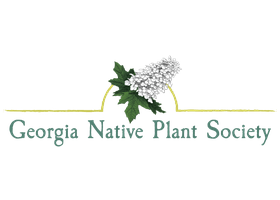
美国 乔治亚洲本地植物协会(Georgia Native Plant Society,简称 GNPS)成立于 1994 年,是一家由会员支持的 501(c)(3) 非营利组织,总部位于乔治亚州,致力于推动该州本地植物及其栖息地的管理与保护。协会的创立可追溯到 1994 年北卡罗来纳州 Cullowhee 召开的 Native Plant Conference 期间,由 Jim Harrington 与 Jackie Fitts 联合多位 Master Gardeners 发起,并在佐治亚园艺师协会的公告板上发布”如有兴趣”的通知后正式筹建。1994 年 9 月 14 日,协会在亚特兰大召开首次会议,40 位创始会员出席;同年 12 月会员人数迅速增长至 250 人,协会开始出版双月会刊《NativeScape》。1995 年 4 月 10 日,协会举办首届 Native Plant Symposium,演讲嘉宾包括《Gardening with Native Plants of the South》作者 Sally 与 Andy Wasowski、佐治亚本地园艺权威 Kathy Henderson 与 George Sanko 等。1996 年,植物艺术插画师 Linda Fraser 为协会设计了以橡叶绣球(Hydrangea quercifolia)为核心元素的标志,沿用至今。
组织架构与分会网络
协会采用”总会 + 分会”双层治理结构,由董事会(Board of Directors)统筹战略方向,9 个地方分会负责在地活动落地,2026-2028 战略计划明确将”分会能力建设”列为核心目标。9 个分会覆盖全州主要生态地理单元,包括 Athens-East Piedmont、Augusta’s River Region、Fringed Campion、Intown Atlanta、Maritime、North Georgia Mountains、North Metro Atlanta 与 West Georgia 等,会员可同时挂靠 2 个分会并通过 Chapter Affiliation Form 调整。日常工作由教育、保护、倡导、修复、新闻等多个子委员会(Subcommittee)协同推进,分别对接 Native Plant Educational Gardens、Plant Rescues、NativeScape 通讯编辑、Habitat Certification 与 Public Policy 等业务线。协会还运营 Boy Scout Road Nursery、Stone Mountain Propagation Project、Buffalo Creek 等多个社区苗圃与工作基地,构成”中央-分会-苗圃”三级联动网络。
科普教育与年度项目
协会以”教育—推广—外联”为主线,持续运营多类长期科普项目。Plant of the Year(年度植物)评选始于 2000 年,每年秋季由会员提名、冬季会员投票产生,旨在推介兼具生态价值与园艺可用性、却在商业景观中应用不足的本地物种;2026 年当选为北美本土果树 Pawpaw(Asimina triloba),2025 年为 Blue-eyed Grass(Sisyrinchium angustifolium)。协会将全州划分为 Piedmont、Coastal Plain、Blue Ridge、Cumberland Plateau 与 Ridge & Valley 四大生态区,分别出版《Natural Communities》系列指南与《Landscaping Brochure》系列手册,并面向 K-12 学生开发”Schoolyard Programs”等教学资源。每年春季举办的 Native Garden Tour 开放本地私家园艺供公众参观,是协会最受欢迎的公众参与活动之一;年度 Native Plant Symposium 持续 30 年,是东南部最具影响力的本地植物学术与公众教育平台。
保护修复与倡导行动
在生态保护层面,协会聚焦”栖息地修复、苗圃繁育、植株救助、社区花园”四大行动。Habitat Restoration Manual 与 Application Form 为个人与机构提供项目立项、审批与评估标准;Native Plant Educational Garden 项目则面向学校、社区与公共空间,提供经协会认证的本地植物示范园建设流程。Plant Rescues 项目在 Bibb County、Paulding County 等建设前地块组织会员抢救可移植的本地植物,2026 年 4 月已在亚特兰大都会区与中佐治亚举办多场 Rescue 活动。在公共政策层面,协会长期推动州层面的立法倡导,最具代表性的进展是 2026 年 3 月 3 日佐治亚州参议院以全票通过 Senate Bill 240,提议将 1916 年误定为州花的亚洲引种 Cherokee Rose(Rosa laevigata)更换为本地的 Sweetbay Magnolia(Magnolia virginiana),并由 HB955 同步提议将每年 4 月定为”本地植物月”(Native Plant Month),目前议案已移交州众议院审议。
战略规划与社区服务
协会 2026-2028 战略计划(GNPS 2026-28 Strategic Plan)以”教育、保护、倡导”三大支柱为基础,平衡”远大目标”(教育普及、机构可见度、服务覆盖广度)与”能力建设”(员工扩编、组织基础设施、分会就绪度)两大方向。计划明确”会员与项目参与度自 2020 年以来显著增长”的趋势,提出通过招聘执行理事、强化分会治理、推动数字会员平台升级,将 GNPS 打造为可规模化服务全州的本地植物枢纽。社区服务层面,协会运营 Stone Mountain Propagation Project Workday、Buffalo Creek Work Day、Herbert Taylor Park Workday 等例行志愿日,组织会员参与除草、扦插繁育、定植与种群监测;协会同时与 Georgia Conservancy、Trees Atlanta、Urban Ag Council 等机构建立合作伙伴关系,并参与 Monarch Butterfly Habitat Monitoring 等区域性生态监测网络。会员可通过 Member Portal 访问会刊存档、专属教育资源与分会活动信息,会费与捐赠是协会经费的主要来源。
Founding and Historical Background
The Georgia Native Plant Society (GNPS) is a member-supported 501(c)(3) nonprofit organization founded in 1994 and headquartered in the state of Georgia. It is dedicated to championing the stewardship and conservation of Georgia’s native plants and their habitats through education, restoration, propagation, and plant distribution, and it operates as a registered tax-exempt charitable entity under section 501(c)(3) of the United States Internal Revenue Code. The society traces its origin to the 1994 Native Plant Conference in Cullowhee, North Carolina, where Jim Harrington and Jackie Fitts, supported by a network of Master Gardeners and a bulletin-board “if interested” notice, launched the founding effort with planning assistance from Barbara Allen. The first meeting convened on September 14, 1994, with forty people in attendance and an inaugural slate of officers including President Jim Harrington, Vice President Jackie Fitts, Publicity Marilyn Porter, Recording Brenda Allen, Treasurer Barbara Allen, Corresponding Secretary Stan Fulghum, Georgia Botanical Liaison Vivian Emerson, Programs cochairs Susan Giles and Stan Fulghum, Newsletter Editor Harriet Walls, and Publisher Bobbie Boschan. By December 1994 membership had grown to 250, and the society began publishing its newsletter NativeScape. The inaugural Native Plant Symposium was held on April 10, 1995, featuring Sally and Andy Wasowski, authors of Gardening with Native Plants of the South, alongside Kathy Henderson and George Sanko, who waived their standard speaking fees to support the first symposium. In 1996 plant illustrator Linda Fraser designed the society’s emblem centered on the oakleaf hydrangea (Hydrangea quercifolia), which remains the official logo in use today.
Organizational Structure and Chapter Network
GNPS operates under a two-tier governance model, with a Board of Directors setting strategic direction and nine local chapters delivering on-the-ground programs across the state. The 2026-2028 Strategic Plan explicitly prioritizes chapter readiness as a core capacity-building goal, recognizing that statewide impact depends on the capacity of each regional chapter to recruit, train, and retain volunteer leadership, to host recurring field events, and to maintain a calendar aligned with statewide program priorities. The nine chapters — Athens-East Piedmont, Augusta’s River Region, Fringed Campion, Intown Atlanta, Maritime, North Georgia Mountains, North Metro Atlanta, West Georgia, and one additional regional chapter — allow each member to affiliate with up to two chapters and to update affiliations through the Chapter Affiliation Form on the Member Portal. New chapters can be formed through the Chapter Quick Start Guide, with full operating procedures documented in the Chapter Manual and additional support provided through the Chapter Interest Form, and prospective chapter leaders can also reach the chapter development team through the Contact Us form. Day-to-day operations are coordinated through subcommittees covering Education, Conservation, Advocacy, Restoration, and Communications, each linked to signature programs such as Native Plant Educational Gardens, Plant Rescues, NativeScape editorial workflow, Habitat Certification, and Public Policy, with the Restoration Subcommittee fielding direct questions through the Contact Us form. Community-run nurseries and propagation sites, including Boy Scout Road Nursery, the Stone Mountain Propagation Project, and the Buffalo Creek nursery, form a third operational tier beneath the central office and the chapters, hosting recurring workday series such as Boy Scout Road Nursery Second Tuesday and Stone Mountain Second Saturday that channel volunteer labor into native-plant propagation for restoration and plant-sale inventory, and serving as living laboratories for propagation technique demonstrations at chapter meetings.
Education and Signature Annual Programs
Education, outreach, and member engagement are the society’s primary programmatic pillars, anchored by a quarter-century of recurring public events and a growing library of regionally tailored publications. The Plant of the Year program, launched in 2000, recognizes underutilized native species of strong ecological and horticultural value; nominations open each fall, with members voting on a final slate of six candidates ahead of the new year, and the winner is featured in education materials, plant sales, and a custom-designed commemorative shirt. The 2026 honoree is pawpaw (Asimina triloba), a North American native fruit tree that produces edible mango-flavored fruit, while the 2025 honoree was blue-eyed grass (Sisyrinchium angustifolium), a low-growing monocot of the iris family. GNPS divides the state into four ecoregions — Piedmont, Coastal Plain, Blue Ridge, and the Cumberland Plateau & Ridge & Valley — and publishes the Natural Communities series of regional guides, the Blue Ridge Landscaping Brochure, the Coastal Plain Landscaping Brochure, the Suggested AlterNATIVEs guide to common landscape plants, and K-12 Schoolyard Programs for classroom use. The annual Native Garden Tour opens privately designed native gardens to the public each spring, the long-running Native Plant Symposium, now in its third decade, remains one of the most influential native-plant platforms in the southeastern United States, and the bimonthly NativeScape newsletter, originally launched as a quarterly print publication in 1994 and upgraded to a monthly electronic format in November 2017 and to a bimonthly cadence in January 2023, distributes member-only content including contributed essays from botanists, landscapers, horticulturists, naturalists, and gardeners.
Conservation, Restoration, and Advocacy
On the conservation side, the society focuses on four core actions: habitat restoration, nursery propagation, plant rescue, and community garden development. The Habitat Restoration Manual and the Restoration Project Application Form set standards for project approval, management, and evaluation, distinguishing three restoration project types alongside a parallel Native Plant Educational Garden track, each with its own application checklist. The Native Plant Educational Garden program certifies demonstration gardens for schools, neighborhoods, and public spaces, anchoring the society’s effort to build visible native plantings in populated areas. The Plant Rescues initiative organizes volunteer salvage events on pre-development sites in Bibb County, Paulding County, and elsewhere in metropolitan Atlanta, with recent events including the April 2026 Bibb County rescue at Amerson and the April 2026 Paulding County rescue at the Georgian, transplanting native plants to member-run nurseries for later use in restoration projects. On the public-policy front, the society’s most visible recent campaign is the 2026 effort to revise the Georgia state flower: Senate Bill 240 passed unanimously on March 3, 2026, proposing to replace the non-native Cherokee rose (Rosa laevigata), designated in 1916 under the mistaken belief that it was indigenous to Georgia, with the native sweetbay magnolia (Magnolia virginiana), a host plant for the Eastern Tiger Swallowtail state butterfly, while House Bill 955 advances a parallel designation of April as Native Plant Month. Senate Majority Leader Jason Anivitarte and Speaker Pro-Tempore Jan Jones joined the effort as high-level supporters, and the partnership list expanded to include the Georgia Conservancy, Trees Atlanta, and the Urban Ag Council.
Strategic Plan and Community Engagement
The 2026-2028 Strategic Plan, built on the three pillars of education, conservation, and advocacy, balances aspirational goals — educational reach, public visibility, and statewide service — with capacity development in staffing, organizational infrastructure, and chapter readiness. The plan acknowledges that membership and program participation have grown substantially since 2020, and it positions GNPS to scale its impact through executive-director succession (the society is currently recruiting a new executive director following the departure of its prior director), strengthened chapter governance, and a modernized member portal. Community engagement is sustained through recurring volunteer workdays at the Stone Mountain Propagation Project, Buffalo Creek, Herbert Taylor Park, Old Rucker Park, Heritage Park, and the Athens-East Piedmont chapter sites, as well as through the annual Native Garden Tour, regional plant sales such as the Athens-East Piedmont Annual Native Plant Sale and the Plains CPC Plant Sale, and the NativeScape newsletter archive. The society collaborates with the Georgia Conservancy, Trees Atlanta, the Urban Ag Council, the Fayette County Master Gardener Extension Volunteers, the Georgia Master Naturalist program, and other regional partners, and contributes to broader initiatives such as the Monarch Butterfly Habitat Monitoring volunteer network, the Roots So Deep documentary screening tour, and the Weed Wrangle national invasive-removal movement. Members may also participate in the Coastal Plain biodiversity walks, the Community-Supported Propagation working groups, and the Spring Native Plant Swap and Social events held across multiple chapters each year. Membership dues and donations remain the society’s primary funding streams, supporting both statewide program delivery and the chapter-level micro-grants that make local projects viable, while the GNPS Store, native plant rescues, and the Annual Native Plant Symposium generate additional program revenue for habitat restoration and outreach.
相关文章:
 美国 俄克拉荷马州本地植物协会 ONPS – 对本地植物的研究、保护、繁育、欣赏与合理利用
 美国 大亚特兰大月季(玫瑰)协会 – 行业自律与服务组织
 美国 马里兰本地植物协会 MNPS – 1992 年成立本土植物保护非营利组织
 美国 佛罗里达本地植物协会 FNPS – 致力于保护、保育和恢复本地植物及其自然群落
 美国阿拉斯加原生植物协会 AKNPS – 专注于阿拉斯加州原生植物的研究教育与保护
 美国 加州原产植物协会北海岸分会 – 加州北海岸四县原产植物保护团体
 美国 Rochester花园和花卉俱乐部 – 园艺展示与体验空间
 美国 大堪萨斯城水花园协会 – 推动水景花园在堪萨斯城都会区的建设维护与欣赏
发表回复