
锡斯基尤山脉的地理位置跟自然背景
锡斯基尤山脉位于美国俄勒冈州西南部跟加利福尼亚州西北部,是克拉马斯山脉的一段沿海延伸,山脊大致从加州新月城东边开始向东北方向延伸约 100 英里(160 公里),沿克拉马斯河北岸一直伸入俄勒冈州的 Josephine 跟 Jackson 两县,太平洋山脊步道沿着山脊的一段行走。山脉因为靠近太平洋,山峰承接大量海洋降水,高海拔地区冬季常有降雪,山坡植被从针叶林到亚高山草甸再到海岸雾林都有分布,是克拉马斯植物多样性热点之一。
Veva Stansell生平跟提名背景
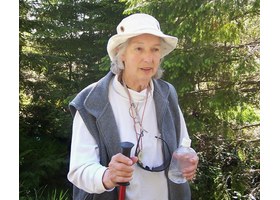
Veva Stansell植物区是 Kalmiopsis Audubon 协会跟俄勒冈州本土植物学会(Native Plant Society of Oregon)2013 年联合提名、提议在 Signal Buttes 一带设立的植物保护区,用以纪念 Veva Stansell——一位终身居于 Curry 县的俄勒冈州人跟美国林务局退休植物学家,因其对理解跟保护锡斯基尤山脉植物资源的贡献而受到尊重。提名方成员 30 多年来一直跟随 Veva 在这片土地上行走、采集跟辨认植物个体,许多朋友回忆说「她的身体存在已经印刻在整片区域」。
提议区面积、位置跟周边 ACEC
该植物区占地约 4,094 英亩(1,656 公顷),位于俄勒冈州 Gold Beach 以东的 Signal Buttes 一带、Hunter Creek 跟 Rogue River 之间的一片山地上,紧邻 BLM 在 1995 年因植物价值指定的两块现有 ACEC(关键环境关切区域)—— North Fork Hunter Creek ACEC 跟 Hunter Creek Bog ACEC,提议中植物区跟现有名录互补,共同覆盖 Hunter Creek 流域北部不同海拔的植被群落,整体位于 Rogue-Siskiyou 国家森林内。
保护对象:Veva飞蓬跟植物多样性
该植物区境内拥有已知最大种群的 Veva飞蓬(Erigeron stanselliae),一种小型的雏菊状野花,1982 年由 Veva Stansell 首次采集,最近以她的名字命名。Signal Buttes 周边山坡上的马赛克状植被群落包括针叶林、灌丛、亚高山草甸跟湿润岩生群落,多种特有跟稀有植物在比邻栖息地共存,除了 Veva飞蓬,这一带也是食虫植物 Darlingtonia californica(眼镜蛇瓶子草)跟多种本土野花的栖息地。
保护意义跟访问信息
Veva Stansell植物区的指定一方面将保护本地特有的植物资源,另一方面也希望延续对本地植物认知跟管理的实践——这块面积约 4,094 英亩的山地是 Rogue-Siskiyou 国家森林内少数以单一植物学家命名、同时承载命名物种保护的提议区域之一,访问跟野外活动由 Rogue-Siskiyou NF 跟 BLM 现有通行跟活动管理规则管辖。更多信息,请联系 Kalmiopsis Audubon 协会。
Geographic and Natural Setting
The Siskiyou Mountains form a coastal subrange of the Klamath Mountains, extending in an arc roughly 100 miles (160 km) from east of Crescent City, California, northeast along the north side of the Klamath River into Oregon’s Josephine and Jackson counties. A section of the Pacific Crest Trail follows the crest. Although not the highest of the Klamath ranges, the Siskiyous receive heavy Pacific precipitation that supports diverse plant communities including conifer forest, subalpine meadow, and coastal fog forest, and the area is recognized as a botanical diversity hotspot.
Veva Stansell and the 2013 Nomination
The Veva Stansell Botanical Area is a 4,094-acre proposed designation in the Siskiyou Mountains east of Gold Beach, Oregon, jointly nominated in 2013 by the Kalmiopsis Audubon Society and the Native Plant Society of Oregon (NPSO) to honor Veva Stansell — a lifelong Curry County resident and retired U.S. Forest Service botanist recognized for her contributions to documenting and conserving the botanical resources of the Siskiyou Mountains. Members of both organizations have walked, botanized, and recorded plants alongside Veva for over thirty years.
Acreage, Boundaries, and Adjacent ACECs
The proposed area lies between Hunter Creek and the Rogue River in the vicinity of Signal Buttes, within the Rogue River – Siskiyou National Forest. It adjoins two Areas of Critical Environmental Concern (ACEC) that the Bureau of Land Management designated in 1995 for botanical values — the North Fork Hunter Creek ACEC and the Hunter Creek Bog ACEC — and would complement those designations by recognizing the sweep of plant communities at different elevations in the northern Hunter Creek watershed.
Veva’s Erigeron and Plant Diversity
The area contains the largest known population of Veva’s Erigeron (Erigeron stanselliae), a small daisy-like wildflower first collected by Veva in 1982 and later named in her honor. The Signal Buttes slopes also support Darlingtonia californica (cobra lily) and a mosaic of conifer forest, shrubland, subalpine meadow, and moist rock-outcrop communities typical of the Siskiyou botanical diversity hotspot.
Conservation Value and Access
Formal designation would protect these regional botanical resources and continue the management tradition Veva helped establish. Public access and field activities are governed by Rogue-Siskiyou NF and BLM rules for the surrounding forest and ACEC lands; further information is available through the Kalmiopsis Audubon Society.






发表回复