
美国竹园苗圃(Bamboo Garden)是美国太平洋西北部历史最悠久的竹类专业苗圃与零售 / 批发兼营机构之一,总部位于俄勒冈州北普兰斯(North Plains, OR)NW Collins Road 18900 号,占地 16 英亩的森林山地与河谷地带。苗圃由 Ned Jaquith 与 Nancy Oberschmidt 在 1980 年代中期创立于俄勒冈州 Milwaukie,最初以 2 英亩的租赁地块起步,逐步发展为常年库存超过 300 个竹种与栽培品种的专业机构,并于 2004 年完成整体迁移至 North Plains 新址。苗圃自我定位为”耐寒丛生竹与巨型竹专精”(hardy clumping and hardy timber bamboo specialists),既向零售家庭园艺爱好者供应活体竹苗,也向景观设计师与商业项目供应大型样本植物,并通过自营的 Sugi Bamboo Planters 容器系统、HDPE 60 mil / 80 mil 根茎屏障、定制混合有机肥等配套产品提供一站式解决方案。Ned Jaquith 是美国竹子协会(American Bamboo Society)终身荣誉会员、太平洋西北分部前主席,曾代表苗圃参加 World Bamboo Organization 国际大会,并在 Oregon Public Broadcasting、Martha Stewart Living、HGTV 等媒体平台推广竹子种植。Ned 于 2012 年去世后,Nancy 接管苗圃,并在 Ned Jaquith Foundation 等非营利机构的支持下持续推动竹子研究与教育。
创始人 Ned Jaquith 与苗圃沿革
Ned Jaquith 是苗圃的创始人与精神领袖,被美国竹子界视为”区域竹子大师”(regional bamboo guru)。他于 1990 年代中期开始系统性收藏耐寒丛生竹与巨型温带竹,并在 1996 年将苗圃的品种库扩展至 200 多个物种与栽培品种,奠定 Bamboo Garden 在全美邮购竹类专业苗圃中的领先地位。1997 年他在 PNW Bamboo Agroforestry Workshop 上发表关于竹子开花与种子采集的演讲,并在 2001 年与朋友 Mike Remmick 一同前往智利寻找耐寒 Chusquea 丛生竹,主导引入了 Chusquea culeou 等多个商业景观新种。Ned 于 2003 年获得 American Bamboo Society 终身荣誉会员,并于 2012 年代表 Bamboo Garden 在比利时举办的 World Bamboo Organization 国际大会发表演讲。2012 年 9 月 26 日 Ned 因癌症去世,Ned Jaquith Foundation 成立后持续支持竹子研究与教育,并通过 ABS 与 Bamboo Garden 网络纪念其贡献。
苗圃概况与品牌沿革
苗圃由 Ned Jaquith 与 Nancy Oberschmidt 在 1980 年代中期创立,最初在俄勒冈州 Milwaukie 市内的小型租赁地块开始运营,到 1990 年代中期已积累了 200 多个竹种与栽培品种,并通过 ABS(American Bamboo Society)与 PNW Bamboo Agroforestry Workshop 等活动成为美国西海岸最具影响力的竹子教育与种苗供应中心。1990 年代后期,苗圃被 Martha Stewart Living 等国家级媒体报道,正式跻身全美顶级邮购竹类专业苗圃行列。1998 年起,苗圃开始为大型景观项目批发供应高质量活体竹苗,并参与 Lan Su Chinese Garden(波特兰)、Wellesley College(麻省)、Smithsonian Asia Trail(华盛顿特区国家动物园)、St. Louis Zoo(密苏里)、Shangri-La Vancouver(温哥华最高楼景观)、Wayne Morse Courthouse(俄勒冈)等众多标志性项目。2004 年苗圃完成整体迁移至 North Plains 的 16 英亩主园区,建设了 Jonkman 风格温室、办公与发货仓库、第二零售店(Cistus Design Nursery inside Sauvie Island)等设施,并通过添置多辆高尔夫球车支持客户参观与内部物流。2012 年 Ned 因癌症去世后,苗圃由 Nancy 接管并继续发展,目前由约 18 名员工组成核心团队,是美国西海岸最具规模与影响力的竹类专业苗圃。
产品体系与价格体系
苗圃的产品分为活体竹苗、配套产品与定制服务三大类。活体竹苗按美国苗圃行业容器规格分为 #1(1–3 英尺高、1–3 杆)、#2(2–4 英尺高、2–4 杆)、#5(4–7 英尺高、2–5 杆)、#10(6–12 英尺高、3–8 杆)以及 #15/#20/#25/#45(10–40 英尺高、3–10 杆)等多档容器尺寸,其中巨型样本竹(tall specimen bamboo)因秆径较大、单杆高度突出,常作为景观焦点植物供应;地栽竹与多数丛生竹因株型相对紧凑,常以较小容器供应。竹子品类覆盖六大组:耐寒丛生竹(Hardy Clumping Bamboo,如 Fargesia robusta、F. sp. ‘Rufa’、F. sp. ‘Scabrida’、Thamnocalamus tessellatus、Chusquea culeou、C. gigantea、Borinda angustissima、F. nitida 等)、巨型温带竹(Timber Bamboo,多个 Phyllostachys 品种,秆径可达 6 英寸、株高超过 40 英尺)、中型散生竹(Midsize Running Bamboo,1–2 英寸粗秆、适合做中等高度隐私屏障)、耐寒竹(Cold Hardy Bamboo,涵盖 15°F 以上抗寒的多个品种)、冷敏感竹(Cold-Sensitive Bamboo,如 Bambusa multiplex、Bambusa ventricosa,适合东南部温暖气候)、稀有与收集型竹(Rare / Collectible Bamboo,包括多种近年新引入的 Fargesia、Borinda、Chusquea 栽培品种)。配套产品包括 60 mil / 80 mil HDPE 根茎屏障(按英尺零售、批量整卷折扣,并附不锈钢夹具与定制安装服务)、Sugi Bamboo Planters(苗圃自营的梯形容器,内置根茎屏障,承诺 10 年内无需换盆)、定制 8-2-2 有机竹子肥料以及修枝工具。零售小订单通过 UPS 配送(限 #1 / #2 / #5 容器),大型订单通过托盘货运或自有卡车拖车配送(覆盖俄勒冈、华盛顿与北加州,标准波特兰本地配送 125 美元),并支持加拿大批发买家;不接美国境外个人订单。
竹子种植、控制与教育
苗圃把竹子种植、控制与教育作为长期公共服务,运营 Bamboo Care(养护)、Bamboo Control(控制)、Barrier Installation(屏障安装)、Resources(资源)等独立教育板块。种植方面,苗圃建议在种植穴内加入堆肥或腐熟厩肥以改善排水与肥力,覆土深度保持根团顶部与地面平齐,穴宽 1.5–2 倍根团直径,种植后大量浇水;多数竹子偏好微酸性壤土、需保持覆盖物厚度 2 英寸以上以保留湿度与补充硅元素,**不**建议清扫落叶让其自然堆积。光照方面,多数 Phyllostachys 需要每天 5 小时以上直射阳光,Fargesia、Thamnocalamus、Sasa 等则偏好半阴至全阴环境(特别是下午阳光直射时段)。控制散生竹的方法以根茎修剪(root pruning)为首选,每年夏末与秋季沿竹丛外围用锋利铁锹切断扩散根茎,深度 2–5 英寸(约 5–13cm),散生根茎切除后保留母株 2 英尺内的部分以维持春季出笋;如根茎修剪困难,可在种植区外围挖 8–12 英寸深的浅沟或安装 60 mil / 80 mil HDPE 屏障,屏障高出地面 2 英寸便于检查越界根茎,每年检查一次。施肥方面,建议每年 2–3 次施用高氮肥(如 21-5-6 草坪缓释肥或苗圃自有 8-2-2 有机配方),春夏两季是主生长期。施肥与根茎管理结合可有效维持竹园健康,亦支持将地下根茎引向预定方向扩展(如在屏障一侧添加厚表土引导竹丛扩展)。竹子移除方面,苗圃认为根茎修剪应当作为第一选择,仅在确实无法物理隔离时才使用 HDPE 屏障或完全移除方式处理失控竹丛。教育资源方面,苗圃长期支持 ABS 国家大会、PNW 分会、Portland Bamboo Festival、Farwest Show 等活动,并参与 Smithsonian Asia Trail、St. Louis Zoo、Shangri-La Vancouver、Altaire Project(湾区)等大型景观项目,是美国西海岸兼具零售、批发、教育与项目供应能力的代表性竹类专业苗圃。
官网:https://www.bamboogarden.com
Bamboo Garden is one of the longest-running specialist bamboo nurseries and retail/wholesale operations in the U.S. Pacific Northwest. The nursery is based at 18900 NW Collins Road, North Plains, Oregon, on a 16-acre site that combines forested hillsides and a small river valley. Founded in the mid-1980s by Ned Jaquith and Nancy Oberschmidt in Milwaukie, Oregon, the nursery grew from a 2-acre rented lot into a year-round specialist operation stocking more than 300 bamboo species and cultivars, and completed its full relocation to the current North Plains site in 2004. The nursery positions itself as a specialist in hardy clumping and hardy timber bamboo, supplying both retail home gardeners and landscape professionals with field-grown specimen plants, the proprietary Sugi Bamboo Planters container system, 60 mil / 80 mil HDPE rhizome barrier, and a custom 8-2-2 organic bamboo fertiliser. Ned Jaquith was a lifetime honorary member of the American Bamboo Society and former president of the Pacific Northwest chapter, represented the nursery at World Bamboo Organization congresses, and featured the nursery on Oregon Public Broadcasting, in Martha Stewart Living and on HGTV’s Garden Story. After Ned’s death in 2012, the nursery continued under Nancy’s leadership with the support of the Ned Jaquith Foundation and other non-profit partners.
Founder Ned Jaquith and Nursery Heritage
Ned Jaquith was the founder and spiritual leader of the nursery, widely regarded in the American bamboo community as a regional bamboo guru. He began systematically building a collection of hardy clumping and timber bamboos in the mid-1990s and by 1996 had expanded the nursery’s inventory to more than 200 species and cultivars, establishing Bamboo Garden’s leading position among U.S. mail-order bamboo specialists. In 1997 he presented on bamboo flowering and seed collection at the PNW Bamboo Agroforestry Workshop, and in 2001 travelled to Chile with friend Mike Remmick to source cold-hardy clumping bamboos, introducing Chusquea culeou and other species that became commercial landscape mainstays. In 2003 he was awarded lifetime honorary membership of the American Bamboo Society, and in 2012 he represented Bamboo Garden at the World Bamboo Organization congress in Belgium. Ned passed away from cancer on 26 September 2012; the Ned Jaquith Foundation was subsequently established to continue his work in bamboo research and education, with the American Bamboo Society and Bamboo Garden network honouring his contribution.
History and Brand Heritage
The nursery was founded in the mid-1980s by Ned Jaquith and Nancy Oberschmidt in Milwaukie, Oregon. By the mid-1990s it had assembled a collection of more than 200 bamboo species and cultivars on its original 2-acre rented lot, becoming a regional hub for the American Bamboo Society and the PNW Bamboo Agroforestry Workshop. National media exposure in publications such as Martha Stewart Living in the late 1990s positioned the nursery among America’s leading mail-order bamboo specialists. From 1998 the nursery expanded into wholesale supply for major landscape projects, contributing bamboo to landmark sites including Lan Su Chinese Garden in Portland, Wellesley College in Massachusetts, the Smithsonian Asia Trail at the National Zoo in Washington D.C., the St. Louis Zoo in Missouri, the Shangri-La project in Vancouver, British Columbia, and the Wayne Morse Courthouse in Eugene, Oregon. The full relocation to the 16-acre North Plains site was completed in 2004, accompanied by the construction of a Jonkman-style greenhouse, office and shipping warehouse, and a secondary retail outlet inside Cistus Design Nursery on Sauvie Island; golf carts were added to support customer tours and internal logistics. After Ned’s death from cancer in September 2012, Nancy took over the nursery. Today the operation runs with approximately 18 staff members and remains one of the largest and most influential specialist bamboo nurseries on the U.S. West Coast.
Product Range and Pricing System
The nursery’s offering divides into three groups: live bamboo plants, ancillary products and custom services. Live plants are graded by U.S. nursery-industry container sizes — #1 (1–3 ft tall, 1–3 canes), #2 (2–4 ft, 2–4 canes), #5 (4–7 ft, 2–5 canes), #10 (6–12 ft, 3–8 canes), and #15 / #20 / #25 / #45 (10–40 ft, 3–10 canes) — with tall specimen bamboos sold in larger containers and ground-cover or clumping species often in smaller ones. The catalogue covers six bamboo groups: Hardy Clumping Bamboo (Fargesia robusta, Fargesia sp. ‘Rufa’, Fargesia sp. ‘Scabrida’, Thamnocalamus tessellatus, Chusquea culeou, Chusquea gigantea, Borinda angustissima, Fargesia nitida and others), Timber Bamboo (multiple Phyllostachys species, with culms reaching six inches in diameter and plants exceeding forty feet), Midsize Running Bamboo (1–2 inch woody canes suited to medium-height privacy screens), Cold Hardy Bamboo (species tolerating temperatures of 15 °F or above), Cold-Sensitive Bamboo (such as Bambusa multiplex and Bambusa ventricosa, suited to the warm Southeast), and Rare / Collectible Bamboo (recent introductions including new Fargesia, Borinda and Chusquea cultivars). Ancillary products include 60 mil / 80 mil HDPE rhizome barrier (sold by the foot or in 100 / 130 foot rolls with bulk discounts, plus stainless-steel clamps), the Sugi Bamboo Planters trapezoidal container lined with bamboo barrier (designed to keep bamboo healthy for up to ten years without re-potting), a custom 8-2-2 organic bamboo fertiliser blend, and a range of pruning tools. Retail orders for #1, #2 and #5 sizes ship via UPS Ground (free within the contiguous U.S.); larger plants ship via pallet freight or the nursery’s own truck-and-trailer combos (covering Oregon, Washington and northern California, with a standard $125 rate to Portland). The nursery accepts wholesale orders from qualified Canadian buyers but does not ship retail orders outside the United States.
Bamboo Care, Containment and Education
The nursery runs dedicated education pages for Bamboo Care, Bamboo Control, Barrier Installation and Resources, positioning bamboo cultivation guidance as a core public service. Planting guidance recommends amending the planting hole with compost or well-rotted manure to improve drainage and nutrition, setting the root-mass top level with the soil, digging the hole 1.5–2 times wider than the root mass, and watering thoroughly after planting. Most bamboos prefer slightly acidic loamy soils and benefit from a 2-inch-plus mulch layer that should be allowed to accumulate naturally from fallen leaves to recycle silica and other nutrients; raking up the leaves is discouraged. Light requirements divide along genus lines — most Phyllostachys need five or more hours of direct sun, while Fargesia, Thamnocalamus and Sasa prefer light to moderate shade, especially during the afternoon. Containment of running bamboo starts with root pruning, the nursery’s preferred first option: drive a sharp spade into the soil around the perimeter twice a year (late summer and fall), severing rhizomes that are usually in the top 2–5 inches, and removing any segments that have crept outside the desired footprint. Where physical access is limited, a shallow 8–12 inch trench or a 60 mil / 80 mil HDPE barrier (installed 28 inches deep, with two to four inches protruding above the soil) provides a second line of defence; barriers do not stop bamboo from growing, but force the rhizomes in a controlled direction. The nursery recommends barrier perimeter checks once or twice a year. Fertilisation follows a two-to-three-times-per-year schedule with a high-nitrogen lawn fertiliser (21-5-6 with iron) or the nursery’s own 8-2-2 organic blend, applied from early spring through summer to match the two main growth flushes. Removal of an unwanted running bamboo grove follows the same logic as containment: sever the rhizomes connecting the target area to the parent grove, then exhaust the isolated section by repeatedly cutting new shoots over two to three growing seasons. Beyond the website, the nursery actively supports the American Bamboo Society national conference, the PNW chapter, the Portland Bamboo Festival and the Farwest Show, and continues to participate in major landscape commissions, remaining one of the few U.S. bamboo nurseries combining retail, wholesale, education and project-scale supply under one operation.
相关文章:
 美国 竹子园丁苗圃Bamboo Gardener – 提供耐寒竹子,包括单生和丛生品种,以及其他与竹子相关的用品
 美国 Bamboo Giant Gardens 苗圃 – 加州 Aptos 北美最大材用竹展示与销售苗圃之一
 加拿大 竹子世界苗圃 – 加拿大西部历史最悠久的稀有耐寒竹类专业苗圃
 美国 Tradewinds 竹子苗圃 – 美国太平洋西北部历史最悠久的丛生竹专精苗圃
 美国 竹子小农场 Little Acre Farm – 美国东北部规模最大的耐寒竹专精苗圃之一
 美国 竹子协会内德·贾奎斯基金会 – 是美国俄勒冈
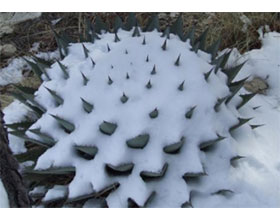 美国 耐寒仙人掌苗圃 Cold Hardy Cactus – 专注耐寒仙人掌品种的科罗拉多州专业苗圃
 美国 Lewis Bamboo竹子苗圃 – 拥有并经营专门生产竹子的苗圃
发表回复