

从一张 1910 年的分区图说起
这个团体的正式名称是 Riksförbundet Svensk Trädgård,日常场合简称 Svensk Trädgård。协会的站点把自己描述为瑞典最大的园艺组织,截至 2026 年有接近 3.3 万名会员。往前追它的来历,要从一张地图说起:1910 年,瑞典果树协会(Sveriges Pomologiska Förening,SPF)印出了第一张瑞典分区图,最初只有四个区,依据是二月的等温线和果树品种的耐寒表现。
1935 年,植物生态学家 Einar Du Rietz 在此基础上把地图细分成六个区。1966 年,SPF 改名为 Riksförbundet Svensk Trädgård,这张分区图至今仍由该协会维护,地图数据标注为 2021 年。协会介绍页另有一句说法,讲这个组织已经走了 125 年。
协会写下的宗旨是推动业余栽培,传播园艺文化,让居住环境更环保。组织关系上,它属于瑞典休闲种植联合会(FOR),对外合作的对象包括家宅协会,以及北欧层面做同一件事的其他组织。
最高的决策机构是会员代表大会(fullmäktige),每年在四月结束之前召开。理事会由一名主席和八名理事组成。秘书处设在泰比,属于斯德哥尔摩地区。
三万会员和一百四十家地方团体
会员数字在协会自己的两个页面上略有出入:概况页写的是超过 3.2 万名会员,另一页写的是接近 3.3 万名。按保守口径算,协会的规模在 3 万名会员上下。
地方团体的数量,协会给的说法是约 140 家,从南部一直分布到北部各个郡。站点上有查询入口,可以按所在市镇找到本地的团体,也可以直接在地图上浏览。
会员费每个日历年 430 克朗。若还要加入本地团体,费用另行计算,标准由各团体自己定。十月一日以后入会,可以顺带到下一年年底。
会员能拿到的东西包括:邮件和电话形式的免费园艺咨询、会员折扣、参加本地团体的活动、团体活动期间的保险,以及会员页面的访问权。
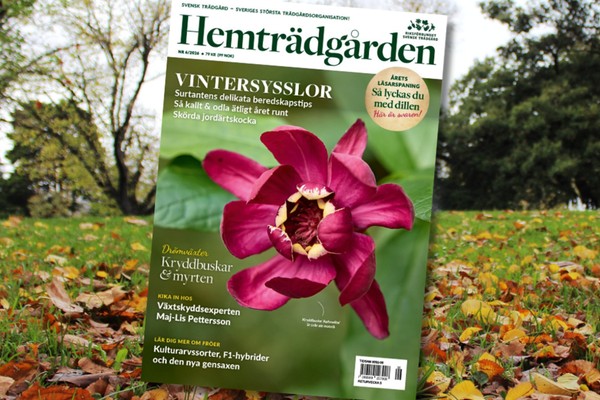
会员杂志 Hemträdgården
会员杂志叫 Hemträdgården,每年出 6 期,每期 68 页,1945 年开始发行。数字版可以回读到 2013 年。杂志里的文章讲植物、园艺设计和实际操作建议,写法上强调可查证的内容,也兼顾园艺史的角度,读者群从南到北都有,杂志也会介绍各地团体办的活动。
杂志之外,协会还出版事实手册(faktablad)和电子书,把某个主题整理成单独的专题单行本(särtryck)。编辑部由主编 Agneta Bergström 和版面设计 Helena Nilsson 组成,杂志上的文章和图片大多由他们约稿。
商店开在站点下的另一个域名上,卖书和园艺用品,会员购物有折扣;纸刊之外还有数字版订阅。
抗寒分区图与园艺咨询
分区图把瑞典分成八个栽培区,一区最温和,八区往北延伸进高山地带。地图只针对木本植物,多年生草本和一年生植物按季节生长,不按这个分区算。想知道自家属于哪一区,站点上有一个数字版查询工具,输入地址就行。
地图最初靠气象观测建立,只管果树,后来几经修订,把观赏用的木本也纳入进来。协会还出版植物图鉴,1961 年出第一版,1966 年第二版,1993 年是现在这一版,协会办公室仍在提供 1993 年版。
咨询部分,站点设有园艺问答栏目,答问题的是两位常驻顾问。Lise-Lotte Björkman 是园艺师、花艺师,也是生物学家,1984 年起从事园艺设计。Henrik Bodin 是园艺工程师,有苗圃和温室工作的经验,做了二十多年顾问,还负责修剪课程。修剪课之外,另有一处入口可以查找持有认证的果树枝剪人员。
Tusen Trädgårdar 与开放花园
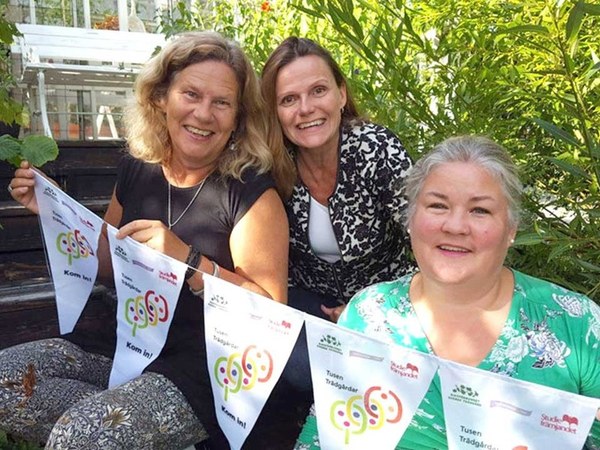
Tusen Trädgårdar 是一年一度的开放日。2026 年那一场在 6 月 28 日举行,活动间隔两年,下一场定在 2028 年 7 月 2 日。协会自己把它称作瑞典最大的园艺参观活动。
上一届结束后,协会发了一份问卷回访。已经回复的花园主人里,96% 愿意推荐别人在下一届也开门,其中 72% 回答”绝对愿意”。回访意见里反复出现的是同一件事:人与人碰面带来的那部分收获。
开放花园另有独立的登记库,由花园主人自愿登记。访客可以按开放时段、地区和兴趣筛选,也可以在地图上看位置。2026 年的活动之后,不少花园还没有更新自己的资料。
面向孩子的项目叫 Odla unga odlare,服务 4 到 15 岁的儿童。另一个项目是”让 100 所学校变成 1000 所”,把园艺课带进学校。
Starting from a zoning map of 1910
The organisation’s formal name is Riksförbundet Svensk Trädgård, shortened to Svensk Trädgård in everyday use. Its own site describes it as Sweden’s largest gardening organisation, with close to 33,000 members as of 2026. Its history runs back through a map: in 1910 Sveriges Pomologiska Förening (SPF), the Swedish Pomological Association, printed the first Swedish hardiness zone map, with four zones, based on February isotherms and the cold tolerance of fruit varieties.
In 1935 the plant ecologist Einar Du Rietz refined the map into six zones. In 1966 SPF was renamed Riksförbundet Svensk Trädgård, and the zone map has been maintained by the association ever since; the map data is marked 2021. The association’s own introduction page also says the organisation has been going for 125 years.
The stated aim is to promote leisure gardening, spread gardening culture and work towards living environments that are gentler on the environment. Organisationally it is part of FOR, Fritidsodlingens Riksorganisation, and it cooperates with household-extension societies and with similar organisations elsewhere in the Nordic countries.
The highest decision-making body is the members’ delegate assembly (fullmäktige), which meets each year before the end of April. The board consists of a chair and eight other members. The secretariat is based in Täby, in the Stockholm area.
Thirty thousand members and 140 local clubs
The member figure differs slightly between two pages of the association’s own site: one gives more than 32,000 members, another gives close to 33,000. Taking the lower figure, the membership is around 30,000.
The number of local clubs is given as about 140, spread from the south up through the northern counties. There is a lookup on the site, so a local club can be found by municipality or browsed directly on a map.
Membership costs 430 SEK per calendar year. Joining a local club as well is separate, and the price is set by each club. If you join from 1 October, your membership runs to the end of the following year.
What members get: free gardening advice by email and phone, member discounts, access to activities in their local club, insurance during club activities, and access to the member pages.
The member magazine Hemträdgården
The member magazine is called Hemträdgården, six issues a year, 68 pages each, first published in 1945. The digital edition goes back to 2013. The articles cover plants, garden design and hands-on advice, written with an emphasis on checkable facts, and also from a garden-history angle; the magazine runs from the south to the north of the country and regularly features the activities of local clubs.
Beyond the magazine, the association publishes fact sheets (faktablad) and e-books, and also pulls individual themes together into separate offprints (särtryck). The editorial team is made up of editor-in-chief Agneta Bergström and form designer Helena Nilsson, who commission most of the writing and photography.
The shop runs on a separate domain under the site and sells books and gardening supplies, with a member discount; a digital subscription is available alongside the printed edition.
The hardiness zone map and gardening advice
The zone map divides Sweden into eight growing zones, zone 1 being the mildest and zone 8 reaching up towards the mountain regions. It applies to woody plants; perennials and annuals grow with the seasons and are not classified this way. There is a digital lookup on the site where an address gives the zone it falls in.
The map was originally built on meteorological observations and covered only fruit trees, and was revised several times to take in ornamental woody plants as well. The association also publishes a plant atlas: the first edition appeared in 1961, the second in 1966, and the current one dates from 1993, which the association’s office still supplies.
Advice is handled through a question-and-answer section on the site, answered by two resident advisers. Lise-Lotte Björkman is a master gardener, a florist and a biologist, working in garden design since 1984. Henrik Bodin is a horticultural engineer with nursery and greenhouse experience, advising for more than twenty years and in charge of the pruning courses. Alongside the courses there is a lookup for certified fruit-tree pruners.
Tusen Trädgårdar and the open-garden register
Tusen Trädgårdar is an annual open day. The 2026 edition took place on 28 June; the event runs every other year, and the next one is set for 2 July 2028. The association calls it Sweden’s largest garden-visiting event.
After the last edition the association sent out a follow-up survey. Among the garden owners who replied, 96% would recommend that others open their gardens the next time round, and 72% answered “yes, absolutely”. One theme runs through the comments: what people remember is meeting each other.
Open gardens have a separate register, filled in voluntarily by the owners. Visitors can filter by opening times, region and interest, and see positions on the map. After the 2026 event, a good number of gardens have not yet updated their entries.
The project for children is called Odla unga odlare and works with children aged 4 to 15. A second project, “let 100 schools become 1000”, brings gardening lessons into schools.





Just adore this site keep up the great work!
It’s normal for me to use Edge to open the website here.
Quick question, are you bothered that your website doesn’t open correctly on Edge?