

一对夫妇从一本书走向日本庭园
ROJI Japanische Gärten 是一家位于德国勃兰登堡州的家庭园艺公司,创办人是 Reiner 与 Gesine Jochems 夫妇,1988 年成立。公司名字里的 roji 读作「roodschi」,他们自己解释为长满青苔的林间小径。
两人原先在柏林的日报社做设计与制图,业余时间摆弄园艺、盆景和摄影。改变方向的是一本讲日本庭园的书,当时德语和英语的相关书籍都很少,互联网也还没出现,两人干脆买了铁锹和耙子自己摸索着建园。1991 年他们凑钱去日本做了两个月的考察,看了上百座庭园。
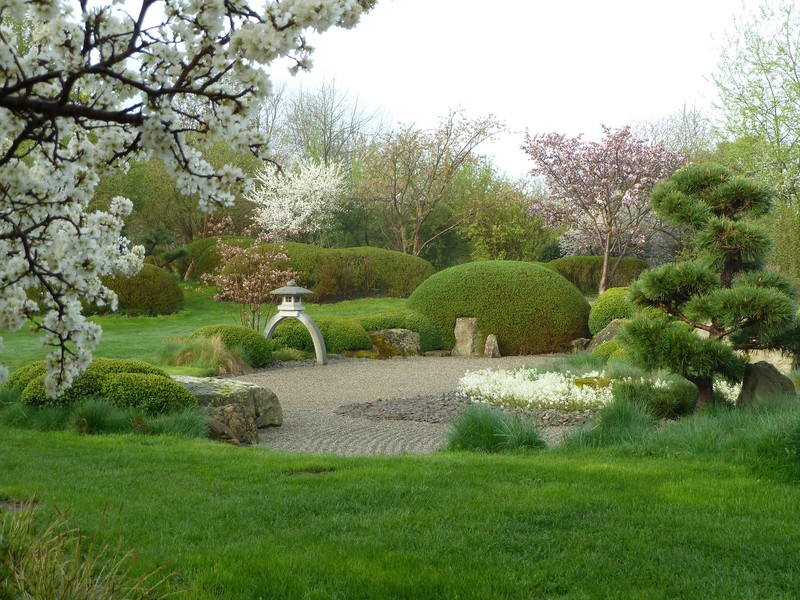
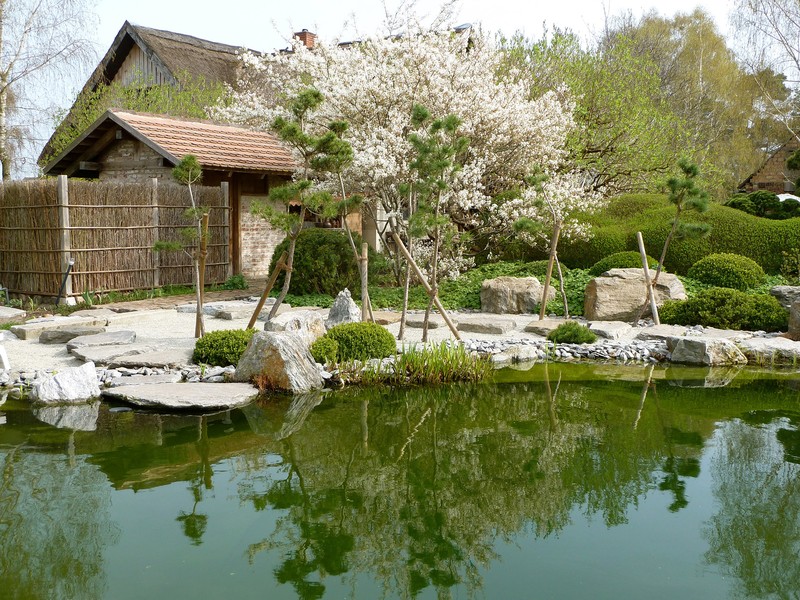
1992 年起,他们开始动手建自己的示范园,在柏林西北约八十公里的 Bartschendorf 一带。园子有七千五百平方米,包含枯山水、池庭、苔庭和茶室等不同做法。日本庭园的构思源自中国与朝鲜,最初由游历东方的日本僧侣带回日本,此后演变出多种风格,今天的造园者有的沿袭古法,有的完全另走一路。
1995 年之前,园子的施工都由他们自己完成;后来因为委托不再限于柏林一带,两个人带的小队伍跑起来太不方便,工作方式才慢慢改过来。他们的作品上过德国园艺刊物《Schöner Wohnen》和《Gartenflora》,地方报纸《Kyritzer Allgemeine Zeitung》也多次报道过他们。
规划从一次长谈开始
公司的业务分成规划、工作坊和施工三段。规划的第一步是把想法都摆到桌面上:梦想、收藏的书页照片、场地的土质、光照、噪音、孩子和宠物都在他们的关心范围内。接着客户寄来自家花园的照片、一份带比例的地块图或一张标好尺寸的手绘草图,这些材料构成后续设计的基础。
条件允许时,他们更推荐先安排一整天的工作坊,只谈客户自己这一个园子,把可能的布局当面聊透,之后的规划报价也划算些。概念规划一般按 1:100 的比例画总平面图,再把效果图画进客户提供的照片里,让人一眼看到将来的样子;规划需要修改时,改图不另收费。
进入细节规划后,交付的东西包括 1:100 和 1:50 的平面图、木本与草本种植图、材料清单、施工措施目录和费用概算。这套图纸是写给施工方看的,园子是自己动手建,还是交给专业的园林公司,都可以照着执行。
三种落地方式
小园子通常由园主带着家人和朋友一起动手完成,他们在关键工序上到场指导和把关。规模大一些的园子会另请一家园主信得过的园林公司施工,公司担任施工监理,把整体进度和设计意图盯着。大型项目则由业主招标,园林公司中标后,他们仍在地形塑形、置石、松树整形修剪、特殊园路和汀步铺设这些环节上做监造。
置石是他们的长项。大的园石一旦放错位置,之后很难再挪动,所以这一环值得交给有经验的人。他们会陪客户去采石场挑选合适的石头,再用专业手法安放。挖土机、装载机这类重型设备,可以由他们和客户一起在当地找公司安排。
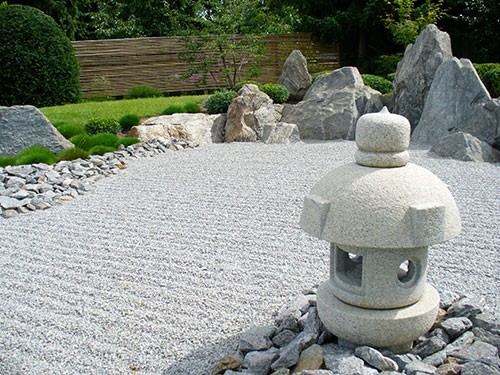
公司还出售花岗岩石灯笼和水钵、竹竿等造园材料,也供应从日本直接运来的大型盆栽松树。这些树多在原产地按日本盆景的剪裁方式打理了十几年乃至几十年,形态接近古树,其中红豆杉和冬青比松树成型快,价格也低一些。
示范园对外开放
示范园有十来年时间在特定周末向公众开放。2026 年的开放日从四月排到十月,大致一两周一次,下午一点半到五点半。五月二十三号和二十四号那两场另有下午三点的茶道演示。七月的页面上有两处因风灾取消的标注,站上会另行提示,实际安排以站上公告为准。
入园门票每位七欧元。参观分两种:一种是园内导览,含门票每人十欧元,不足十人时一场最低一百欧元,导览约两小时;另一种是茶道体验,最多四人一组,在铺着榻榻米的茶室里跪坐进行,用的是薄茶,整个过程约两小时半到三小时,总价一百二十欧元,另加每人十五欧元,含抹茶、点心和门票。两种活动都需要提前约时间。
园里的锦鲤可以投喂,对面的大草地可以让孩子奔跑,园内也有卫生间。轮椅和婴儿车只能走到园子的一半。他们还特别提醒家长注意:园中有未加围栏的池塘,石灯笼也没有固定,园里还有小动物,请留心孩子的安全。
从本地走向更远的地方
他们的工作范围从本地一路铺到世界各地。2006 年,他们为泰国一座豪华别墅改造了庭院;还有一个项目建在莫桑比克外海的岛屿上,只用当地的植物和材料造园。当地的工人起初没有造日本庭园的经验,一起做下来之后,有几位后来成了长期雇佣的园丁。奥地利和瑞士也有他们的客户。
说到日本庭园,他们自己的解释是:多数日本庭园都有一条景观主线,园中元素的选择都是为这条主线服务的。元素大致分几类——地形靠堆土和挖方做出起伏,石头按自然形态安放,园路讲究手工和接缝,竹篱、石灯笼、水钵各有各的做法,植物则以常绿的整形灌木和松树为主,替园子定下骨架。
Two Gardeners Who Took Up a Book
ROJI Japanische Gärten is a family-run Japanese garden company in the German state of Brandenburg, founded in 1988 by Reiner and Gesine Jochems. The name roji is pronounced “roodschi”, which the company glosses as a moss-covered forest path.
Both worked in design and graphics at a daily newspaper in Berlin before they started, and spent their spare time on gardening, bonsai and photography. What changed their direction was a book on Japanese gardens. There was little literature in German or English at the time and the internet did not yet exist, so they bought spades and rakes and learned by building. In 1991 they funded a two-month study trip to Japan and looked at more than a hundred gardens.
From 1992 they began constructing their own show garden near Bartschendorf, about eighty kilometres north-west of Berlin. It covers 7,500 square metres and holds dry gardens, pond gardens, moss gardens and a tea house. The idea of the Japanese garden originated in China and Korea and was carried to Japan by monks who had travelled east; over the centuries it split into many styles, and today’s garden makers either work within the old forms or go their own way.
Until 1995 they carried out the building work themselves. That changed as commissions spread beyond Berlin and their small crew became awkward to move around the country, and the way they worked shifted accordingly. Their gardens have appeared in the German gardening magazines Schöner Wohnen and Gartenflora, and the local Kyritzer Allgemeine Zeitung has reported on them several times.
Planning Starts with a Long Talk
Their work falls into three parts: planning, workshops and realisation. Planning begins with the client putting everything on the table — dreams, photos from collected books, the soil, the light, the noise, children and dogs all count. The client then sends photographs of the garden, a scaled plot plan or a hand-drawn sketch with dimensions, and these form the basis for the design.
Where possible they recommend a full-day workshop first, dealing with nothing but that one garden, so possible layouts can be talked through in person; planning is then offered at a better price. The concept plan is usually drawn at a scale of 1:100, with the views sketched directly onto the client’s own photographs so the result can be judged at a glance, and plan changes are included in the fee.
Detailed planning then delivers plans at 1:100 and 1:50, woody and herbaceous planting plans, material lists, a schedule of measures and cost estimates. The drawings are written for whoever builds the garden, so the owner can carry out the work themselves or hand it to a landscape contractor.
Three Ways to Build
Small gardens are usually built by the owner together with family and friends, with ROJI on site to guide and check the key steps. For larger gardens the owner brings in a landscape company they trust, and ROJI acts as construction supervisor, keeping an eye on progress and on the design intent. On large projects the owner tenders the work, and after the contractor is appointed ROJI still supervises earth modelling, stone setting, the shaping of pines, special paved paths and the laying of stepping stones.
Stone setting is one of their strong points. A large garden boulder that has been put in the wrong place can hardly be moved later, so this step is worth handing to people with experience. They accompany the client to the quarry to choose suitable stones and set them with professional technique. Machines such as wheel loaders and excavators can be arranged together with the client through local firms.
The company also sells granite stone lanterns and water basins, bamboo poles and other garden materials, and supplies large bonsai pines shipped straight from Japan. These trees have been shaped in the Japanese manner over decades until they read as old trees, and yew and holly reach their form faster than pine and cost less.
The Show Garden Opens to Visitors
The show garden has been open to the public on selected weekends for around twelve years. The 2026 dates run from April to October, roughly every one or two weeks, from half past one to half past five in the afternoon. The sessions on 23 and 24 May include a tea ceremony demonstration at three o’clock. Two places on the July page are marked as cancelled because of storm damage, and any further change is announced on the site, so its own listing is the thing to check.
Entry costs seven euros. There are two ways to visit. Guided tours of the garden last about two hours and cost ten euros per person including entry, with a minimum of one hundred euros per tour when fewer than ten people come. The tea ceremony takes a maximum of four people at a time and is carried out kneeling on tatami in the tea house, using thin tea; it lasts about two and a half to three hours, costs one hundred and twenty euros in total plus fifteen euros per person, and includes matcha, sweets and entry. Both need to be booked ahead.
The koi in the pond can be fed, there is room for children to run on the meadow across the path, and a toilet is available on site. Wheelchairs and pushchairs can only reach half of the garden. They also ask parents to bear in mind that the ponds are not fenced, that the stone lanterns are not fixed in place and that small animals are present.
From Local Work to Work Further Afield
ROJI’s reach runs from the local area to the other side of the world. In 2006 they converted the garden of a luxury villa in Thailand, and one of their projects lies on an island off Mozambique, where only local plants and local materials were used. The workers there had no experience of Japanese gardens to begin with, and after working together some of them went on to become permanently employed gardeners. They have also built gardens for clients in Austria and Switzerland.
On the Japanese garden itself, ROJI puts it this way: most Japanese gardens follow a landscape theme, and the choice of elements is there to support that theme. They group the elements into types — ground modelling by banking and cutting, stone set in its natural form, paths where workmanship and the joints matter, bamboo fences, stone lanterns and water basins each with their own approach, and plants led by evergreen clipped shrubs and pines, which give the garden its framework.
相关文章:
 德国 Garten + Landschaft 杂志 – 欧洲景观建筑与城市规划领域最具影响力的专业月刊
 奥地利 花园设计与开放空间规划 plan b – 20 余年庭院与屋顶露台营造
 德国 北极高山植物园 Arktisch‑Alpiner‑Garten – 四千余种高山植物保育园
 德国 Garten Schlüter 苗圃 – 北德百年家族花园植物邮购商
 德国 柏林植物园 Botanischer Garten Berlin – 近两万种植物与分类研究
 奥地利 克拉默与克拉默花园设计 Kramer und Kramer – 下奥地利的花园设计与苗圃
 德国Roseanum Schönbrunn玫瑰园 – 玫瑰园咖啡馆与花园施工
 中国 济南园林集团景观设计 – 风景园林工程设计甲级资质
发表回复