
协会概况与活动范围
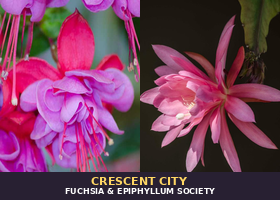
新月城(克拉马斯新月城)吊钟海棠和昙花协会,全称 The Fuchsia and Epiphyllum Society of Crescent City,是美国加利福尼亚州北部太平洋海岸的一个小型地方园艺团体。协会办公与活动地点在加州 Del Norte 县新月城镇,地址 1730 S. Bethesda Way, Crescent City, CA 95531,活动辐射到太平洋西北沿岸的吊钟海棠与昙花爱好者。协会宗旨写在网站显著位置:“Dedicated to promote the growing of Fuchsias and Epiphyllum to beautify our community”,也就是推动吊钟海棠与昙花这两种花卉在社区中的栽培与景观应用。
月会与工作坊
月度例会安排在每月第三个星期三晚 6:00 开始,下午 5:30 开门,地点在 Del Norte County Fairgrounds 餐厅厅。会员以 potluck(自带一道菜)的方式一起用餐,咖啡与白水由协会准备,自带餐具与餐巾;例会内容含植物相关抽奖、门奖、专题讲座以及当月工作坊。冬季 1 月休会一次,其余月份工作坊主题包括修剪、扦插、换盆、土壤与肥料、病虫害与家庭疗法、杂交授粉与秋海棠叶插等。董事会议另外排定在每月第一个星期四下午 2:00,地点在 The Apple Peddler 餐厅,新月城本地会员均可列席。
春季销售会与年度花展
春季销售会(Annual Spring Sale)固定在每年 4 月中旬的一个星期六举行,2024 年为 4 月 13 日上午 9:00 到下午 3:00,地点在 Del Norte Fairgrounds,面向社区开放,会员可申请自摆摊位销售植物、园艺小品、书籍或首饰等园艺相关商品,无摊位费,但销售按 70% 归会员、30% 归协会的比例分成。年度花展则在 8 月初配合 Del Norte 县集市(Del Norte County Fair)一同举办,开放日期通常为 8 月 1 日到 4 日;布展与运输在 7 月底启动,会员与公众均可提交吊钟海棠参赛植株,公开评选,新会员入会即获赠一盆植物作为入会纪念。
花园之旅与社区外联
花园之旅(Crescent City Fuchsia and Epiphyllum Club Garden Tour)安排在县集市结束后的 8 月最后一个星期天上午 9:15 集合,从 Del Norte Fairgrounds 出发,参观本地会员的吊钟海棠与昙花花园,会员在活动前会领到地图、自带午餐,参加傍晚烧烤的会员另带一份沙拉或甜点。社区外联方面,协会还参与 Front Street Community Awareness at the Park 等本地活动,并在县集市期间招募志愿者协助布展、运输与撤展,参与者可获得实践经验与本地其他园艺团体的接触机会。
会员刊物与对外合作
协会内部刊物为 Hummingbird Herald Newsletter,按月或按季度发布,刊载当月活动纪要、栽培心得、品种推荐与会员投稿,以会员分发为主,不对外订阅。对外合作方面,协会网站显著位置链接到 American Fuchsia Society(www.americanfuchsiasociety.org/articledirectory)与 American Epiphyllum Society(www.epiphyllums.org)这两个全国性组织,方便会员查找品种目录、栽培指引与全国性的吊钟海棠与昙花活动信息;本地层面,协会与 Del Norte County Fairgrounds 共享年度花展场地,与 The Apple Peddler 餐厅合作召开董事会会议,让一个小型地方协会在吊钟海棠与昙花这两类花卉上保持了稳定的活动节奏。
About the Society and Service Area
The Fuchsia and Epiphyllum Society of Crescent City is a small local gardening club based on the north Pacific coast of California. The society is rooted in Crescent City in Del Norte County, with its mailing address at 1730 S. Bethesda Way, Crescent City, CA 95531, and serves gardeners across the city and the wider Pacific Northwest who grow fuchsias and epiphyllums. The society’s stated purpose, shown on its homepage, is “Dedicated to promote the growing of Fuchsias and Epiphyllum to beautify our community”, framing the two plant genera as the focus of its educational and outreach work.
Monthly Meetings and Workshops
Regular monthly meetings are held on the third Wednesday of each month, beginning at 6:00 PM with doors opening at 5:30 PM, in the dining room of the Del Norte County Fairgrounds. Members contribute to a potluck meal, the club provides coffee and water, and attendees bring their own plates, utensils and napkins. Meetings include a brief business portion, door prizes, plant raffles, an illustrated program, and a hands-on workshop tied to the season. January is a dark month with no meeting or workshop. Board meetings are held separately on the first Thursday of each month at 2:00 PM at The Apple Peddler Restaurant in Crescent City and are open to any member.
Annual Spring Sale and County Fair Show
The Annual Spring Sale is held each year on a Saturday in mid-April at the Del Norte Fairgrounds; in 2024 it ran on April 13 from 9:00 AM to 3:00 PM. The sale is open to the public, and members may host their own tables to sell plants, garden art, books, jewelry or any other gardening-related items; there is no table fee, but sales are split 70% to the hosting member and 30% to the club. The county fair show runs during the first week of August in coordination with the Del Norte County Fair, typically August 1–4; setup begins on the Sunday before the fair, and entry submissions for fuchsias, both members and non-members, are accepted the day before the fair opens; new members joining the society receive a starter fuchsia at their first meeting.
Garden Tour and Community Outreach
The Crescent City Fuchsia and Epiphyllum Club Garden Tour is scheduled on the Sunday following the county fair. Members meet at the Del Norte Fairgrounds at 9:15 AM, pick up maps, and visit member gardens around town; participants bring a sack lunch and, for those joining the evening barbecue, a salad or dessert to share. Community outreach also includes the monthly potluck meetings, plant raffles and door prizes open to any guest, the Front Street Community Awareness event in the local park in early July, and member volunteer crews during the county fair for setup, transport, table dressing and teardown.
Newsletter and Partner Societies
The Hummingbird Herald newsletter is the society’s main member publication. It carries short reports on recent meetings, upcoming events, cultivation notes, plant recommendations and member contributions, and is distributed to members rather than sold by subscription. External partnerships are kept deliberately lean: the society’s website links directly to the American Fuchsia Society (www.americanfuchsiasociety.org/articledirectory) for national fuchsia cultivar directories and articles, and to the American Epiphyllum Society (www.epiphyllums.org) for epiphyllum cultivar data and society news; at the local level, the society works with the Del Norte County Fairgrounds for the August show and with The Apple Peddler Restaurant for board meetings.



发表回复