
1951 年在哥本哈根成立
丹麦大丽花协会于 1951 年 11 月 15 日在哥本哈根成立,成立大会在丹麦皇家园艺学会的一间沙龙内举行。协会由一批大丽花爱好者发起,其中既有园艺从业者,也有业余种植者。瑞典于 1936 年已成立同类组织,其理事参与了丹麦姊妹会的筹备。最初的章程共十条,宗旨是推广大丽花栽培,并使更多人了解丹麦的大丽花组织。入会不拘身份:园艺从业者、业余种植者以及一切对大丽花有兴趣者皆可入会。当时年费五克朗,亦可一次缴纳一百克朗取得终身会员资格。理事会有权授予荣誉会员资格,亦可开除与协会宗旨相悖的会员。全体大会每年三月召开,理事每两年改选,协会财务由理事掌管。
首任主席与他培育的品种
首任主席托瓦德·彼得森于 1912 年 3 月在哥本哈根创办园艺企业,1962 年正值开业五十周年。1940 年他提议成立观赏植物委员会,与国家温室试验部门合作开展大丽花品种试种,延续至 1965 年。他担任主席至 1966 年,至 1971 年去世前一直活跃于展览与育种。他培育的品种兼有球型与单瓣小花型,其中一个品种以他本人的农庄命名。其子克拉斯·彼得森承续大丽花种植,在协会担任出纳至 2002 年。
展览场所与品种评审园
1971 年起,年度大丽花展离开皇家园艺学会,改在勒藻勒的一座商场举行,并在此延续近三十五年。商场建于会员克努森家的旧苗圃地上,由他出面邀请协会在此办展。早期的展览由园艺公司与种子企业主持,其后业余参展者渐增,最终占参展者的四分之三。1974 年,协会在巴格斯韦德的一座公园内另设大丽花园,由当地市镇公园部门主办,园长奥厄·尼尔森负责管理。园区按品种划分七块大畦,畦间设草坪步道,每个品种种植六株,共培育一百五十九个品种,均自各种花型中遴选。评审由专业人员按积分制进行,得分不佳的品种次年不再栽植,改由新品种递补参评,协会由此逐步累积起一批品质优良的品种。
会刊、文章库与站内资料
协会自办会刊,一年四期,免费寄送会员,内容涵盖大丽花资讯、协会活动与展览消息,以及国内外相关信息。会刊的沿革颇为曲折:1960 年代曾办有一本文刊,存续时间很短;1970 年代至 1980 年代初改为书信联络;直至 1988 年方恢复定期发行,每年四期,1997 年起改用彩色印刷。站内另设文章库,分花型、繁殖、贮藏、病虫害、经验、栽培、历史与名词解释八个主题,共五十三篇。站内另有一篇介绍大丽花属源流的文章:该属原产墨西哥高原,阿兹特克人兼作观赏与食用;1789 年墨西哥城植物园的负责人将种子寄至马德里植物园,年轻的植物学家安德烈亚斯·达尔亦在该园任职,二人共同育出三个新种,植物遂以其姓氏命名;1962 年议定的国际登记与分类规程于 1969 年公布时收录一万五千个品种,现今全球品种约五万个。下载页备有章程、隐私政策与扦插指南,另存五份订货目录,最早一份为 2016 年度。网站另设按花型分类的商店共十五类,并附一份涵盖九国的各国大丽花商家清单。
会员活动与入会办法
每年在勒藻勒老农庄举行的块根交换会,是会员最为期待的一项活动,可在会上补齐所缺的新品种。该农庄为旧村仅存的大农庄,同一家族经营近两百年,1961 年后不再经营,现为协会聚会之所。入会后可随协会外出考察,亦可参与品种试种;业余种植者与专业种植者均可参加一年一度的展览与评比,种植季节另有会员开放私家花园供人参观。来年的扦插苗自十一月底起接受订购,至十二月初截止。会费每年两百克朗;十月起入会者先缴五十克朗,再补缴次年全年会费,合计二百五十克朗。理事会由七名成员组成,另设网站管理员一职。网站不设论坛,提问与经验交流均引导至社交群组及数个国外园艺论坛。
Founded in Copenhagen in 1951
The Danish Dahlia Society was founded in Copenhagen on 15 November 1951, the founding general assembly being held in a hall of the Royal Danish Horticultural Society. It was formed by a group of dahlia enthusiasts, both horticultural professionals and amateur growers. Sweden had already established a society of its own in 1936, whose board took part in preparing the Danish sister society. The original statutes ran to ten paragraphs, their purpose being to promote the growing of dahlias and to make the Danish dahlia society better known. Membership was open to anyone, whether a gardener, an amateur, or anyone simply interested in dahlias. The subscription was then five kroner a year, and a life membership cost one hundred kroner. The board could appoint honorary members and could also expel members who worked against the society. The general meeting was held each March, the board was elected every two years, and the society’s finances were in the board’s hands.
The first chairman and the varieties he bred
Thorvald Petersen, the first chairman, established his horticultural business in Copenhagen in March 1912, and 1962 was the year of its fiftieth anniversary. In 1940 he proposed the setting up of an ornamental plant committee, which carried out trial growing of dahlia together with the state greenhouse trials until 1965. He held the chairmanship until 1966 and remained active in exhibiting and in raising varieties until his death in 1971. Among the varieties he raised were ball types and a small single-flowered one, and one of them carried the name of his own farm. His son Claes Petersen carried the dahlia tradition on and was treasurer of the society until 2002.
The exhibition venues and the judging garden
From 1971 the annual dahlia exhibition was held away from the Royal Danish Horticultural Society, at a shopping centre in Rødovre, where it ran for nearly thirty-five years. The centre was built on old nursery land belonging to a member, A. Knudsen, who invited the society to hold the show there. In the early years the exhibitions were carried by gardening firms and seed companies; amateur exhibitors then grew in number until they made up three quarters of those showing. In 1974 the society opened a dahlia garden in a park at Bagsværd, run by the parks department of the local municipality, with head gardener Aage Nielsen in charge of its management. The garden was laid out in seven large beds with grass paths between them, six plants to a variety, and a hundred and fifty-nine varieties were grown, picked out from the various flower forms. Judging was carried out by knowledgeable growers on a points system, and varieties that scored badly were withdrawn the following year and replaced by new ones to compete again, which is how the society built up a collection of very high quality.
The magazine, the article library and the rest of the site
The society publishes its own magazine, Dahlia-Nyt, four issues a year, sent free to members, carrying news on dahlias, reports of the society’s activities and exhibitions, and items from home and abroad. The magazine’s course was uneven: a short-lived title appeared in the 1960s, the 1970s and the early 1980s went back to letters, and only from 1988 did the member magazine appear with regularity, four times a year, in colour from 1997. The site also carries an article library, divided into eight subjects — flower forms, propagation, storage, pests and diseases, experience, cultivation, history and a glossary — and holding fifty-three articles in all. A separate article traces the history of the genus itself: it comes from the highlands of Mexico, where the Aztecs grew it as an ornament and as food; in 1789 the director of the Mexico City botanical garden sent seed to Madrid, where the young botanist Andreas Dahl was also working, and the two of them bred three new plants together, and the genus took Dahl’s name; a registration and classification protocol agreed in 1962 and published in 1969 covered fifteen thousand varieties, and the world total now stands at around fifty thousand. The download page holds the statutes, the privacy policy and a guide to cuttings, along with five ordering catalogues, the earliest for 2016. There is also a shop on the site, sorted into fifteen flower-form categories, and a list of dahlia dealers covering nine countries.
Membership and the year’s round of activities
The tuber swap at the old farm is the event members look forward to most each year, where new varieties are taken in exchange for whatever a collection is missing. The farm is the last large farm of the old village; the same family ran it for close to two hundred years, it was worked until 1961, and it is now where the society meets. Members may join the excursions and take part in the trial growing, and may enter the annual exhibition and competitions whether they grow as amateurs or in the trade; in season some members open their gardens to other visitors. Orders for cuttings of the following year are taken from the end of November until the start of December. The subscription is two hundred kroner a year; those joining from October pay fifty kroner at the outset and the remainder of the following year’s subscription, two hundred and fifty kroner in all. The board comprises seven members, with a separate webmaster. The site itself runs no forum: questions and the exchange of experience are directed to the society’s group on social media and to a few gardening forums abroad.
相关文章:
 荷兰 大丽花协会 Nederlandse Dahlia Vereniging – 在库肯霍夫办全国花展的团体
 英国大丽花协会 National Dahlia Society – 英国历史最久规模最大的大丽花专业团体
 美国大丽花协会 AMERICAN DAHLIA SOCIETY – 专注大丽花培育推广的美国非营利组织
 荷兰 赫尔林斯大丽花 Geerlings Dahlia – 英国荣誉会员创办的苗圃
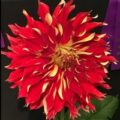 美国 德尔大丽花 Dahlia Del – 明尼苏达小型个人大丽花苗圃
 英国 海棠协会 National Begonia Society – 英国历史最悠久的海棠全国性团体
 瑞典 大丽花协会 – 行业自律与服务组织
 美国 杜鹃花协会丹麦分会 – 美国杜鹃花协会体系下历史最悠久的丹麦分会
发表回复