
荷尔斯泰因湖区的西边
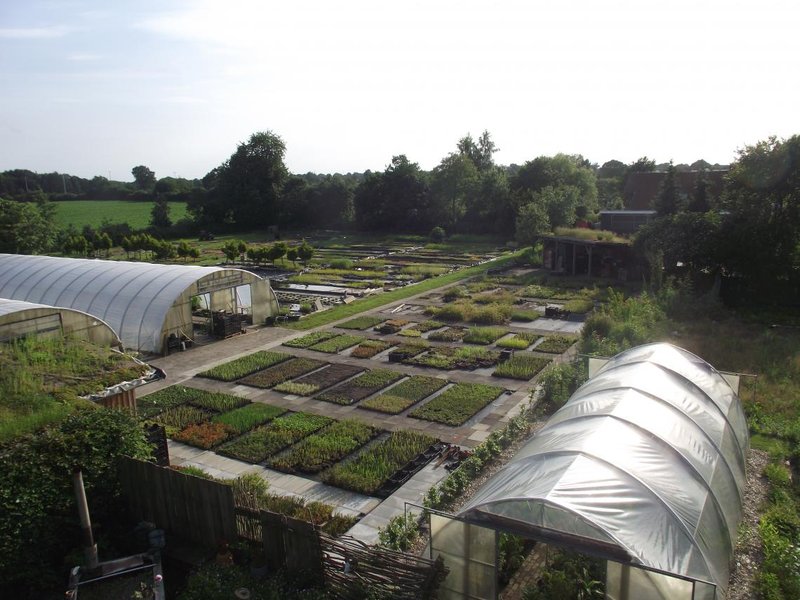
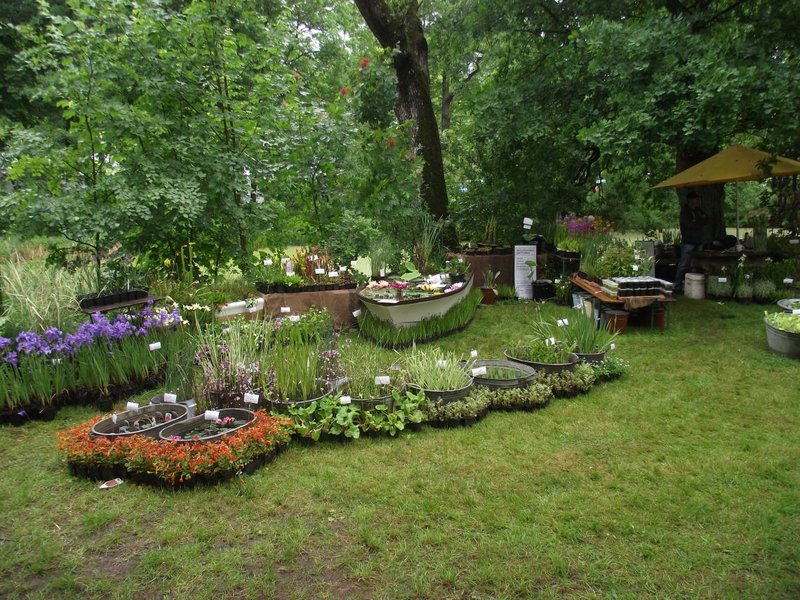
苗圃在德国最北部的石勒苏益格‑荷尔斯泰因州,普伦县一个叫 Kalübbe 的小镇边上。地块在荷尔斯泰因湖区的西缘,处在新明斯特和普伦两座城市之间,也在巴特泽格贝格与基尔之间。首页抬头写的是 Pflanzenkulturen Tolksdorf & Beckers,下面一行小字是 Ökologischer Gartenbau,也就是生态园艺。全园面积 6.1 公顷,其中温室 1250 平方米,露天苗床 1.4 公顷,水面 1 公顷,木本植物 0.1 公顷,草地 2.5 公顷。忙季固定三名全职工人,另加五到六名临时帮手。
苗圃是 1993 年由 Jürgen Tolksdorf、Andrea Flachskamm-Beckers 和 Martin Beckers 三人办起来的,起步时是 2.3 公顷农用地加现成的农舍,从乌尔岑的 W. Peters 苗圃接手了一批客户。之后一步步扩:1994 年开始做水生植物幼苗,1996 年扩到宿根植物并做出屋顶绿化用的小苗,1998 年增加切枝绿材。2000 年加入德国宿根园艺者协会(隶属全国园艺业联合会)和北德园艺协会,同时成为 Bioland 成员并取得认证,又添了 1.6 公顷地种起柳树;2001 年开始卖冷杉绿材和圣诞树,2002 年租下一处原先养鱼的池塘改作睡莲母本基地,2003 年扩大成品苗的品类,2005 年买下切枝灌木的那块地。
三百来种植物怎么繁育
栽培页上写的是沼泽与水生植物约 300 个种和品种,商店首页把沼泽植物、水生植物和宿根植物合在一起写,约数相同。繁育方式按类别分:野生种一般用播种,园艺品种靠分株、扦插或分生小鳞茎。苗装在 4 厘米的多穴苗盘球里,发货时一般不带苗盘,客户另有要求才带着盘;有一部分品类是裸根发货。苗在露地炼过苗,长得结实,买回去可以接着做成商品苗。
面向零售的还有一种 9×9 厘米盆的成品苗,卖给零售苗圃、花园中心、苗木企业和园林绿化工程公司,需要的话可以配图文标签。
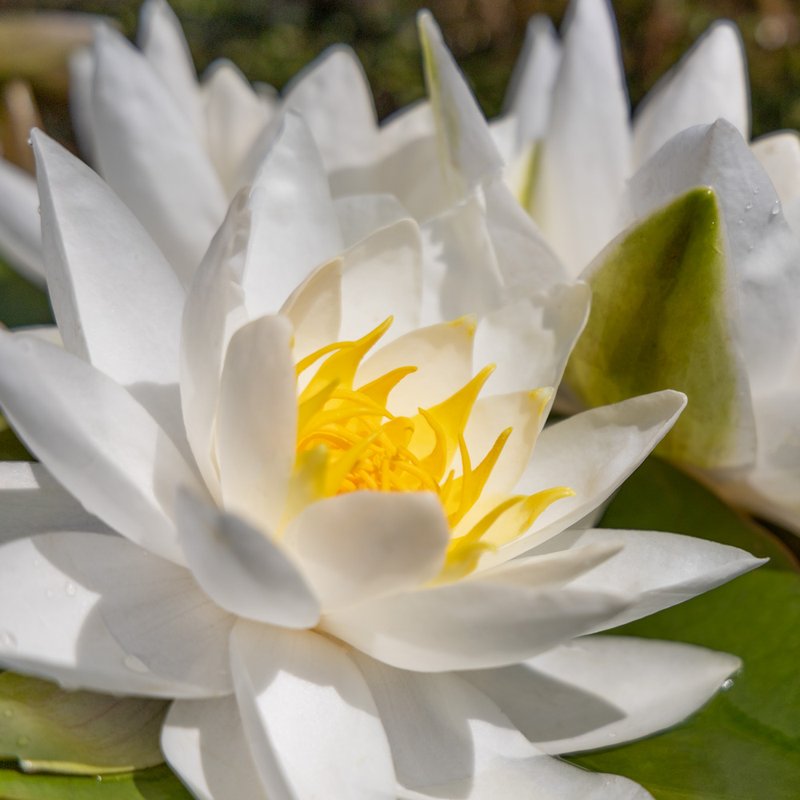
睡莲全部用自家母本繁殖,按花色分:白色有 Gladstoniana、Walter Pagels、Heather White 等,粉色有 Hollandia、Rosennymphe、Maliacea Carnea,红色是 Burgundy Princess、Froebeli、James Brydon,黄色是 Chromatella、Colonel A.J.Welch 和 Joey Tomocik。荷花只做米色和粉色两种,春天发散苗,夏天装盆卖。
还有一类是给水体复育用的本地种,作用是把水面重新长回原来的样子:这类苗根扎得密,能吸走水里的养分、截住漂浮的碎屑,用在护岸、渗水沟护根、人工湿地净化池、污水沉淀塘、污泥堆肥和洗浴池边上。芦苇给 8×8 厘米盆,菖蒲、鸢尾、灯心草和莎草给 9×9 厘米盆。
屋顶绿化用的是另一套苗。景天和长生草一类的多肉,基质薄一点就够,种在贫瘠处反而开得热闹;另一组是草本,比如勋章菊、石竹、山柳菊、亚麻、牛至、百里香,还有蓝羊茅、羊茅和观赏芒,需要厚些的基质。所有苗的根球都是 4 厘米,先在露天用中等水肥养一阵,为屋顶那种极端位置做准备。
柳条、切枝绿材与母本池塘
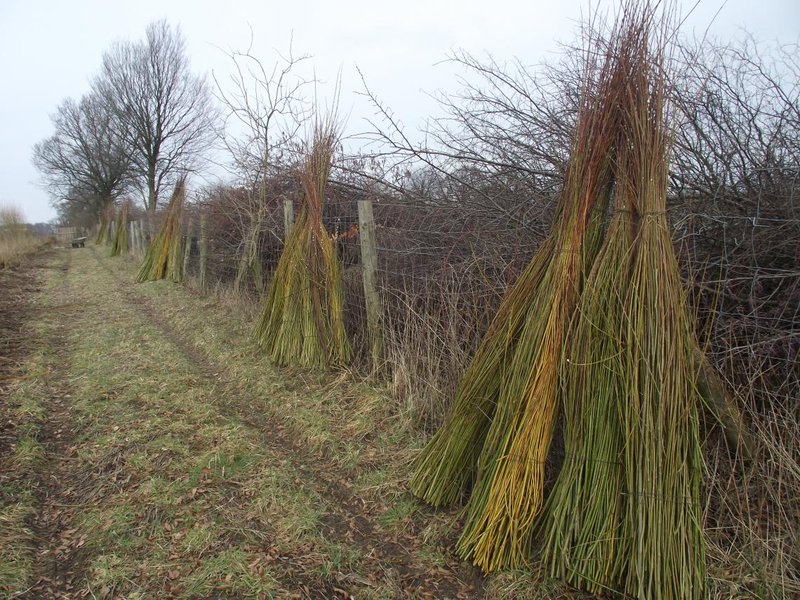
柳树是绕着池塘种的,冬天砍下来的枝条既做园艺和景观工程用的插条,也做编筐和护岸用的柳条。长度从不足 1.5 米到超过 2.5 米,十根或五十根一捆;插条和柳木按粗细长短分开分档,主要品种是 Salix viminalis、S. smithiana 和 S. dasyclados。给养蜂人另有一份开花柳的清单,从早春到夏天都有花粉,量不大,得单独要名单。
切枝绿材是另一条产品线,品种有高加索冷杉、西班牙冷杉、海岸冷杉、美国五针松、欧洲黑松和金黄丝柏。自有地里剪的有丝柏、观赏海棠、冬青、彩叶女贞和山羊柳,剪下来自己扎捆,材料新鲜。不过这批绿材大部分来自常规种植的基地。
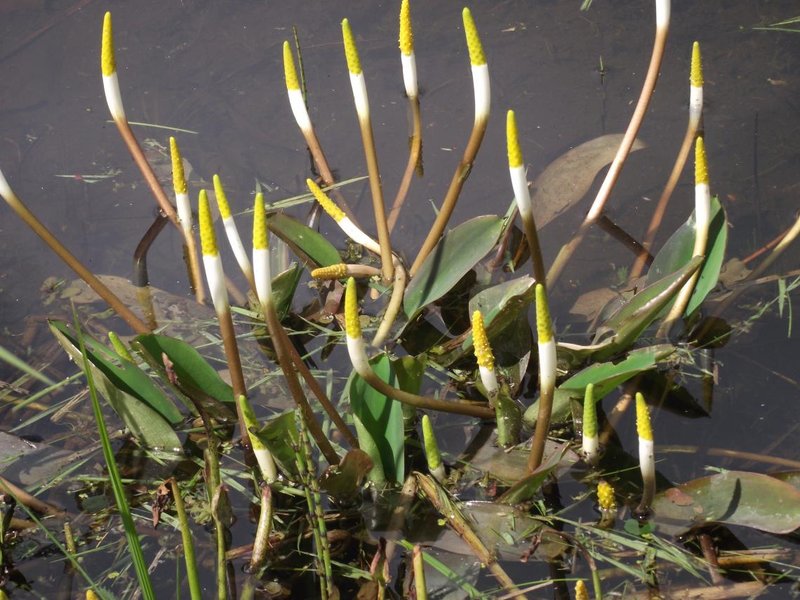
那处养鱼塘,1994 年起他们先用上其中一部分;2002 年整个池塘归到苗圃名下,改作睡莲母本基地,如今按生态方式经营:不养鱼也不投喂,塘里用生石灰消毒,靠放牧控制水草,动植物的种类因此明显多了;冬天会把个别塘放干,免得泥沙堆积、缺氧长藻。除了睡莲母本,塘里还收金鱼藻、千叶藻、水鳖这几类沉水植物的苗,也采驴蹄草、鸢尾、水泽兰以及各种莎草和藨草的种子用来播种繁殖。
有机种植的日常
基质从一家有资质的土厂来,符合有机基质的标准,按作物不同掺进泥炭、黏土、砾石、熔岩和岩粉。底肥用角屑和 Phytoperls,需要时再加石灰或石粉;追肥用细角屑,或 Phytogries、OPF。母本区的空地用蜜源草、波斯三叶草、深红三叶草和黑麦做绿肥。
防虫主要靠印楝制剂和以色列苏云金杆菌,天敌有斯氏线虫、捕食螨和丽蚜小蜂;田里还有青蛙、蝾螈、小鱼、绿头鸭和歌雀帮忙。蜗牛靠人工抓,部分作物用诱饵剂,植株状态差的时候用 Biplantol 和 MK 5 提一提。锄草靠人工加覆盖物,小路用火除草,木本区里的间作绿肥定期割掉。覆盖物试过木屑、稻草、亚麻壳、羊毛、地膜和防草布,结果草从缝里钻出来,还招来老鼠和蜗牛。育苗盘用过氧乙酸消毒。
商店首页摆着一块标牌的照片,白底绿字是 Bioland 的标识,下方一行德文写着「我们不用转基因技术」。协会身份另列在站点的成员栏里:Bund deutscher Staudengärtner、Zentralverband Gartenbau、Gartenbauverband Nord,以及 Bioland。
网上的商店与一年的市集
网店按十三个类目分:沼泽植物、沉水植物、浮叶植物、睡莲、荷花、泥炭植物、野生宿根、屋顶绿化植物、宿根、冷杉绿材、下架特品、盐生植物和植物组合。按商店自己的网站地图逐条数,能点到三百三十九个商品页,其中沼泽植物一百三十六个、屋顶绿化五十二个、睡莲四十个、野生宿根三十四个、宿根二十二个、泥炭植物二十个、沉水植物十一个、荷花七个、盐生植物六个、浮叶植物六个、下架特品四个、植物组合一个。
发货时间看季节,天气好的时候从四月发到九月。货到手的处理办法也写在说明里:带盆的沉水植物和睡莲先放进装水的桶里,浮水和漂浮的植物尽快下水,拆箱时避开正午的太阳,岸边植物喷点水、放在阴凉处。
一年里他们跑不少植物市集。二〇二六年的安排从四月的柏林宿根市集和基克贝格露天博物馆的植物市集开始,五月有霍夫比森布罗克的花园节,还有莱比锡植物日、汉诺威植物日和戈托夫城堡的农贸市集,六月去帕克与花园的乡间博览会,七月在克内希特施泰登的植物聚会上露面,八月回到基克贝格的夏季植物市集,九月在柏林植物园的柏林宿根市集收尾。这些场次也登在德国的园艺行业刊物和植物市集索引网站上。
On the Western Edge of the Holstein Lake District
The nursery stands in the far north of Germany, in the state of Schleswig-Holstein, near the small town of Kalübbe in the district of Plön. The land lies on the western edge of the Holstein lake district, between Neumünster and Plön, and between Bad Segeberg and Kiel. The site header reads Pflanzenkulturen Tolksdorf & Beckers, with Ökologischer Gartenbau, organic horticulture, underneath. The whole farm covers 6.1 hectares: 1250 square metres under glass, 1.4 hectares of outdoor beds, 1 hectare of water, 0.1 hectare of woody plants and 2.5 hectares of grassland. In season there are three permanent staff and five to six helpers.
The nursery was founded in 1993 by Jürgen Tolksdorf, Andrea Flachskamm-Beckers and Martin Beckers, starting out with 2.3 hectares of farmland and the farm buildings already standing, and taking over a customer list from the W. Peters nursery in Uetersen. The range grew step by step: water plant young plants in 1994, perennials and plugs for roof greening in 1996, cut greenery in 1998. In 2000 they joined the Bund deutscher Staudengärtner within the Zentralverband Gartenbau and the Gartenbauverband Nord, became Bioland members and gained Bioland certification, and took on 1.6 hectares planted with willow. Fir greenery and Christmas tree marketing followed in 2001, a pond once used for fish farming was taken over in 2002 as the water lily mother stock base, the finished plant range was widened in 2003, and the land for the cut woody plants was bought in 2005.
How Three Hundred Varieties Are Propagated
The cultivation page gives about 300 species and varieties of marsh and water plants, while the shop homepage counts marsh plants, water plants and perennials together at roughly the same figure. Propagation follows the group: wild species are usually raised from seed, while cultivars come from division, cuttings or bulblets. The young plants sit in 4 cm multi-pot root balls and normally travel without the tray, unless the customer asks otherwise; some lines are sent bare-root. They are hardened off outdoors, sturdy enough to carry on as sale stock.
There is also a finished plant in a 9 by 9 cm pot for retail nurseries, garden centres, tree nurseries and landscape construction firms, with a picture label attached on request.
All the water lilies come from their own mother stock, sorted by colour: white Gladstoniana, Walter Pagels and Heather White among others; pink Hollandia, Rosennymphe and Maliacea Carnea; red Burgundy Princess, Froebeli and James Brydon; yellow Chromatella, Colonel A.J.Welch and Joey Tomocik. Lotus is grown in just two colours, cream and pink, sold loose in spring and in containers in summer.
A separate group of local species is raised for revegetating water bodies, to let a water surface grow back the way it was. These plants root densely, drawing nutrients out of the water and holding back floating debris, and they go into bank reinforcement, the rooting of infiltration trenches, constructed wetland purification beds, sewage settlement ponds, sewage sludge composting and the edges of bathing ponds. Reed is offered in an 8 by 8 cm pot; sweet flag, iris, rush and sedge in 9 by 9 cm pots.
Roof greening uses another set of plants. Sedum and Sempervivum succulents manage on a thin layer of substrate and flower their best on poor ground; the second group is herbaceous, such as gazania, Dianthus, hawkweed, flax, oregano and thyme, together with grasses such as blue fescue, sheep’s fescue and silver grass, which need more substrate. All of them carry 4 cm root balls and are grown outdoors under moderate feeding and watering, so they are ready for the rooftop extremes.
Willow Rods, Cut Greenery and the Mother Stock Pond
Willows are planted around the pond, and the rods cut in winter serve both as planting material for gardens and landscaping and as weaving material for baskets and bank protection. Lengths run from under 1.50 m to over 2.50 m, sold in bundles of ten or fifty; cuttings and stakes are sorted by thickness and length, with Salix viminalis, S. smithiana and S. dasyclados as the main varieties. A separate list for beekeepers covers the flowering willows, which come into pollen from early spring into summer; quantities are small and the list has to be requested.
Cut greenery is a second product line, made up of Caucasian fir, Spanish fir, coast fir, eastern white pine, Austrian pine and a yellow Lawson cypress. From their own ground they cut false cypress, crabapple, holly, variegated privet and goat willow. They cut and bundle it themselves, so the material is fresh, though most of it comes from conventionally grown stock.
Parts of a pond once used for fish farming came into use in 1994, and the whole stretch of water was taken over in 2002 as the water lily mother stock base. It is managed ecologically: no fish are kept or fed, the ponds are disinfected with quicklime, and grazing keeps the weeds down, which has clearly increased the variety of plants and animals. Individual ponds are drained in winter so that sediment does not build up and the water does not go short of oxygen and turn to algae. Alongside the water lily mother plants the pond yields young plants of submerged species such as hornwort, milfoil and frogbit, and seed of marsh marigold, iris, Eupatorium and various sedges and bulrushes for sowing.
How the Organic Growing Works
The substrate comes from an approved soil works and complies with the rules for organic substrates, blended per crop with peat, clay, gravel, lava and rock meal. Base fertiliser is horn shavings and Phytoperls, with lime or rock meal added where needed; follow-up feeding uses fine horn shavings, or Phytogries and OPF. The fallow strips around the mother stock areas are green-manured with phacelia, Persian clover, crimson clover and rye.
Pest control leans on neem preparations and Bacillus thuringiensis israelensis, with beneficials such as Steinernema, predatory mites and Encarsia released alongside; frogs, newts, small fish, mallards and songbirds work the fields too. Snails are picked by hand, a few crops get bait, and Biplantol and MK 5 are used when the plants look flagging. Weeds are cleared by hand and with mulch, paths are flame-weeded, and the undersown green cover in the woody areas is mown back regularly. Wood chips, straw, flax shavings, sheep wool, mulch film and weed fabric have all been tried as mulches, and the outcome was weeds pushing through the cover along with mice and snails moving in. Propagation trays are disinfected with peracetic acid.
The shop homepage carries a photograph of a sign with the Bioland logo and, below it, the line that they work without genetic engineering. The memberships are listed separately on the site: Bund deutscher Staudengärtner, Zentralverband Gartenbau, Gartenbauverband Nord and Bioland.
The Online Shop and a Year of Plant Markets
The shop sorts its stock into thirteen categories: marsh plants, underwater plants, floating-leaf plants, water lilies, lotus, moor plants, wild perennials, plants for roof greening, perennials, fir greenery, discontinued specials, salt plants and plant packages. Counting entry by entry through the shop’s own site map gives 339 product pages: 136 marsh plants, 52 for roof greening, 40 water lilies, 34 wild perennials, 22 perennials, 20 moor plants, 11 underwater plants, 7 lotus, 6 salt plants, 6 floating-leaf plants, 4 discontinued specials and one plant package.
Despatch follows the season, running from April to September when the weather allows. The site’s care sheet explains what to do on arrival: potted submerged plants and water lilies go into a bucket or tub of water, free-floating and floating-leaf plants need putting into water at once, unpacking is best done out of the midday sun, and bank plants like a spray of water and a shady spot.
They get round a good number of plant fairs over the year. The 2026 list starts in April with the Berliner Staudenmarkt and the plant fair at the Freilichtmuseum Kiekeberg, runs through the Gartenzauber at Hof Bissenbrook in early May alongside the Leipziger Pflanzentage and the Pflanzentage Hannover, with the Gottorf castle country market in mid May, takes in the Park&Garden Country Fair in June, turns up at the Pflanzentreffen Knechtsteden in July, returns to the summer plant fair at Kiekeberg in August, and closes with the Berliner Staudenmarkt at the Botanical Garden in Berlin in September. The dates are listed as well in the German trade press and on the plant market round-up sites.
相关文章:
 美国水生植物与睡莲苗圃 Pond Megastore – 根据不同地
 德国 水生植物商店 H2O‑Pflanze – 下萨克森州百余种池塘植物电商
 德国 睡莲品种 Seerosensorten – 下萨克森州上百种睡莲苗圃
 奥地利 水生植物 Greinegger – 上奥地利州百余种水生植物苗圃
 美国 百合花水生植物花园 Lilyblooms Aquatic Gardens – 水生植物零售与邮购品牌
 德国 复垦植物供应 Repo‑Pflanzen – 数十种欧洲沼泽与水生植物
 德国 宁菲翁水生植物 Nymphaion – 巴伐利亚州百余种睡莲荷花苗圃
 德国 梦幻睡莲 Traumseerose – 德国睡莲销往欧洲数十国
发表回复