

一个为保护西番莲而设的协会
国际西番莲协会 Passiflora Society International,简称 PSI,是专门为保护西番莲属而设的国际性组织。协会自己把使命写得很清楚:在全球范围内共享西番莲属及其物种与栽培品种的知识;推动活体收藏的培育与繁殖;鼓励培育以花、果实等特征见长的新品种并为之登记;以及寻找让濒危物种和栽培品种得以存续的办法。
协会由 Ron Boender 在美国佛罗里达创立,最初注册在那里。后来会员和管理层不再以美国为主,办事上多有不便,2019 年 10 月经两次会员大会决议,改组为按英格兰法律运作的非注册社团,会籍与权益保持不变。现在设三位大使:创始人 Ron Boender、会长 John Vanderplank,以及以毕生培育经典品种著称的 Maurizio Vecchia。
会长 John Vanderplank 是西番莲研究的老前辈,上世纪八十年代起就在英国经营自己的苗圃与收藏,1991 年出版《Passion Flowers and Passion Fruit》,2001 年因西番莲种子保存与保育的研究拿到博士学位,后来成为邱园的名誉副研究员。协会另有创始人 Ron Boender 与 Maurice Vecchia 担任大使一职。
全球唯一的品种登记机构
PSI 最硬的一块招牌是官方身份:国际园艺科学学会 ISHS 指定 PSI 为西番莲属的国际栽培品种登记机构 ICRA。由管理委员会负责挑选登记人,现任登记人是 Raphael Maier。登记名目有明确的规矩:要用在世人物的名字命名,必须先取得本人同意;名称不能用拉丁文,也不能与已登记的名字混淆,得自己检索确认。
登记簿就是站上的《西番莲品种登记簿》,公开的紧凑索引和全名索引都能查,每个条目记着母本、父本与选育者。索引页写明登记覆盖 2003 到 2024 年,目前编到第 307 号;更早的品种正陆续补录,之后获批的也会继续加进去。
期刊、通讯与种子库
协会的刊物是季刊《Passiflora》,也就是登记簿的载体;另外还有一份邮件通讯和推荐书目,参考资料库里把林奈、霍克、虎克、斯迈斯、蒂莱特等历代植物学家的相关著作都整理成了在线可查的版本。研究方面的工作不只停在文献上,协会还设了资助项目,支持的是实地考察、标本室访问、赴会、原地栽培、种子保育与种子库建设这类实事。
种子库分两处运营,一处在美国,另一处覆盖欧洲、设在德国,分设的原因是尽量减少跨境通关上的麻烦。会员按级别分优先顺序,付费会员可以优先取种,基础会员是常规顺序;因为种子属跨类别商品,各国的海关规定不一样,协会只按通行规则发货,不对这类风险作保证。
会员与会议
会员分两档。基础会员免费,但每两年要续一次,可以常规方式取种、参加会议并以观察员身份出席,也有机会被任命为特别干事。付费会员按所选项目每年二十或三十美元,取种有优先权,能免费拿会员期内的通讯与登记簿电子版或纸本,能下载过刊,能带家人一起参加年会,在业务会议和选举上有投票权,也有资格进入管理委员会并出任干事。
协会靠会员缴纳的会费、义卖和捐款运转,管理委员会由付费会员选举产生,干事由委员会任命,日常工作大量依靠志愿者,需要栽培、分类、植物、信息技术或出版方面的专长。年会在世界各地轮流举办,2026 年 9 月在巴勒莫开的那一届刚结束。
协会的日常与实际意义
从这些细节能看出协会的实际工作面:一方面是知识与档案,登记簿、参考书库、通讯和资助项目都围绕这一条;另一方面是活体与实物,种子库和各地年会的实地交流都靠这个。两者互相咬合——没有可繁殖的种苗,保育就成了空话;没有系统的登记与文献,后人也无从判断手里这份材料到底是什么。
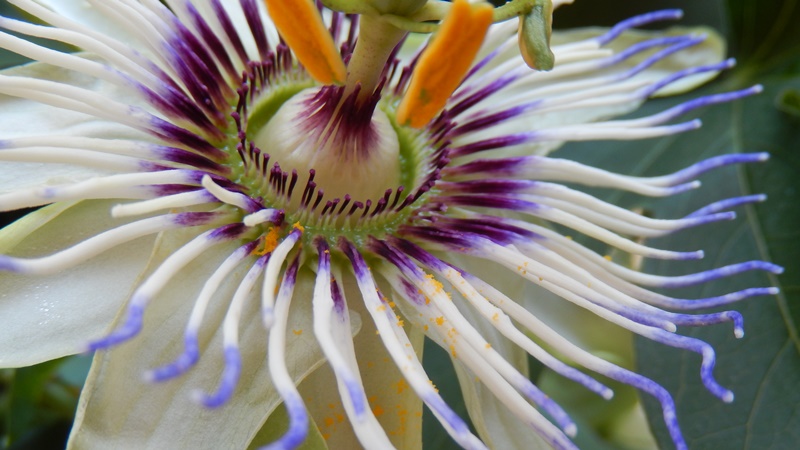
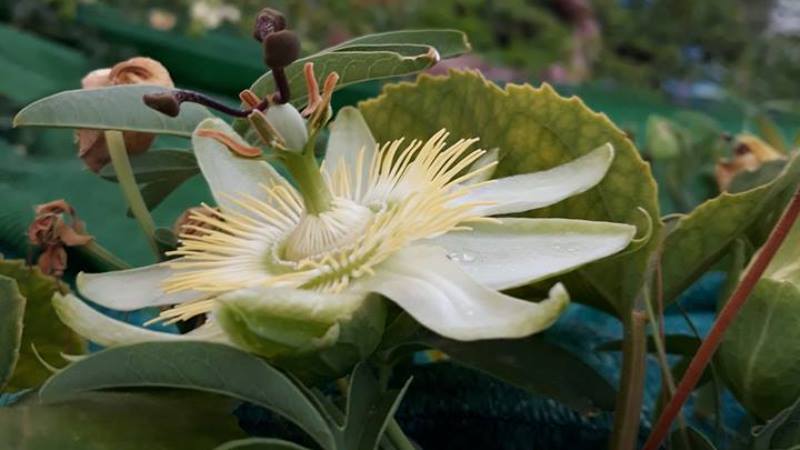
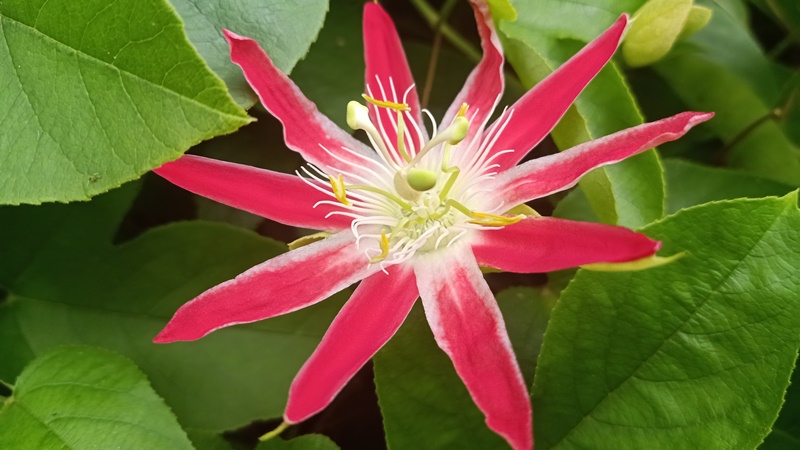
对园丁来说,协会最直接的两样东西是种子库和品种登记簿:前者让你能拿到别人不容易获得的种子,后者让你种出来的植株能有一个正式的名字,而不只是苗圃里随口起的名字。四张配图都是登记在册的栽培品种,花冠的颜色和条纹正是育种要挑选的特征。

A society set up to conserve a genus
Passiflora Society International, usually PSI, is an international body set up specifically to conserve the genus Passiflora. It states its mission plainly: to share knowledge of the genus, its species and cultivars worldwide, to promote the cultivation and propagation of living collections, to encourage the creation and registration of cultivars for their flowers, fruit and other characteristics, and to seek ways of ensuring the survival of endangered species and cultivars.
The society was founded by Ron Boender in Florida, where it was originally registered. Once its members and management were no longer predominantly US-based this became impractical, so in October 2019 two meetings of the membership completed a restructuring into an unincorporated association under English law, with membership terms and benefits carried over unchanged. There are now three ambassadors: the founder Ron Boender, the President John Vanderplank, and Maurizio Vecchia, whose lifetime work on classic cultivars is acknowledged in the appointment.
The President, John Vanderplank, has been working with passion flowers for decades. He ran his own nursery and collection in Britain from the 1980s, published Passion Flowers and Passion Fruit in 1991, took a PhD in 2001 for his work on the storage and conservation of Passiflora seed, and went on to become an Honorary Research Associate at the Royal Botanic Gardens, Kew. The society’s other two ambassadors are its founder Ron Boender and Maurizio Vecchia.
The one register for the genus
PSI’s strongest claim is an official one: the International Society for Horticultural Science has appointed it the International Cultivar Registration Authority, or ICRA, for Passiflora. The Management Committee appoints a Registrar to run it, currently Raphael Maier, consulting other experts as needed. The rules for naming are strict. Naming a cultivar after a living person requires their permission first, and the proposed name may not be in Latin nor be confusable with one already taken, so the registers have to be searched before submitting.
The register itself is published on the site, with both a compact index and a full-name index, each entry recording the female parent, the male parent and the breeder. The index states that it covers cultivars registered between 2003 and 2024 and now runs to number 307, with earlier cultivars being added progressively and later ones as they are approved.
Journal, newsletter and seedbanks
The society’s journal is Passiflora, which also carries the register, and there is an email newsletter alongside it. The reference library is unusually thorough, with online versions of the relevant works of Linnaeus, Hooker, Sims, Tillett and other botanists. The conservation side is not left at the level of literature either: PSI runs a grants programme funding practical work such as expeditions, study trips, visits to herbaria, attendance at conferences, cultivation in countries of origin, seed conservation and seed banks, and collaboration with local institutions.
The seedbank is run in two places, one in the United States and one covering Europe based in Germany, the split existing to reduce the practical and regulatory difficulty of shipping seed around the world. Access is tiered, with priority for paying members and standard access for basic members. Seed crosses borders as a commodity, and customs rules differ from country to country, so the society ships on standard terms and accepts no responsibility for what happens on arrival.
Membership and conferences
There are two levels of membership. Basic membership is free but has to be renewed every two years, and it gives standard access to the seedbanks, special offers on the printed and digital newsletter and register, the chance to attend meetings as an observer, and eligibility to be appointed a Special Officer. Premium membership costs $20 or $30 a year depending on the options chosen, and brings priority access to the seedbanks, free copies of the newsletter and any register published while a member, free downloads of back numbers, the right to bring a partner or family member to conferences, a vote at business meetings and elections, and eligibility to stand for the Management Committee and to become an Officer.
The society runs on subscriptions, sales and donations. The Management Committee is elected by premium members from among themselves and appoints the Officers, and the day-to-day work leans heavily on volunteers with expertise in cultivation, taxonomy, plant matters, IT or publishing. Conferences are held in different parts of the world each year, and the Palermo meeting of September 2026 has just taken place.
What the work comes down to
The practical picture is of two strands that support each other. On one side sit knowledge and records: the register, the reference library, the newsletter and the grants programme. On the other sit living material and exchange: the seedbanks and the meetings held around the world. Neither works alone, since conservation means very little without plants that can actually be propagated, and without systematic registration and literature nobody can later say what a particular piece of material actually is.
For gardeners the two things that matter most are the seedbank and the register. The first puts seed within reach that would otherwise be hard to obtain; the second means a plant you raise can be given a proper name rather than the name a nursery happens to use for it. The four photographs here are all registered cultivars, and the colour and banding of the corona is exactly the kind of characteristic the breeding work selects for.
相关文章:
 美国 牡丹协会 American Peony Society – 行业自律与服务组织
 英国仙客来协会 The Cyclamen Society – 成立于英格兰的仙客来专业组织
 欧洲山月桂协会 European Kalmia Society – 山月桂属植物学术团体
 美国 木兰协会 – 专注木兰品种保护与教育的国际非营利组织
 国际丁香协会 (International Lilac Society) – 每年五月召开丁香年会
 国际食虫植物协会 ICPS – 全球食虫植物权威组织与品种注册机构
 国际天竺葵科小组 IGG – 英国天竺葵科植物国际组织
 新西兰山茶花协会 – 新西兰山茶花栽培与评展公益团体
发表回复