

花园位置与地理
挪威 Klöva 自然花园 Klöva Naturträdgård 位于瑞典西海岸北博胡斯län(Norra Bohuslän)Idefjord 峡湾附近的一片低山峡谷之中, 占地约两公顷. 这一带的海岸基岩以花岗岩和片麻岩为主, 土壤偏酸, 巨石与裸露山石散布, 是野生林地植物群落的天然生境. Bengt 自 1990 年代起利用这片坡地, 把原本以石南、越桔和蕨类为主的本土植被保留下来, 再逐步引入适合酸性土壤的杜鹃花属与伴生乔灌木.
植物收藏与设计思路
花园的收藏重心是杜鹃花属(Rhododendron)物种与杂交种, 其中包含约 900 个栽培类型, 多以原生种之间的一代杂交(primary hybrid)为主, 例如 bureavii × rex、falconeri × macabeanum、wardii × scyphocalyx 等组合, 重点挑选叶片形态突出或花期偏晚的品系. 配植上选用枫树(Acer)、花楸(罗文树 Sorbus)和木兰(Magnolia)等高大乔木作上层骨架, 树下再分层栽植石南、越桔和各类蕨类, 让花灌木与本土林下植被自然交错. 种子与植株的原产地涉及中国、锡金、日本以及欧洲和北美的高山带, 与原生植被的搭配呼应了花园所在 Bohuslän 海岸林地的野生面貌.
苗圃业务与公开服务
花园同时也是一座面向杜鹃爱好者的专业苗圃(specialplantskola). Bengt 自 2010 年前后开始集中播种来自中国、日本和西藏山地的野生杜鹃种子(部分为野外采集, 标记为 cw), 经过三到五年培育后, 以小苗形式对外销售, 适合瑞典及北欧二至四栽培区. 苗圃每年四月至九月向访客开放参观, 同期也提供花园设计咨询、园林参观接待与杜鹃专题讲座, 主题覆盖野生杜鹃分布、伴生植物选择与本地气候下的越冬管理.
考察活动与学术合作
Bengt 多次参加北欧及斯堪的纳维亚地区植物学爱好者组织的山地考察. 2010 年 6 月, 一支由丹麦、挪威和瑞典爱好者组成的五人团队(包括 Bengt 本人)参与了代号 SBBE 2010 的滇西/藏东南山地植物考察, 路线沿云南西部连接湄公河与怒江的山脉展开, 沿途记录了大量杜鹃原生种群与伴生高山植物. 他本人同时是瑞典杜鹃花学会(Rhododendronsällskapet)和一般园艺爱好者协会的成员, 多次在园艺俱乐部活动上以云南之行及其它杜鹃产地的照片为主题进行讲座.
资源下载与延伸资料
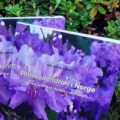
花园网站长期公开的 PDF 资料包括 2016、2021-2023 及 2022 年版《Klöva 植物名录 Växtförteckning》《Vaxtlista》, 以及 Bengt 撰写的《Rhododendron i Yunnan》考察记录和 2017-2018 年度《Rhododendron》苗圃目录, 详细列出当年在售的物种和杂交种名称、原产地海拔与种子来源(如野外采集 cw、GBT 等标记). 另有《hemtradgarden》《dn》《gp》《Annons_Tibet》等与杜鹃栽培和云南考察相关的小册子可供爱好者下载参考. 公开图片库则按花朵、叶片和园林整体三类组织, 是查阅该花园栽培实况和原生种叶形差异的重要视觉档案.
Location and Geography
Klöva Naturträdgård sits in a narrow low-mountain valley of northern Bohuslän on the west coast of Sweden, close to Idefjord, covering about two hectares. The coastal bedrock is dominated by granite and gneiss with acidic soils, scattered boulders and exposed rock faces that mirror the natural setting of wild woodland plant communities. Bengt has worked the site since the 1990s, retaining the original heath, bilberry and fern ground layer while introducing rhododendrons and complementary woody plants suited to the same acidic conditions.
Plant Collection and Design Approach
The core collection is built around species and hybrids of Rhododendron, numbering roughly 900 cultivated kinds. Most are primary hybrids between species, such as bureavii × rex, falconeri × macabeanum and wardii × scyphocalyx, chosen for distinctive foliage or later flowering. Maples (Acer), rowans (Sorbus) and magnolias form the upper canopy; underneath, heathers, bilberries and ferns occupy the woodland floor, so that flowering shrubs sit naturally within a Scandinavian coastal heath matrix. Propagation material traces back to wild sources in China, Sikkim, Japan, Europe and North America, linking the garden directly to the natural range of the genus.
Nursery and Public Services
The garden also operates as a specialist rhododendron nursery (specialplantskola). Bengt concentrates on raising seedlings from wild-collected Chinese, Japanese and Tibetan seed (marked cw when field-collected), grows them on for three to five years, and sells young plants suited to Swedish and Nordic hardiness zones 2-4. The nursery is open to visitors from April through September, and Bengt offers garden design advice, garden visits and lectures on rhododendron cultivation, companion planting and winter care under Nordic coastal conditions.
Expeditions and Affiliations
Bengt has joined several Scandinavian botanical treks over the years. In June 2010 he was part of a five-person SBBE 2010 expedition through the mountains of western Yunnan and the Tibet border region, travelling along the ranges that link the Mekong and Salween rivers. The team documented wild rhododendron populations and their companion flora across the trek. He is a member of the Swedish Rhododendron Society (Rhododendronsällskapet) and of general amateur gardening associations, and regularly gives illustrated talks on Yunnan and other rhododendron regions at club meetings.
Downloads and Further Resources
The garden’s website hosts a long-running archive of PDFs, including the 2016, 2021-2023 and 2022 editions of the Klöva plant lists (Växtförteckning and Vaxtlista), Bengt’s account of the Yunnan trek (Rhododendron i Yunnan) and the 2017-2018 Rhododendron nursery catalogue, which list current species and hybrids together with seed origins (cw for wild collections, GBT for garden-collected material and so on). Additional brochures such as hemtradgarden, dn, gp and Annons_Tibet cover cultivation topics and the Tibet trip in more detail. A public photo gallery organised into flowers, foliage and garden-wide views serves as a visual archive of the plantings and of leaf-form variation among the wild-origin rhododendrons grown on site.


发表回复