
家族沿革与苗圃建立
Fleurolex Vitroplant Production srl 是比利时列日省南部阿登区的家族企业, 1992 年由 Roland Kersten 在费里耶尔 (Ferrières) 创办, 自创立之初就专注杜鹃花科 (Ericaceae) 植物的繁殖与栽培, 不做其它类目。最初苗圃规模有限, 全部依赖传统扦插与移栽技术, 主要面向本地园艺爱好者销售成品杜鹃。2012 年苗圃扩建了约 1000 平方米的新温室, 并搭建起一套完整的组培 (micropropagation in vitro) 实验室, 业务重心随之转向幼苗工厂化生产。如今苗圃每年向欧洲专业苗圃出口大量组培幼苗, 同时仍维持面向个人爱好者、花园承包商和园艺中心的成品植株小批量供应。
产区环境与基质条件
苗圃位于比利时列日省 (Province de Liège) 南部费里耶尔 (Ferrières) 的 Lognoul 31 号, 海拔与气候都属于典型的高地阿登区, 凉爽湿润, 土壤偏酸, 自然条件非常接近杜鹃花科植物的原生环境。苗圃所有植株均以 3 至 7 升容器栽培, 容器内使用酸性泥炭混合基质, 配比根据植物种类微调。地址位于阿登腹地也让苗圃远离工业污染源, 灌溉用水取自周边山泉, 电导率低, 适合杜鹃这类对盐分敏感的植物。
主打产品与年产规模
苗圃主攻三大类杜鹃花科植物: 大花杂交杜鹃 (Rhododendron hybride à grandes fleurs)、落叶黄花杜鹃 (Azalée mollis, 即 Azalea mollis) 与宽叶山月桂 (Kalmia latifolia), 全部由组培自繁, 不外购幼苗。常年维持 200 至 250 余个栽培品种, 涵盖 yakushimanum、williamsianum、catawbiense、insigne、nain (矮型) 等不同杂交系, 花期从三月中旬延续至七月上旬。2012 年组培实验室建成后, 幼苗年产量大幅提升, 出口至欧洲多国的专业苗圃。成品植株则继续以限量方式在苗圃现场销售, 每年的库存清单会在网站 PDF 中公布。
栽培技术与组培流程
苗圃全部植株走组培快繁路线, 流程分四步: 启动期从母株切取茎尖, 在无菌条件下引入培养基; 增殖期通过连续微扦插让小苗数量倍增; 生根期将微插穗转入含激素培养基诱导生根; 炼苗期将小植株移栽到酸性基质中, 在温室里逐步适应外部环境。由于全程组培, 苗圃植株不产生根蘖, 不会像嫁接苗那样从砧木抽生萌蘖, 长势与花期表现整齐一致。苗木出圃前会在温室阴凉过渡区再适应一段时间, 之后再发往客户。
销售方式与对外开放
成品植株采取限量直销, 顾客需到访苗圃现场选购, 苗圃每年春末举办开放日 (Portes ouvertes), 一般安排在五月连续两个周末, 顾客可集中挑选并享受折扣。专业客户的幼苗订单通过单独渠道处理, 不在零售页面展示库存。苗圃在非开放时段接受电话或邮件预约到访, 公司地址、电话 (+32 (0)86 388 870) 与邮箱 (info@rhododendron.be) 均对外公开。此外苗圃还设有度假小屋 Gîte Azalée, 让访客可以住在苗圃中央, 体验沉浸式的植物环境。
Founding and Family Background
Fleurolex Vitroplant Production srl is a family-run nursery in the Belgian Ardennes (Province de Liège), founded in 1992 by Roland Kersten at Ferrières. From the start it focused exclusively on the propagation and cultivation of Ericaceae plants — rhododendrons, deciduous azaleas and Kalmia latifolia — with no other crops. In its first decade the nursery relied on conventional cutting and potting, supplying finished plants mostly to local hobbyists. In 2012 a roughly 1,000 m² greenhouse extension was added together with an in-vitro micropropagation laboratory, shifting the business towards large-scale young-plant production for professional growers across Europe while still keeping a limited collection of finished plants for retail customers.
Site and Growing Conditions
The nursery sits at Lognoul 31, 4190 Ferrières, in the southern part of the Province de Liège, in the Belgian Ardennes. The altitude and climate here are typical of the high Ardennes — cool, humid and acidic — and naturally close to the conditions Ericaceae prefer. All stock is grown in 3 to 7 litre containers filled with an acidic peat-based substrate, with mix ratios adjusted by species. Being in the heart of the Ardennes keeps the site away from industrial pollution, and irrigation water is drawn from local springs with low conductivity, suitable for salt-sensitive rhododendrons.
Crop Range and Annual Output
The nursery specialises in three Ericaceae lines: large-flowered hybrid rhododendrons (Rhododendron hybride à grandes fleurs), deciduous azaleas (Azalea mollis) and mountain laurel (Kalmia latifolia), all raised in-house from tissue culture — no bought-in young plants. The collection holds 200 to 250-plus cultivars covering yakushimanum, williamsianum, catawbiense, insigne and dwarf (nain) hybrid groups, with a flowering season stretching from mid-March into early July. After the 2012 lab build-out, young-plant output increased substantially and is now exported to professional nurseries across Europe, while finished plants continue to be sold on-site in limited quantities and listed in a PDF stock list.
Propagation Technique and Micropropagation Pipeline
All plants are produced through in-vitro micropropagation in four stages: initiation, where a shoot is taken from a mother plant and prepared for sterile culture; multiplication, where micro-plantlets are repeatedly micro-cut to multiply stock; rooting, where micro-cuttings are transferred to a hormone-containing medium to induce roots; and acclimatisation, where plantlets are potted into an acidic substrate and gradually weaned under greenhouse conditions. Because the entire pipeline is in-vitro, plants do not produce root suckers or graft re-shoots, so growth and flowering stay uniform. Before leaving the nursery, plants spend a further shade-house acclimation period.
Sales Channels and Open Days
Finished plants are sold in limited quantities directly on site, with visitors invited to choose in person during the annual open days (Portes ouvertes), usually held over two consecutive weekends in May, with a discount offered during the event. Wholesale young-plant orders are handled through a separate professional channel and not shown on the retail stock page. Outside open-day hours, visits are possible by appointment via phone (+32 (0)86 388 870) or email (info@rhododendron.be), all listed publicly on the website. A holiday cottage, Gîte Azalée, is also available on the property for guests who want to stay immersed in the nursery.
相关文章:
 美国 隐藏花园苗圃 Hidden Acres Nursery – 俄勒冈州内规模靠前的大型杜鹃专营销售园之一
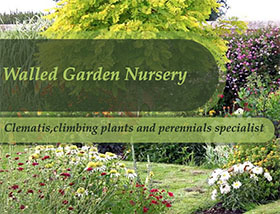 英国 围墙花园苗圃 – 种苗生产与销售
 美国 Henning的常绿杜鹃和落叶杜鹃 – 个人杜鹃花专题资源站
 法国 Stervinou 苗圃 – 法国西部山茶杜鹃专类苗圃
 德国 Hobbie 杜鹃公园和苗圃 – 德国最大杜鹃花专类公园
 美国华盛顿州Chimacum Woods原生杜鹃保护苗圃 – 美国濒危杜鹃保护跨地理平台
 德国 Elsner PAC 花卉公司 – 1881年成立的德国天竺葵育种与生产企业
 美国 唱歌树花园苗圃 (Singing Tree Gardens Nursery) – 加州红木带北岸专精植物苗圃
发表回复