

霍森斯郊外的一座私人花园
创意花园在丹麦日德兰半岛东部的霍森斯郊外,离城八公里左右,是一座对外开放的私人花园。园子的框架在 1995 年到 1996 年之间定下:当时接手的是一块四千二百五十平方米的缓坡地,地上长着许多高大的遮荫乔木和灌木,地是好的,只是园子的内容还空着。
接下来的三年,园子一点点建起来。挖了池塘,伐掉一批树,在园中堆放石料,这些石料与园子本身的材料——树干、树桩——搭配着用。两条水道穿过园子,最后汇入水塘。园方自述挖了三处池塘,目的地旅游资料则记成两处湖泊;石料的重量,园方记作九百吨,丹麦园林协会的清单里写的却是九吨。
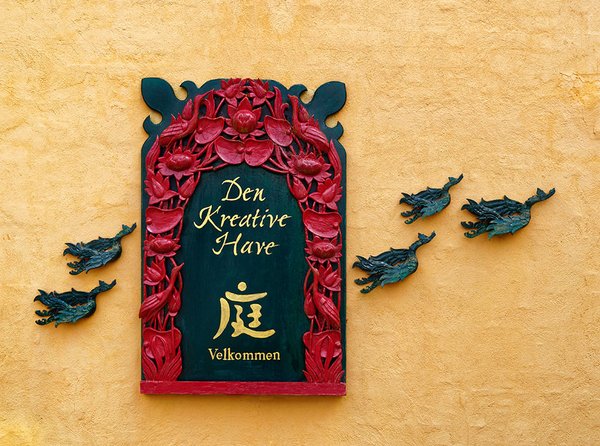
如今园子的骨架已经填满,但园主没有停在这里,新的细节还在陆续添上。园里的红色木牌上写着园名,牌子下面还刻着一个汉字「庭」。
四座自己设计自己建的塔楼
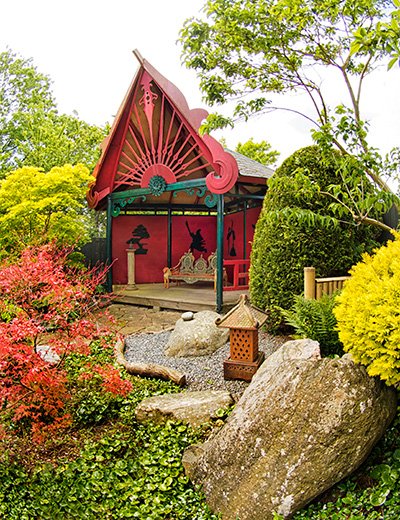
园中四座日式塔楼用传统的红、绿两色,塔身上带着大量来自东方的木刻。四座塔楼从设计到建造都是园主自己完成的,塔楼里摆着椅子和小桌,供人坐下来歇一歇。
站在不同的塔楼之间看,同一个园子会显出不同的景致。水声、树影和石块之间,园子有一种特别的安静,这是园主造园时想要留下的东西。
用丹麦的材料做日式的园子
日式园子讲究借自然界的元素入景,这座花园借的是形式,用的却是丹麦本地的材料和植物。园主想造出日本禅园那种安静,让走进来的人能坐得住。
园中的颜色主要来自灌木和树木的叶色,其中最显眼的是约五十株鸡爪槭。另外还有一批乔木和灌木按盆景的手法修剪成造型,园方自述约七十株,旅游资料则记为约五十株,数目上两种说法略有出入。
园主和他的画
园主约翰一辈子在创作上花心思。他早年在广告行业做事,对形式和颜色怎么在简单的信息里起作用感兴趣。业余时间,他对自然的兴趣和对自然色彩的着迷都落到了这座花园里。
画室也设在园中,所以下雨天他就在屋里画画。在园中他也琢磨形式与颜色,再把想法搬到画布上,花的力气和修盆景树时一样。
后来他尝试用金属丝、网一类材料做出立体的画作,把粗朴和精确放在一起看。他画画的题材从抽象到带幻想色彩的写实风景、房屋和人物都有,贯穿始终的是强烈而清楚的配色。园子之外的村里还有一间私人画廊,展出他的作品。
开放时间、门票和一座奖
花园从五月中旬开放到九月中旬,每天十点到十八点,也可以事先约时间。花园备有有限的餐饮,园外可以吃些自己带来的东西、喝杯咖啡。门票成人五十克朗,十岁以上的孩子十克朗,旅游资料另注明十岁以下的孩子免费。
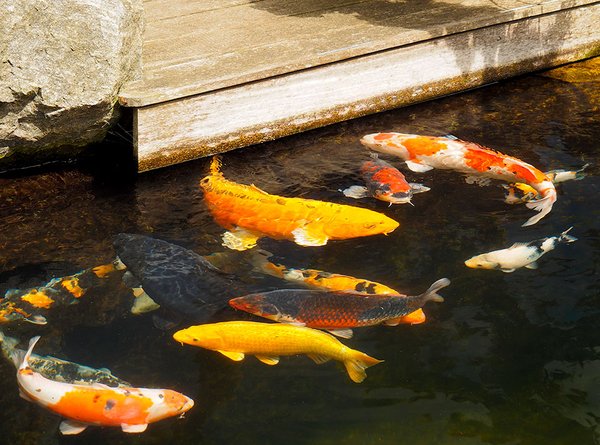
丹麦的一本家居杂志曾把这座花园评为丹麦最美的私人花园,2006 年由读者投票选出,2016 年又评了一次。园子的网页上还放着一段从空中飞过园子的画面,出自当地报纸;另有三段视频介绍这里。丹麦锦鲤俱乐部和另一间艺术画廊,也都列在园子给出的相关链接里。
A private garden outside Horsens
Den Kreative Have lies in the village of Haldrup, a few kilometres outside Horsens in the eastern part of Jutland, and is a private garden open to the public. The framework was set between 1995 and 1996: what came with the land was a gentle slope of 4,250 square metres carrying tall shade trees and shrubs, a good setting with nothing yet in it.
The garden was built up over the following three years. Ponds were dug, trees were felled, and stone was set around the garden, mixed with the materials already on site, tree trunks and stumps. Two watercourses run through and end in the ponds. The garden counts three ponds where the regional tourist guide gives two lakes, and puts the weight of the stone at nine hundred tonnes where the Danish garden society’s list says nine.
The frame is filled in now, but the owner has not stopped, and new details keep arriving. A red board at the garden gate carries the name, and below it a Chinese character.
Four pagodas the owner designed and built himself
The four Japanese pagodas in the garden are painted in the traditional red and green, with a good deal of wood carving from the East. John designed and built all four himself, and inside them there are chairs, tables and benches to sit down on.
Seen from between different pagodas, the same garden shows different views. Water, shadow and stone combine into a particular quiet, which is what the owner set out to make when he laid the garden out.
A Japanese garden made with Danish materials
A Japanese garden borrows its elements from nature, and this one borrows the form while using materials and plants that grow in Denmark. The owner wanted the calm of a Japanese meditation garden, somewhere a visitor can sit down and stay.
The colour in the garden comes mostly from shrubs and the leaf of the trees, with about fifty Japanese maples the most obvious part of it. Another set of trees and bushes are clipped as topiary, in the bonsai manner; the garden puts that at around seventy, the tourist guide at around fifty.
The owner and his paintings
John has spent his life on creative work. He began in advertising, interested in the way form and colour carry a simple message. In his spare time his interest in nature, and in the play of colour in it, went into this garden.
His studio is here too, so when it rains he paints indoors. In the garden he also works on form and colour and then carries the ideas over to the canvas, with the same effort he puts into shaping a bonsai.
He later began experimenting with a three-dimensional expression, using wire, netting and similar materials, and set the roughness of that against a precision that comes close to pedantic. His subjects run from the abstract to naturalistic fantasy landscapes, houses and people, with strong clear colours running through. Outside the garden, his work is also shown in a private gallery in the village.
Opening hours, admission and an award
The garden opens from mid-May to mid-September, daily from ten in the morning until six in the evening, or by arrangement. There is limited food and drink, and visitors can enjoy something they have brought with them outside the garden. Admission is fifty kroner for adults and ten kroner for children over ten, and the tourist guide lists children under ten as free.
The Danish home magazine Bo Bedre named the garden Denmark’s most beautiful private garden, voted for by its readers in 2006, and named again in 2016. The garden’s own web page carries a flight over the garden from the local paper, and three further videos introduce the place. The Danish koi club and an art gallery are both listed among the links the garden gives.
相关文章:
 丹麦 文化俱乐部 The Danish Club – 丹麦三百余座历史宅邸与花园
 丹麦 比克高登家庭公园 Birkegårdens Haver – 五座花园与最大日本庭园
 丹麦 日本庭园 De Japanske Haver – 从京都带回日本的造园师
 丹麦 彼得·汉森花园 Peter Hansens Have – 北欧最大私人植物收藏园之一
 丹麦 Lille Malunds Have 花园 – 欧洲日德兰中部典型的英式家庭花园
 丹麦 布兰斯花园 Blanshaven – 746 种植物与珊瑚石灰岩园
 爱尔兰湖山花园 Lakemount – 科克私人花园
 丹麦欧登塞 Eriks Oase 花园 – 1984 年建园的私人参观与远足花园
发表回复