
一个从 1830 年延续下来的协会
丹麦园艺协会在本地分部的页面上写作 Det Danske Haveselskab,杂志和大多数网页用简称 Haveselskabet。最早的那个前身叫 Det Kongelige Danske Haveselskab,协会自己出版的协会史把起点定在 1830 年,作者是 Louise Skak-Nielsen。
现在的协会是 2008 年 1 月 1 日三家合并的结果。合并之前丹麦有三个园艺团体,最早的成立于 1830 年,另两个分别成立于 1873 年和 1888 年。丹麦国家百科 Lex 称合并后的协会是全球第二古老的园艺社团,只排在 1804 年成立的英国皇家园艺学会后面。
地方分部遍布全国。2023 年 4 月的会员代表大会通过了新的组织结构,从 2024 年起改成每个市镇设一个分部,会员按自己居住的市镇归入对应的分部。
协会写下的价值有四条:共同体的意义,专业上的严谨,给自然和生物多样性留出余地,以及园艺本身的乐趣。
会员、分部与治理
协会自己的首页列出几个数字:会员 2.5 万名,分散在全国各地;地方分部有 500 名志愿者;当前排着 140 场活动;431 座开放花园在开放名单上。维基百科条目和协会的领英页面写的会员数是 3 万名,和首页的数字对不上。
最高权力机构是会员代表大会,各分部按本部门会员人数选代表出席。代表大会选出八人组成的主席团,主席团再任命执行主任,主任是秘书处日常运营的负责人。
主席团最多另外增补一到两名有专门能力的成员。最近一次年度会员代表大会在 2026 年 4 月 18 日召开。
秘书处设在大哥本哈根的 Søborg,负责出版杂志、维护网站、发行电子简报和社交媒体内容,也管咨询、会员服务和账目。
HAVEN 杂志和网站内容
会员杂志叫 HAVEN,协会自述是丹麦最好的园艺杂志。第一期是 1901 年,刊名写作《Haven — Medlemsblad for de samvirkende danske Haveselskaber》,是几家丹麦园艺社团的联合会刊。
杂志现在由协会自己出版,一年 8 期。纸质版用通过森林认证的纸印刷,承印的印刷厂带 Swan 环保标志;每期还会标出一种对传粉昆虫友好的植物,并说明推荐它的理由。
会员分两档:PLUS 可以在手机应用里读电子杂志,PREMIUM 另加纸质杂志送到家,在线版可以回看两年。会员参加活动、在商店买书和园艺用品都有折扣。
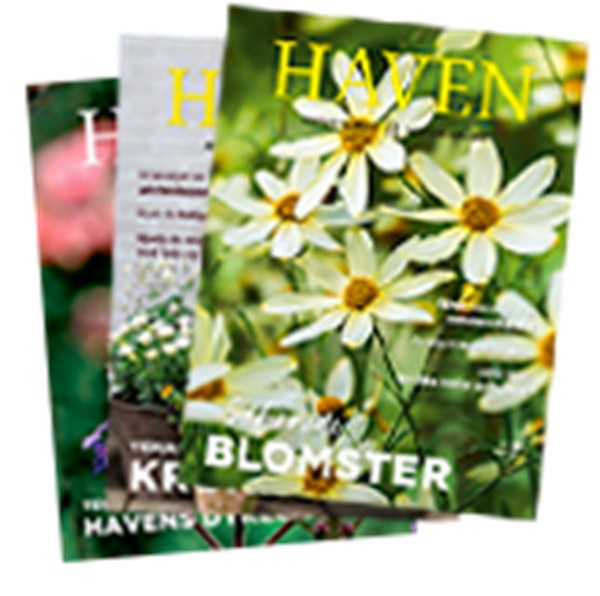
网站上的文章库分成六个大主题,普通访客只能看一部分文章,会员可以看到全部。协会还出版园艺书籍,其中关于玫瑰的《Rosenglæde》按选购、栽种、养护、修剪和品种推荐逐条写给新手。
活动、开放花园与花园展
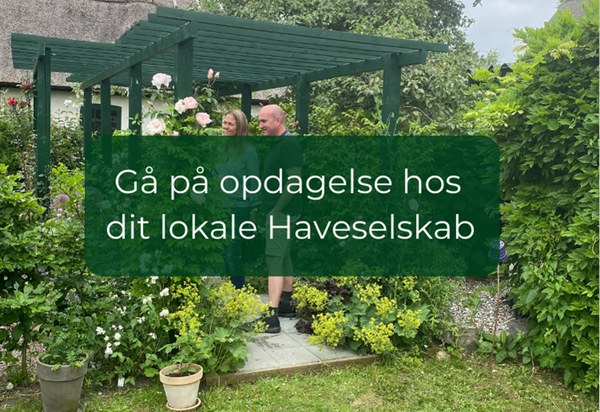
活动主要由地方分部张罗,形式包括讲座、去别人花园参观、工作坊和课程。线上讲座由协会统一安排,园艺旅行也在名单上,例如去英国的科茨沃尔兹、瑞典、博恩霍尔姆和德国。
开放花园项目登记愿意接待访客的私人花园,首页列出的数目是目前有 431 座。搜索可以按开放时段、地区和兴趣来筛,只想找温室或关注生物多样性的访客,可以只留下符合的花园,地图上会标出每座花园的位置。
园艺展方面,协会在 2017、2019 和 2022 年办过三届 Cph Garden,自己称它为丹麦最大的园艺展,定位是园艺爱好者的民间大会。协会的页面上写着,目前没有新的举办日期定下来。
园艺小组是另一类常设活动,最早的一批至今还在,小组里谈的不只是花草。活动的列表页可以按兴趣、地区、类型和时间筛选。
公益项目与对外发声
协会每年挑一个公益项目作为当年的重点,自己出 2 万克朗,另外请会员每人捐 200 克朗。
今年募的是「一个绿色的呼吸空间」,地点在 Aalborg 医院的肿瘤科病房。
往年做过的项目有:为退伍军人建一座花园,给叙利亚难民建一座多种文化的菜园,修复一座历史菜园,还有给处境困难的年轻人布置一间园艺谈话室。
协会也替园主说话。比如欧盟要求所有果树品种登记在册之后才能买卖,协会认为这笔成本不该由园主个人承担,呼吁政府出面,并主张为整个欧盟建一个统一的品种登记库;协会另外还做了气候友好花园的主题页。
An association with roots going back to 1830
The Danish Horticultural Society is written Det Danske Haveselskab on the pages of its local branches, while the magazine and most of the website use the short form Haveselskabet. The oldest of the three bodies that merged into it was called Det Kongelige Danske Haveselskab. The association’s own history, published by the society, dates the start to 1830 and was written by Louise Skak-Nielsen.
The present association came into being on 1 January 2008, when three Danish garden societies merged. The oldest of them was founded in 1830, the others in 1873 and 1888. Denmark’s national encyclopedia, Lex, counts the merged society as the second oldest horticultural association in the world, after the Royal Horticultural Society founded in Britain in 1804.
Branches are spread across the country. A new organisational structure was approved by the members’ representative assembly in April 2023 and takes effect from 2024, with one branch in each municipality and members belonging to the branch of the municipality where they live.
The society sets out four values: the sense of community, rigour in professional matters, room for nature and biodiversity, and the pleasure of gardening itself.
Members, branches and governance
The society’s own front page lists some figures: 25,000 members spread over the country, 500 volunteers in the local branches, 140 events currently scheduled and 431 open gardens on the list. The Wikipedia entry and the society’s LinkedIn page give 30,000 members, which does not match the figure on the front page.
The members’ representative assembly is the highest authority. Branches send representatives in proportion to their membership. The assembly elects a main board of eight, and the board appoints the director, who is the senior administrative manager of the secretariat.
The board may add one or two members with particular expertise. The most recent annual representative assembly was held on 18 April 2026.
The secretariat is based in Søborg, greater Copenhagen, and is responsible for publishing the magazine, running the website, sending out newsletters and social media content, and handling advice, member service and the accounts.
The HAVEN magazine and the article library
The member magazine is called HAVEN, which the society describes as Denmark’s best garden magazine. The first volume appeared in 1901, under the title Haven, Medlemsblad for de samvirkende danske Haveselskaber, a joint bulletin for the cooperating Danish garden societies.
The society publishes it itself and brings out eight issues a year. The printed copy is made on certified paper and printed at a shop carrying the Swan ecolabel. Each issue also marks a plant that is good for pollinating insects and explains why it was picked.
There are two membership tiers. PLUS gives access to the magazine in an app, PREMIUM adds the printed magazine sent to the door, and the digital edition can be read two years back. Members pay less for events and get a discount on books and garden supplies in the shop.
The article library on the website is divided into six main areas. Visitors see part of it, members see all of it. The society also publishes garden books, and the one on roses, Rosenglæde, works through choosing, planting, caring for and pruning roses, with a list of varieties for the newcomer.
Events, open gardens and the garden show
Most events are put on by the local branches: talks, visits to other people’s gardens, workshops and courses. The society arranges webinars centrally, and garden trips are on the list too, such as trips to the Cotswolds in England, Sweden, Bornholm and Germany.
The open garden scheme registers private gardens that are happy to receive visitors, and the front page lists 431 of them at present. The search can be narrowed by the opening period, by region and by interest, so a visitor who wants glasshouses or biodiversity can filter down to gardens that match. The map marks the position of each garden.
On the garden show, the society ran three editions of Cph Garden, in 2017, 2019 and 2022. It calls the show Denmark’s largest garden show and frames it as a folk gathering for garden people. The society’s own page notes that no new date is planned at present.
Garden groups are the other standing kind of activity, and some of the earliest are still running. Plenty besides plants and borders is discussed there. The events page can be filtered by interest, area, type and time.
Public-benefit projects and advocacy
Every year the society picks one public-benefit project as its focus, puts in 20,000 kroner of its own and asks members to give 200 kroner each.
This year the money is going to a green breathing space on the oncology ward at Aalborg Hospital.
Earlier projects have included a garden for veterans, a multi-cultural kitchen garden for Syrian refugees, the restoration of a historic kitchen garden, and a room for gardening conversations for young people with difficulties.
The society also speaks for garden owners. It notes, for example, that the EU requires every fruit tree variety to be registered before it can be sold, argues that the cost should not fall on individual gardeners, and calls for a single register of varieties for the whole EU. The society also runs a topic page on climate-friendly gardens.
相关文章:
 美国 Whatcom 园艺协会 – 沃特科姆县家庭园艺爱好者组织
 美国 园艺协会 National Gardening Association – 1971年成立的美国非营利园艺推广组织
 丹麦 高山植物协会 DAH – 丹麦高山园艺爱好者团体
 丹麦 全国实用生态学会 Landsforeningen Praktisk Økologi – 自办唯一无农药园艺刊的团体
 英国园艺杂志The English Garden – 英国花园文化与园艺杂志
 爱尔兰花园植物协会 – 研究、发现与培育爱尔兰本土植物
 荷兰 Groei & Bloei 观赏植物种植协会 – 西欧规模最大的园艺爱好者组织之一
 美国 杜鹃花协会丹麦分会 – 美国杜鹃花协会体系下历史最悠久的丹麦分会
发表回复