
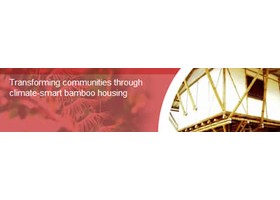
唯一总部设在中国的政府间国际组织
国际竹藤组织(International Bamboo and Rattan Organization,简称INBAR)成立于1997年,是全球竹藤领域最具影响力的政府间国际组织。INBAR是目前全球唯一一个将总部设在中国、主要管理职能设在北京,同时在厄瓜多尔、埃塞俄比亚、加纳和印度设有四个区域办事处的国际机构,其独特的治理结构使其能够在全球竹藤资源最丰富的地区开展实质性工作。目前INBAR拥有50余个成员国,是竹藤领域国际合作的核心平台。
全球竹藤资源与贸易平台
竹藤是全球最重要的非木材林产品之一,全球约有30亿人口依赖竹藤资源为生。INBAR通过搭建政府间合作平台,将来自五大洲的成员国政府、私营部门和科研机构联结起来,共同推进竹藤资源的可持续经营与利用。组织定期发布全球竹藤贸易数据和可持续经营指南,为各成员国制定竹产业政策提供科学依据。
可持续发展与绿色经济
INBAR在推动竹藤绿色经济发展方面发挥着关键作用。竹子生长迅速、可降解、可替代木材,被广泛用于建筑材料、地板、家具、纺织品和生物质能源等领域。INBAR推动的竹缠绕复合材料技术,可部分替代钢管和塑料管材,已在中国等多个国家实现规模化应用。竹子还是重要的碳汇植物,每公顷竹林的固碳效率是同等面积热带雨林的两倍以上。
南南合作与技术推广
INBAR积极推动南南合作,帮助发展中国家将竹藤资源转化为经济效益。组织在非洲、拉丁美洲和亚洲开展了一系列能力建设项目,向当地社区传授竹子栽培、竹制品加工和营销技能。在埃塞俄比亚,INBAR协助当地政府建立了竹产业示范项目,帮助山区农民增收;在厄瓜多尔,竹子已被纳入国家绿色经济发展战略。
国际政策与标准制定
INBAR是联合国可持续发展目标(SDGs)的重要合作伙伴,在联合国森林战略(UNSPF)和全球生物多样性框架中发挥积极作用。INBAR牵头制定的竹藤产品国际标准和可持续经营标准,已被多国采纳为国家标准或行业规范,在促进国际贸易的同时保障了资源的可持续利用。
The Only Intergovernmental Organization Headquartered in China
The International Bamboo and Rattan Organization (INBAR), established in 1997, is the world’s most influential intergovernmental organization for bamboo and rattan. With its headquarters in Beijing and four regional offices in Ecuador, Ethiopia, Ghana, and India, INBAR serves as the central platform for international cooperation in bamboo and rattan, connecting over 50 member countries across five continents in the sustainable management and utilization of these critical forest resources.
Global Bamboo and Rattan Resource Hub
Bamboo and rattan are among the world’s most important non-timber forest products, with approximately 3 billion people globally depending on them for livelihoods. INBAR bridges governments, private sector, and research institutions to advance sustainable bamboo and rattan management. The organization regularly publishes global trade data and sustainable management guidelines, providing member countries with scientific foundations for bamboo industry policy.
Sustainable Development and Green Economy
INBAR plays a pivotal role in promoting green economic development through bamboo and rattan. Bamboo’s rapid growth, biodegradability, and versatility make it an excellent alternative to timber, plastic, and steel—applications range from construction materials and flooring to textiles and biomass energy. INBAR has championed bamboo-based composite technologies, including bamboo缠绕 (bamboo-winding) pipes that replace steel tubes, now deployed at commercial scale across multiple countries. Bamboo forests also sequester carbon at twice the rate of equivalent tropical rainforests.
South-South Cooperation and Technology Transfer
INBAR actively facilitates South-South cooperation, helping developing countries convert bamboo and rattan resources into economic benefits. Projects across Africa, Latin America, and Asia have trained local communities in bamboo cultivation, product processing, and marketing. In Ethiopia, INBAR helped establish a national bamboo industry demonstration project; in Ecuador, bamboo has been integrated into national green economy strategies.
International Policy and Standard Setting
INBAR serves as a key partner in achieving the UN Sustainable Development Goals (SDGs) and plays an active role in the UN Strategic Plan for Forests and the Global Biodiversity Framework. The international product standards and sustainable management guidelines developed under INBAR’s leadership have been adopted by multiple countries, facilitating international trade while ensuring resource sustainability.
Website: https://www.inbar.int/
发表回复