

从图尔恩起步的家族园艺
Starkl 这个名字在奥地利园艺圈里不是新面孔。1912 年,Josef Starkl I. 离开图尔恩的苗圃学徒岗位,手里攒下的工钱在 Frauenhofen 租下 400 平方米的地,种切花玫瑰和黄杨。夏天的清晨他把剪下的玫瑰坐火车运到维也纳,交给城里的花店,剪下来的黄杨则用马车送到维也纳中央公墓。头几年谈不到什么生意,妻子 Maria Walter 做裁缝补贴家用,攒下的钱再一块地一块地买下来。
生意慢慢铺开。战争那几年改种果蔬保供,1919 年买下第一块属于自己的地,到 1935 年 Frauenhofen 的种植面积长到 14 公顷,能供的品种超过 500 个,还印出了带养护说明的价目表。1952 年 Josef I. 把手上的活交给 23 岁的儿子 Josef II.,自己也因为肺病在三年后过世。Josef II. 上手后把马拉的耕地换成了拖拉机,又很快买回两头 Haflinger 马,因为它们翻地更有感觉。1955 年出第一本彩色目录,1961 年去美国带回一台包装机,玫瑰苗从此能单株包装运往各地。他做出来的 Super Star 是第一个橙色调的玫瑰,也因此被人叫作图尔恩原野上的玫瑰王。
今天七家花园中心
1967 年是真正的转折点。Frauenhofen 的苗圃先改成自助式苗圃,又盖起一座 3000 平方米的遮雨大厅,奥地利第一家 Gartencenter 就这么开了起来,春天办展览,整个小镇挤满了从奥地利各地赶来看花的人。1973 年开了第二家,在 Vösendorf,营业面积 4000 平方米;1977 年第三家在 Aschbach 落成,邮购业务也一并搬了过去;1979 年接手维也纳 Simmering 的 Däneke 苗圃,成了第四家。
如今 Starkl 在奥地利有七家门店:Frauenhofen、Aschbach、Vösendorf、Pottendorf、维也纳 Simmering,加上 Maria Enzersdorf 的概念店 Starkl Quartier 和 Pfaffstätten 的 Starkl Loft,另外在捷克还有一家。Aschbach 那家在 2026 年重新翻新,棕榈屋旁边新开了一家叫 Das Pfau 的咖啡小馆,原来的四季花园改成了可以进去逛的 Erlebnisgarten。Maria Enzersdorf 的概念店由原来的家居店改造,主打少而精的植物和花器;Pfaffstätten 的 Loft 落在一座有两百年历史的旧厂房里,旁边 2026 年又新开了 Das Gartenhaus,主打餐饮。
花园设计这一摊生意
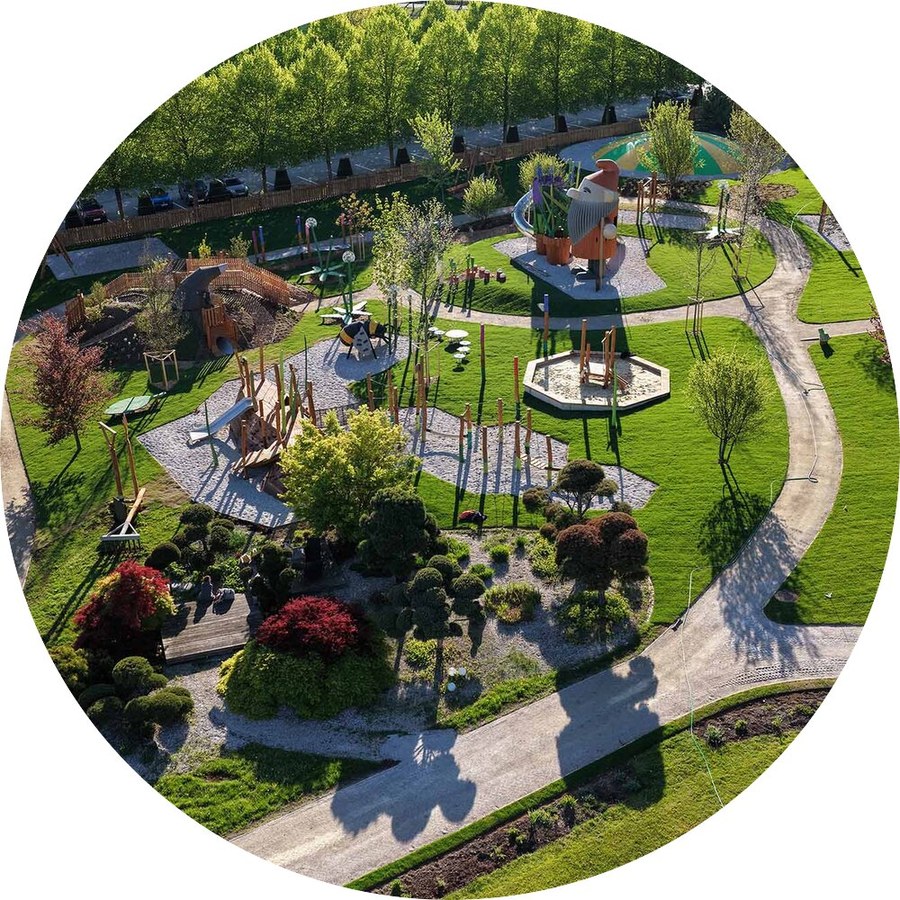
Starkl 有一支自己的 GartenarchitektInnen 团队,替客户做整园的规划。流程写得很清楚,一共五步:先约时间谈,园丁会在电话里先讲一遍大致做法;接着听客户的想法,第一次面谈可以在花园中心、也可以视频通话、也可以直接到现场;然后设计师出一份完整的 Gestaltungskonzept 和 Gartenplan;第四步是把方案摆出来一起改到定稿;最后一步客户自己选,可以交给专业团队施工,也可以自己动手种,团队能代做整备、栽种、草坪铺设和灌溉系统。
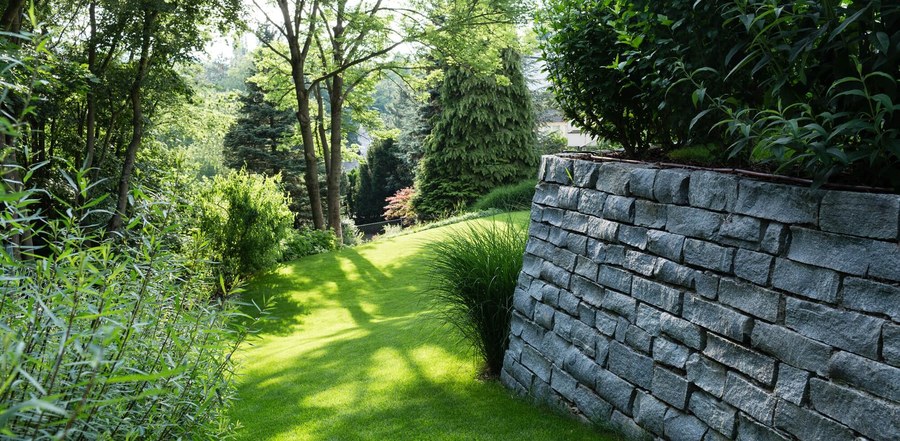
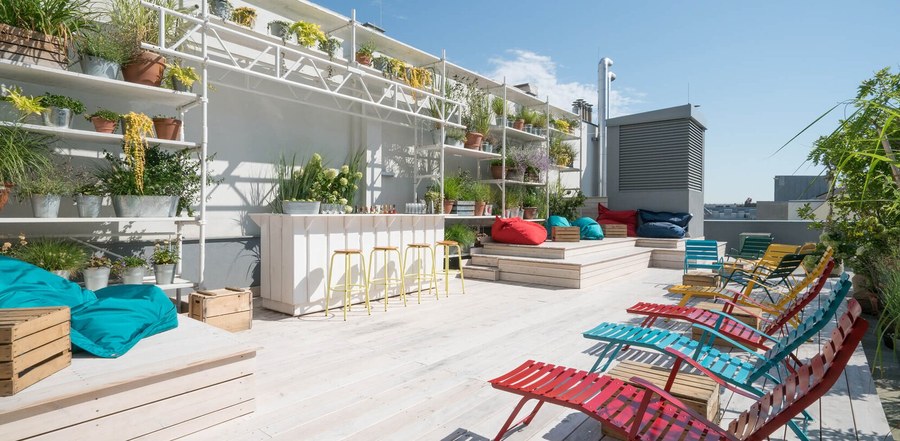
做过的项目从私人住宅到公共场所都有。私人这一头有 Vorstadtgarten、Hanggarten、Englischer Garten 这样的典型 suburban 庭院;商业和公共的有 Hotel-Terrasse 的屋顶露台、餐厅的露天园、办公室绿化、修道院餐厅的场地,还有街道绿化和地下车库顶上的绿屋顶。参考项目一共列了几十个,类型分得比多数园艺公司细。
服务、活动和园艺课程
门店不只卖苗。Stammkunden-Karte 常客卡每年给 3% 的消费返还券,还有几张专用优惠券和花园中心的植物服务;Auswahl und Beratung vor Ort 是现场挑选和养护咨询。秋天会出一本印得挺讲究的年度目录 Herbstkatalog,把当年值得看的植物配图收在里面。礼券分 5 欧、50 欧和 100 欧三档。
活动这一块办得比较密。Veranstaltungen 页面按门店和日期排,常见的有亲子做南瓜灯的 Bastelstation、跟 Susanne Richter 一起做的秋冬季辛香食材工作坊、烟熏和万圣节主题的 Räuchern 工作坊,还有用天然材料做圣诞礼物的场次。大部分活动不收费,报名也简单,多数时候直接到店就行。门前的 Erlebnisgarten 每个季度有主题活动,园子本身也可以当作课堂用。
交到第四代手上
Starkl 到今天传到了第四代。Josef I. 生前有四个孩子,Josef III.、Anton、Maria 和 Ludwig,1970 年代末兄弟姐妹四人先后进入公司,各管一摊。Josef II. 在 2005 年于捷克工作时过世,此后退居二线但一直没停止打理花园。2014 年 Pottendorf 接手了 Weber 苗圃改成复古花园中心,是家族第一次把门店完整交给下一代;2020 年 Maria Enzersdorf 的概念店、2021 年 Pfaffstätten 的 Loft 接着开业。2025 年秋又成立了一家控股公司 Starkl Pflanzen GmbH,由 Anna Starkl 出面,把家族各店的营销统筹起来,同时把面向奥地利、德国和意大利的邮购业务合并到一处。家族下一代现有 19 个孙辈、30 个曾孙辈。
A family nursery that started in Tulln
The Starkl name is not a new one in Austrian gardening. In 1912 Josef Starkl I. left his apprenticeship at a large nursery in Tulln, put the wages he had saved into 400 square metres of rented ground in Frauenhofen, and grew cut roses and boxwood. Each summer morning he took the cut roses on the train to Vienna to hand them over to the flower shops there, while the boxwood went to the Central Cemetery by cart. The first years brought little money, and his wife Maria Walter made up the difference as a dressmaker, so that enough could be put aside to buy more land.
The business gradually widened its base. During the war years the growing was turned over to fruit and vegetables to keep people supplied, and in 1919 the first plot was bought outright. By 1935 the growing area at Frauenhofen had reached 14 hectares with more than 500 varieties on offer, and a price list with care instructions was being printed. In 1952 Josef I. handed the business to his 23-year-old son Josef II., and died of lung disease three years later. Josef II. swapped the horse-drawn ploughing for tractors, then bought a pair of Haflinger horses back, because they had more feeling with the soil. The first colour catalogue came out in 1955, and a packaging machine brought back from America in 1961 meant rose bushes could be packed singly and shipped. His Super Star was the first rose in an orange tone, and it earned him the name of the rose king of the Tullnerfeld.
Seven garden centres today
1967 was the real turning point. The nursery at Frauenhofen was turned into a self-service nursery, and then a covered hall of 3000 square metres was built, making it the first Gartencenter in Austria. Spring exhibitions were held there, and the small town was suddenly full of visitors from all over the country. A second centre opened at Vösendorf in 1973 with 4000 square metres of selling space, the third followed at Aschbach in 1977 along with the mail order operation, and in 1979 the Däneke nursery in Vienna Simmering was taken over, giving them a fourth.
Starkl now runs seven in Austria: Frauenhofen, Aschbach, Vösendorf, Pottendorf, Vienna Simmering, plus the Starkl Quartier concept store in Maria Enzersdorf and the Starkl Loft in Pfaffstätten, with one more in the Czech Republic. The Aschbach site was completely renewed in 2026, with a new bistro called Das Pfau next to the Palmenhaus and the garden of the four seasons turned into an Erlebnisgarten that visitors can walk into. The concept store in Maria Enzersdorf came out of a former homewares shop and carries a smaller, more selective range of plants and containers, while the Loft in Pfaffstätten sits in a factory building two hundred years old, joined in 2026 by Das Gartenhaus, which concentrates on food.
The garden design side of the business
Starkl keeps its own team of GartenarchitektInnen who plan whole gardens for customers. The process is set out in five steps: arrange a time to talk first, with the planner explaining the general approach over the phone; then the customer puts forward what they want, with the first meeting held at the garden centre, by video call or on site; next the designers draw up a full Gestaltungskonzept with a Gartenplan; the fourth step is presenting the drafts and working through them together until the plan is final; and in the last step the customer chooses, either leaving the work to the professionals or doing it themselves, with the team able to take on preparation, planting, laying turf and installing irrigation.
The projects run from private houses to public sites. On the private side there are suburban gardens of the kind listed as Vorstadtgarten, Hanggarten and Englischer Garten; on the commercial and public side there is the Hotel-Terrasse rooftop, restaurant beer gardens, office greening, the grounds of the Stiftsrestaurant in Melk, street planting and a green roof over an underground car park. The reference list runs to several dozen projects and is sorted into more categories than most garden companies would bother with.
Service, events and gardening courses
The stores sell more than plants. The Stammkunden-Karte loyalty card returns 3% as a credit every year, along with a set of special vouchers and a plant service at the garden centre, and there is on-site help with selection and care through Auswahl und Beratung vor Ort. Each autumn brings a well-designed Herbstkatalog collecting the plants worth looking at that year, and gift vouchers come in 5, 50 and 100 euro versions.
The events programme is the busiest part. The Veranstaltungen page lists them by location and date, and the usual mix covers a Bastelstation where children make pumpkin lanterns, autumn and winter spice workshops with Susanne Richter, a Räuchern session for smoke and Halloween themes, and sessions making Christmas gifts from natural materials. Most of them cost nothing and signing up is simple, with plenty of them needing nothing more than turning up. The Erlebnisgarten next to the store runs themed activities through the year, and the garden itself is used as a classroom.
Handing it to the fourth generation
Starkl is now in its fourth generation. Josef I. had four children, Josef III., Anton, Maria and Ludwig, and in the late 1970s the four of them came into the business, each taking charge of one part of it. Josef II. died in 2005 while working in the Czech Republic and afterwards stepped back from the decisions, though he never stopped gardening. The first full handover came in 2014, when Ludwig Starkl jun. and his sister Stefanie took over the Weber nursery at Pottendorf and turned it into a vintage garden centre; the concept store in Maria Enzersdorf followed in 2020 and the Loft in Pfaffstätten in 2021. In autumn 2025 a holding company, Starkl Pflanzen GmbH, was founded under Anna Starkl to coordinate marketing across the family businesses and to bundle up the mail order for the Austrian, German and Italian markets. The family now counts 19 grandchildren and 30 great-grandchildren.
相关文章:
 西班牙 Viveros El Lago – 加的斯省十五年历史的家庭园艺中心
 美国 UMass CAFE 园艺中心 – 美国园艺科研与推广机构
 美国 天空苗圃Sky Nursery – 成立于60年代初,提供
 美国 哈斯的温室Haase’s Greenhouse – 提供从一年生植物到多年生植物,从花坛植物到吊篮,从蔬菜到香草的丰富品种
 荷兰 De Vossenberg苗圃 – 超过四十五年历史的造型树与日本花园植物专业苗圃
 丹麦 Jespers Planteskole 苗圃 – 丹麦最大的室内温室展示空间之一
 加拿大 梅森豪斯花园 – 面向园艺爱好者的特色植物供应商
 美国 T&L苗圃 – 致力于生产经得起时间考验的优质植物
发表回复