

从一块空地开始的苗圃
Daisy Roots 是赫特福德郡的一家小型苗圃,主营多年生宿根植物和观赏草。创办人 Annie Godfrey 原本是花园设计师,同时接零散的园艺活。九十年代中期她刚拿到设计师资格不久,一位客户请她帮忙打理自家大花园,那位客户手上还有一块空地,够建一个小而齐整的苗圃——于是 Daisy Roots 就这么开始了。
苗圃位于赫特福德这个郡治的郊外,从伦敦北部和 Home Counties 过来都顺路。创办人自己的说法很直接:自己动手围起客户田地的一角,把苗圃从地里一点点建起来。
现在是两人经营——Annie 和她的伴侣 Steve Machin,两人一起扦插、照料和销售植物。家里还有三条狗,Ivy、Violet 和 Mabel,负责迎接来客和处理鼠患。站上把这形容成「一场温暖而毛茸茸的欢迎」,这句话听着像玩笑,但英国独立苗圃的日常确实是这样的。
需要说明的是,站上把完整街道地址、电话和邮箱都公开列出。本站不转录这些内容,想联系请直接访问苗圃站。
不用电的苗圃,种的是耐旱植物
苗圃的自我定位里有两个词:健康、耐寒。做法上有一条规定让人印象很深——场地没有电。站上的原话是:大多数植物在户外过冬,任凭天气折腾;说到耐寒,他们强调「是真耐寒」。没有电意味着没有温室加温,也没有人工监控库存。
所有植物都是自己种出来的,在赫特福德郡本地繁育。Annie 自己在采访里说过,除了少数几个品种是买苗盘回来自己养大,其余全部由她亲手繁殖——从种子和扦插两条路来。这个前提也解释了为什么这家的植物到了你家院子里「服帖」:它们本来就是在英国这种天气里长大的,不是温室里调教出来的。
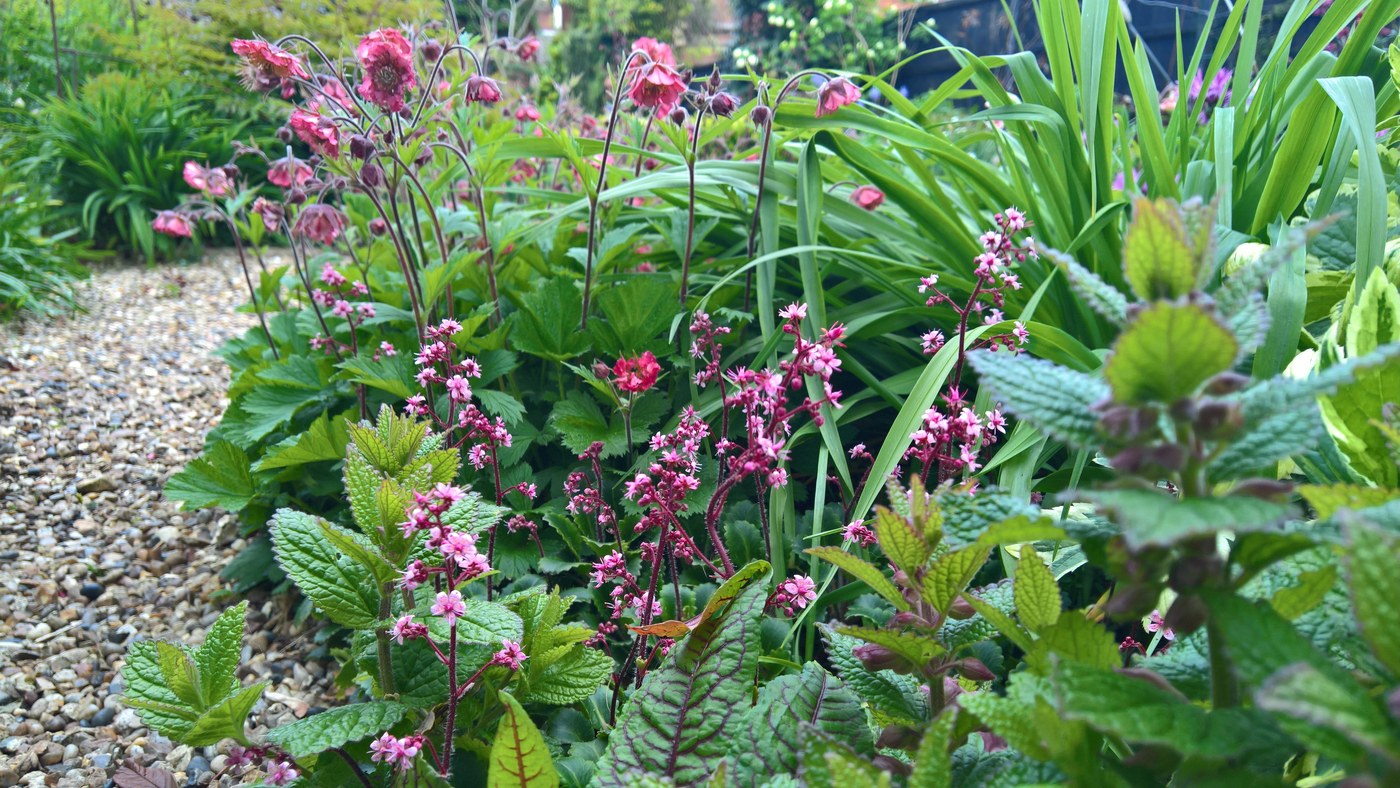
植物清单按字母分页,2026 年这一季列出的条目有 260 多个,覆盖 120 多个属。鸢尾属是其中最多的一类,此外还有鼠尾草、金鸡菊、玄参、松果菊、婆婆纳、柳叶菜、藿香、勋章花、观赏草等等。清单上的每个条目都带一段栽培说明,讲高度、花期、光照和土壤要求。
关于清单,站上有一句很实在的说明:苗圃人手有限,场地又没有电,手工盯库存太费时间,所以邮寄目录的品种缩减了;但很多顾客喜欢拿网站当参考工具,因此他们仍会把本季打算种的植物全部列出,附上描述和栽培要点。想买清单上的植物,邮件问一声,有货就寄。
切尔西花展的金奖是怎么来的
苗圃从 2006 年起参加皇家园艺学会的各类展会,2012 年第一次出现在切尔西花展。那一次他们做的是耐旱花园,展示 60 种耐旱植物,拿到银镀金奖。BBC 当年的报道里引了 Annie 的一段话:植物花了上千年适应各种条件,才长出应对干旱的办法——蜡质表皮反射阳光不让叶子过热,或者把叶子缩小以减少水分散失。
2017 年是转折点。那年苗圃在切尔西一举拿到金奖,这是她在任何展会上拿到的第一枚金奖。同一年的皇家园艺学会汉普顿宫花展和 BBC Gardeners’ World Live 上,苗圃也各拿了一枚金奖。2018 年切尔西再得金奖,成为连续两年在切尔西拿金。
她在采访里解释过为什么选耐旱这条路:安格利亚地区是英格兰最干旱的地方,限水令下照样能有一个好看的花园。2017 年在切尔西,评委给她的评语是表彰这组耐旱宿根和观赏草的陈列,品种全部由她自己在苗圃种出。2018 年的获奖展里,能看到的具体品种包括大花欧芹(Orlaya grandiflora)和『墨林』毛蕊花(Verbascum ‘Merlin’)。
苗圃之外的生意:讲课、花园和展会
苗圃主业之外有两条支线。头一条是讲座。Annie 为园艺俱乐部和园艺协会提供一组固定题目:《Good In Bed》讲哪些植物花期特别长、最划算;《Shady Characters》讲每个花园都有的阴角;《Some Like It Hot》讲全日照和干旱条件下能扛的植物;《Gardening with Grasses》讲观赏草怎么种才好看;《Autumn Fireworks》讲怎么把颜色留到霜冻前;还有《Winter Colour in the Garden》和《A Year at Daisy Roots》——后者是跟着一个苗圃人过完十二个月。《The Show Must Go On》讲参展的台前幕后。由于苗圃和参展的工作忙、日子长,她只在九月至次年三月外出讲课。
另一条是 Know and Grow,这是苗圃自己的品牌活动系列,站上的解释是「懂得越多,就能种得越多」。2026 年的题目围绕繁殖、难种的地方、怎样在小面积里做出全年景致,以及如何让颜色和趣味一季不断。日程从一月的花园漫步开始,中间安排了几场动手工作坊——成功播种、分株、扦插、晚夏播种,八月还有一场关于花境设计的讲座,十月底收尾。工作坊在苗圃举行,讲座则在她的自家花园。
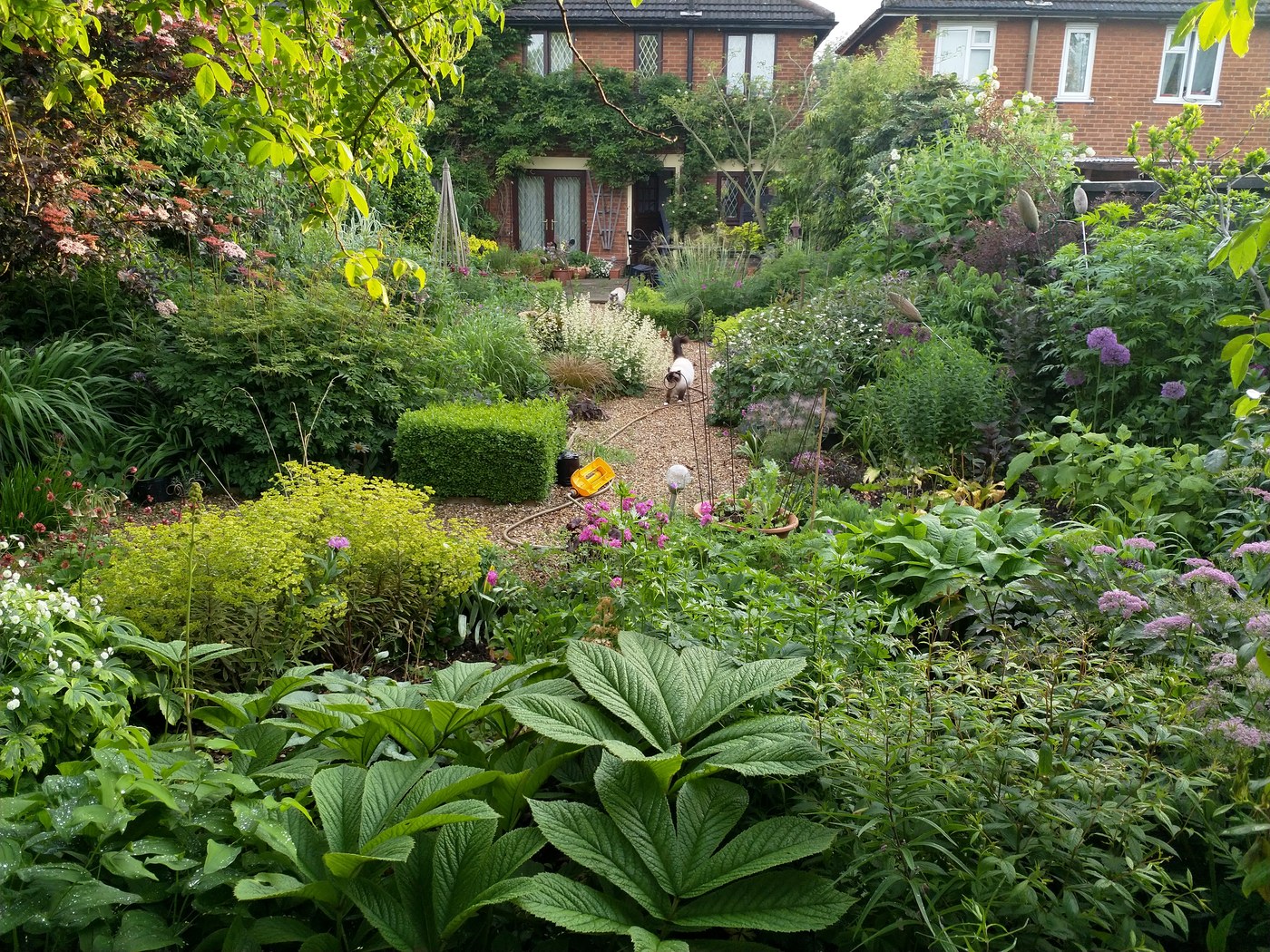
她家花园也是开放的:国家花园计划(National Garden Scheme)的登记花园,二月开放三次看雪莲,八月再开放一次,门票 5 镑,现场有植物出售。这个花园的雪莲有三个多百个命名品种,配着番红花、鸢尾等冬季观赏植物;一条碎石小径蜿蜒向上,两侧是密密多年生植物与观赏草的花境,前面还有一小片以叶形取胜的阴生花园。这个园子 2012 年上过 Gardeners’ World、Mail on Sunday、Gardens Illustrated 和 The Garden,2013 年上过 House and Beautiful。花园不接待轮椅使用者,也不许带狗。
一年四季的日程
苗圃本身每周五、周六上午十点到下午四点开放,三月到十月,其余时间预约即可。除苗圃外,每年还跑一批展会和植物市集,春秋两季最密集。
园艺圈的活动集中在几个大展:五月中的皇家园艺学会切尔西花展、六月中的 BBC Gardeners’ World Live、七月中的皇家园艺学会巴德明顿花展,都是苗圃连年参展的地方。其余是各地花园:Ramster Gardens、Borde Hill、Parham House、West Dean、Mount Ephraim Gardens、Serge Hill 项目花园、Hever 城堡、Arundel 城堡、Horniman 博物馆与花园、Chiswick 花市,以及 Inner Temple 这种城里难得的园子。九月还有 BBC Gardeners’ World 秋季展(Gardeners’ World Autumn Fair)。
苗圃的土产里有一项需要单说:雪莲。二月那几次开放日专门为雪莲而设,站上写的是「三百多个雪莲品种和它们的配角」,配角指的是同期开花的番红花、鸢尾等冬季植物。1 月底的花园漫步、以及 Know and Grow 系列里一月的活动,都是同一批内容。苗圃的线上商店也卖植物和种子,另有设计和种植咨询服务,从难搞的花境到完整的图纸、种植计划和项目管理都接。
最后补一个数字口径:苗圃站上关于规模只说「小型、独立经营」,没有给出面积或产量。可核的是公开的植物清单条目数与讲座题目数——前者是本季打算种的植物,后者是可提供给园艺社团的固定选题。这两项都能直接点到站上核对。
A nursery that started on a patch of spare land
Daisy Roots is a small nursery in Hertfordshire growing hardy perennials and ornamental grasses. Its founder Annie Godfrey was a garden designer who also took on general gardening work. In the mid-1990s, newly qualified and working for herself, she was asked to help a client with a large garden; that client also had spare land, suitable for a small but perfectly formed nursery. Daisy Roots was born.
The nursery sits on the outskirts of Hertford, the county town, easily accessible from North London and the Home Counties. Annie’s own account of the start is plain: her handyman father helped her fence off a corner of a client’s field and build Daisy Roots from the ground up.
It is run by two people today — Annie and her partner Steve Machin, who between them propagate, tend and sell the plants. At home with them are three dogs, Ivy, Violet and Mabel, who handle meeting and greeting customers and vermin control. The site calls it a warm and hairy welcome, always guaranteed. In a British independent nursery that is not really a joke.
The site publishes the full postal address, telephone number and email address. None of that is reproduced here; the nursery’s site is the place to reach them.
No electricity on site, and a speciality in drought
Two words carry the nursery’s self-description: healthy and hardy. One detail of how it works sticks in the mind — there is no electricity on site. The site’s own words: the majority of our plants spend the winter outside, exposed to whatever the weather throws at them; and when we say hardy we mean HARDY. No electricity means no heated greenhouse and no automatic monitoring of stock levels.
Every plant is grown by them, in Hertfordshire. Annie put it plainly in an interview: a small number come in as plugs which they grow on, but all the others she propagates herself, from seed and from cuttings. That premise also explains why the plants settle in your own garden — they were raised in British weather to begin with, not acclimatised in a greenhouse.
The plant list is arranged alphabetically, and for the 2026 season it runs to more than 260 entries across over 120 genera. Iris is the largest single genus, alongside Salvia, Rudbeckia, Verbascum, Verbena, Veronica, Oenothera, Nepeta, Echinacea and Panicum, among others. Every entry carries a growing note covering height, flowering period, light and soil.
The list comes with a candid explanation. As a small business with heavy demands on limited time and manpower, and with no electricity on site to help monitor stock levels, keeping plant numbers up to date by hand takes too much time. Mail order was therefore cut back. But many customers like using the website as a reference, so they still list everything they intend to grow this season, with descriptions and cultural notes. To buy something from that section, you email to check availability and they will send it if they have it.
How the Chelsea golds were won
The nursery has exhibited at Royal Horticultural Society shows since 2006, and first appeared at Chelsea in 2012. That year they built a drought garden featuring 60 drought-tolerant species and took a Silver Gilt Flora award. The BBC’s report from that year quoted Annie on why drought is the subject: plants have spent millennia adapting to various conditions, creating a whole range of ways to cope with drought — a waxy coating, silver leaves that reflect sunlight back so they don’t get too hot, or tiny leaves with less surface area to lose water from.
2017 was the turning point. That year the nursery took a Gold Medal at Chelsea, the first gold they had won at any show. They also took golds at the RHS Hampton Court Palace Flower Show and at BBC Gardeners’ World Live that same year, and again at Chelsea in 2018 — two consecutive years of gold at Chelsea.
She has explained the drought route: the Anglia region is the driest in England, and it is still possible to have a beautiful garden under a hosepipe ban. The 2017 Chelsea exhibit that earned the medal was praised by the judges for a display of drought-tolerant perennials and grasses, every one of them grown by Annie herself at the nursery. Named varieties visible in the 2018 gold medal exhibit included Orlaya grandiflora and Verbascum ‘Merlin’.
Beyond the nursery: talks, a garden and the show circuit
Two other lines run alongside the nursery. The first is lecturing. Annie offers garden clubs and horticultural societies a fixed list: ‘Good In Bed’, on plants with a particularly long season of interest; ‘Shady Characters’, since every garden has some shade somewhere; ‘Some Like It Hot’, on plants that cope with full sun and drought; ‘Gardening with Grasses’; ‘Autumn Fireworks’, on keeping the garden colourful until the frosts; ‘Winter Colour in the Garden’; ‘A Year at Daisy Roots’, a walk through twelve months in the life of a nurseryman; and ‘The Show Must Go On’, a light-hearted look at exhibiting. Because of work commitments and long days at the nursery and shows, she only lectures out from September to March.
The second is Know and Grow, the nursery’s own programme, explained on the site as: because the more you know, the more you can grow. The 2026 series covers propagation, awkward sites, getting year-round interest from a small area, and keeping colour and interest coming all season. It opens with a walk and talk in January, followed by hands-on workshops on successful seed sowing, dividing, taking cuttings and late summer sowing, plus a lecture on designing a border in August and a closing session at the end of October. The workshops take place at the nursery; the talks are held in her own garden.
That garden opens too. It is a registered National Garden Scheme garden, open three times in February for snowdrops and once in August, entry five pounds with plants for sale. The snowdrops number more than three hundred named varieties, accompanied by cyclamen, iris and other winter-interest plants to set them off. A wide gravel path meanders up the garden, flanked by deep borders packed with herbaceous perennials and ornamental grasses; a small front garden has plenty of foliage interest. The garden appeared in Gardeners’ World, Mail on Sunday, Gardens Illustrated and The Garden in 2012, and in House and Beautiful in 2013. It does not yet accommodate wheelchair users, and dogs are not allowed in.
The year round on the show circuit
The nursery itself is open every Friday and Saturday from 10am to 4pm, March to October, and by appointment at other times. Outside that, they travel to a substantial number of plant fairs and flower shows each year, heaviest in spring and autumn.
The big horticultural dates are the RHS Chelsea Flower Show in mid-May, BBC Gardeners’ World Live in mid-June and the RHS Badminton Flower Show in July — all three are ones the nursery has exhibited at repeatedly. The rest are gardens: Ramster Gardens, Borde Hill, Parham House, West Dean, Mount Ephraim Gardens, the Serge Hill Project Gardens, Hever Castle, Arundel Castle, Horniman Museum and Gardens, Chiswick Flower Market, and Inner Temple, a rare green space in the city. In September there is also the BBC Gardeners’ World Autumn Fair.
One part of the nursery’s own output deserves separate mention: snowdrops. The February open dates are given over to them, and the site describes over three hundred snowdrop varieties and their supporting cast. The garden walk in late January and the January Know and Grow session cover the same material. The nursery also sells plants and seeds online, and offers a consultation and garden design service, from a difficult border right through to full-scale drawn design plans, planting plans and project management.
One note on scale: the site describes itself only as a small, independently run nursery and gives no figure for area or output. What can be checked is the public plant list and the lecture programme — the number of entries planned for the season and the fixed list of talks available to clubs. Both are verifiable directly on the site.








发表回复