

Dahlia Barn 是一家位于美国华盛顿州斯诺夸尔米山谷(Snoqualmie Valley)北弯市(North Bend)的家族经营大丽菊及多年生植物专业商业苗圃,自 2002 年创立以来一直深耕大丽菊块茎、裸根多年生植物与本地切花业务。苗圃以”农场直供”为核心理念,从自有田地采收、分株、贴标和包装,全程由 Aimee Sherrill 团队直接运营,不经第三方批发商,使消费者能够买到价格透明、品种纯正且来源可追溯的美国本土生产的大丽菊块茎。
苗圃创立与斯诺夸尔米山谷二十三年家族经营
Dahlia Barn 于 2002 年建立在北弯市一处旧马场之上,地处西雅图以东约 30 英里的斯诺夸尔米山谷,紧邻 Mt Si Road 沿线。该区域属于太平洋西北部温带海洋性气候,冬冷夏凉、年降水量充沛,与华盛顿州中部的 Kittitas Valley 干燥阳光气候形成显著对比。除北弯的本店与展示花园外,苗圃还在 Thorp 经营一处占地 4 英亩的封闭式生产农场(不向公众开放),位于北弯以东约 70 英里,年日照近 300 天,专门用于批量生产大丽菊块茎与切花。这种”北弯展示 + Thorp 量产”的双基地模式,使苗圃既能保证切花与块茎的全年稳定供应,也能在春秋两季为本地客户提供现场参观和提货服务。
品种体系与大丽菊花型缩写分类目录
Dahlia Barn 在售大丽菊品种遵循美国大丽菊协会(ADS)官方花型分类系统,覆盖 8 种主流花型与 5 种花径分级。花型(Style of Bloom)包括 BA 球型(Ball)、FD 正式装饰型(Formal Decorative)、IC 内弯仙人掌型(Incurved Cactus)、ID 非正式装饰型(Informal Decorative)、LC 细裂型(Lacinated)、SC 半仙人掌型(Semi-Cactus)、C 直仙人掌型(Straight Cactus)、WL 睡莲型(Waterlily)。花径(Bloomy Size)从 M(Miniature,至 4 英寸)到 BB(Small,4-6 英寸)、B(Medium,6-8 英寸)、A(Large,8-10 英寸),直至 AA(Giant,10 英寸以上)。消费者可在官网按颜色(橙/桃、粉、紫、红、白、黄)或按花径与花型检索,商店提供 100+ 品种的多样化选择。除大丽菊外,苗圃同时供应 30 余种适合全日照的宿根花卉(如芍药、萱草、玉簪、矾根、落新妇)以及耐阴品种,并提供裸根发货。
零售与批发块茎订购、自育品种及发货安排
苗圃块茎零售订单每年 7 月至次年 5 月开放预订,所有订单统一于春季按区域分批发货:华盛顿州本土订单于 4 月 15 日至 5 月第一周发货;南部各州(温暖气候)于 3 月初至中旬发货;中部各州于 4 月初至中旬发货;北部各州于 4 月中至下旬发货。运费采用 USPS 美国邮政统一计费,单笔订单 75 美元以下统一 8.95 美元、75 美元以上 12.95 美元、150 美元以上按订单金额 10% 计费,仅限美国境内发货,不寄送加拿大或海外。本地客户可在 4 月至 5 月初每个周末前往北弯本店参加 Spring Barn Sales,现场挑选除网站售罄外的库存品种,享受独家店内新品种,并可同时领取邮购订单。除块茎零售外,苗圃还提供 9 月至 10 月中旬的本地切花预订服务,按扎销售、每扎 12 支、统一 20 美元/打,可承接婚礼与活动订单,最低 5 扎起订(约 5 加仑桶装量),需提前 1-2 周预约,仅限本地自取。
栽培指南、参观开放时间与售后保障
苗圃的栽培指南涵盖从土壤准备到冬季储藏的完整环节:土壤 pH 推荐 6.3-6.8 微酸性,需在 4 英寸表土中加入堆肥或袋装牛粪改良;施肥建议栽种时使用缓释有机肥(如 Espoma Bulb-tone),栽后 30 天起追施 5-10-10 低氮高磷钾颗粒肥两次;最佳种植时间为土壤温度稳定达到 60°F(约 15.5°C)的晚春,太平洋西北部通常在母亲节前后;栽种行距 18-24 英寸,株高至 18-24 英寸时在第 4-5 节摘心一次以促分枝;浇水推荐使用浸水软管(soaker hose)深灌 45-60 分钟,每周 2-3 次;冬季需在霜冻后 1-2 周掘出块茎,保留 6-8 英寸茎秆,于 40-50°F(约 4-10°C)的附建车库或地下室用潮湿泥炭分层储存。苗圃每年 9 月至 10 月中旬周末举办免费入场的 Flower Festival,期间举办 People’s Choice 大丽菊评选、20 美元/打切花销售与品种预订;春末夏初(4-6 月)则在北弯红仓旁设 25 美元自助花摊,周末全天开放。所有块茎均保证单分株带鲜活芽眼、品种纯正且无病毒病害,8 月 1 日前可联系更换。
Dahlia Barn is a family-operated commercial nursery specializing in dahlias and perennials, located in North Bend in Washington State’s Snoqualmie Valley, roughly 30 miles east of Seattle. Founded in 2002 on a former horse farm along Mt Si Road, the nursery has supplied farm-direct dahlia tubers, bare-root perennials, and locally grown cut flowers for over two decades under the direct management of Aimee Sherrill and her team. By selling exclusively from its own production fields rather than through third-party wholesalers, Dahlia Barn offers gardeners competitively priced, true-to-name, and fully traceable American-grown dahlia stock.
Founding History and Over Two Decades of Family Operation in the Snoqualmie Valley
Established in 2002 on a former horse farm in North Bend, Washington, Dahlia Barn operates from a Pacific Northwest temperate climate that contrasts sharply with the dry, sunny conditions of central Washington’s Kittitas Valley. In addition to the North Bend display gardens and on-site shop, the nursery runs a closed-to-the-public 4-acre production farm in Thorp, about 70 miles east of North Bend, where Kittitas Valley farmland receives nearly 300 days of sunshine annually and is used to grow dahlias in bulk for both tuber propagation and cut-flower production. This twin-base model, combining a public-facing North Bend location with a dedicated Thorp production site, lets the nursery maintain year-round stable supply for tubers and cut flowers while still hosting weekend retail events, on-farm pick-ups, and self-serve flower stands during the spring and autumn seasons.
Cultivar Catalog and the American Dahlia Society Bloom Form Classification System
The nursery’s retail catalog follows the official bloom-form classification maintained by the American Dahlia Society, covering eight principal bloom forms and five bloom-size classes. Bloom forms (Style of Bloom) include BA Ball, FD Formal Decorative, IC Incurved Cactus, ID Informal Decorative, LC Lacinated, SC Semi-Cactus, C Straight Cactus, and WL Waterlily. Bloom sizes range from M (Miniature, up to 4 inches) through BB (Small, 4-6 inches) and B (Medium, 6-8 inches) to A (Large, 8-10 inches), and up to AA (Giant, 10 inches and above). Customers can filter the online shop by color (orange/peach, pink, purple, red, white, yellow), by bloom size, or by bloom class, with more than 100 dahlia varieties typically offered each season. Beyond dahlias, Dahlia Barn stocks over 30 sun-tolerant perennials (peony, daylily, hosta, heuchera, astilbe, bleeding heart, phlox, and others) alongside shade-tolerant varieties, all shipped as bare-root stock.
Retail and Wholesale Tuber Ordering, Family Originations, and Shipping Arrangements
Tuber retail orders open each year from July through the following May, with all shipments dispatched regionally in spring: Washington State orders ship between April 15 and the first week of May; southern states (warmer climates) begin shipping in early to mid March; central states in early to mid April; and northern states in mid to late April. Shipping is handled exclusively through USPS and is limited to U.S. addresses only, with no shipments to Canada or overseas. USPS shipping charges are $8.95 for orders under $75, $12.95 for orders of $75 or more, and 10% of order subtotal for orders of $150 or more. Local customers may visit the North Bend barn every weekend from April through early May for Spring Barn Sales, where they can shop in-store stock that includes varieties sold out online as well as barn-only introductions and pick up mail orders at the same time. Alongside retail tubers, the nursery runs a local cut-flower program from mid September through mid October at $20 per dozen stems, with a 5-bunch minimum for weddings and events booked one to two weeks in advance, local pick-up only.
Cultivation Guide, Visiting Hours, and After-Sale Quality Guarantee
The nursery’s cultivation guide covers every stage from soil preparation through winter storage. Soil pH should sit between 6.3 and 6.8 (slightly acidic), and a 4-inch layer of compost or bagged steer manure should be worked into the topsoil before planting. At planting time, an organic slow-release fertilizer such as Espoma Bulb-tone is recommended, followed by two side-dressings of 5-10-10 granular fertilizer (low nitrogen, balanced phosphorus and potassium) at 30-day intervals. Tubers should be planted only after soil temperature reaches a stable 60°F (about 15.5°C), which in the Pacific Northwest typically arrives around Mother’s Day. Spacing is 18 to 24 inches, and pinching the central growing tip above the fourth or fifth leaf set at 18 to 24 inches of height encourages bushier, more bloom-productive plants. Deep soaking via soaker hoses for 45 to 60 minutes two to three times a week is preferred over overhead watering. In fall, tubers should be lifted one to two weeks after the first hard freeze, the stalks cut to 6 to 8 inches, and clumps stored over winter at 40 to 50°F (about 4 to 10°C) in an attached garage or basement, layered with peat moss inside cardboard boxes. Dahlia Barn hosts a free-admission Flower Festival on weekends from September through mid October, featuring a People’s Choice dahlia show, $20/dozen cut-flower bouquets, and on-site tuber pre-orders; the North Bend self-serve flower stand runs from April through June and again from September through October on Fridays, Saturdays, and Sundays during daylight hours at $25 per bouquet. Every tuber shipped carries a guarantee of single-eye viability, true-to-name variety, and freedom from viruses and disease, with replacement handled by August 1 of the same growing year.
相关文章:
 美国 Frey 的大丽花 Frey’s Dahlias – 家族经营大丽菊 (dahlia) 专精商业苗圃
 新西兰 大丽花天堂苗圃 – 种苗生产与销售
 美国 Big Dahlias 大丽花苗圃 – 华盛顿州小型家族大丽花球根专营苗圃
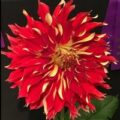 美国 德尔大丽花 Dahlia Del – 明尼苏达小型个人大丽花苗圃
 加拿大 溪边大丽花农场 Creekside Growers – 家庭式切花与大丽花种球农场
 美国 夏梦大丽花农场 Summer Dreams Farm – 密歇根州大丽花切花与球根农场
 美国 老屋大丽花 Old House Dahlias – 俄勒冈州小型家庭经营大丽花农场
 美国 阳光草地花卉农场 Sunny Meadows – 俄亥俄州最大都市型切花农场
发表回复